Bastia Sottana: A Fifteenth-Century Castle in Sassello, Italy


Site at a Glance
- Rating
- 3.9
- Popularity
- Very Low
- Country
- Italy
- Primary era
- Medieval
- Eras represented
- Medieval, Early Modern
- Civilizations
- Genoese
- Site type
- Military
- Remains
- Castle
On this page7 sections
History
Bastia Sottana is a fifteenth-century castle in Sassello, Italy, built around 1450 by Filippo Doria, a member of the prominent Genoese aristocratic Doria family. It was constructed after Bastia Soprana and the original settlement of Sassello had been destroyed, and it became the fortification protecting a new settlement.
Foundation of the New Settlement
The settlement developed at the foot of Bastia Sottana, while Sassello definitively abandoned its older location. The new community assumed approximately the form it retains today, and the small settlement within the former castle precinct took its name from the fortification.
Genoese and Savoyard Conflicts
In 1612, the Republic of Genoa became the owner of Sassello. Bastia Sottana later stood within the conflicts between Genoa and the House of Savoy, a ruling dynasty whose territories and interests brought it into opposition with Genoa. Fighting affected the area in 1672 and again in 1747.
Restoration and Heritage Status
Restoration works took place between 2008 and 2010. Bastia Sottana is designated as Italian national heritage.
Remains
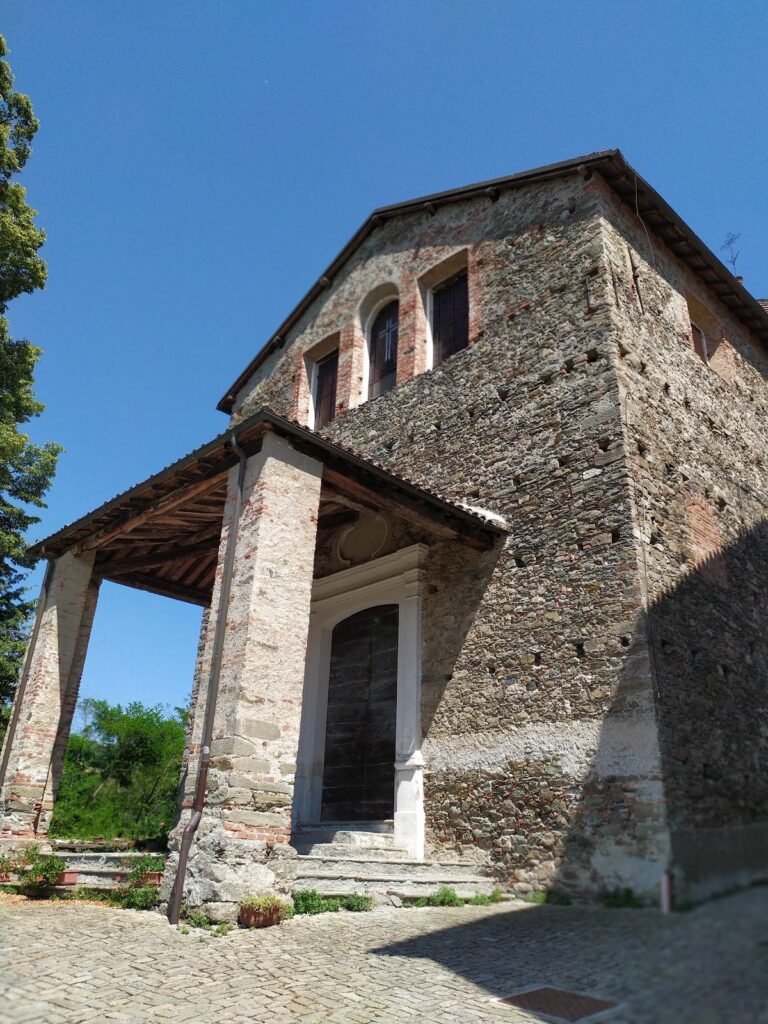
Bastia Sottana occupied a dominant position on a small hill near Sassello’s historic center. Its surviving remains include subterranean rooms and extensive sections of the perimeter walls. The masonry incorporates building fabric from several phases between the fifteenth and seventeenth centuries, reflecting the fortification’s long period of development and use.
Fortification and Settlement
Buildings inside the fortified precinct served garrisons or functioned as storehouses. Some were later enlarged and converted into private residences, preserving the connection between the castle’s defensive history and the settlement that grew within it.
Chapel of Sant’Antonio
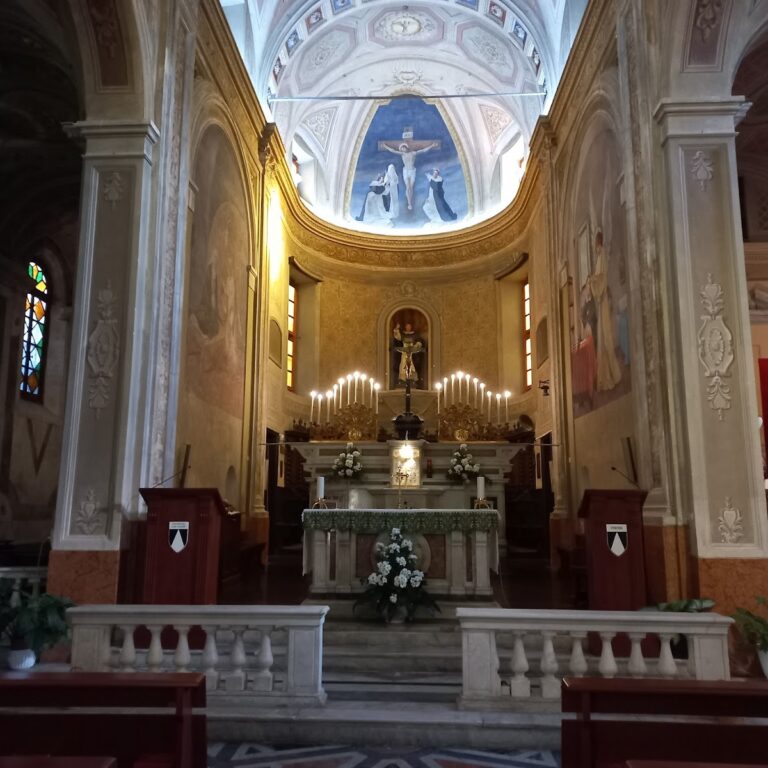
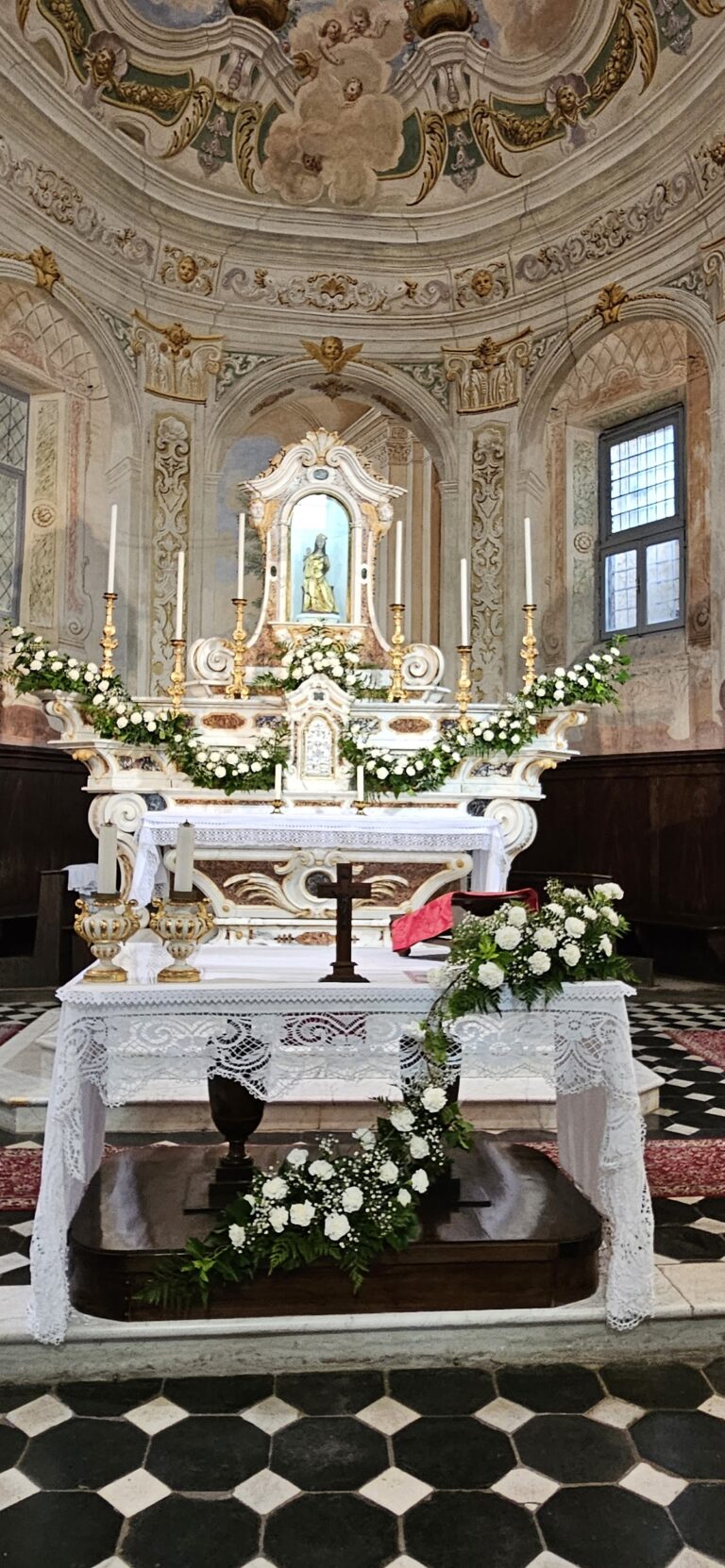
The marquisal chapel survives in a state of perfect preservation. It is now known as the Chapel of Sant’Antonio.
Nearby sites