Basilica of the Seven Sorrows of the Blessed Virgin Mary: A Baroque Pilgrimage Church in Slovakia
Site at a Glance
- Popularity
- Medium
- Country
- Slovakia
- Primary era
- Early Modern
- Eras represented
- Early Modern, Modern
- Civilizations
- Austrian Empire, Habsburg, Hungarian
- Site type
- Religious
- Remains
- Basilica
On this page11 sections
History
The Basilica of the Seven Sorrows of the Blessed Virgin Mary is a Baroque and late-Baroque church in Šaštín, Slovakia. The Pauline Order, a Catholic monastic order, built it as a shrine to the Seven Sorrows, a devotion focused on Mary’s suffering. The basilica became a major Marian pilgrimage destination in Slovakia.
Origins and construction
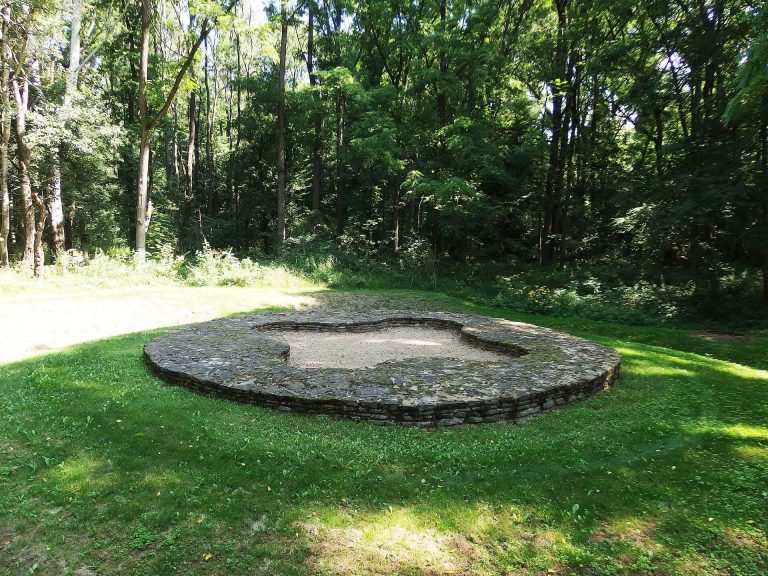
Local devotion began in 1564, when a statue of the Virgin of the Seven Sorrows was placed in a triangular chapel at Šaštín. In 1654, amid the danger of continuing Ottoman wars, the statue was transferred to a nearby castle. It returned to the chapel in 1710. After claims of miraculous healings, the statue was examined that year. Imre Esterházy, Archbishop of Esztergom, declared it miraculous in 1732 and authorized its veneration.
The Pauline Order acquired the statue in 1733 and began building a church and monastery on the chapel site in 1736. Public collections and a contribution from Empress Maria Theresa supported the work. The church was completed and roofed in 1748, while the monastery was roofed in 1751. Interior decoration continued from 1760.
Consecration and change of religious order
Archbishop Ferenc Barkóczy consecrated the church on 12 August 1762, with Maria Theresa and Francis of Lorraine present. Three days later, the statue was placed on the high altar. Bells were blessed in 1765, and by 1771 the church had received an organ and its side altars.
In 1786, Habsburg ruler Joseph II suppressed the Pauline Order as part of his church policies. The monks departed for Poland, and the church came under the local parish’s administration. The parish then closed Šaštín’s older parish church.
Nineteenth-century commemoration
In 1864, on the 300th anniversary of the statue’s veneration, the complex was repaired and its towers raised. On 26 June, Cardinal Ján Krstiteľ Scitovský crowned the statue with a gold crown blessed by Pope Pius IX. About 300 priests and 120,000 worshippers attended the ceremony.
Twentieth-century changes
During the First World War, the church’s bells were requisitioned in 1914, and all but one were melted down. The Salesians, a Catholic religious congregation, took charge of the church in 1924 and reopened the old parish church. Four large bells were made in 1926, followed by a national bell weighing 4,745 kilograms, blessed in 1928.
Pope Pius XI declared the Virgin of the Seven Sorrows patroness of Slovakia in 1927. The decree was announced at the basilica on 22 May before three bishops and about 40,000 worshippers. A restoration from 1941 to 1943 included enlargement of the organ. In 1950, Communist authorities expelled the Salesians and diocesan priests took over. The Salesians began returning in 1968.
Pope Paul VI granted the church the honorary title of minor basilica on 23 November 1964. A comprehensive restoration of the church and complex took place from 1987 to 2005. Pope John Paul II visited in 1995, and the Pauline Order returned in 2017.
Recent pilgrimages and papal visits
Since 2009, the Greek Catholic Eparchy of Bratislava, an Eastern Catholic diocese, has held an annual pilgrimage at the basilica on the Feast of the Compassion of the Mother of God. The feast falls on the Saturday after the Feast of the Most Sweet Lord, God and Savior Jesus Christ, the final movable feast after Easter. Pilgrimages also take place throughout the year, especially at Pentecost and on 15 September, the Feast of the Seven Sorrows of the Virgin Mary.
On 15 September 2021, Pope Francis prayed at the basilica and celebrated the closing Mass of his visit to Slovakia in a nearby field. He presented a Golden Rose, a papal honor for a sacred image or place, to the statue.
Remains
Church and monastery complex
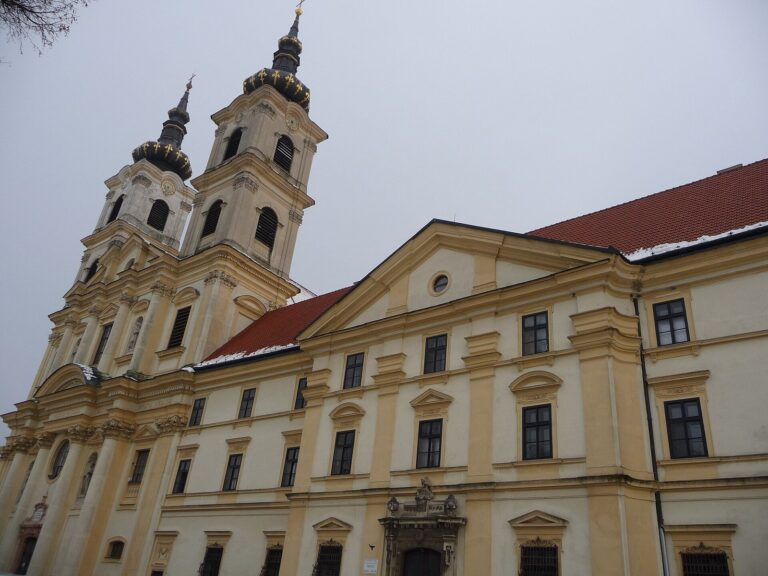
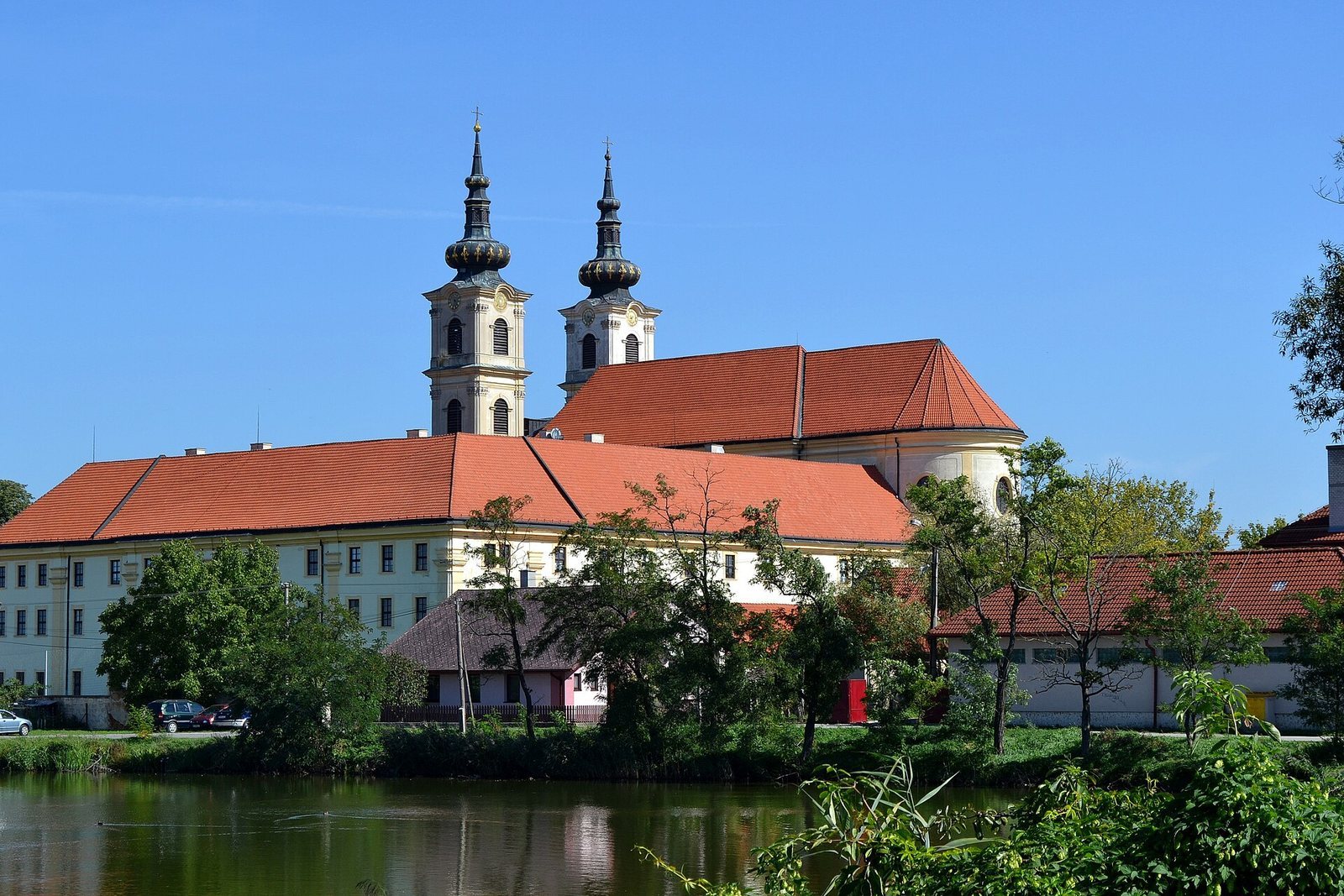
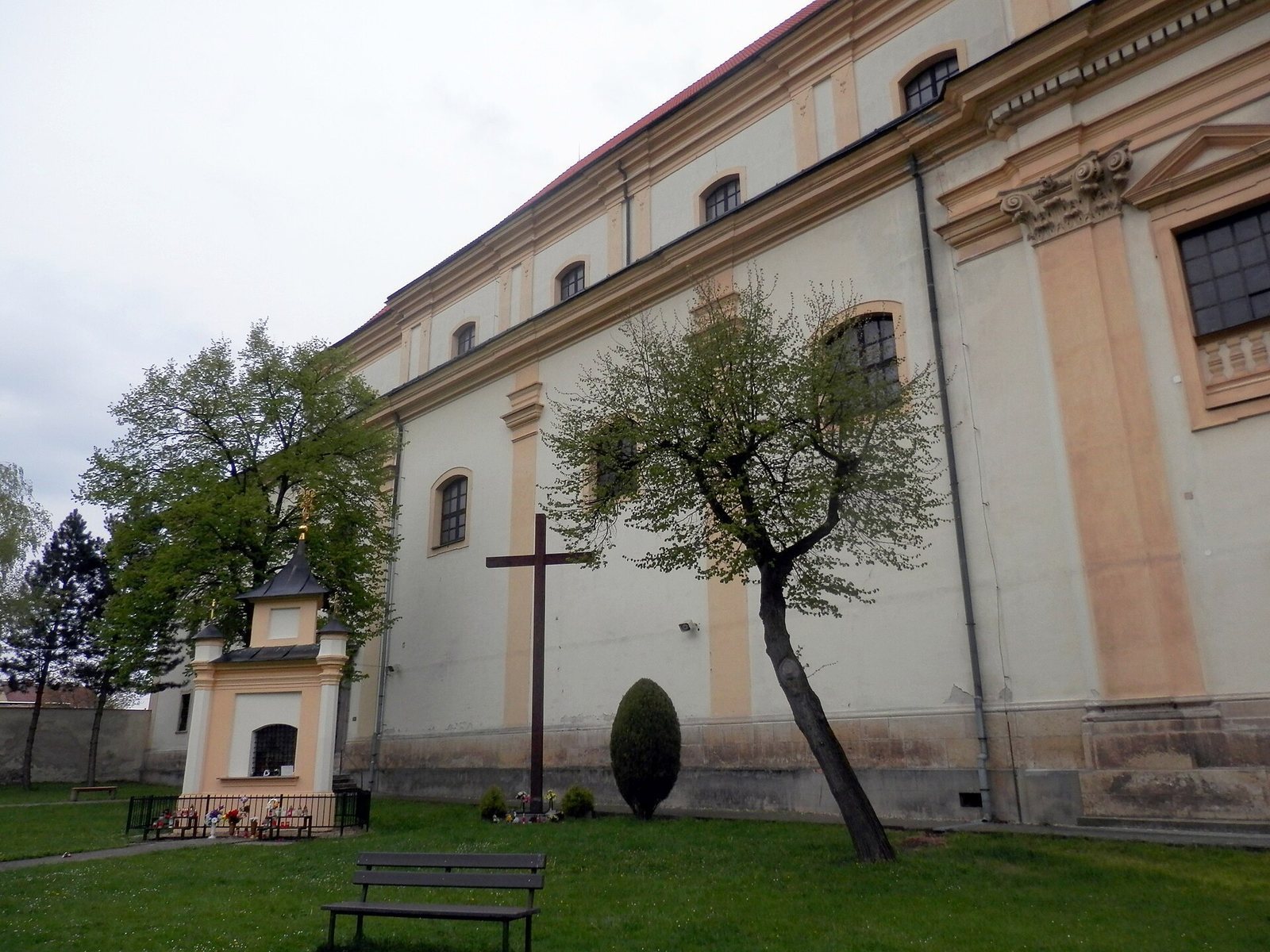
The Baroque and late-Baroque church forms part of a complex that includes a Pauline monastery. It occupies the site of the earlier triangular chapel. A small museum is housed in the basilica.
Altar and interior decoration
The late-Baroque high altar is made of red marble and holds the statue of the Virgin of the Seven Sorrows. The late-Gothic statue comes from the Danubian region and forms the basis of the Šaštín type of Pietà, a devotional image of Mary mourning or holding the dead Christ. Ceiling frescoes, paintings made on wet plaster, were created by Jean Joseph Chamant. The side altars are marble apart from one, and their altarpieces were painted by Ján Lukáš Kracker.
Towers
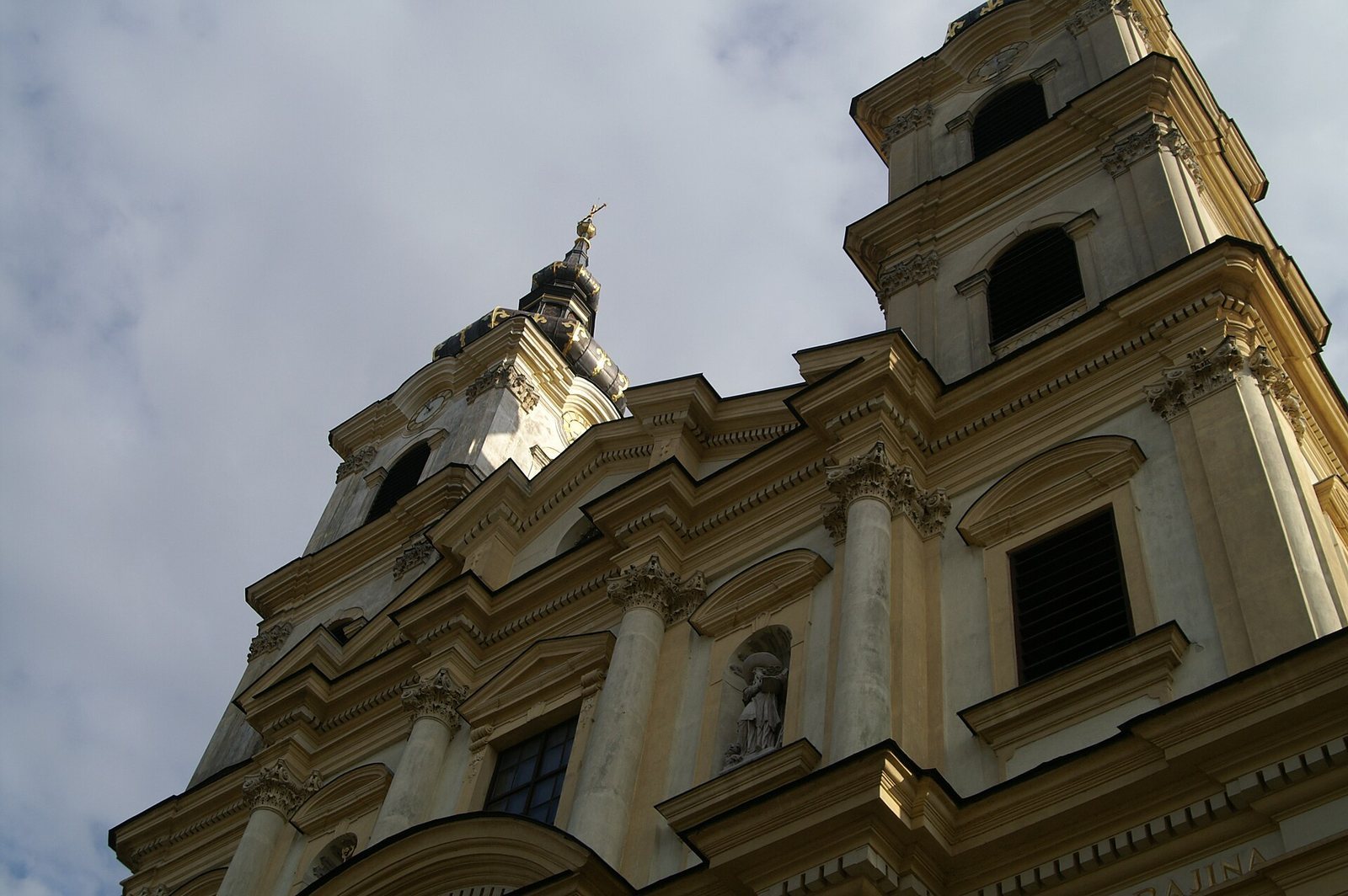
The church has two towers, raised to their present height in 1864.
Organ
The present organ was built by Rieger-Kloss in 1950 and has five manuals, or keyboards. It replaced a two-manual organ made by Jan Výmola in 1771. The older instrument’s Baroque case was substantially enlarged for the later organ. The basilica’s organ is described as the largest in Slovakia.