Bash Tapia Castle: Historic Fortress in Mosul, Iraq
Visitor Information
Google Rating: 4.4
Popularity: Low
Country: Iraq
Civilization: Medieval Islamic
Site type: Military
Remains: Castle
History
Bash Tapia Castle is located in the municipality of حي الشفاء الموصل within modern-day Iraq. It was originally constructed during the 12th century by the Atabeg dynasty as part of Mosul’s city defenses, serving as one of seven fortresses along the western bank of the Tigris River. However, the castle’s origins trace back even further to the late 8th century, with early fortifications attributed to the Umayyad ruler Marwan ibn Muhammad.
Throughout its long history, the castle experienced multiple cycles of damage and reconstruction. In 1058 CE, it was destroyed during the rule of the Banu Basasiri. Later, in 1261 CE, the Mongol commander Hulagu Khan’s campaign caused further destruction to the fortress. These episodes reflected the strategic importance of Mosul and its fortifications as the city changed hands among various powers.
In 1393, the castle suffered damage during the invasions led by Timur, also known as Tamerlane. The Ottoman Empire later rebuilt it, initiating significant repairs and improvements. Throughout the Ottoman period, governors such as Bakr Pasha Ismail al-Mosuli in 1625 and Haji Hussein al-Jalili in 1743 oversaw restorations, which included adding a prominent high tower. The castle played a vital role in the defense of Mosul during the Ottoman-Persian War (1743–1746), particularly during the 1743 siege when Persian ruler Nader Shah laid siege to the city. Hussein Pasha al-Jalili used Bash Tapia Castle as the command center leading to the successful lifting of the siege on 23 October 1743.
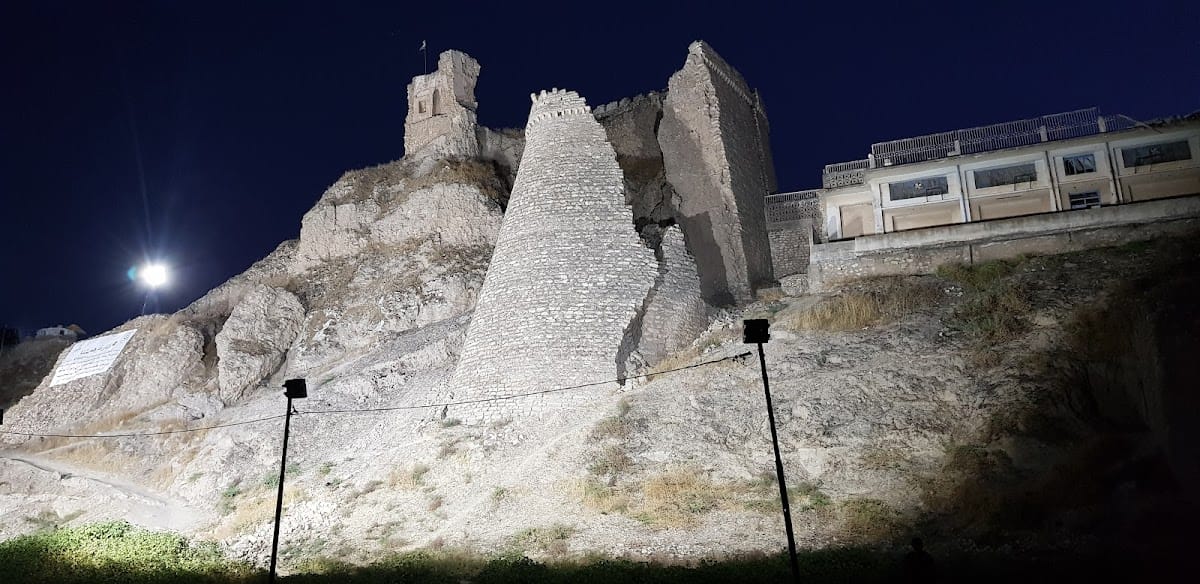
Following centuries of use, Bash Tapia Castle entered a period of decline after the 2003 invasion of Iraq. Neglect contributed to its deterioration, and parts of the site were repurposed without regard for its historical importance. In June 2014, the city of Mosul was captured by ISIS, and during subsequent conflicts the castle was damaged. In April 2015, ISIS reportedly destroyed significant portions of the fortress, marking a substantial loss to Mosul’s heritage. Despite this, photographs from 2016 showed certain sections of the castle still standing. Iraqi forces regained control of the site in June 2017, leaving the ruins as a reminder of the city’s layered history.
Remains
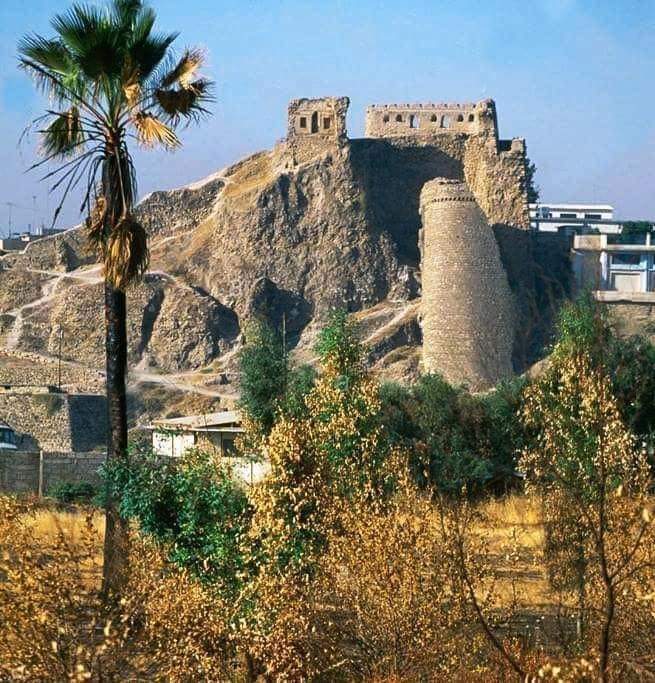
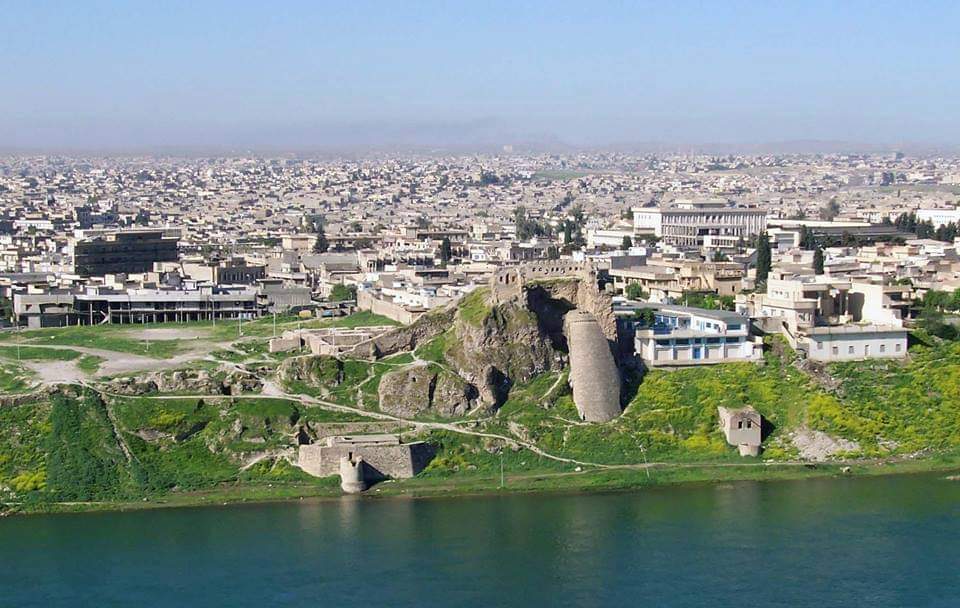
Bash Tapia Castle was strategically positioned at the highest point of historic Mosul, rising about 75 feet above the surrounding ground and approximately 150 feet above the Tigris River. This elevation provided commanding views and defensive advantages. The fortress was an integral section of the city’s western walls and included multiple structural components designed for protection and military use.
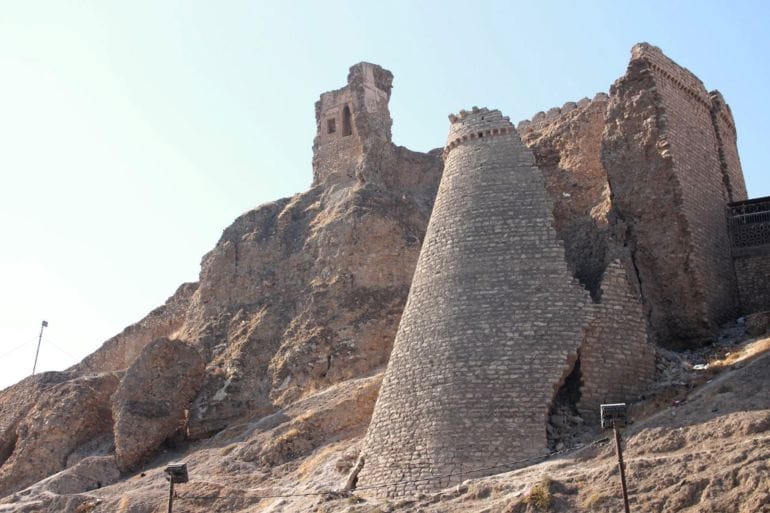
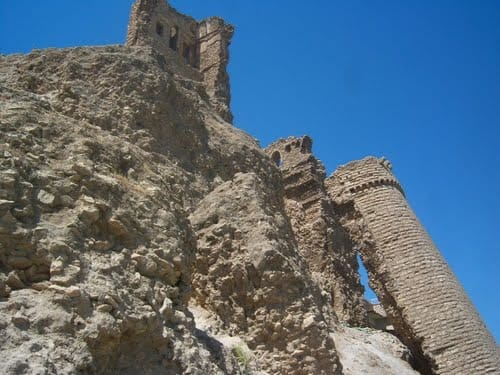
A major feature of the castle was its tall tower, added during the Ottoman restoration phase. This tower enhanced surveillance and defense capabilities, standing as a prominent element of the fortress complex. Within the castle, there were numerous rooms serving various functions, likely including quarters for soldiers and storage.
The fortress also included a citadel, a strongly fortified center within the castle complex. Defensive features such as machicolations—overhanging parapets with openings that allowed defenders to drop objects or pour substances onto attackers below—were part of the architecture. The presence of underground tunnels is notable; these passages connected Bash Tapia Castle with the old city and secret routes leading outside the city walls, facilitating discreet movement in times of siege or emergency.
Storage spaces for ammunition were also incorporated, indicating the castle’s active role in military defense. The structure was primarily constructed as part of Mosul’s city wall system, and remnants today represent one of the few remaining fragments of these ancient fortifications.
After considerable damage and neglect in the 21st century, including partial destruction caused by conflict, many sections have deteriorated, though some structural elements remain in place. The castle stands as a significant archaeological site, preserving the legacy of Mosul’s historic defenses.