Ayaragigō Site: A Yayoi Settlement in Japan
Site at a Glance
- Rating
- 3.7
- Popularity
- Low
- Country
- Japan
- Primary era
- Classical
- Eras represented
- Classical, Medieval
- Civilizations
- Yamato, Yayoi
- Site type
- Settlement
On this page13 sections
History
The Ayaragigō Site is a settlement of the Yayoi period in Japan, occupied broadly from the second century BC to the second century AD. The Yayoi is one of the periods used to describe Japanese history and archaeology. The settlement’s population reached its high point near the end of the early Yayoi period, then declined early in the middle Yayoi as people spread into smaller communities. Evidence from plants, animals, and fishing activities indicates a livelihood combining farming and fishing with hunting.
Later use and archaeological study
Activity at the site continued in later eras. Finds indicate use during the Kofun period, named for its burial mounds, and during the subsequent Heian, Kamakura, and Muromachi periods. Yayoi-era finds came to light in 1898, and full-scale excavation began in 1956.
Sand mining and protection
In 1963, Hisagoya, a manufacturer of die-casting molds, obtained rights to extract silica sand at the site and sold it as Yayoi sand. The company initially held back from expanding its operations while archaeological investigations were in progress. The market changed during the Vietnam War, a conflict in Vietnam, when disrupted imports of Vietnamese silica sand pushed prices higher.
After learning that Shimonoseki planned to seek national historic-site status for Ayaragigō, Hisagoya sent ten bulldozers to mine sand on the night of March 8, 1969. The operation destroyed the unexplored southern half of the site. Mining continued the next morning despite a restraining order. Company president Shizuo Horie said that designation would prevent further extraction and that Hisagoya did not expect compensation.
Ayaragigō became a National Historic Site on March 11, 1969, under Japan’s cultural-property protection system. Hisagoya sued in June to overturn the designation, and the dispute was settled in 1981, the year the protected area was also expanded.
Remains
The Yayoi settlement occupied a silica-sand plateau about 20 to 30 meters above sea level, approximately 250 meters east of the present coast of Hibiki Bay. An enclosing ditch surrounded the settlement, with underground storage pits within it. Finds from the site include plant, animal, and marine remains, pottery, and tools.
Yayoi settlement
Enclosing ditch and storage pits
A ring moat, a ditch encircling a settlement, enclosed the Yayoi community. It was more than two meters wide and about three meters deep, with a V-shaped profile. Within it were 911 underground storage pits with rounded, bag-like forms.
Plant and food remains
The storage pits yielded grains of rice, wheat, sorghum, and millet, as well as beans, vegetables, fruits, and other plant remains. Carbonized rice and wheat were also found, along with seeds from yew, peach, and chestnut.
Pottery and implements
More than 2,000 earthenware objects included large pots, weights, spindle whorls used in spinning thread, and figurines with human faces. Stone tools served as farming equipment, weapons, fishing gear, and personal accessories. A smaller group of iron objects included sickles and knives.
Animal and marine remains
Animal remains include wild boar, sika deer, raccoon dogs, ducks, and whales. Marine finds include red sea bream and shellfish such as clams and abalone. Fishing equipment included tools for prying abalone from surfaces and spears.
Kofun-period features
Burial mound and stone coffins
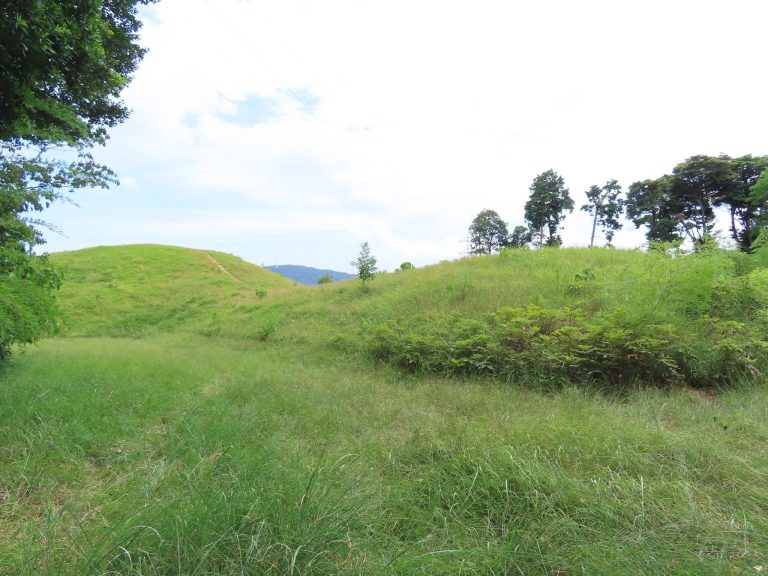
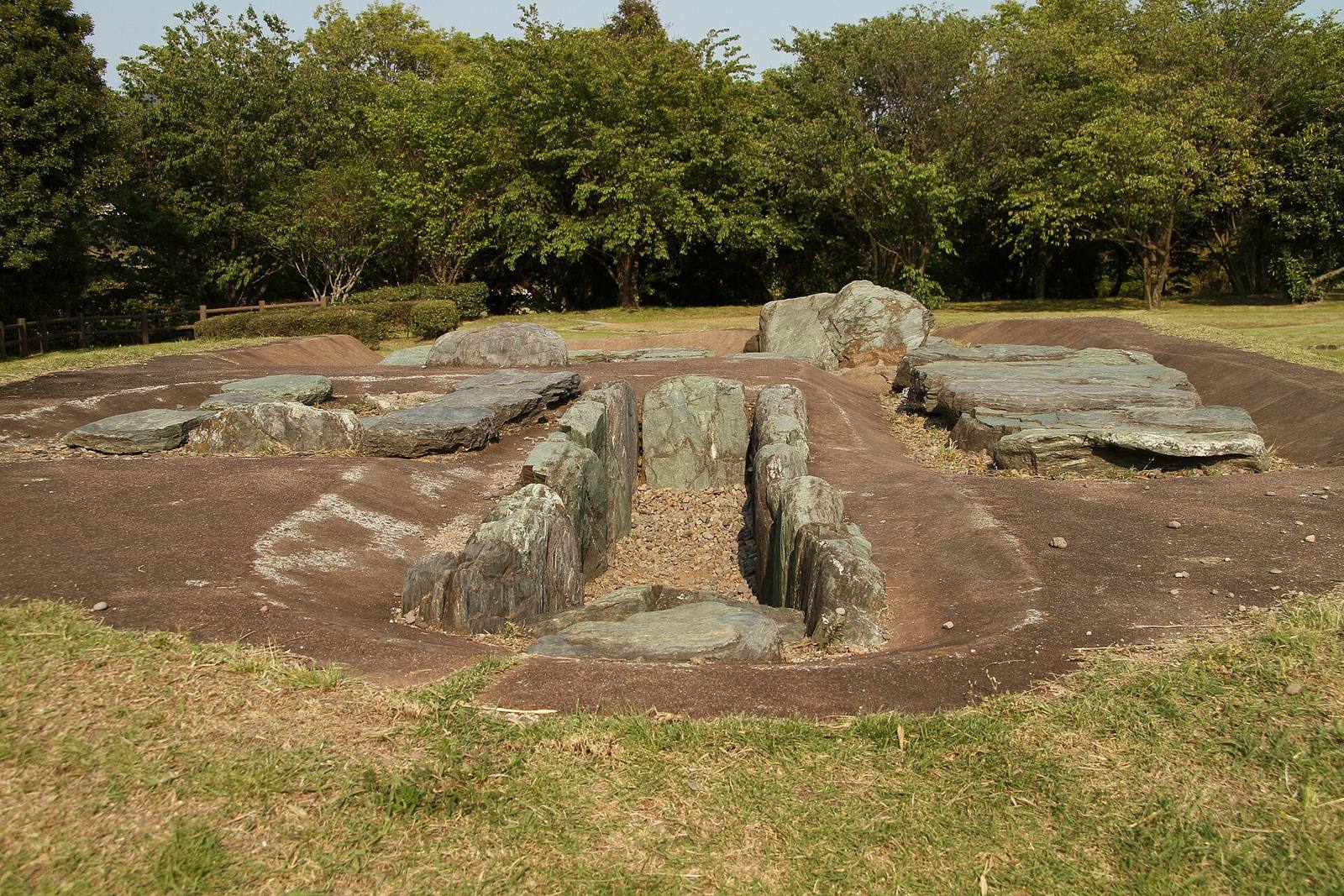
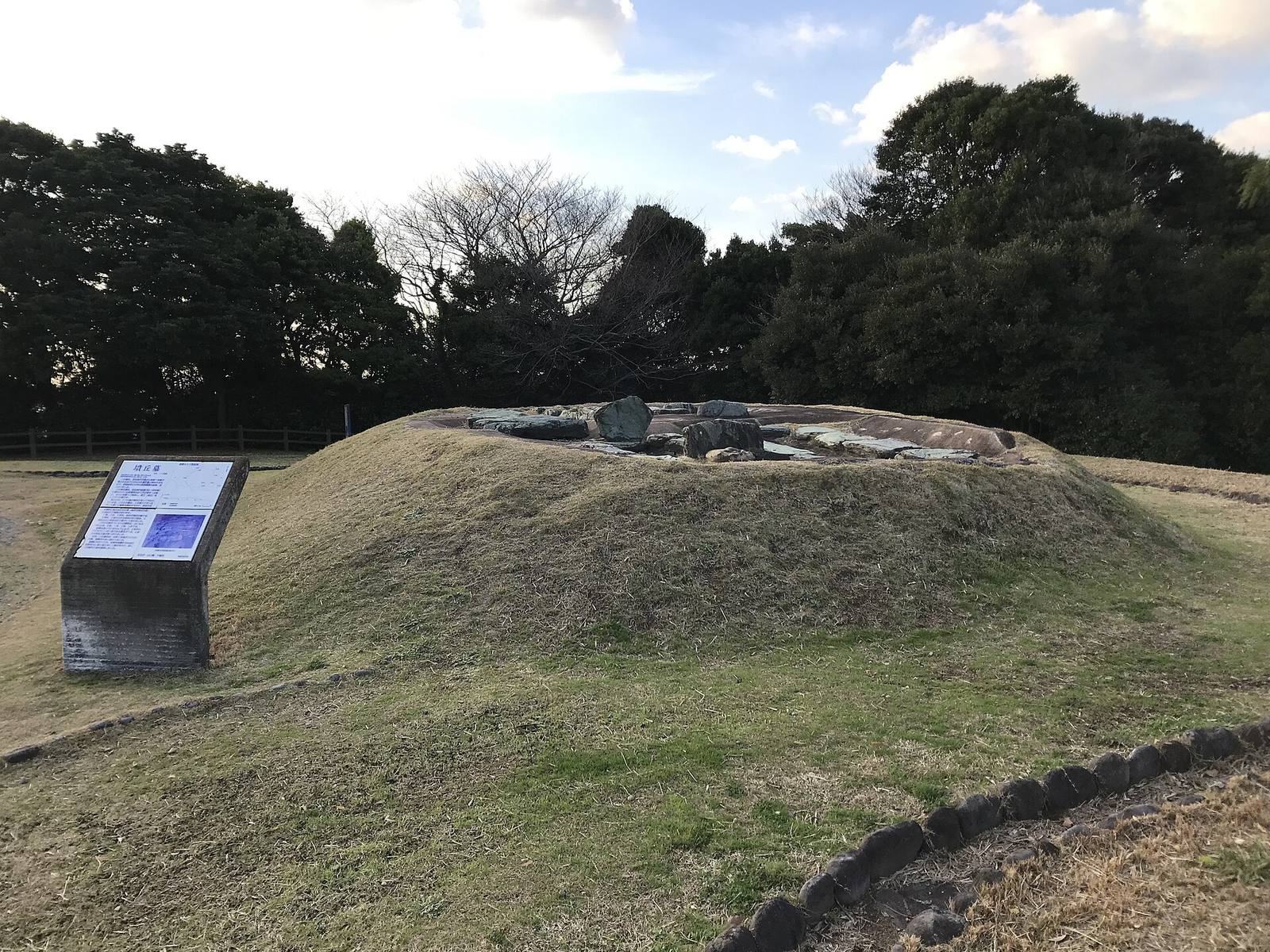
Remains from the Kofun period on the plateau include a keyhole-shaped burial mound, formed from a circular section joined to a rectangular one, and stone sarcophagi, or stone coffins.
Relocated tomb
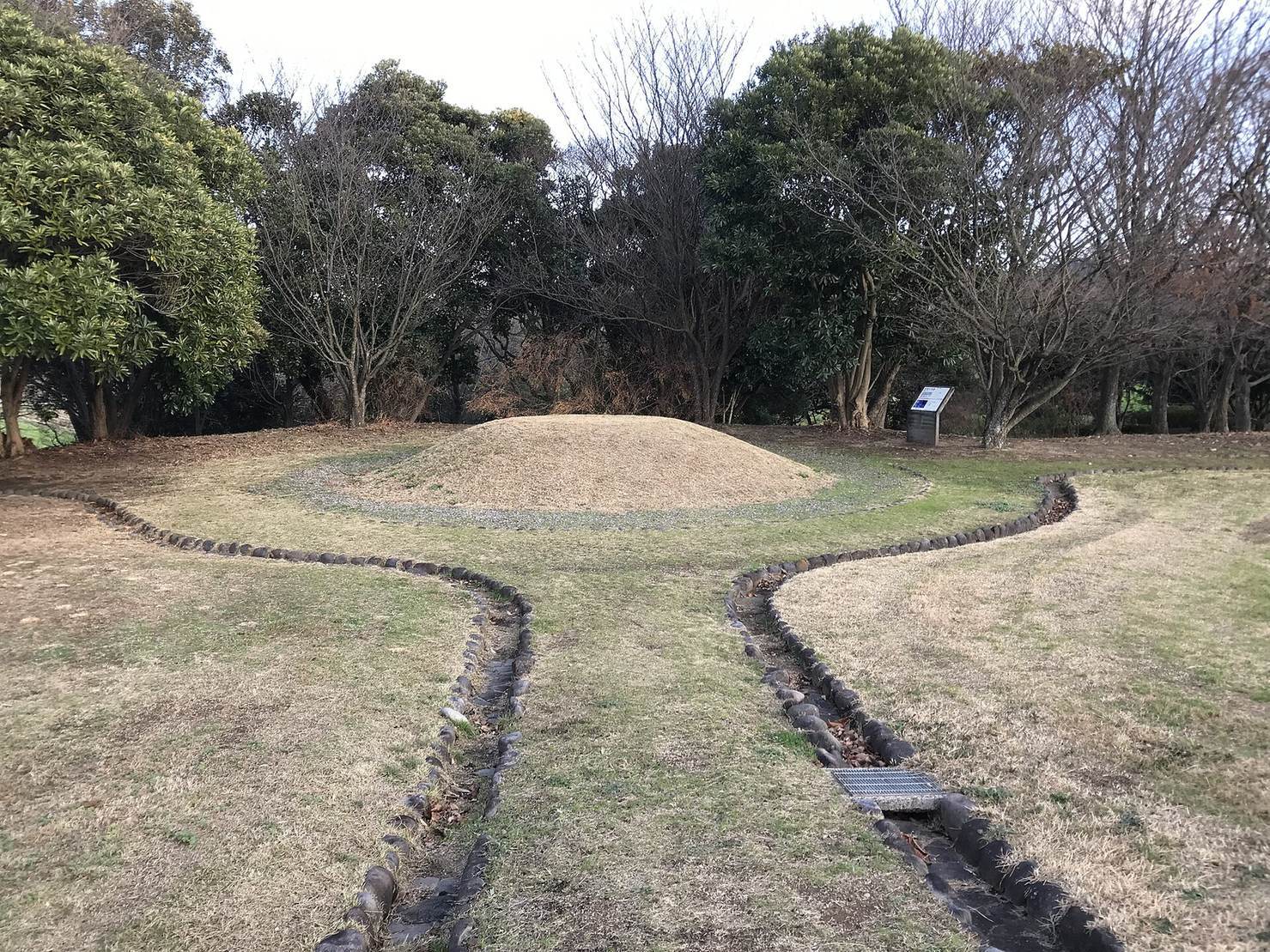
A separate circular tomb with a horizontal stone burial chamber was moved to the site from another location in Shimonoseki.
Reconstructed dwelling
A reconstructed Kofun-period pit dwelling, a house built partly below ground, is also associated with Ayaragigō.