Ayamezuka Kofun: A Fifth-Century Keyhole Burial Mound in Japan
Site at a Glance
- Rating
- 3.5
- Popularity
- Very Low
- Country
- Japan
- Primary era
- Classical
- External website
- Open
- Eras represented
- Classical
- Civilizations
- Unclassified
- Site type
- Burial
- Remains
- Burial Mound
On this page7 sections
History
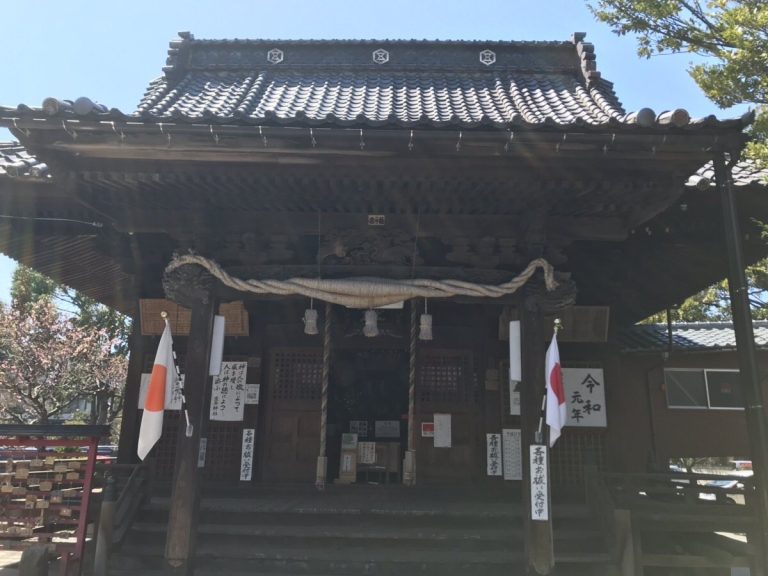
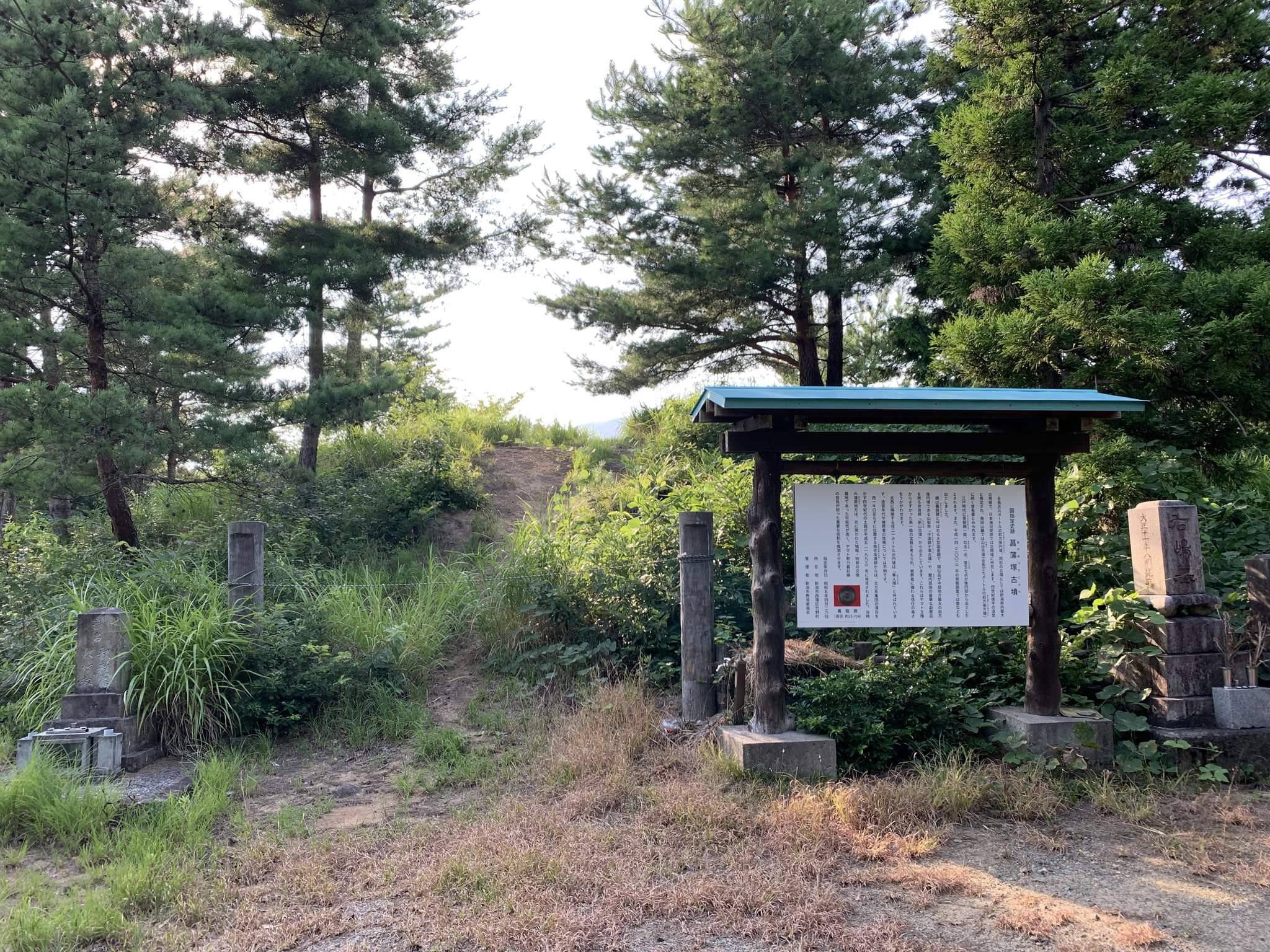
Ayamezuka Kofun is a fifth-century Japanese burial mound in Niigata, Japan, built during the Kofun period and shaped like a keyhole. It is regarded as the northernmost keyhole-shaped kofun on the Sea of Japan coast and received designation as a National Historic Site in 1930. The mound stands within the grounds of Kinsen-ji, a Buddhist temple, in an area traditionally called Koshiwa.
Origins and local traditions
The mound’s earliest known written mention appears in Hokuetsu Kidan, a work from 1812. The account says that the burial had been robbed and that a mirror was recovered. Local tradition identifies the person buried there as Ayame Gozen, who is said to have been the wife of Minamoto no Yorimasa, a warrior and poet of the late Heian period. This tradition gave the mound its name, Ayamezuka.
Ayamezuka Kofun forms part of a small group of remains on the same plateau. Nearby Hayatozuka Kofun is traditionally associated with Ino Hayata, Ayame Gozen’s retainer, and is thought to date from the same period. About 500 meters west, the Minami-Akasaka Site preserves traces of a settlement contemporary with the two mounds. Its chiefs may have been responsible for their construction.
Pottery from Minami-Akasaka includes Epi-Jomon-period vessels originating in Hokkaido or northern Tohoku. Their presence indicates either that people from northern Japan lived in the area or that the settlement maintained extensive contact with northern communities.
Later religious use and investigation
From the end of the Heian period, which lasted from the late eighth to the late twelfth century, through the Muromachi period from the fourteenth to the sixteenth century, the mound was reused as a sutra mound. Such a mound was a Buddhist deposit for scriptures or related objects, buried to support religious merit and preservation. Objects from this later use were collectively designated a National Important Cultural Property in 1962. Kinsen-ji owns them, and they are kept at the Niigata City History Museum.
The Maki Town Board of Education investigated Ayamezuka Kofun in 2002 and 2003 to establish its extent. The work showed that the mound had been constructed on a gently sloping plateau and encircled by a ditch. Soil taken from the ditch contributed to the mound’s construction, while alternating layers of different soils strengthened the embankment.
Remains
Mound and earthworks
Ayamezuka Kofun is a zenpo-koen-fun, the Japanese keyhole-shaped mound type that combines a rectangular front with a rounded rear. Its total length is 53 meters. The rear circular section measures 33 meters across and rises 3 meters high, while the front rectangular section is 18 meters wide and 2 meters high. The lower front section contrasts with the taller rear portion.
The mound occupies the tip of a plateau on the eastern foothills of Mount Kakuda, a 482-meter mountain, within the grounds of Kinsen-ji. A ditch follows its perimeter, and material removed from it was incorporated into the tumulus. Alternating layers of soils with different qualities reinforced the construction. Pottery fragments were found in the ditch during the 2002–2003 investigation.
Burial goods
The internal burial arrangement remains uncertain, although the burial may have used a wooden coffin placed directly in the ground. The ancient robbery left a small group of surviving or recorded objects. These include a bronze mirror decorated with dragons, 22.7 centimeters in diameter, one jade magatama, and seven jasper tubular beads. A magatama is a curved, comma-shaped bead used in prehistoric and early historic Japan, while tubular beads are cylindrical ornaments often placed among burial goods. Edo-period records also mention iron objects.
The dragon mirror is regarded as a locally made imitation of a Chinese mirror and is attributed to the early Kofun period. It is designated a Niigata Prefectural Tangible Cultural Property and is deposited on loan at the Tokyo National Museum.
Sutra-mound deposit
The later sutra mound produced a bronze sutra casket, two ceramic jars, five bronze mirrors including fragments, one qingbai small jar, and one qingbai lidded box. The associated designated finds also include the jade magatama and seven jasper tubular beads from Ayamezuka Kofun. Together, these objects reflect the mound’s later Buddhist use as well as the earlier burial tradition preserved within it.