Ayşekadın Mosque: An Ottoman Mosque in Edirne


Site at a Glance
- Rating
- 4.6
- Popularity
- Low
- Country
- Turkey
- Primary era
- Medieval
- External website
- Open
- Eras represented
- Medieval, Early Modern
- Civilizations
- Ottoman
- Site type
- Religious
- Remains
- Mosque
On this page6 sections
History
Ayşekadın Mosque is an Ottoman mosque in Edirne, Turkey, completed in 1468 in the architectural tradition of the Ottoman Empire. Its foundation is traditionally attributed to Ayşe Hatun, the daughter of Sultan Mehmed I, and the district around the mosque takes its name from her. Ayşe Hatun also financed the construction of numerous shops and baths, linking the mosque to a wider program of urban patronage.
Foundation and attribution
The mosque’s builder is not identified by an inscription on the building. An information plaque prepared by Turkey’s Directorate of Foundations, the public institution responsible for historic religious endowments and their properties, gives a fourteenth-century date and names a benefactor called Ayşe Kadın. The historically accepted construction date, however, is 1468, and Ayşe Hatun is regarded as the founder.
Damage and restoration
A severe earthquake struck Edirne in July 1752, destroying the mosque’s dome and minaret. The building then received its most important restoration, described as the first major restoration since its foundation, reportedly under the Izmir Regional Directorate of Foundations. The minaret suffered further damage when lightning struck it in 1889. Ayşekadın Mosque remains an active Sunni place of worship.
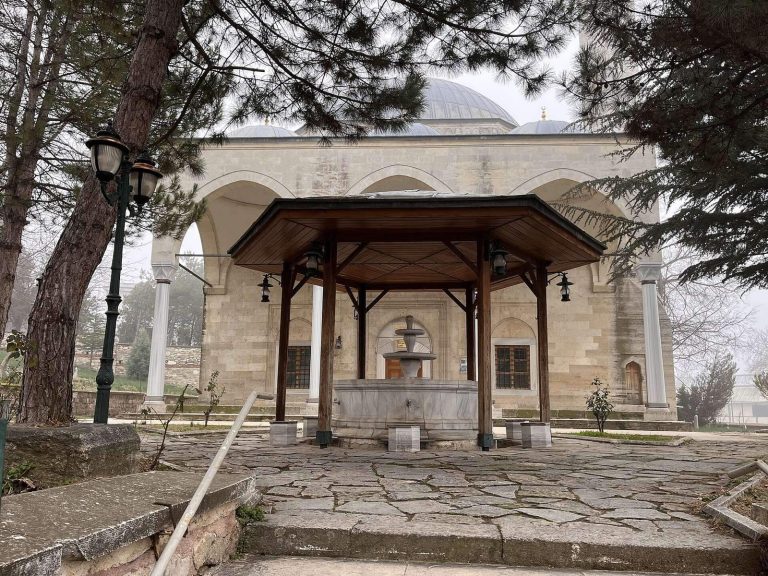
The mosque also preserves evidence of later charitable additions. Ablution taps beside the building were installed in 1647 at the expense of Hacı Musli, approximately eighty years after the mosque opened.
Remains
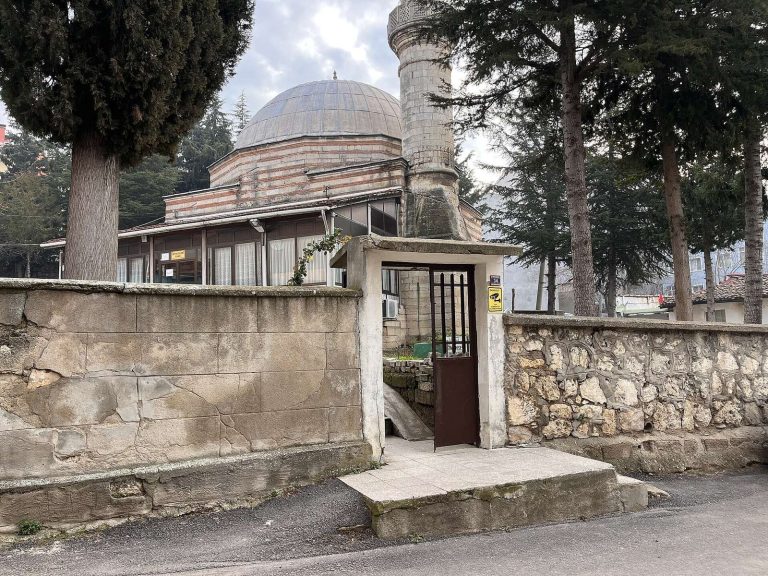
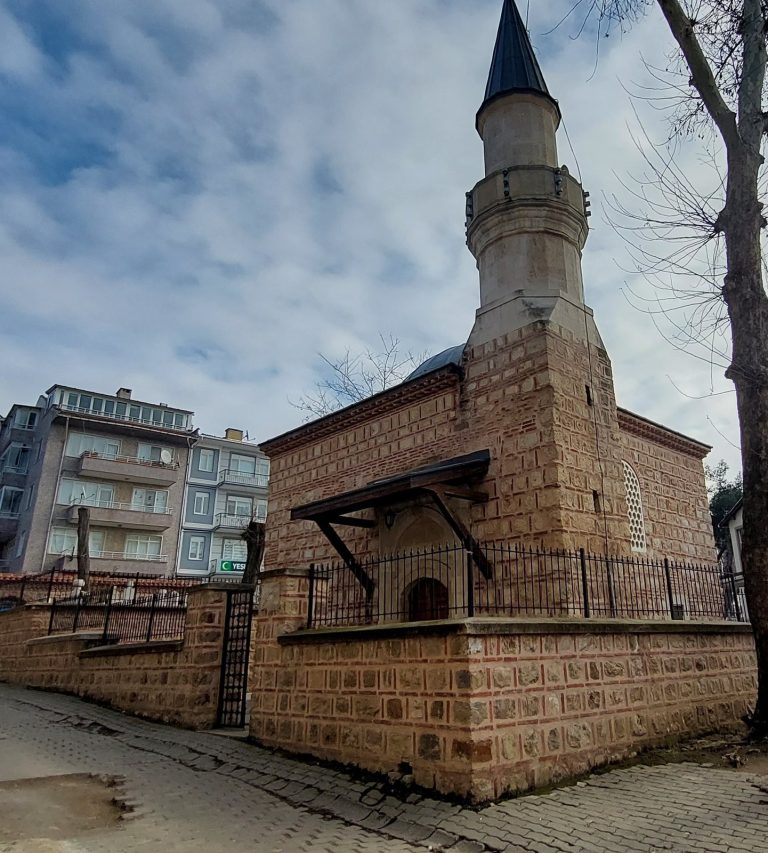
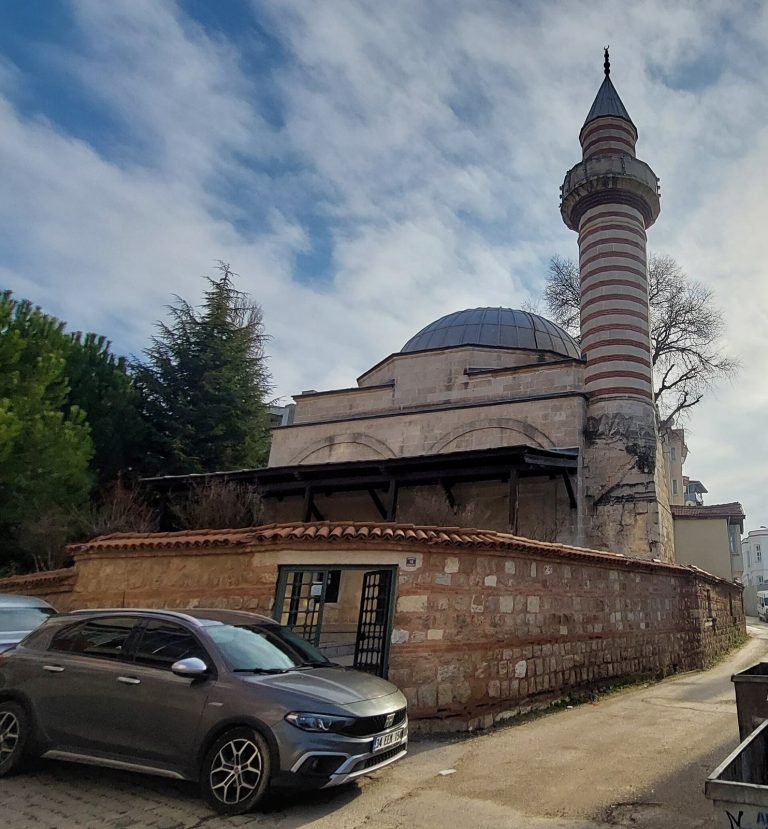
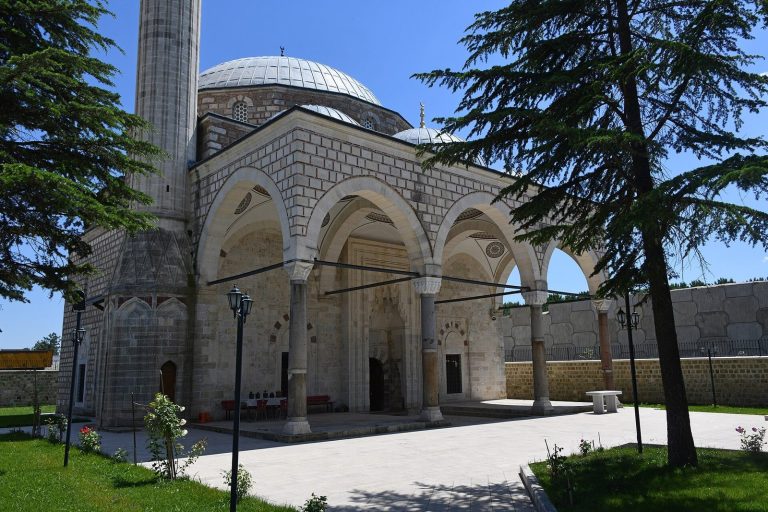
Ayşekadın Mosque has a square plan constructed entirely from cut stone, with a single domed prayer hall and one minaret. Its workmanship is noted for its quality, while the sloping roof of the entrance porch gives the approach a distinctive profile. The surviving arrangement brings together the principal worship space, the entrance porch, and the minaret within a compact Ottoman religious building.
Structure and exterior
The prayer hall, or harim, is covered by a dome carried on an octagonal drum. The octagonal support has attracted architectural criticism because it is considered somewhat at odds with classical architectural principles and to lessen the building’s visual effect. The dome and minaret also embody the building’s history of repair following the earthquake and later lightning damage.
Interior and furnishings
Carved trompes, concave surfaces that help transfer a square or polygonal space into a dome, are prominent beneath the dome. The dome carries varied ornament made from natural grasses and painted with egg-white paint. Fine carving survives in the wooden elements and in the minbar, the elevated pulpit used for the Friday sermon. A wooden clock measuring 2.5 metres, reportedly made about 450 years ago, is said to remain in the mosque and still function.