Şeyh Çelebi Mosque: An Ottoman Mosque in Edirne

Site at a Glance
- Rating
- 4.7
- Popularity
- Very Low
- Country
- Turkey
- Primary era
- Early Modern
- External website
- Open
- Eras represented
- Early Modern
- Civilizations
- Ottoman
- Site type
- Religious
- Remains
- Mosque
On this page9 sections
History
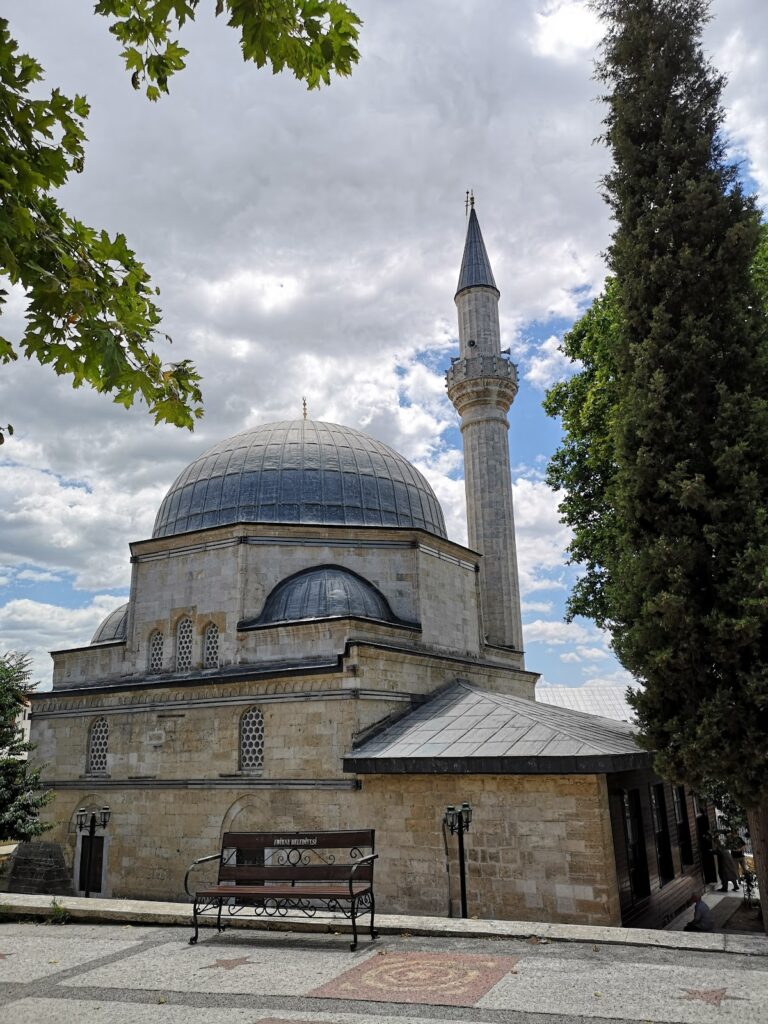
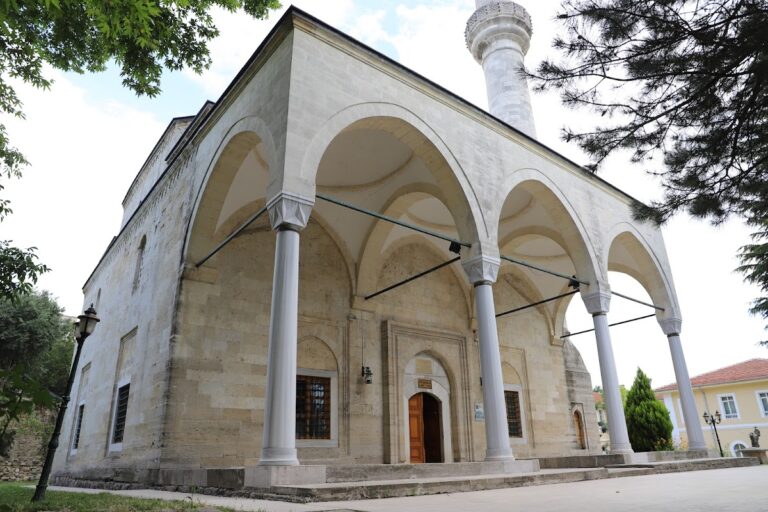
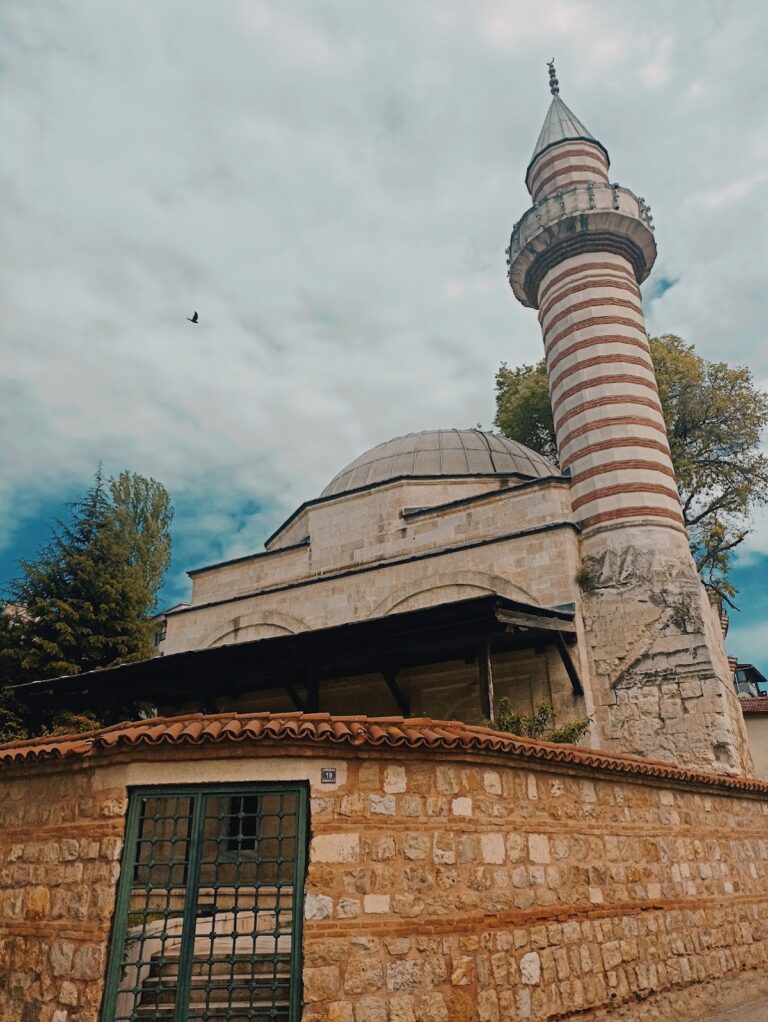
Şeyh Çelebi Mosque is an Ottoman-period Sunni mosque in Edirne, Türkiye, probably built toward the end of the sixteenth century in the Ottoman architectural tradition. Şeyhi Çelebi, the son of Kadı Bedrettin Mahmut Efendi, commissioned the mosque, and Mimar Sinan constructed it after completing the Selimiye Mosque.
Ottoman Foundation
The exact construction date remains uncertain. The year 1574 appears in a work by Rıfat Osman, while comparison with the construction of Kadı Bedrettin Mosque in the 1540s has led to the conclusion that Şeyh Çelebi Mosque was probably erected later in the sixteenth century. Its continued function as an active place of worship preserves the religious purpose for which it was established.
Wartime Damage and Later Change
The mosque’s minaret was destroyed after a cannonball struck it during the Balkan Wars. A madrasa, an Islamic institution for religious and scholarly education, once stood beside the mosque, but the section near the building was destroyed during the 1894 occupation.
Remains
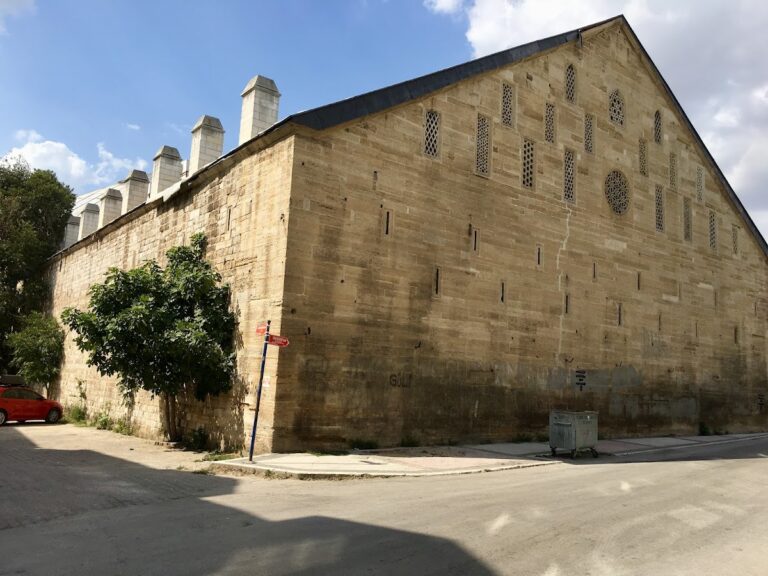
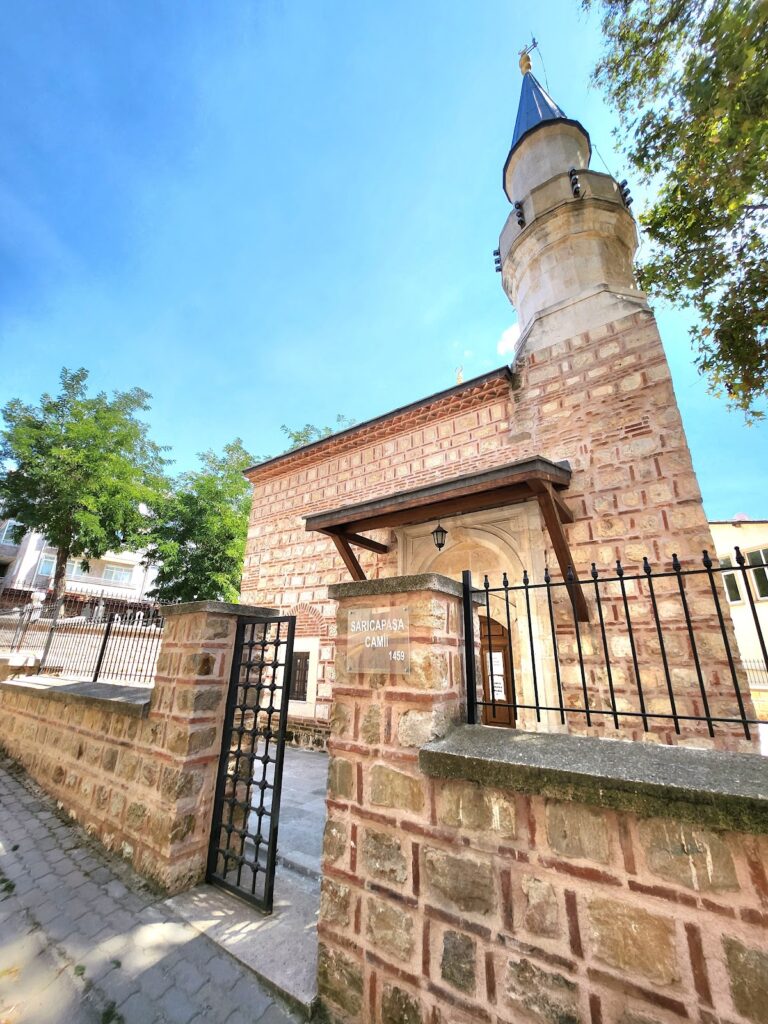
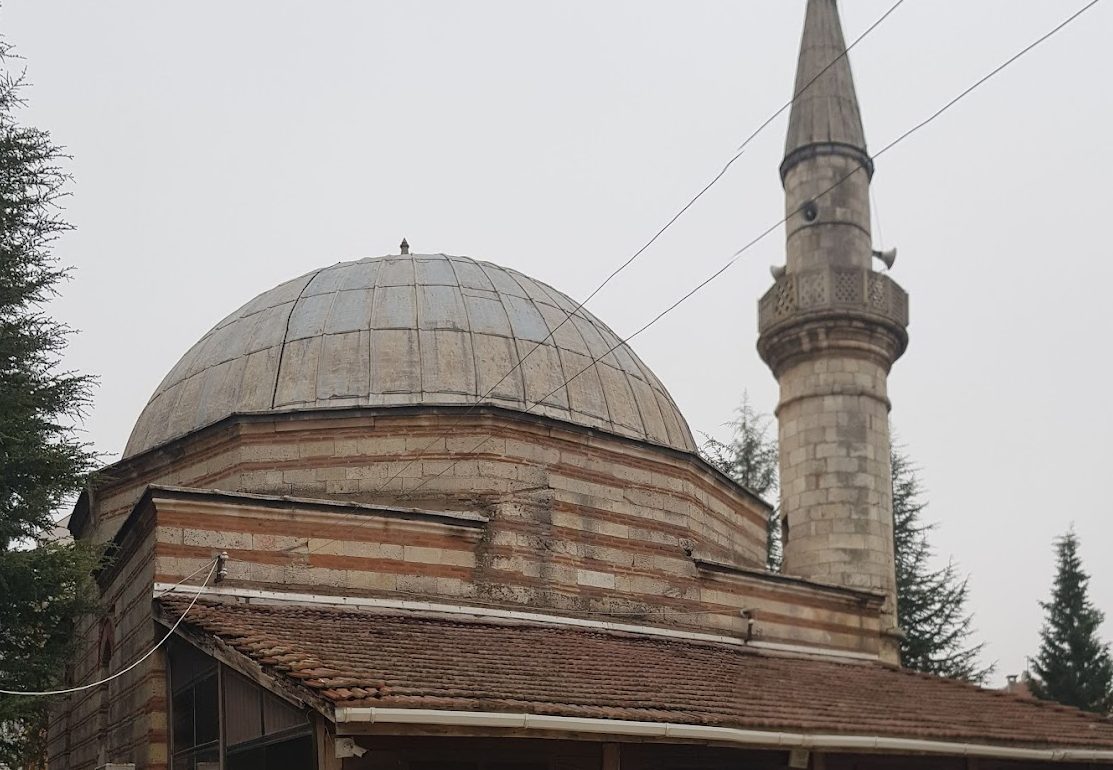
Şeyh Çelebi Mosque has a square plan and is built with cut stone and brick arranged in alternating bands of mixed masonry. This combination gives the surviving structure a clear expression of Ottoman building practice. The mosque remains an active religious building, while the adjoining madrasa survives only in the context of its former relationship to the mosque.
Prayer Hall and Minaret
Square Mosque
The main building is organized on a square plan and uses alternating cut stone and brick masonry. Its form belongs to Ottoman architectural design and reflects the mosque’s late-sixteenth-century construction. The building continues to serve religious use.
Destroyed Minaret
A minaret belonged to the mosque, but it was destroyed when a cannonball struck it during the Balkan Wars. Its loss is part of the building’s surviving physical history.
Former Madrasa
Adjoining Educational Institution
A madrasa formerly stood beside the mosque. The portion near the mosque was destroyed in 1894, leaving the mosque as the principal surviving structure of this religious and educational setting.