Avranlo Fortress: An Ancient Stone Fortification in Georgia
Site at a Glance
- Country
- Georgia
- Primary era
- Classical
- Eras represented
- Classical, Medieval
- Civilizations
- Unclassified
- Site type
- Military
- Remains
- Fort
On this page16 sections
History
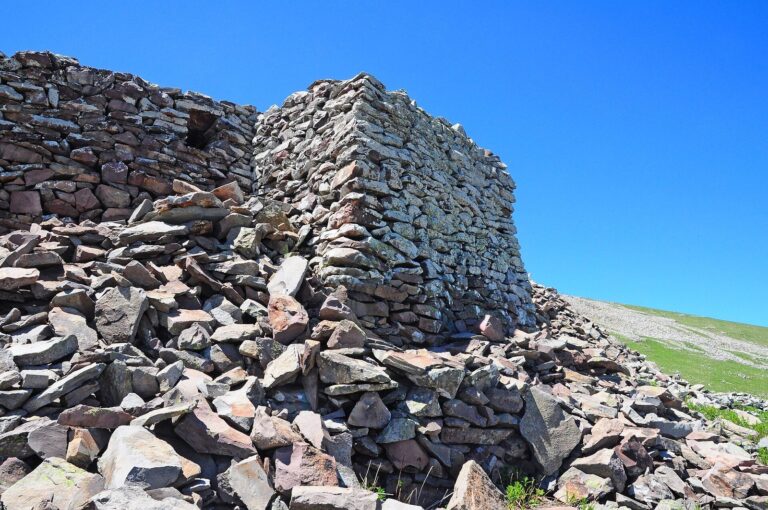
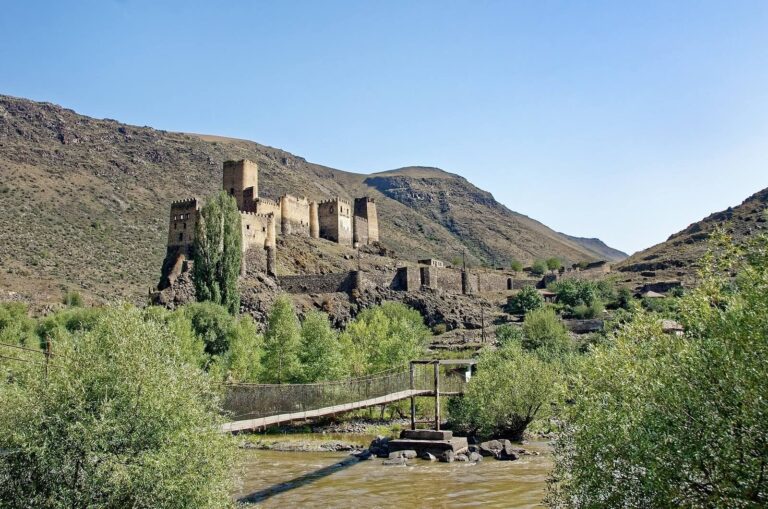
Avranlo Fortress is a fortification in Georgia, dated to the last quarter of the first millennium BC and built from very large stones set without mortar.
Ancient activity
The area around a fortified complex associated with the Kura-Araxes culture developed intensively until the end of the second millennium BC. This archaeological culture is identified across parts of the South Caucasus and neighboring regions.
Medieval and later history
A medieval Orthodox church is associated with the group known as Abibos Monastery. Abibos of Nekresi was a sixth-century Georgian bishop and Christian saint. The church has since been restored.
The Avranlo area was first recorded in 1691, during the reign of Heraclius I, ruler of Kakheti, a historical kingdom in eastern Georgia. In 1828–29, Greeks forcibly displaced by the Ottomans to the region used the name Avranlo, meaning Universe.
Georgia added the fortress to its list of Immovable Cultural Monuments of National Significance in 2007. A multi-year archaeological research and conservation project that included Avranlo began in September 2019.
Remains
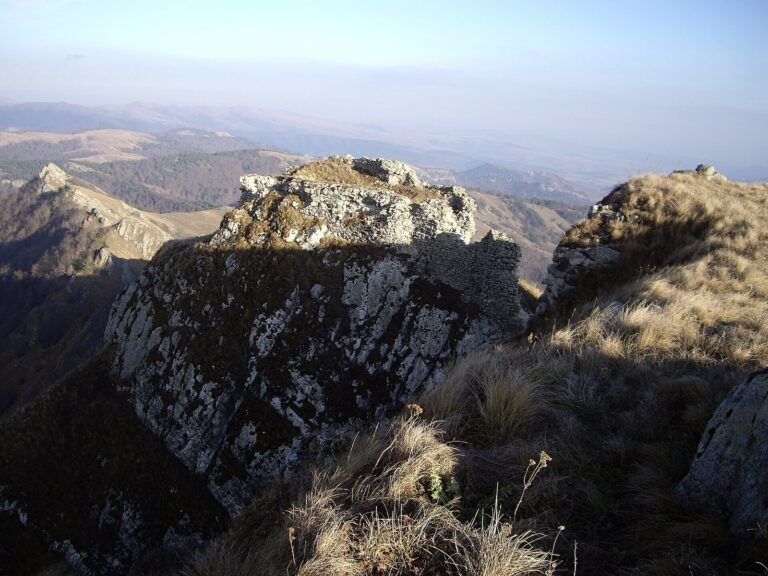
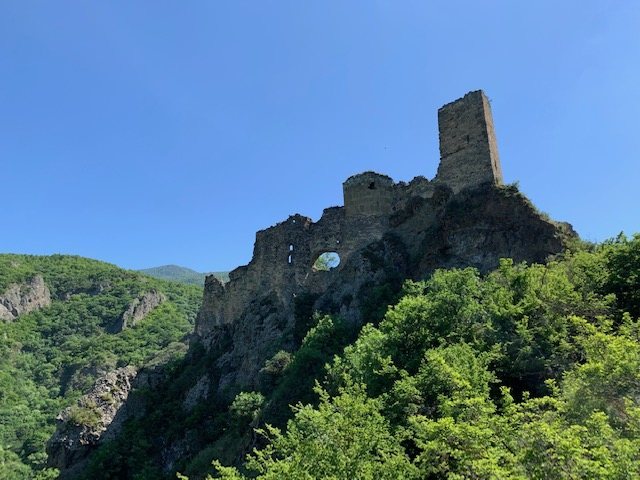
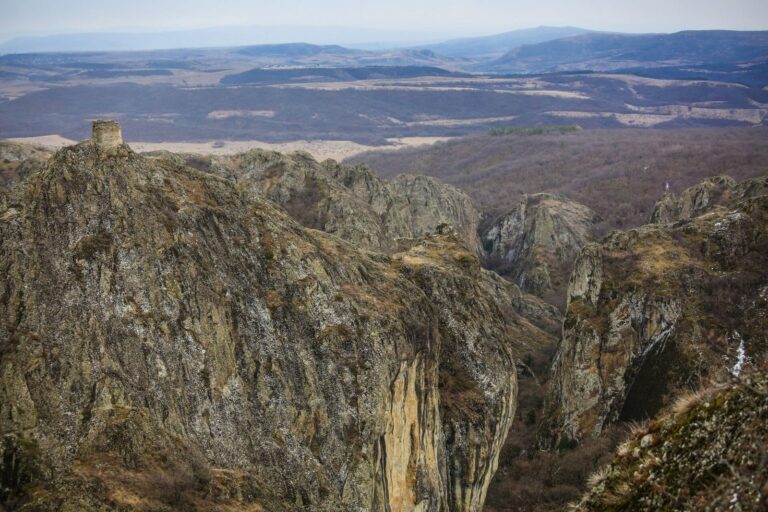
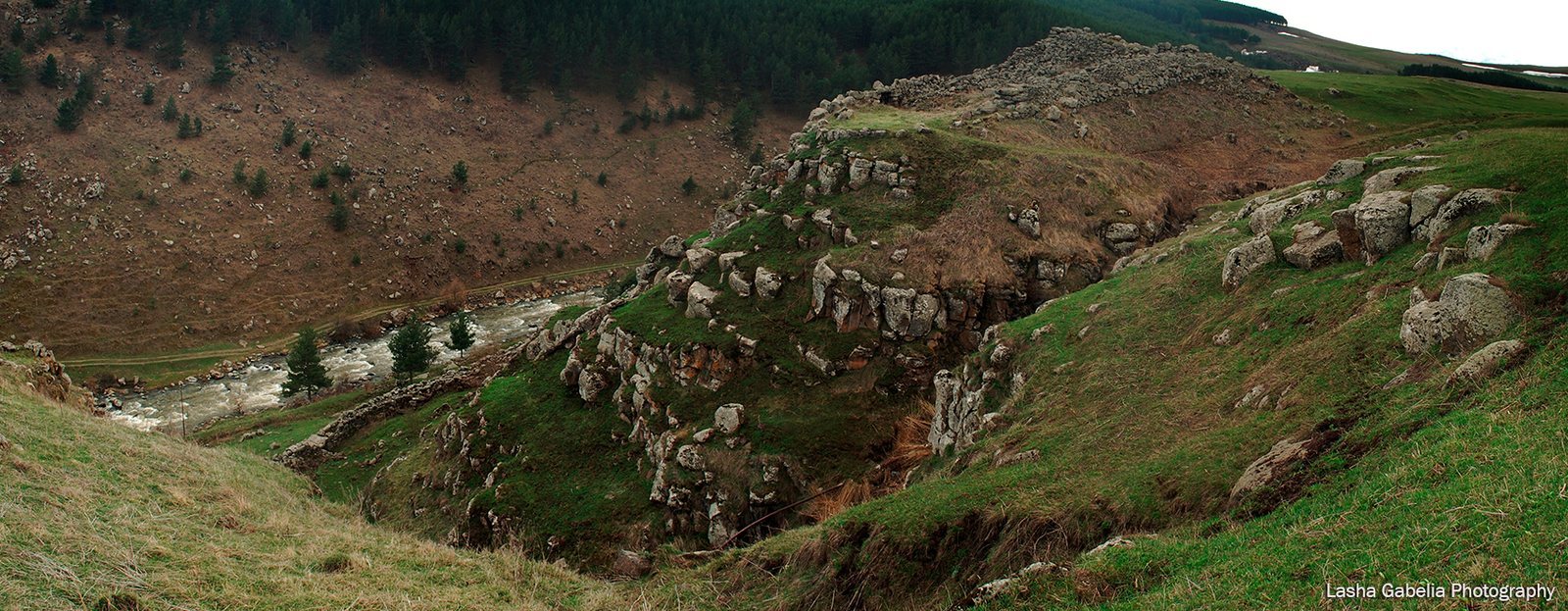
The complex occupies three terraces overlooking the Ktsia River canyon, about 0.5 km northwest of Avranlo village on the river’s left bank, at an elevation of 1,640 m. Its walls use dry-stone construction, with large stones, including flat slabs.
Terraced fortification
Lower terrace wall and gate
At the foot of the mountain, a semicircular wall extends for about 80 m. It reaches around 3 m in height in places and is 4.5 m thick. The single gate is 1.9 m high and 1.75 m wide, with a single stone measuring 2.2 by 1.8 m spanning its top. Large stones are scattered around the structure. The northwestern wall has angled supports at its corners and midpoint, while another survives low on the northeastern wall.
Residential buildings
Ruins of residential buildings lie inside the fortress.
Second terrace
This terrace contains building remains within a rectangular enclosure several metres in length and breadth. It was intended for cultivation. Large rocks and dry-stone construction also characterize this terrace and the one above it, where the stones have an unusual arrangement.
Summit enclosure
The uppermost terrace occupies the mountain summit. Its rectangular enclosure measures 25 by 18 m, with walls 3–4 m thick. The structure is heavily damaged, and many sections have been destroyed.
Religious buildings
Abibos Monastery
Between the lowest terrace wall and the mountain are a small medieval Orthodox church and several caves, collectively associated with Abibos Monastery. The church adjoins one cave on its northern side.
Riverside church
A separate enclosure on the first terrace, beside the river at the steep foot of the cliff, contains a medieval church.
Archaeological remains
Northern settlement and burial ground
Excavations in 2006 north of the fortress revealed a settlement of the Kura-Araxes type and a nearby necropolis, or burial ground, dating to the 12th–11th centuries BC.
Palace
A palace found around the complex dates to the Late Bronze and Early Iron Age, successive archaeological periods.
Artifacts and pottery
Investigations in 1998 on the eastern edge of the Tsalka Plateau, northwest of Avranlo, recovered Paleolithic and Bronze Age artifacts. Excavations at Avranlo also yielded Paleolithic, Mesolithic, and Neolithic artifacts. Pottery fragments from several periods have been found in the surrounding area.