Attendolo Bolognini Castle: A Historic House Museum in Italy


Site at a Glance
- Rating
- 4.4
- Popularity
- Low
- Country
- Italy
- Primary era
- Medieval
- External website
- Open
- Eras represented
- Medieval
- Civilizations
- Holy Roman Empire
- Site type
- Domestic
- Remains
- Castle
On this page10 sections
History
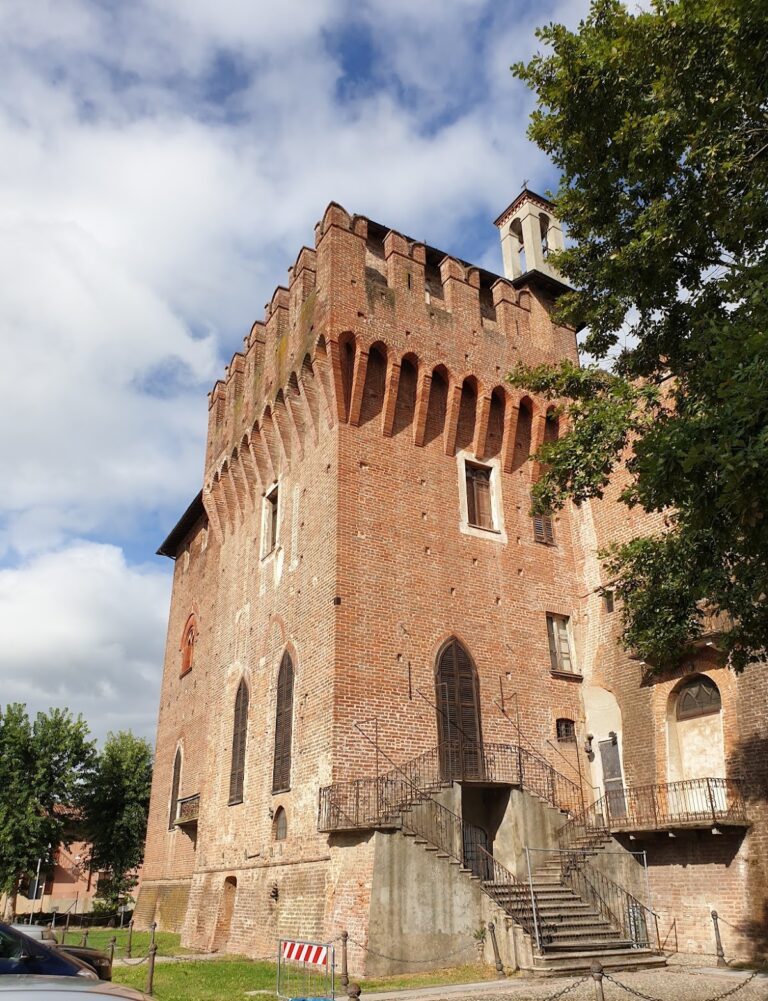
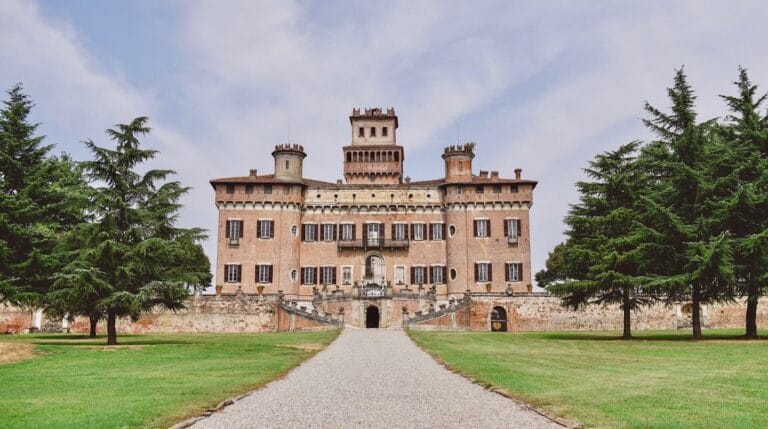
Attendolo Bolognini Castle is a medieval castle in Sant’Angelo Lodigiano, Italy, built in the thirteenth century as a military outpost of the Lordship of Milan. It may have developed from an earlier Roman castrum, a fortified settlement or military camp, and became involved in conflicts among Milan, Pavia, and Lodi.
From military outpost to residence
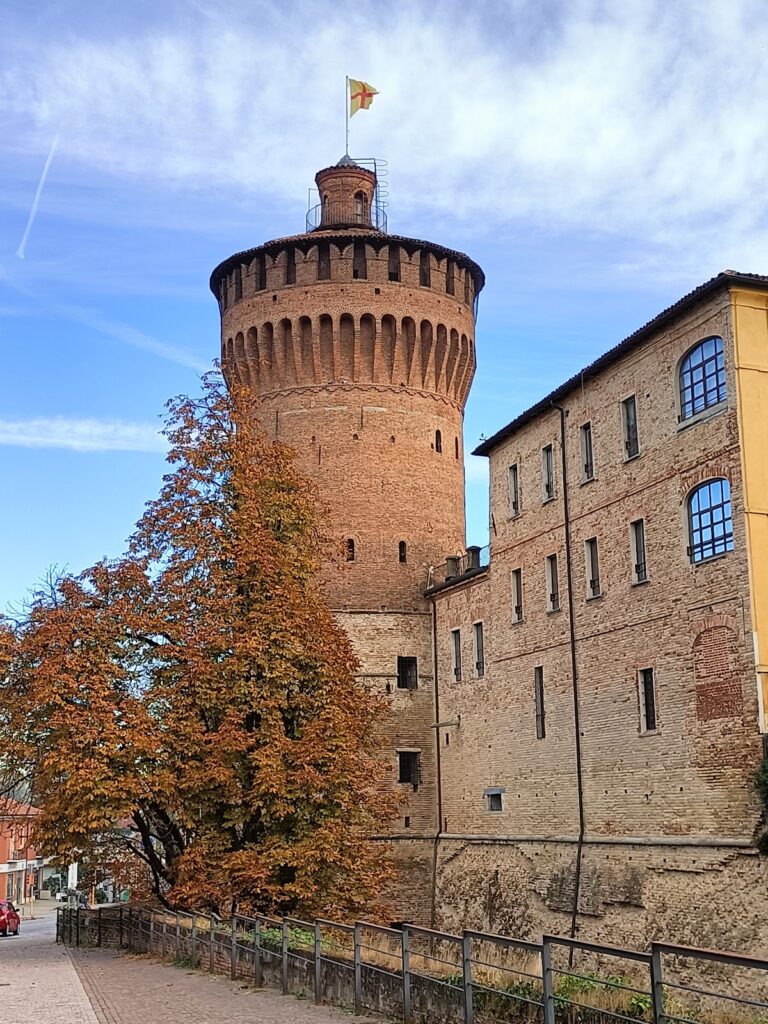
The castle first belonged to the Bishop of Lodi before changing function in the fourteenth century. Regina della Scala, a noblewoman of the della Scala family and the wife of Bernabò Visconti, enlarged it in 1370 and transformed it into a summer residence. Her work included the construction of the principal fortified tower, or keep, and the addition of windows with terracotta frames.
These changes took place during a period of political transition in Milan. Bernabò Visconti, a ruler of the Visconti lordship, lived through the transfer of power from the Visconti family to the Sforza family. Francesco Sforza, founder of Sforza rule in Milan, later gave the castle to the Bolognini family.
Restoration and museum use
Gian Giacomo Morando Bolognini restored the castle at the beginning of the twentieth century. In 1933, his widow, Lydia Caprara Morando Bolognini, adapted the building to house the Morando Bolognini Foundation and its museums. The castle is recognized as Italian national heritage and now functions as a house museum with three museum collections.
Remains
Castle fabric and historic interiors
Keep and terracotta-framed windows
The enlargement carried out in 1370 included the keep, the castle’s principal fortified tower, together with windows framed in terracotta. These elements belong to the building’s transformation from a military outpost into a residential complex.
Morando Bolognini Museum
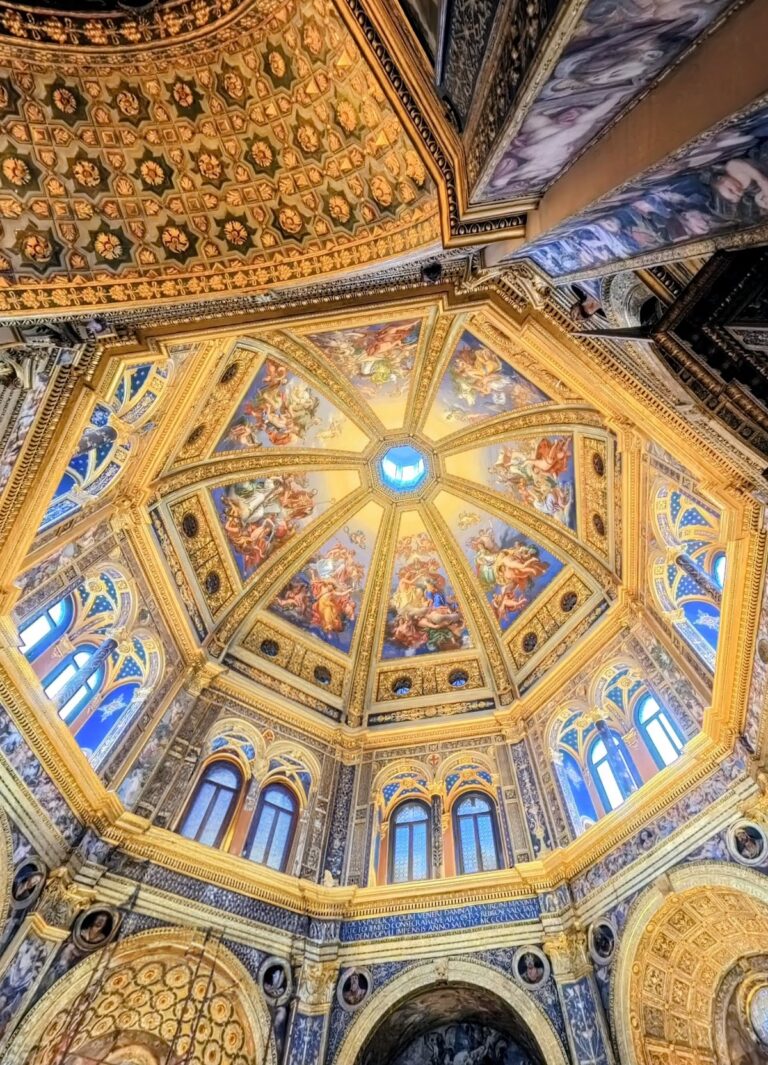
The Morando Bolognini Museum occupies 24 rooms arranged as a historic house museum. Its interiors contain traditional furnishings dating from the eighteenth to the twentieth century, along with material relating to the history of the fief and its inhabitants. The castle also contains a library of approximately 2,000 volumes and an armory with about 500 pieces.
Museum areas and collections
Bread Museum
The Bread Museum is arranged in five thematic rooms. Its displays cover cereals, the process of making bread from wheat cultivation onward, types of bread from Italian regions and other countries, machinery used in production, and the taxes, regulations, and government provisions that governed breadmaking.
Lombard Museum of Agricultural History
The Lombard Museum of Agricultural History occupies the former manor stables, basement areas, and external courtyards. Its presentation follows agricultural history from 10,000 BC through the Industrial Revolutions, with emphasis on products and technologies introduced through exploration of other continents. A section is devoted to the lower Po Valley.