Ås Abbey: A Cistercian Monastery in Sweden
Site at a Glance
- Popularity
- Medium
- Country
- Sweden
- Primary era
- Medieval
- Eras represented
- Medieval
- Civilizations
- Danish
- Site type
- Religious
- Remains
- Monastery
On this page8 sections
History
Foundation and growth
Ås Abbey was a Cistercian monastery in Halland, now part of Sweden. When it was founded, Halland belonged to Denmark. The Cistercians were a monastic order that developed from the Benedictine tradition. A decision to establish the abbey was made in 1192, and Danish monks from Sorø Abbey arrived in 1194. Its foundation is dated to 1 May 1194.
Founded from Sorø, Ås belonged to the Clairvaux lineage, a network of monasteries connected to the major Cistercian abbey of Clairvaux. It came under the church jurisdiction of the bishop of Lund. With support from Danish royalty and church authorities, Ås became the first monastery in Halland and later the largest and wealthiest there. King Valdemar II granted it tax income from the Viske district, a local administrative area, and a royal farm at Ås. Valdemar Knutsen, then archbishop of Bremen, also protected the abbey.
At its height in the fourteenth century, 252 farms depended on the monastery; its holdings eventually included about 250 farms and estates. Ås also served as a burial place, including for two or three young children of King Magnus Eriksson and Queen Blanka of Namur.
Destruction and rediscovery
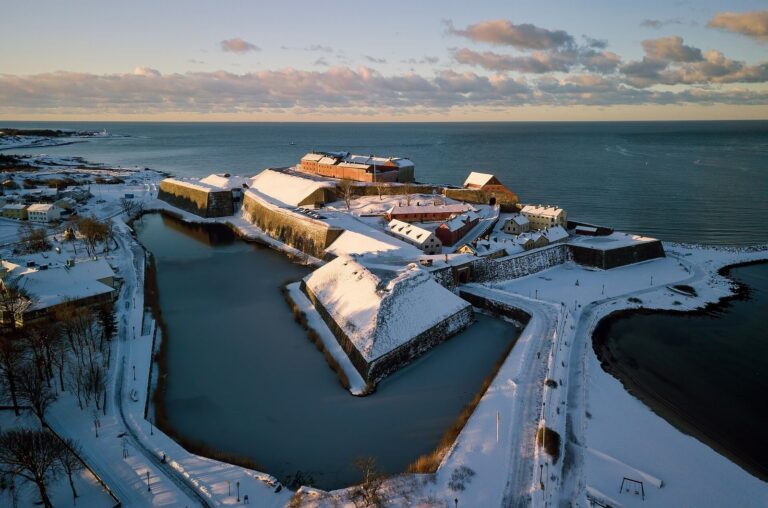
The abbey closed during the Protestant Reformation and was destroyed in 1535 during the Count’s Feud, a Danish civil conflict of the sixteenth century. Its buildings were dismantled down to their foundations, a process that continued into the early seventeenth century. Their bricks were reused to rebuild and enlarge Varberg Fortress.
For centuries, the abbey’s location remained uncertain, and local belief placed it north of Ås manor. Archaeological investigations eventually located it south of the manor, within its grounds. Surveys in 2009–2010 used ground-penetrating radar and laser measurements, followed by an excavation in 2011. The name Ås may refer to the elongated hill where the abbey stood, or to an older name for the river mouth. Its Latin name, Asylum, meaning religious sanctuary, may also have contributed to the Swedish name.
Remains
Buried abbey and manor grounds
Setting and site footprint
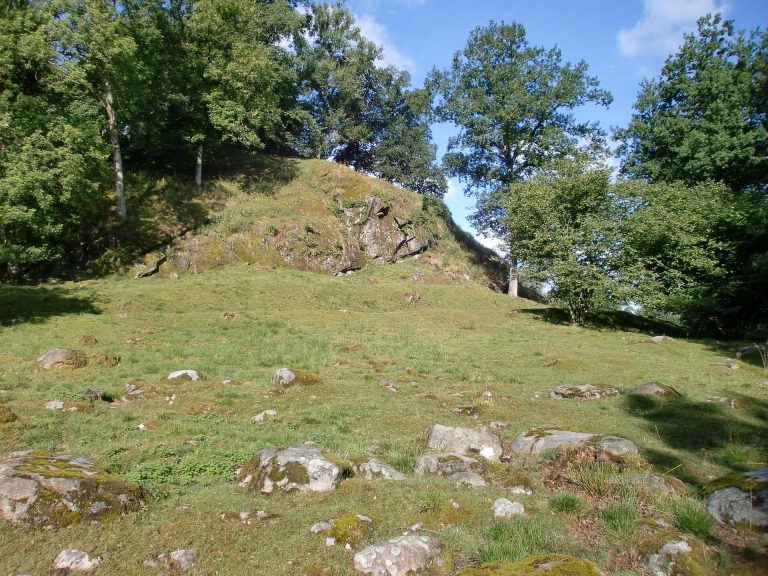
The abbey stood near the southern bank of the Viskan’s mouth, close to its outlet into the Kattegat. It was built on a sandy moraine hill, a rise of sediment deposited by a glacier, to avoid flooding. This elevated setting was unusual for a medieval Cistercian monastery; a higher river level in the Middle Ages may explain the choice. The remains lie beneath the grounds of Åsklosters manor, where two ruin mounds mark the site.
Church and excavated remains
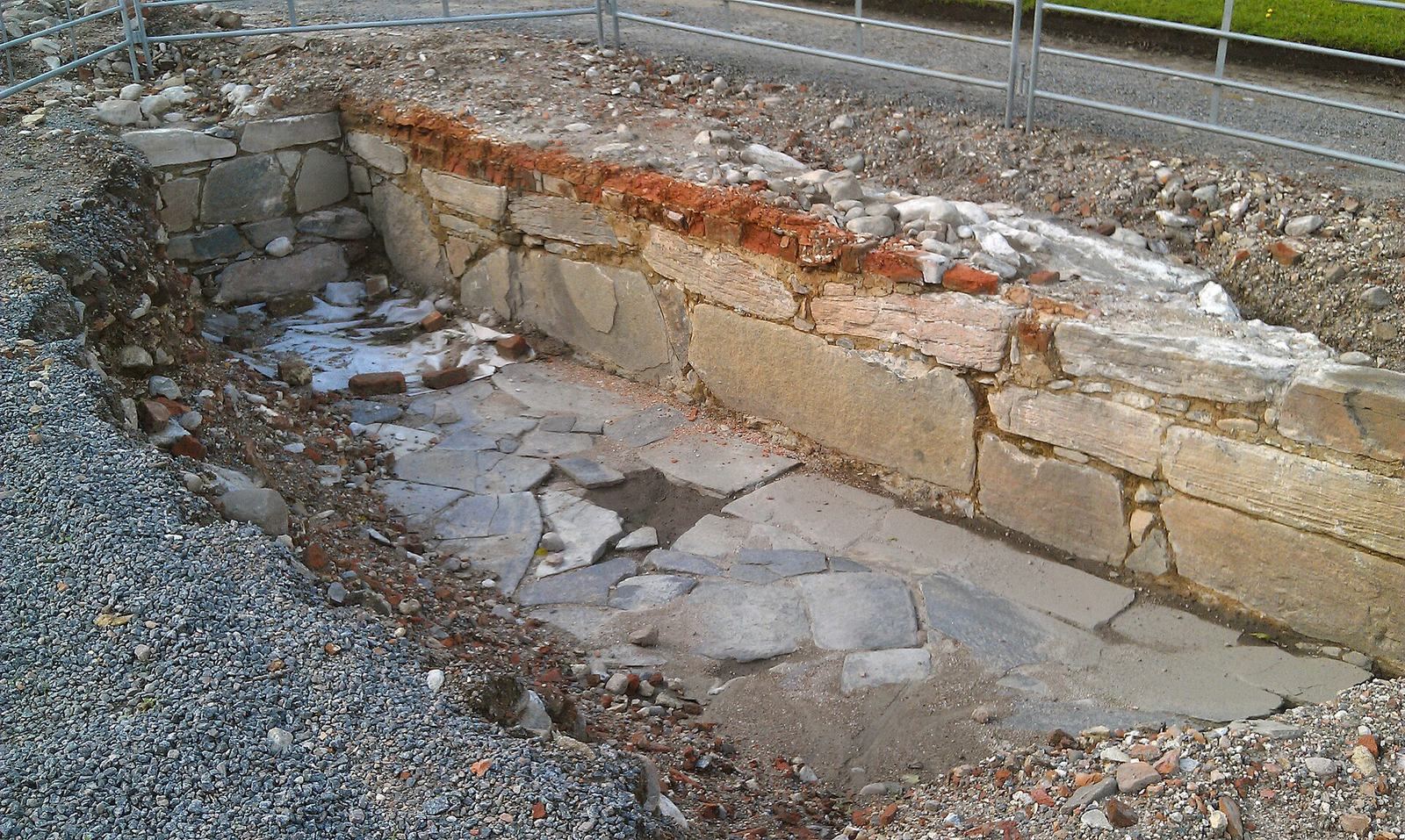
The abbey church, rebuilt in the fourteenth century, measured 42 metres long and 22 metres wide. Ground-penetrating radar and laser measurements revealed buried walls and the entrance gate. Excavations uncovered part of the eastern range and an extension dating to the thirteenth or fourteenth century. Work in the abbey’s southeastern section also exposed a room with a stone floor.
The manor house
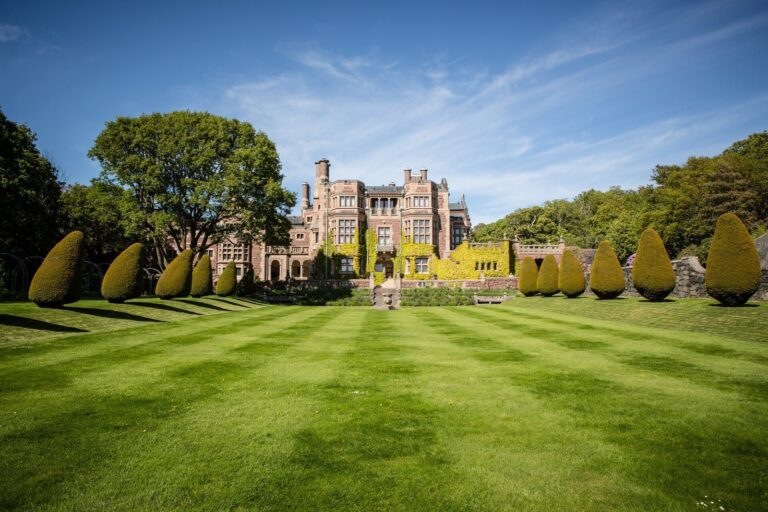
The manor house above the abbey site was built between 1806 and 1813, following plans originally drawn by a Swedish architect.