Areni-1 Winery: A Late Chalcolithic Wine-Production Site in Armenia
Site at a Glance
- Popularity
- Very High
- Country
- Armenia
- Primary era
- Stone Age
- Eras represented
- Stone Age
- Civilizations
- Unclassified
- Site type
- Economic
- Remains
- Production Complex
On this page11 sections
History
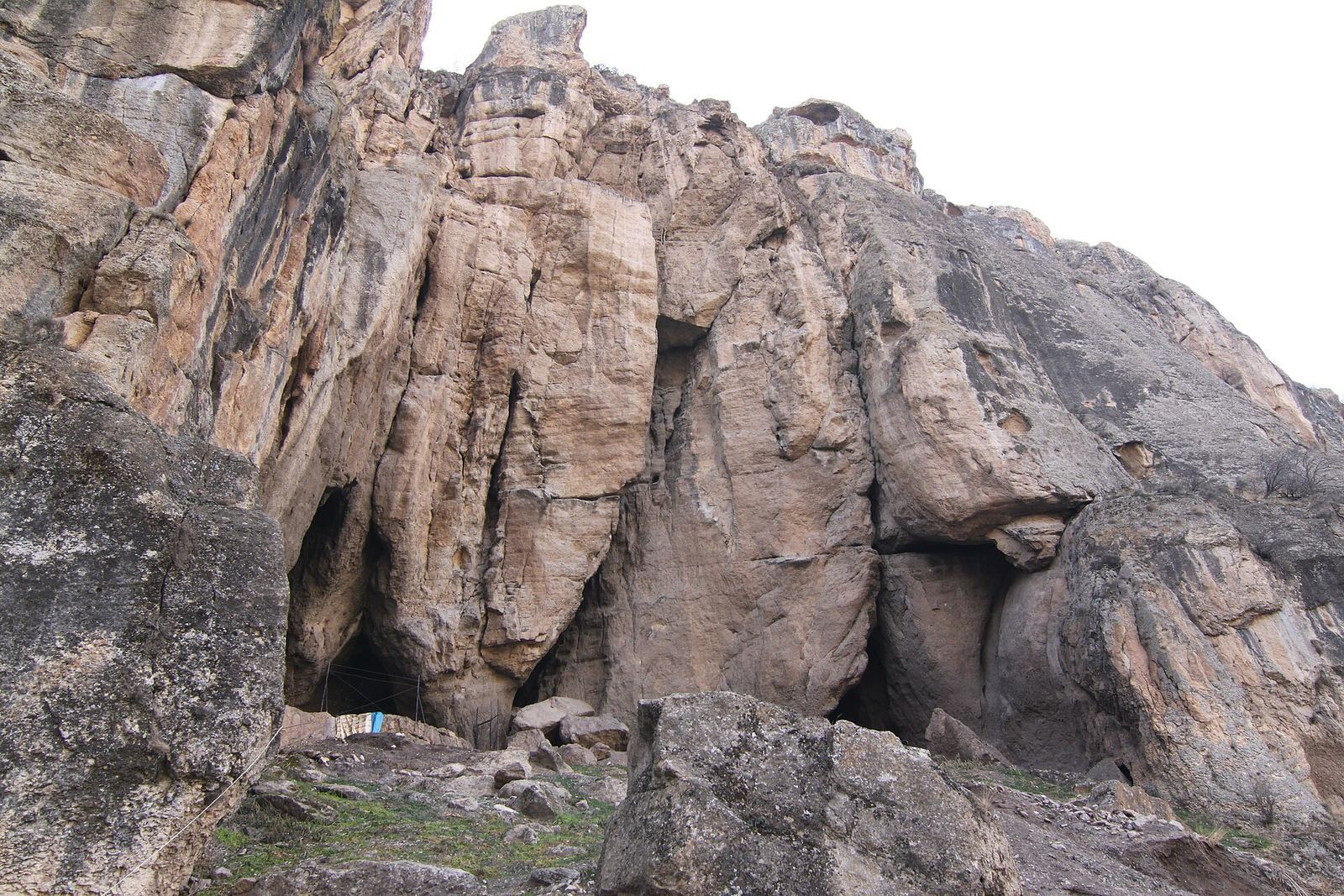
Areni-1 winery is an ancient wine-production installation in the Areni-1 cave near the village of Areni, Armenia, dated to about 4100–4000 BC, during the Late Chalcolithic, the later part of the Copper Age before bronze became widespread. It is recognized as the world’s oldest known winery and is at least 1,000 years older than a winery discovered in the West Bank in 1963. Its builders have not been identified with certainty, though they may have been connected with the Kura-Araxes culture, a prehistoric culture of the South Caucasus and adjoining regions.
Production and abandonment
The winery provides evidence of early grape growing and wine production, including knowledge of vineyard management and fermentation. Its scale has been taken to suggest that grape domestication preceded the installation. The nearby burials and drinking cups have also led to the possibility that wine had a funerary or sacrificial role. The cave was abandoned after its roof collapsed.
Discovery and interpretation
The winery was discovered in 2007, and excavations continued until September 2010. Archaeologist Boris Gasparyan led the work, with Ron Pinhasi and Gregory Areshian as co-directors. In 2011, biochemical analysis confirmed wine production through residues found in the installation. Botanical and genetic analyses identified the grape remains as domesticated Vitis vinifera, a grapevine species that includes most cultivated wine grapes, while radiocarbon dating established the winery’s age. Research indicating that this grape species evolved in the Caucasus and Near East has further drawn attention to the region’s place in winemaking history. The cave also has recognition from UNESCO.
Remains
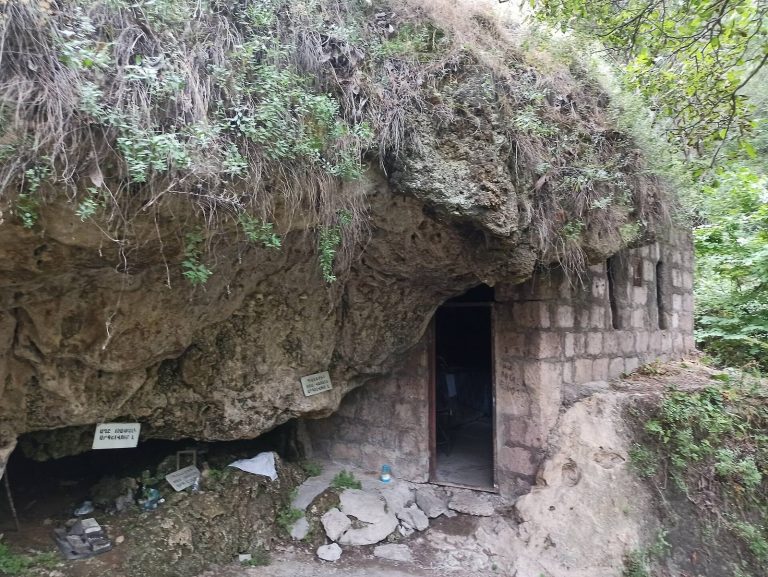
The winery occupied the first gallery of a three-chambered cave beside the Arpa River. The cave formed as water dissolved soluble rock, and its stable temperatures and low humidity helped preserve organic material. A layer of sheep dung covering that material inhibited fungal growth.
Winemaking equipment
Press and fermentation vat
A clay basin about one metre long served as a wine press. Grapes were crushed by foot, and their juice drained into a fermentation vat roughly 60 centimetres deep, with a capacity of about 65 litres. The basin bore a coating of malvidin, a pigment associated with red and purple coloration in grapes and wine; biochemical analysis also identified malvidin and other residues in the vat.
Storage jars
After fermentation, the wine was stored in large clay jars. Rows of earthen jars were buried as part of the installation, and tartaric acid residues were identified in jars from the cave.
Associated finds and burials
Plant remains and pottery workshop
Finds included grape seeds, pressed grape skins, dried vines, prunes, walnuts, and pottery fragments. A pottery workshop was also associated with the winery.
Burials and drinking cups
Burial places near the winery contained pots holding human skulls. One skull retained brain tissue, and drinking cups were found near the graves.
The Areni-1 shoe
A leather shoe dated to about 3600–3500 BC was found elsewhere in the same cave in 2008. Known as the Areni-1 shoe, it is recognized as the world’s oldest known leather shoe.