Kakinoshima Site: A Jōmon Settlement in Japan
Site at a Glance
- Rating
- 4.1
- Popularity
- Medium
- Country
- Japan
- Primary era
- Stone Age
- Eras represented
- Stone Age
- Civilizations
- Jomon
- Site type
- Settlement
- Remains
- Village
On this page12 sections
History
The Kakinoshima Site is a prehistoric settlement in Japan, occupied during the Jōmon period, a prehistoric era in the Japanese archipelago associated with pottery-making communities. Its remains span approximately 9,000 to 3,500 years ago, and it is described as the largest site of its period in Hokkaido.
Changing settlement and burial practices
Activity at Kakinoshima continued from the early through the late Jōmon period. The settlement’s remains reflect changes over time in how people lived and buried their dead. Kakinoshima B preserves early-period dwellings and burials, while Kakinoshima A includes early burial remains and settlements from the middle and late phases.
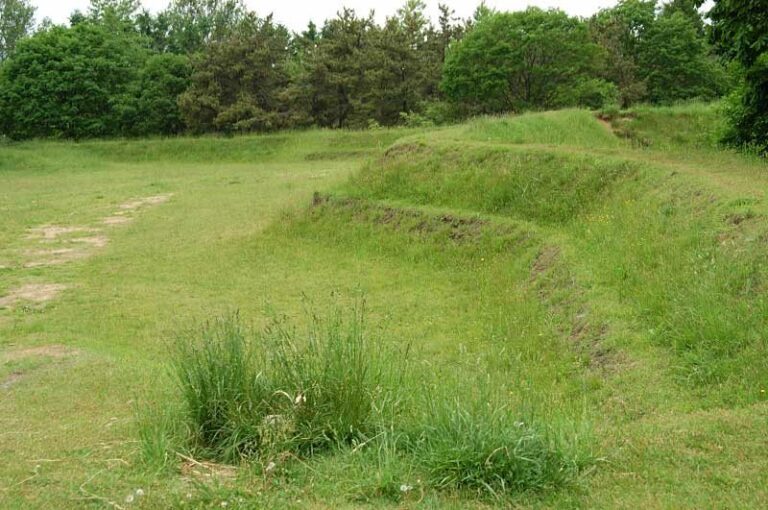
An eruption of Mount Komagatake disrupted settlement at the site. A large earthen mound built during the middle Jōmon period, about 4,000 years ago, also provides evidence of burial practices.
Discovery and recognition
Survey work identified the site in 2000. By July 2019, less than two percent of it had been excavated. In December 2002, a fire at the office of the team investigating buried cultural property damaged or destroyed some recovered objects.
Kakinoshima became a National Historic Site in 2011, a Japanese government designation for places of historical or archaeological importance. In 2021, it joined the Jōmon Prehistoric Sites in Northern Japan, inscribed on UNESCO’s World Heritage List, which recognizes properties of outstanding universal value.
Remains
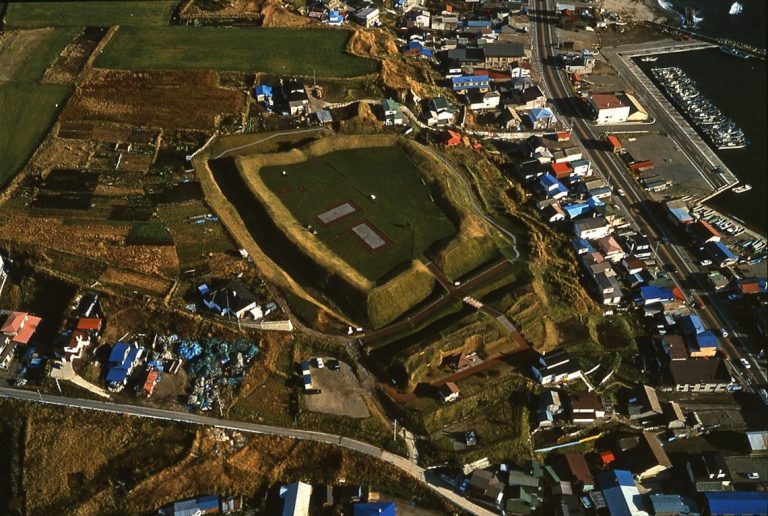
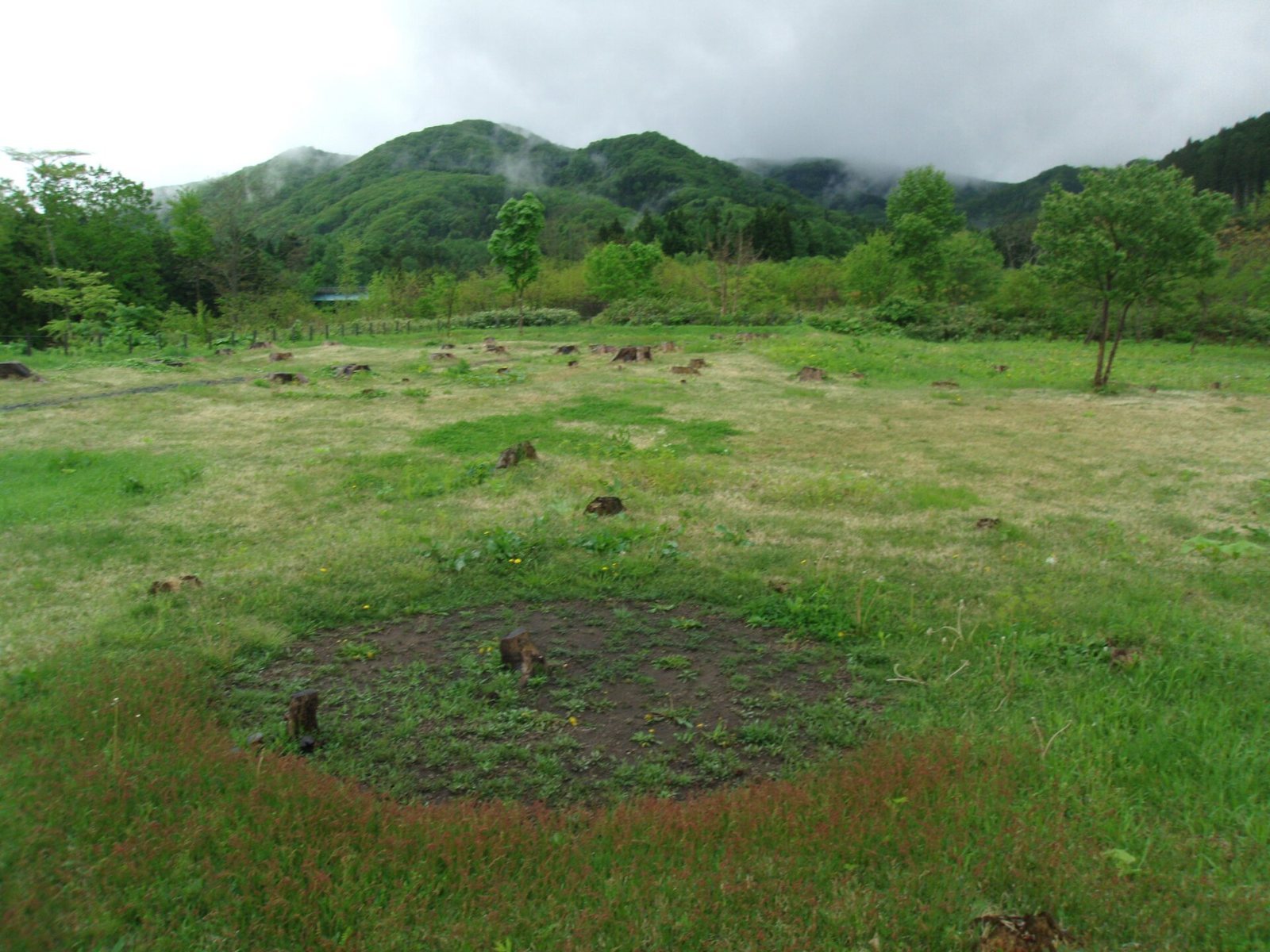
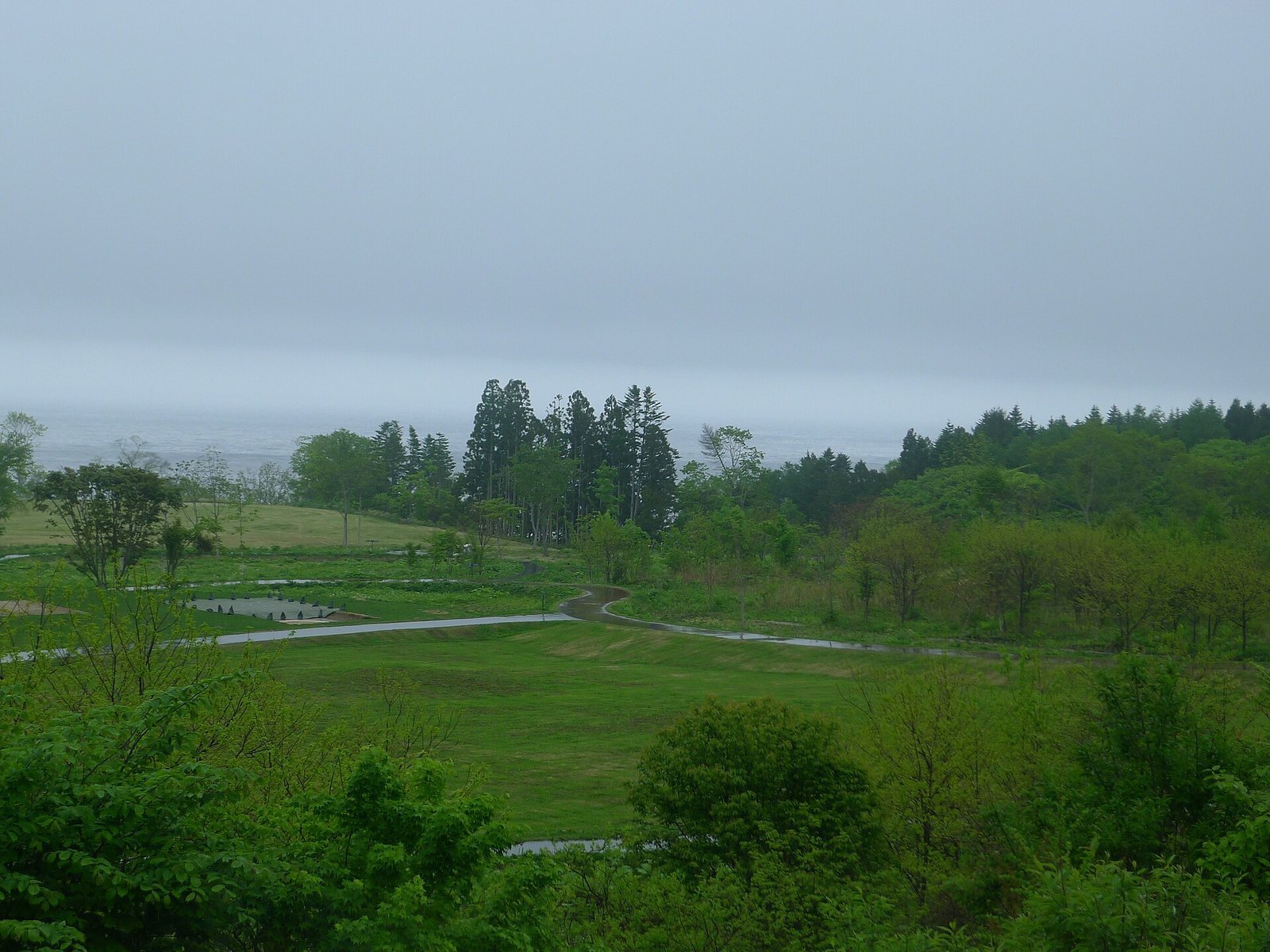
The site lies on a raised coastal terrace beside the Pacific, near the lower Kakinoshima River, which flows into Uchiura Bay. Kakinoshima A occupies the river’s left bank and Kakinoshima B its right. Settlement remains and large shell middens, accumulations of discarded shells and other remains, are found across the site. More than 200,000 artifacts have been recovered, including pottery, stone tools, lacquered pottery, clay tablets, ornaments and a piece of jade jewelry.
Earthen mounds
Two large earthen mounds are associated with the settlement. The major mound, built during the middle Jōmon period about 4,000 years ago, extends for more than 120 metres and is among the largest of its kind in Japan. Its scale and date relate it to burial practices at Kakinoshima.
Kakinoshima A
Pits and dwellings
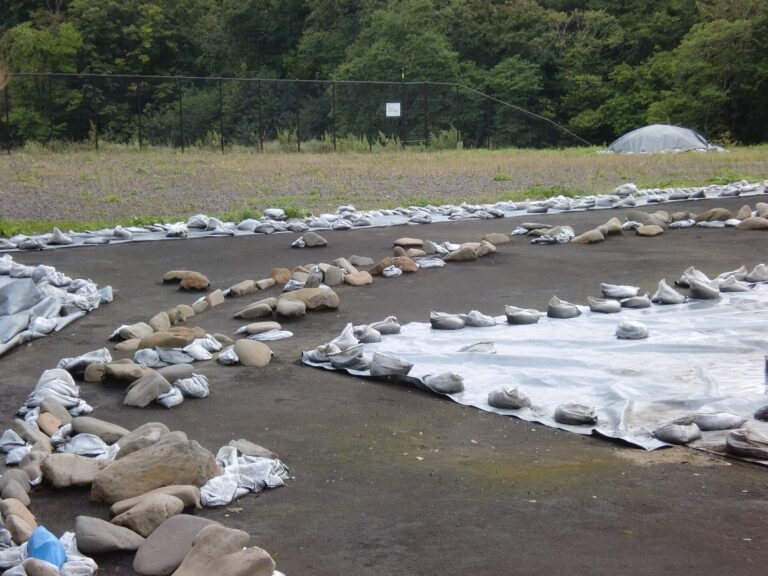
An early Jōmon group at A consists of 316 pits, 54 of which are thought to be graves. A separate group of 165 pits includes 34 flask-shaped examples, five possible graves and two T-shaped pits. The area also contains 18 middle Jōmon and 19 late Jōmon houses with floors dug below ground. Some had hearths with standing stones, and one large dwelling had a clearly defined entrance. About 52,000 artifacts have been recovered from A.
Clay tablets bearing children’s prints
Seventeen clay tablets bearing the handprints or footprints of young children date to about 6,500 years ago. They are 1–2 centimetres thick and 11–17.5 centimetres long; some were found stacked in groups of three. Most lay at the bottoms of pits, with the heel end toward the wall of a burial pit. Their surfaces carry a feather-like pattern made with twisted cord, and one or two holes near the heel may have allowed them to be hung. They may have been made to wish children well as they grew, used as protective charms, or placed in memory of a child who had died.
Ritual pottery vessels
A perforated, openwork pottery vessel shaped like an incense burner dates to the later part of the late Jōmon period. It may have been used in a ritual connected with leaving a dwelling. Another vessel, recovered intact from a dwelling, is about 3,200 years old. Its spherical body is 11.5 centimetres high and 10.4 centimetres across, with a gently rising top and a single spout. Bright red lacquer coats its black-lacquered base. Its refined form and surface decoration distinguish it as fine pottery, and it may have been used to pour sake during rituals.
Kakinoshima B
Dwellings and burials
B contains five early Jōmon houses with floors dug below ground and 12 burial pits dating to about 9,000–8,000 years ago. Another 38 burial pits date to about 6,500 years ago, while 42 have no established date.
Lacquered burial ornaments
A burial at B contained six ornaments made from red thread that had been woven and coated with lacquer. Dating to about 9,000 years ago, they are the world’s oldest known lacquered burial ornaments. The grave measured 1.4 by 1.2 metres and was 0.6 metres deep. The ornaments lay at positions corresponding to parts of the body, which had been placed with the limbs bent. They include objects resembling a hair ornament, bracelets and shoulder guards.