Archaeological Site of Mariana: Roman Colony and Early Christian Center in Corsica



Site at a Glance
- Rating
- 4.5
- Popularity
- Low
- Country
- France
- Primary era
- Classical
- External website
- Open
- Eras represented
- Classical, Medieval
- Civilizations
- Byzantine, Republic of Pisa, Roman
- Site type
- City
On this page12 sections
History
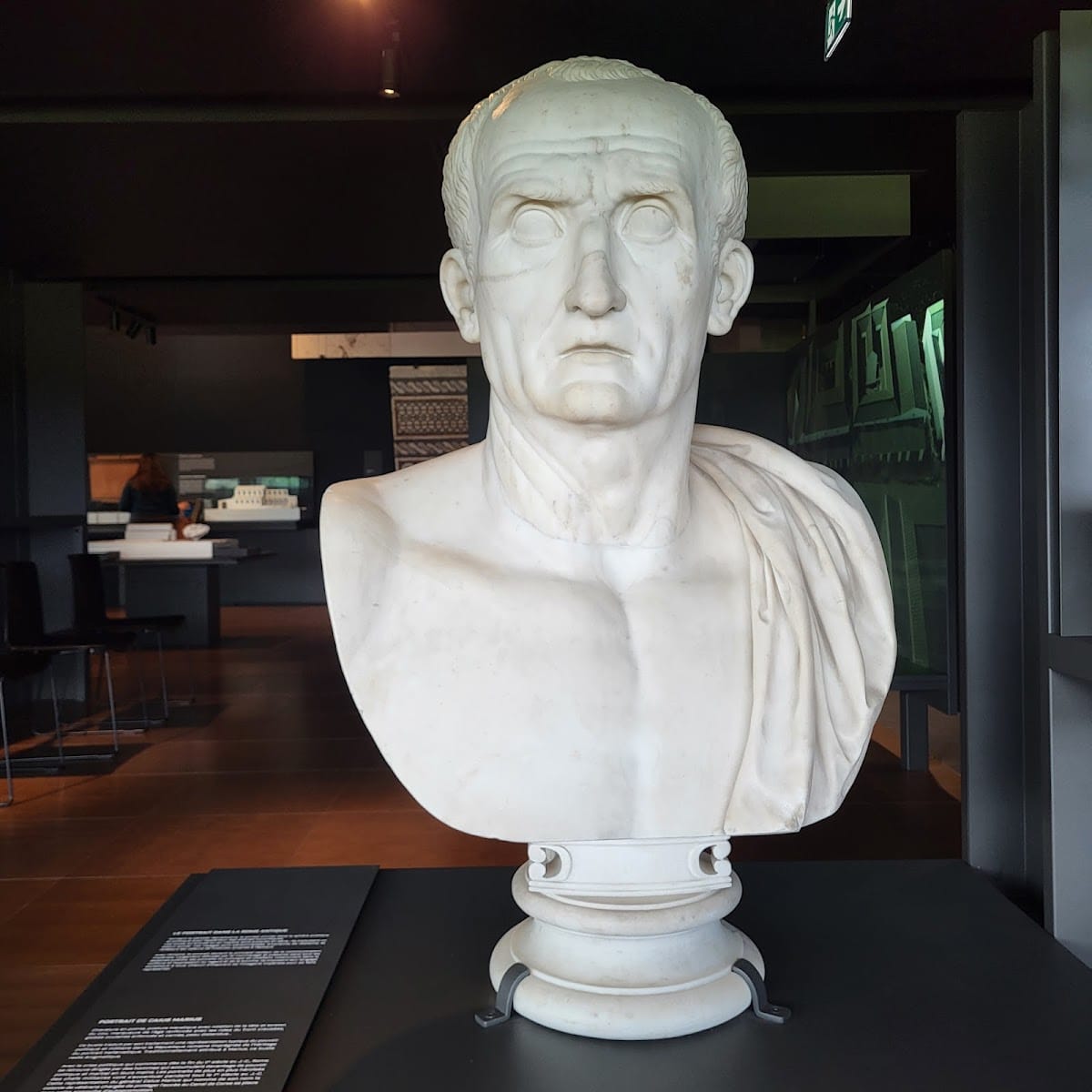
The archaeological site of Mariana in France, near Lucciana, preserves the remains of a Roman colony probably founded by the general and consul Caius Marius around 93 BC, or approximately 100 BC. Its precise legal status remains uncertain, since it has been interpreted as a military, civil, or irregular colony. Mariana was one of two Roman colonies established in Corsica during antiquity, alongside Aleria, and it became the chief town of its surrounding civic territory.
Roman foundation and development
Ancient writers including Pliny the Elder, Pomponius Mela, Seneca, Ptolemy, and Solinus associated Mariana’s foundation with Marius. Seneca described Mariana and Aleria as colonies of Roman citizens, although later interpretations questioned whether Mariana received regular recognition from the Roman Senate. The colonists expanded into areas previously occupied by indigenous communities, while the nearby territories included those of the Licnini and Opini.
Mariana and Aleria also served as stations of the Misenum fleet, with a trierarch, or commander of a galley or small naval unit, exercising authority over the flotilla. The colonies later became centers of agricultural learning for neighboring populations. Mariana’s position near the Golo and its ancient mouth supported land, river, and sea exchange. It was probably still a maritime port in the second century AD, although coastline changes have left the site about 3 km inland today.
A Roman road connected Mariana with Palla, generally identified with Bonifacio on Corsica’s eastern coast. The Antonine Itinerary describes this stone-paved route, which was probably built after the reign of Augustus because it does not appear on the Peutinger Table. This road formed part of the connections that linked Mariana with other parts of the island.
Christianization and the medieval period
Mariana was Christianized at an early date and probably became the seat of one of Corsica’s first dioceses during the fourth century. A diocese is an ecclesiastical district governed by a bishop. The bishopric was initially directly subordinate to the Holy See, came under Pisa in 1092, and was placed under Genoa in 1130. The episcopal seat remained at Mariana until it was transferred to Bastia in 1570.
Tradition places the martyrdom of Saint Devota at Mariana in the early fourth century, with dates of AD 302 or 303. She is venerated as the patron saint of Corsica and Monaco. By the mid-sixth century, a Christian complex had been established along the ancient porticoed road. Its episcopal basilica was destroyed by the Vandals and Lombards and was later rebuilt during the Romanesque period.
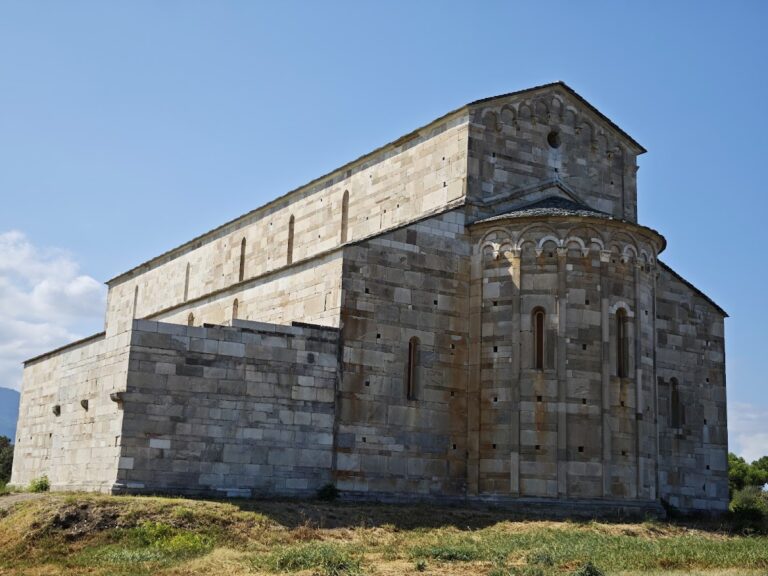
Mariana was abandoned during the later medieval period, perhaps because of malaria, although the exact date of abandonment is uncertain. The former cathedral of Santa Maria Assunta, also called La Canonica or A Canonica, was consecrated in 1119 and represents the continuing medieval importance of the site before the episcopal seat moved to Bastia.
Excavation and protection
Excavations carried out by Geneviève Moracchini-Mazel between 1958 and 1967 revealed the early Christian complex and the nearby funerary church of San Parteo. Archaeological study resumed in the late 1990s under Philippe Pergola, but excavation work ended in 2007. Later investigations used building archaeology and magnetometry, a non-intrusive method for detecting buried features through variations in the soil’s magnetic properties, to examine urban quarters near the cathedral.
Research has also expanded the archaeological picture around Lucciana. Excavations at Mezzana, about 3 km from Mariana, uncovered a small cemetery dating to the third century, possibly connected with a nearby agricultural establishment. In 2017, an Inrap team directed by Philippe Chapon excavated the first identified mithraeum in Corsica at Lucciana. A mithraeum was a sanctuary used by initiates in the Roman-period cult of Mithras, a religious tradition especially associated with male and military communities.
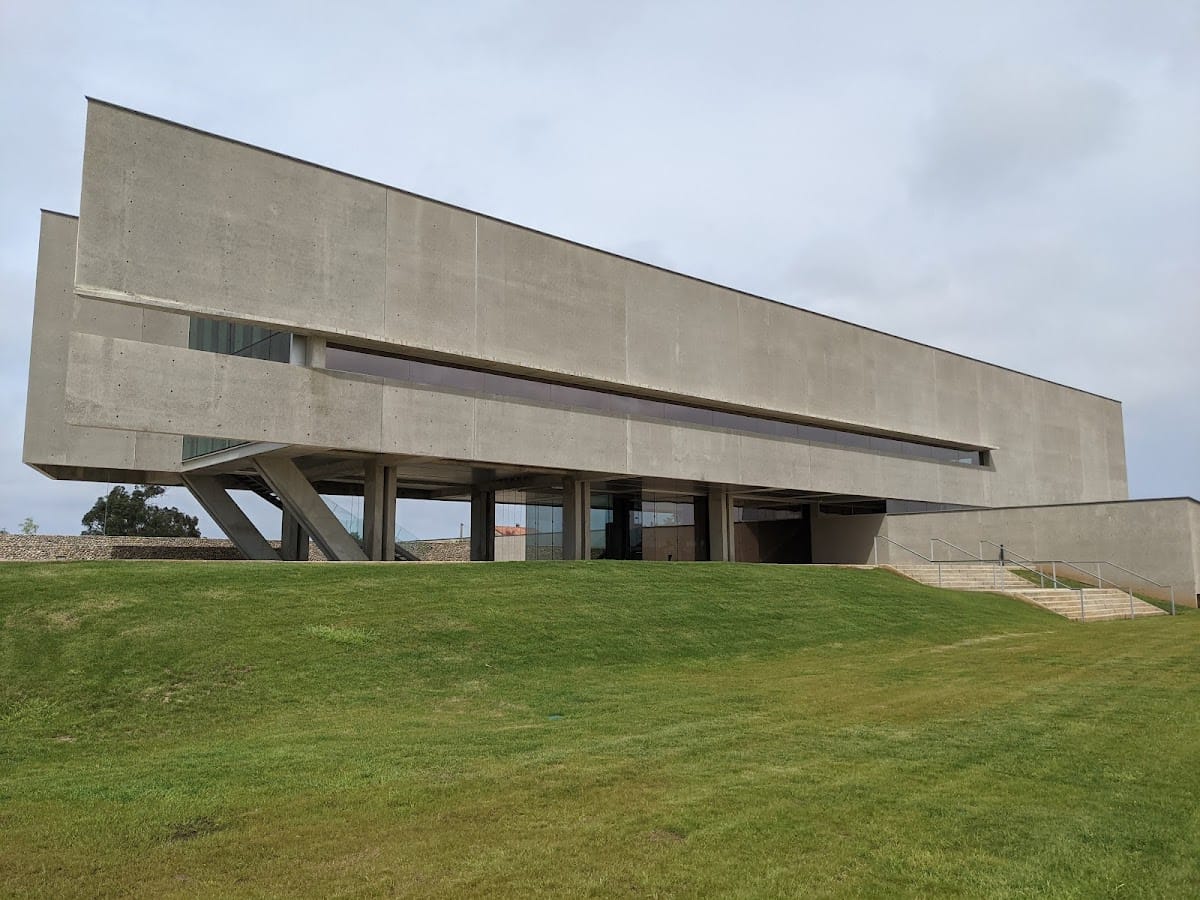
The enclosure walls were classified as a historic monument in 1969, followed by the wider remains of the ancient city in 1991. A site museum project within the Musée de France network has been developed to present and preserve the archaeological complex.
Remains
Mariana occupies the edge of a low plateau overlooking the northern bank of the Golo, near the river’s ancient mouth in the alluvial plain of La Marana. The site is now about 3 km from the sea. During the second and third centuries AD, the city covered approximately 30 hectares and was enclosed by a slightly trapezoidal wall. The visible excavated remains represent an outlying quarter rather than the entire ancient settlement. Its urban plan followed two principal lines, a north-south cardo, or main north-south street, and an east-west decumanus, or main east-west street, around which streets and districts formed a regular grid.
Roman urban quarter
A porticoed east-west street forms the center of the excavated quarter. Its covered walkways sheltered commercial activities from bad weather, while the city’s burial grounds lay beyond the urban enclosure. The excavated settlement lies south of the present cathedral, and nearby urban quarters have been examined through excavation, building analysis, and magnetometer survey.
Christian and medieval buildings
Episcopal basilica and Christian complex
Early Christian structures at Mariana date from the late fourth century. The later complex established by the mid-sixth century included an episcopal basilica, a baptistery, shops, and residential buildings arranged along the older porticoed road. The basilica was later destroyed and rebuilt in the Romanesque period, leaving the Christian phase closely integrated with the earlier urban quarter.
Santa Maria Assunta
The present archaeological area includes the former cathedral of Santa Maria Assunta, known as La Canonica or A Canonica. Consecrated in 1119, the church has architectural parallels with Romanesque buildings in the Lucca area, including San Pietro di Valdottavo and Santa Maria Assunta at Piazza al Brancoli. It also relates to northern Sardinian churches such as San Nicola di Silanis at Sedini and San Giovanni di Viddalba.
San Parteo
The nearby church of San Parteo is a funerary church dating to the twelfth century. Its architecture shares characteristics with the Romanesque churches associated with Santa Maria Assunta and the cathedral’s wider architectural group.
Sanctuary
Mithraeum
The archaeological area also includes a mithraeum, a sanctuary dedicated to Mithras. It was identified during excavations at Lucciana in 2017 and is the first sanctuary of this type identified in Corsica.