Carife Archaeological Area: Samnite Burial Grounds in Italy
Site at a Glance
- Popularity
- Very Low
- Country
- Italy
- Primary era
- Iron Age
- Eras represented
- Iron Age
- Civilizations
- Samnite
- Site type
- Burial
- Remains
- Necropolis
On this page18 sections
History
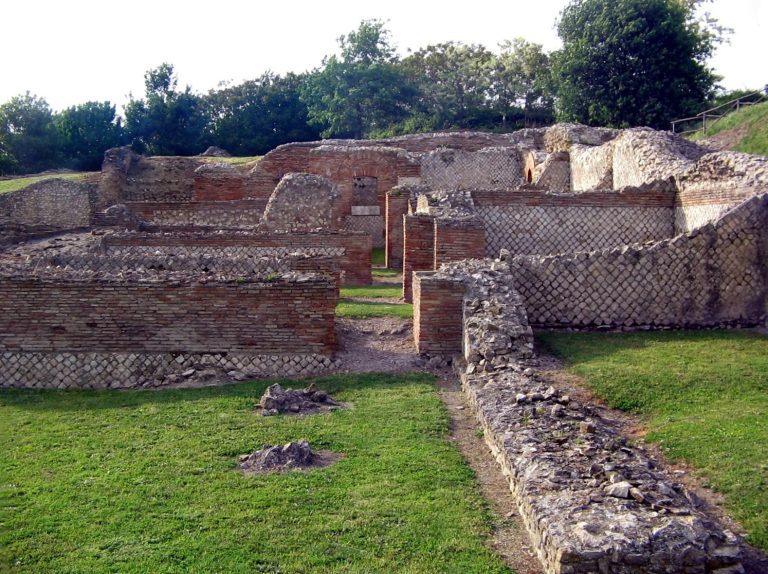
The archaeological area of Carife is a protohistoric burial landscape in Italy’s Campanian Apennines. Protohistory is the period between prehistory and recorded history, known chiefly through archaeological evidence and neighboring peoples’ written accounts. The area’s remains are associated especially with the Samnites, an ancient people of south-central Italy, and provide evidence of activity extending across several millennia.
Early settlement
Archaeological material points to activity from the Early Neolithic, the later Stone Age associated with settled communities and farming, through the Archaic period, a broad early phase of Greek and related Mediterranean history. The Neolithic finds indicate that Piano la Sala was used before the Samnite burials were established. Late Neolithic equipment for firing clay objects and roasting cereals reflects a way of life based largely on agriculture and animal husbandry.
Samnite communities and burial customs
The Samnite burials at Carife show Campanian influences and share material traits with the necropolis at Casalbore, several dozen kilometres to the north. They also resemble burials at nearby Castel Baronia. Their material culture differs from that of the more southerly Cairano-Oliveto Citra communities, although the two traditions had some points of contact.
Burial architecture appears to have conveyed social prestige more strongly than the objects placed with the dead. Grave assemblages varied according to sex and social standing, and those associated with fifth-century BC burials at Piano la Sala are particularly rich. Drinking vessels in the tombs reflect the symposium ideal, a formal drinking and dining gathering associated especially with ancient Greek culture. It was believed that the deceased feasted in the afterlife.
Roman-era change
Indigenous communities in Irpinia had been established in the area for about three centuries when their gradual fragmentation probably began in the third century BC, following the Samnite Wars, a series of conflicts between Rome and Samnite peoples. A sequence of burial grounds in the Valle del Sabato provides clearer evidence of this process. At Carife, inscriptions and traces of places where clay was worked into building materials indicate that people continued to live in the area during the Roman period.
Archaeological investigations
Systematic archaeological research began after the 1980 Irpinia earthquake and brought the Addolorata and Piano la Sala burial grounds to light. In 1982, archaeologist Werner Johannowsky, the public official responsible for archaeological oversight, directed an excavation at Addolorata near the church of the same name. Work at Piano la Sala began in 1984 during a preventive investigation of land considered archaeologically important. Excavations at Carife recovered about 200 groups of objects associated with burials, greatly expanding knowledge of the Samnite communities of Irpinia.
Remains
Layout and construction
Burial ground arrangement
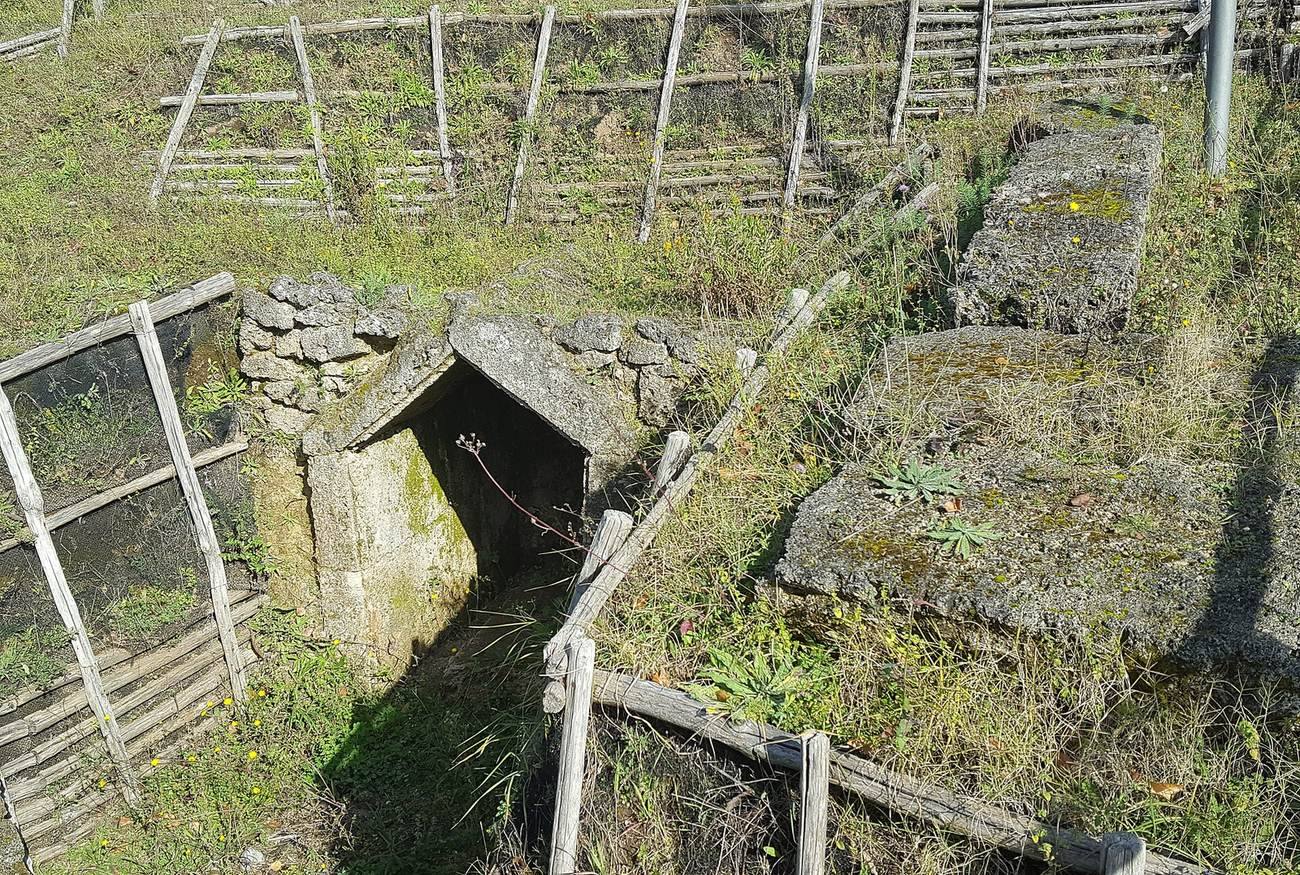
The area contains two Samnite burial grounds, Addolorata and Piano la Sala. Their overall arrangement is not clearly defined, while at Addolorata the tombs extend from southeast to northwest. Investigations across Carife uncovered about 100 tombs in two principal forms, tombs with tiled roofs and chamber tombs.
Tomb forms and water management
Tiled-roof tombs used two rows of horizontally laid tiles to form a roof, and some contained several burial beds on travertine stone or terracotta slabs. Chamber tombs had pitched roofs and a single burial bed. Their side walls were built of travertine stone, while compacted earth covered with clay formed the floor and bed. Channels carried rainwater either along the upper edge of a roof or beside the burial bed. Limestone for construction came from a nearby quarry.
Construction trenches and closures
Trenches several metres long lay in front of the tombs. At Addolorata, a trench cut against the hillside’s slope helped move construction blocks, and a groove filled with stones drained rainwater. Some tombs had painted decoration, which had disintegrated by the time of excavation. After the dead and their grave goods had been placed inside, stacked travertine blocks closed the front of the tomb.
Addolorata necropolis
Tombs and recovered material
Addolorata covers 750 square metres and contained 22 tombs, most dating to the third century BC. Finds from the area also include pottery fragments decorated by impressions and Late Neolithic equipment used for firing clay objects and roasting cereals. Three graves contained especially notable objects. One held a belt and a small bronze jug with fluted decoration; a tiled-roof tomb contained numerous bronze tools and part of a silver cup.
Notable grave assemblages
A partly preserved tomb contained three amber pendants, including one carved as a woman’s face, a silver ring set with an amber bead, and a curved bronze fibula (a brooch used to fasten clothing) with a high foot, a form characteristic of Samnite dress.
Piano la Sala necropolis
Tombs and grave goods
Thirteen Samnite tombs were identified at Piano la Sala, all assigned to the fourth century BC. Because some lay close to the surface, farm equipment badly damaged them. Neolithic fragments from the area indicate earlier activity. Grave goods included metal objects, personal ornaments, and vessels. Women’s assemblages could contain brooches, ornaments made of different materials, and an ivory disc. Men’s equipment might include a leather belt faced with bronze and fitted with one to five hooks, a bronze patera (a shallow dish), a razor, an iron javelin, and spearheads. Daggers placed on black-glazed plates, with dark glossy surfaces, occurred in only two tombs.
Vessels and imported objects
Other grave vessels included kraters (large vessels for mixing wine and water), ollae (storage or cooking pots), cups, oinochoai (wine jugs), skyphoi (drinking cups), and kantharoi (deep cups with handles). Imported bronzes from the Etruscans, an ancient people of central Italy, included candelabra and basins with a carved braid pattern around the rim. One candelabrum carried a figure of Silenus, a figure in Greek mythology associated with satyrs, male nature spirits, sacrificing a goat. A pan of Greek origin had a handle shaped as a ram-bearer. These imported goods may have represented stored wealth or war booty. A figured krater is attributed to the Dolon Painter, the conventional name used for an ancient vase painter.
Burials, ritual, and decorated pottery
A krater from a fifth-century BC tomb at Piano la Sala depicts satyrs and maenads, female ecstatic worshippers, in red-figure technique, which leaves the figures the color of the clay against a dark background. Other finds include a black-glazed lekythos, a vessel commonly used for oil, and a silver brooch assigned to the fourth century AD. Some tombs held the remains of children or infants. A girl’s burial contained miniature objects and figurines described as playthings, as well as an askos-shaped rattle (a small liquid-pouring vessel form) with a sphere inside.
One Piano la Sala grave held two skeletons, one above the other, identified as a mother and child who died at the same time. The child’s position above the mother recalled birth and expressed their family bond. Another female burial, dated to the first half of the fourth century BC, contained a small silver bead shaped like a woman’s head near the neck, a silver brooch with a rounded bow, and a second small silver brooch beside a ring at the right hip. The ring had an oval silver setting with a wavy line on its outer face and a spiral floral design around a central hole on the inner face. At the skeleton’s feet lay a cup with a repeated stamped pattern inside, and iron nails were scattered through the tomb.
Funerary meal
The funeral rite concluded with a meal in front of the closed tomb. Participants shared food and drank wine from a skyphos; the cup was then broken to mark the end of life. Fragments found outside tombs are associated with this practice.