Andrássy Palace: A Neo-Baroque Family Residence in Košice
Site at a Glance
- Popularity
- Medium
- Country
- Slovakia
- Primary era
- Modern
- Eras represented
- Modern
- Civilizations
- Austria-Hungary, Habsburg, Hungarian
- Site type
- Domestic
- Remains
- Elite Residence
On this page5 sections
History
Medieval houses and the Andrássy family
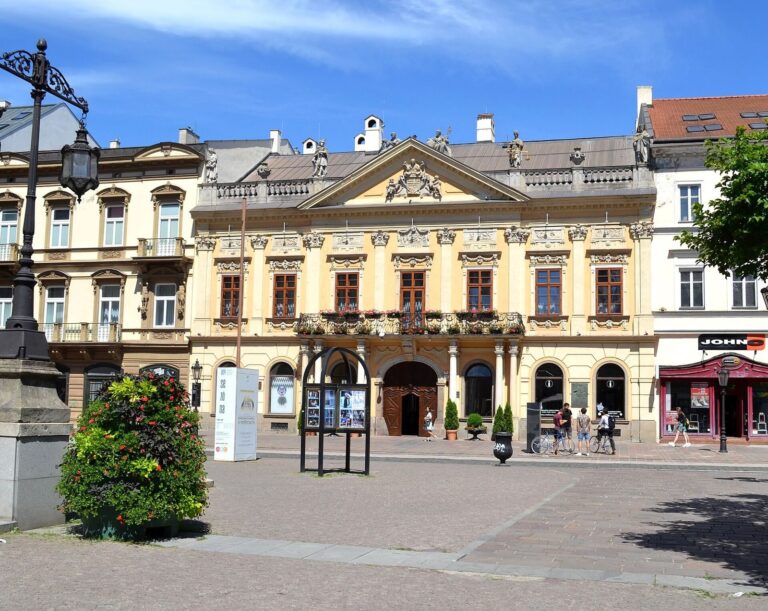
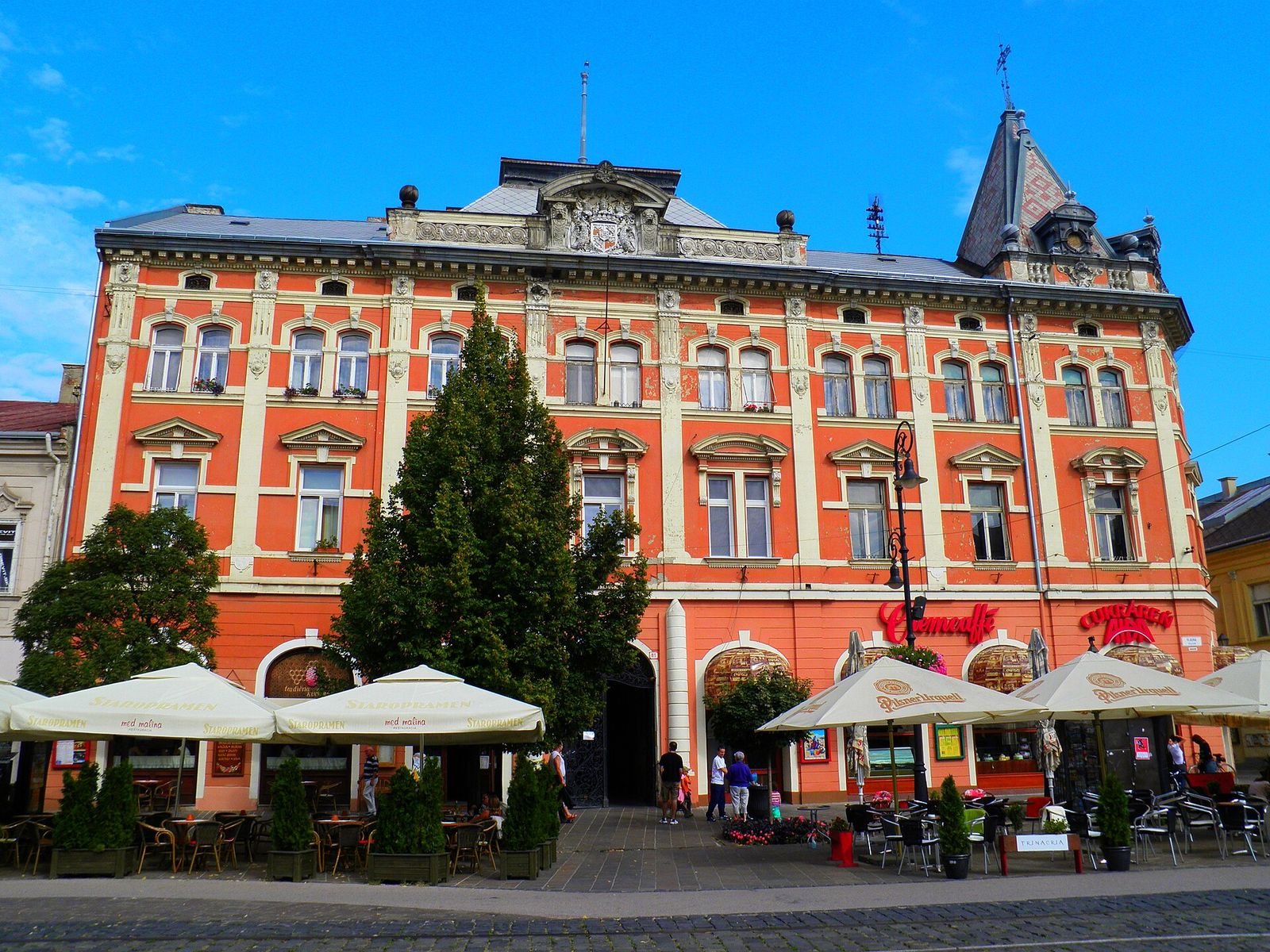
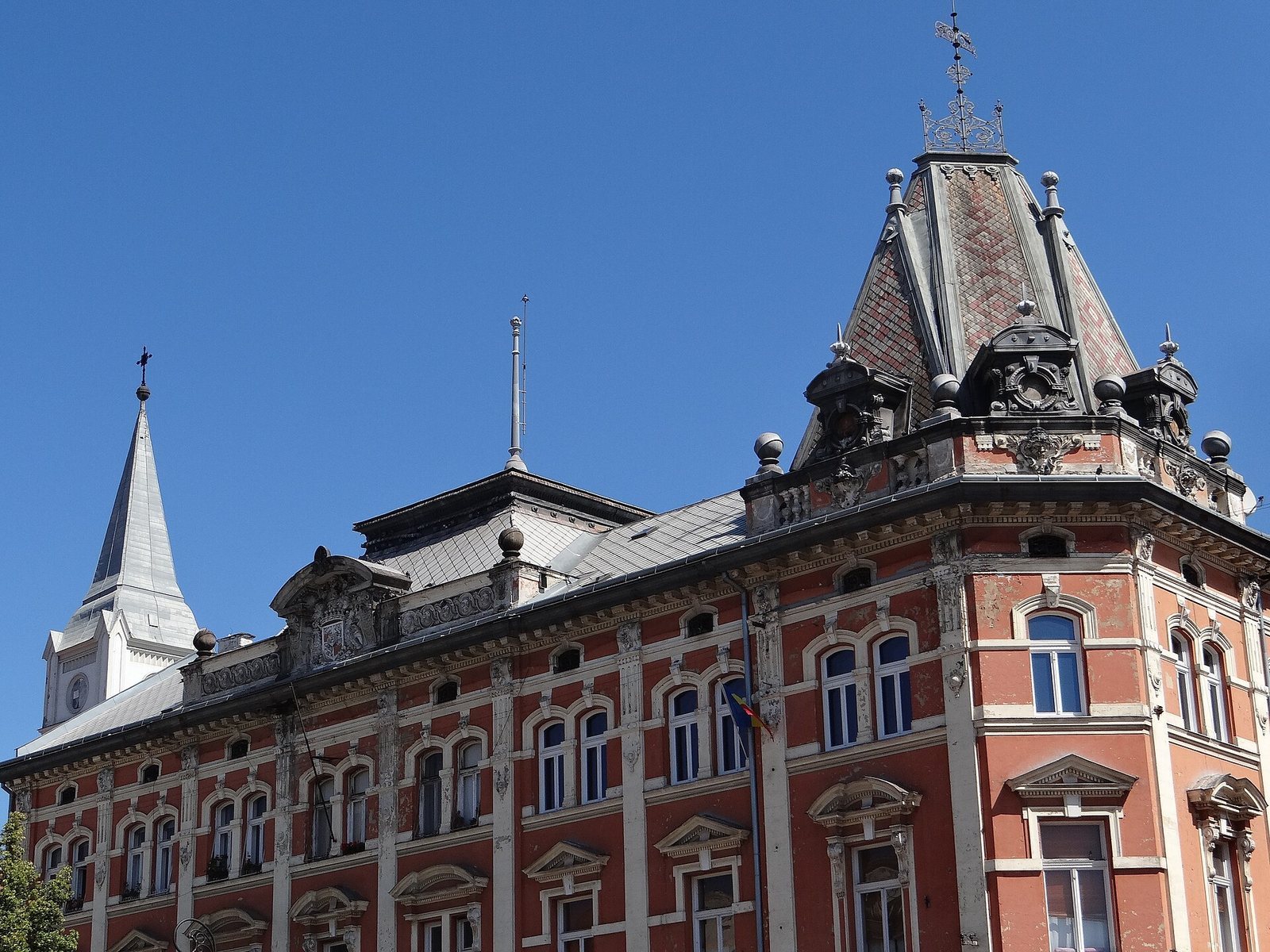
Andrássy Palace is a Neo-Baroque former family residence in Košice, Slovakia, built on the site of three townhouses demolished in 1898. The houses dated to the Middle Ages and were renovated in Baroque style during the eighteenth century. From north to south, they were associated with the Jabrocz, Klotz, and Pálfalvy families.
In the early nineteenth century, István Andrássy, a member of the Hungarian noble Andrássy family, acquired the northern house. His son Gyula Andrássy the Elder was born there in 1823 and later became prime minister of the Kingdom of Hungary.
Palace and café
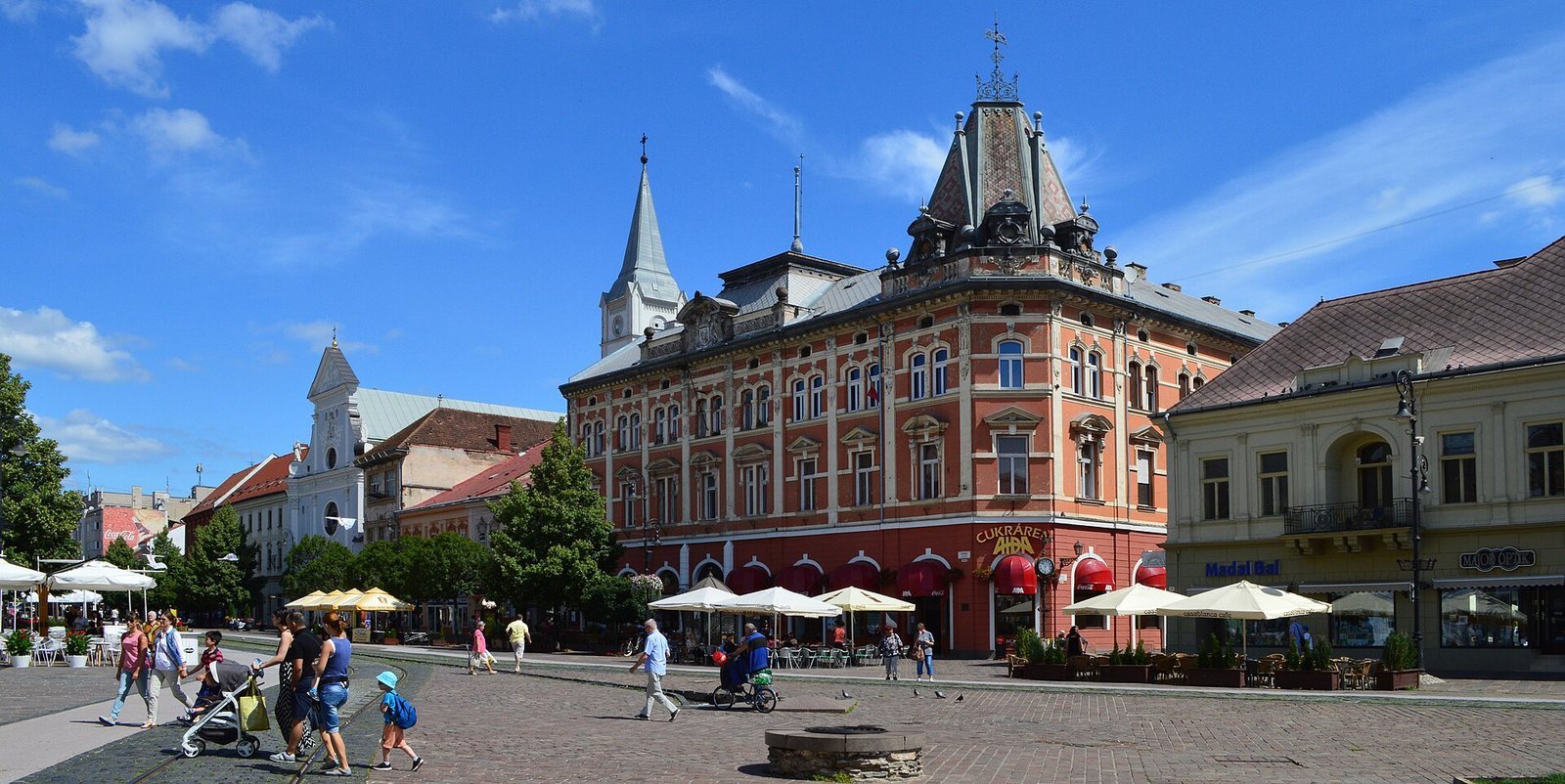
The three townhouses were demolished in 1898 to make way for the palace, designed in Neo-Baroque style by a Budapest architect. The Jakab brothers and Michal Répászky carried out its construction. It began as a family residence, while a luxurious café with billiard tables operated on the ground floor. A proposal to turn the premises into a hotel was rejected in 1906, and the café continued until the end of the Second World War.
Wartime and later uses
During the Second World War, the Arrow Cross Party, a Hungarian fascist party aligned with Germany, used part of the building as its local headquarters. After the war, the Hornád department store, also called Pionier, occupied the palace until 1968. A food supermarket, Dom potravín, then operated there until the mid-1990s, after which the premises became a pastry shop.
The palace was designated a cultural monument in 1982 and later became a national cultural monument. It remains in commercial use.
Remains
The palace stands at the corner of Hlavná Street and Biela Street. Before its construction, the southernmost of the three townhouses on the site had a vaulted passage over the entrance to Biela Street.