Castillo de Villavellid: A Fifteenth-Century Fortress in Spain
Site at a Glance
- Popularity
- Low
- Country
- Spain
- Primary era
- Medieval
- Eras represented
- Medieval
- Civilizations
- Crown of Castile
- Site type
- Military
- Remains
- Castle
On this page4 sections
History
Fifteenth-century fortress and inheritance
Castillo de Villavellid is a fifteenth-century fortress in Villavellid, Spain, built in the regional Valladolid school of castle design. Its builder is unknown. The castle stood on the frontier between León and Castile, medieval Christian kingdoms on the Iberian Peninsula.
In 1452, Francisco de Almazán, marquis of Alcañices, was lord of Villavellid and its fortress. In 1465, he gave the castle to his daughter Francisca as a marriage dowry when she married Pedro Pimentel, son of the count of Benavente. Francisca died without children, and the castle passed to her sister Constanza, wife of Juan Enríquez de Guzmán. Their son Francisco later became marquis of Alcañices and established an entail, a legal arrangement directing the inheritance of property, over his holdings, including the fortress.
Protection and ownership
The castle is protected under the 1949 decree concerning Spanish castles and the 1985 Spanish Historical Heritage Act. On June 25, 1985, it was declared an Asset of Cultural Interest, Spain’s formal designation for protected cultural heritage, in the monument category. The town council of Villavellid is identified as its owner.
Remains
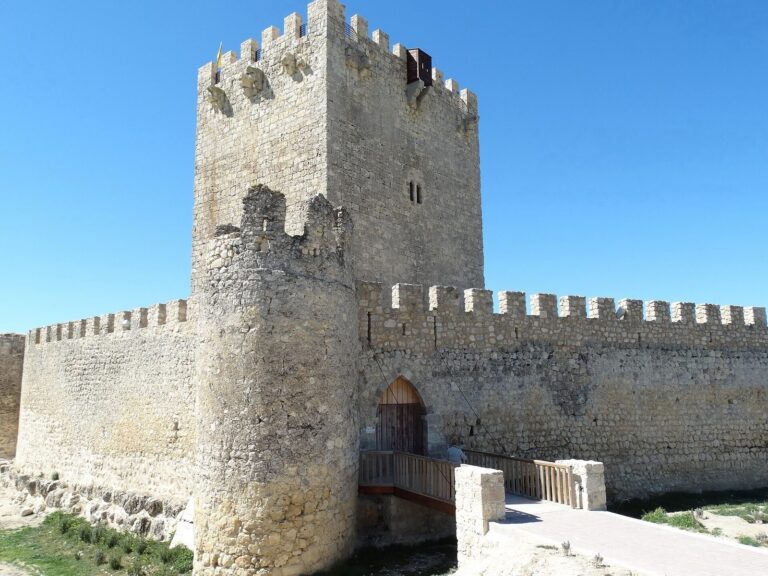
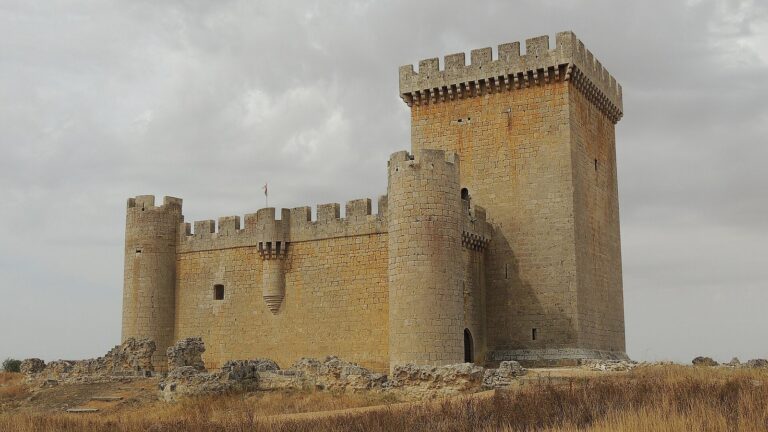
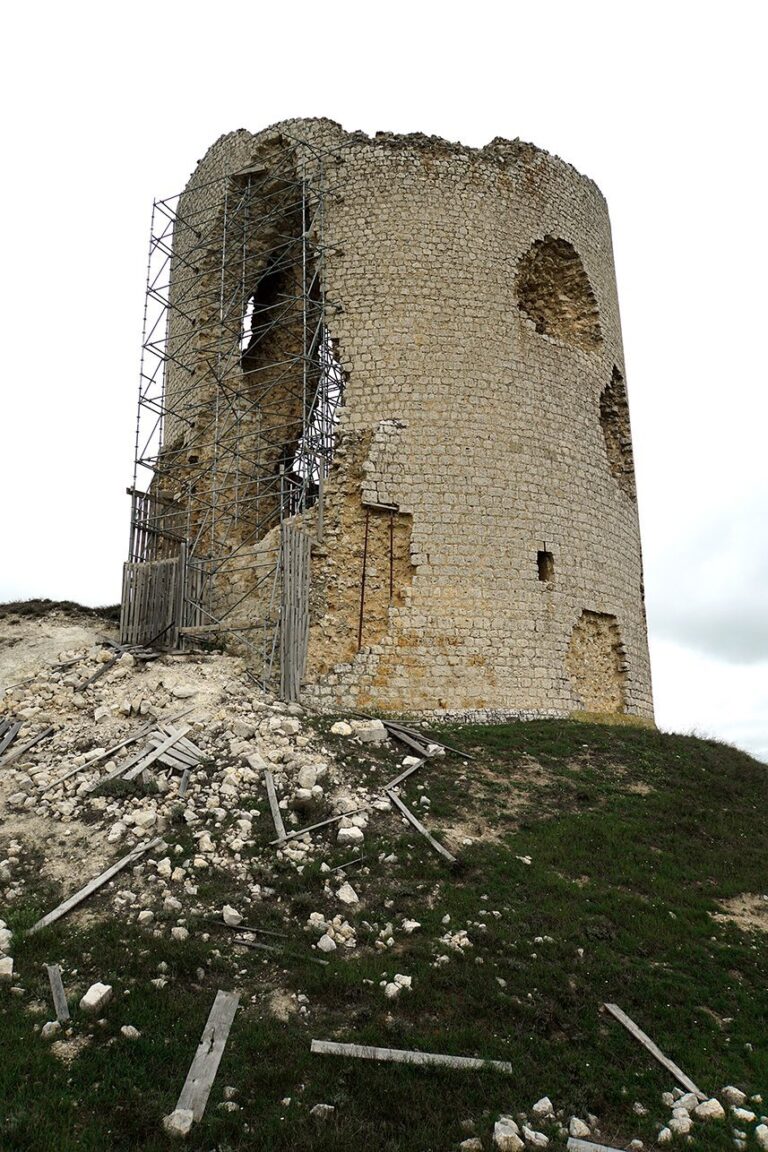
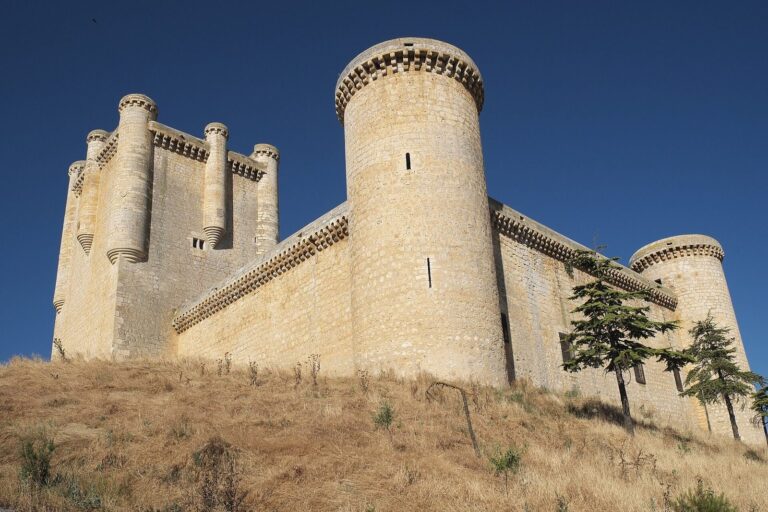
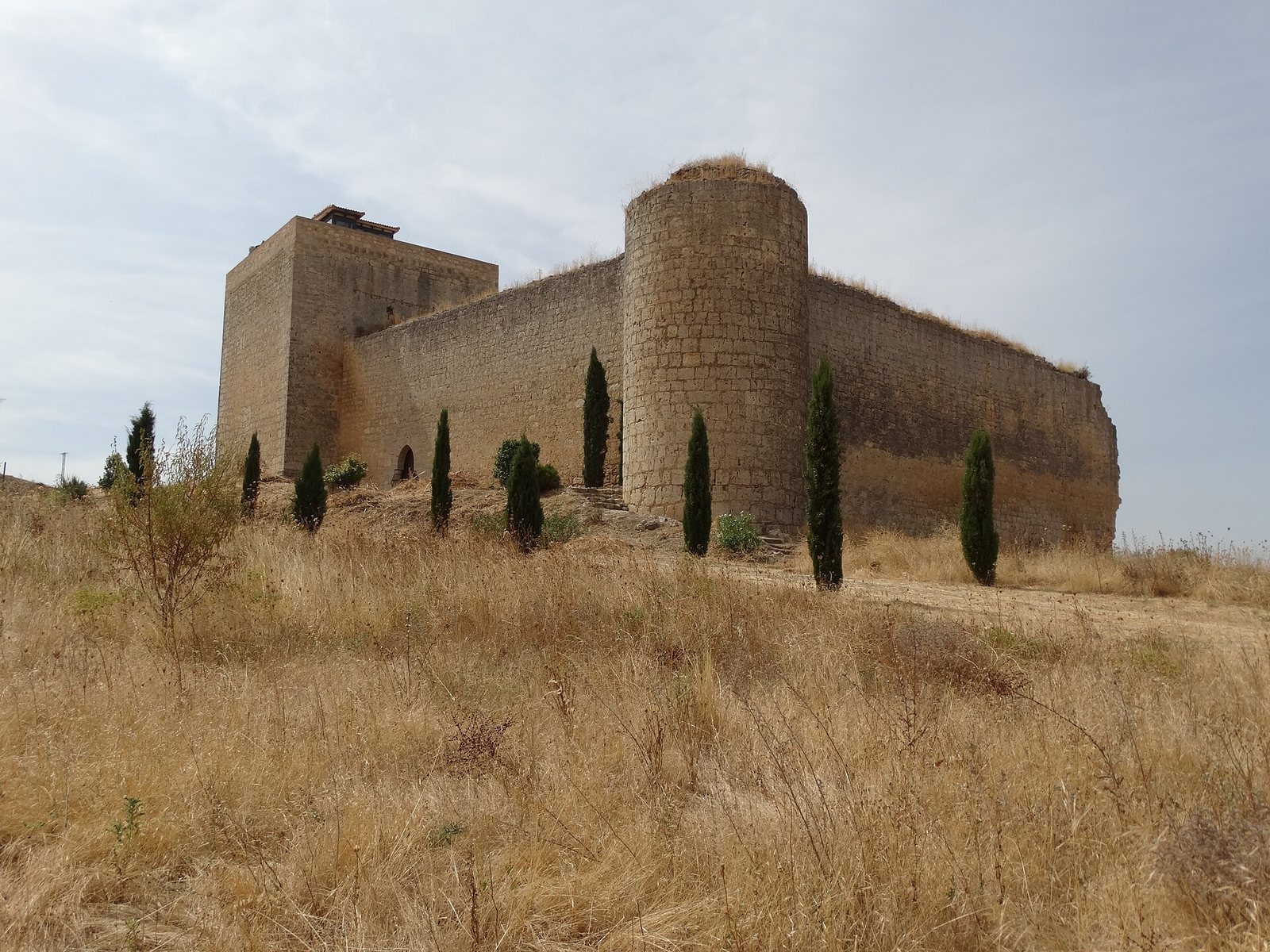
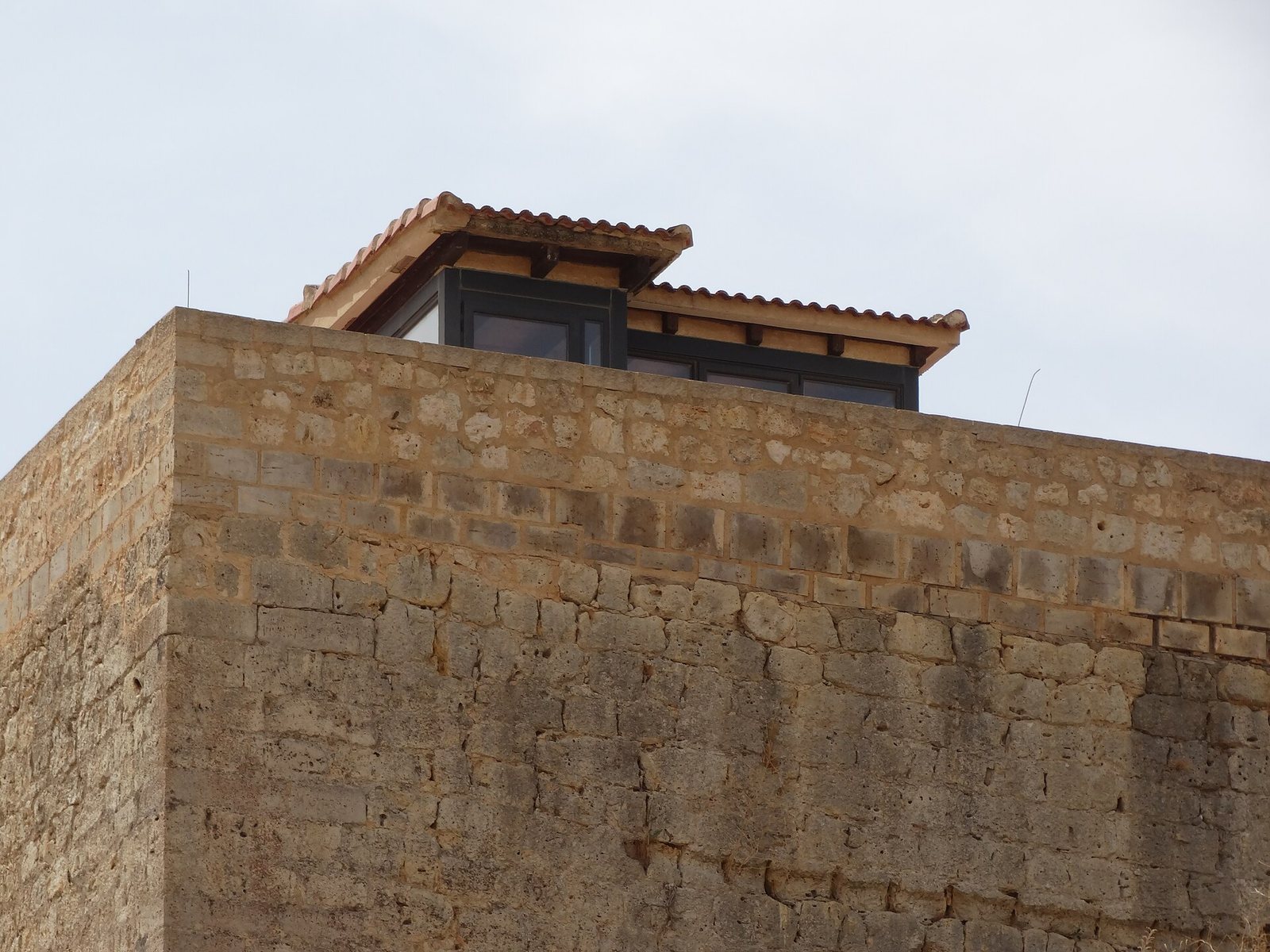
The castle-palace has a square plan, with broad ashlar walls, made from carefully cut stone blocks, enclosing a masonry core. Three cylindrical towers stand at three corners; a low, square keep occupies the fourth. The keep, the castle’s principal fortified tower, had two storeys, both of which have collapsed. In 2016, the castle remained in ruins, with its condition recorded as stabilized ruins.