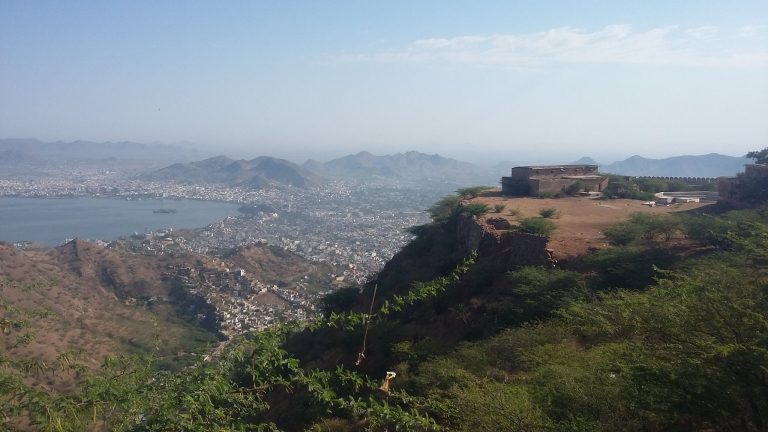
Akbar’s Fort: A Mughal Fort and Museum in Ajmer
Site at a Glance
- Rating
- 4.3
- Popularity
- Medium
- Country
- India
- Primary era
- Early Modern
- Eras represented
- Early Modern
- Civilizations
- Mughal
- Site type
- Military
- Remains
- Fort
On this page7 sections
History
Mughal Foundation and Imperial Use
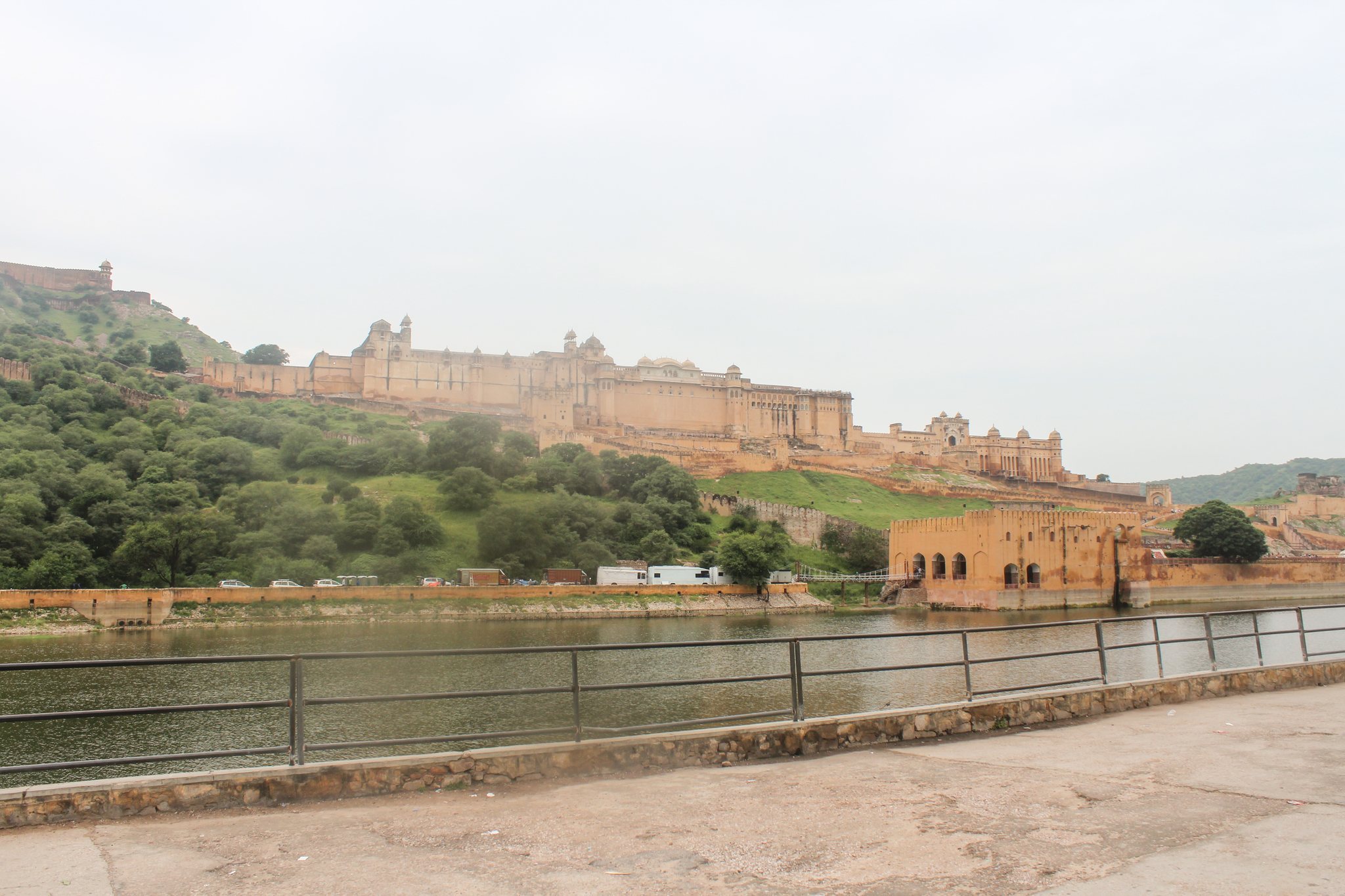
Akbar’s Fort is a Mughal fort in Ajmer, India, constructed in 1570 on the commission of Akbar, the third Mughal emperor, who ruled from 1556 to 1605. The Mughal Empire was an early-modern Islamic empire that governed much of the Indian subcontinent. The fort supported advancing Mughal armies and provided Akbar with a resting place during visits to the shrine of Khwaja Muin al-Din Chishti, a Muslim holy figure associated with Sufism, a mystical tradition within Islam.
The fort later served as a residence for Prince Salim, Akbar’s son. After taking the imperial name Jahangir and succeeding his father in 1605, Salim read from the fort a decree permitting the British East India Company to trade in India. The company was an English trading corporation that later became a major instrument of British power in the country. Jahangir also met the English diplomat Sir Thomas Roe at the fort, an encounter described as an important step toward the establishment of British influence in India.
Creation of the Rajputana Museum
The fort now houses the Rajputana Museum, also known as the Akbari Fort and Museum. A regional museum for Rajputana was proposed in the early twentieth century, when Ajmer-Merwada was a British-administered territory rather than part of a princely state. Rajputana was the historical name for much of present-day Rajasthan and adjoining areas.
John Marshall, then Director General of the Archaeological Survey of India, proposed the Ajmer museum. It was inaugurated on 19 October by Sir Elliot Colvin, the agent to the Governor-General in Rajputana. Historian Gauri Shankar Hira Chand Ojha became its first curator and travelled widely to acquire antiquities. Alexander Cunningham, A. C. L. Carlleyle, D. R. Bhandarkar, and R. D. Banerjee also helped develop the collection.
U. C. Bhattacharya served as curator from 1936 to 1961 and enlarged the holdings through further acquisitions. In 1915 and 1916, D. R. Bhandarkar excavated Nagari in the Chittor region, uncovering remains of the ancient city of Madhyamika and objects later placed in the museum. Royal houses, elites, and local chieftains also contributed antiquities, while archaeological discoveries from across the region expanded the collection. After Ajmer-Merwada was integrated into Rajasthan in 1956, the museum came under the Department of Archaeology and Museums of the Government of Rajasthan.
Remains
Fort and Museum Complex
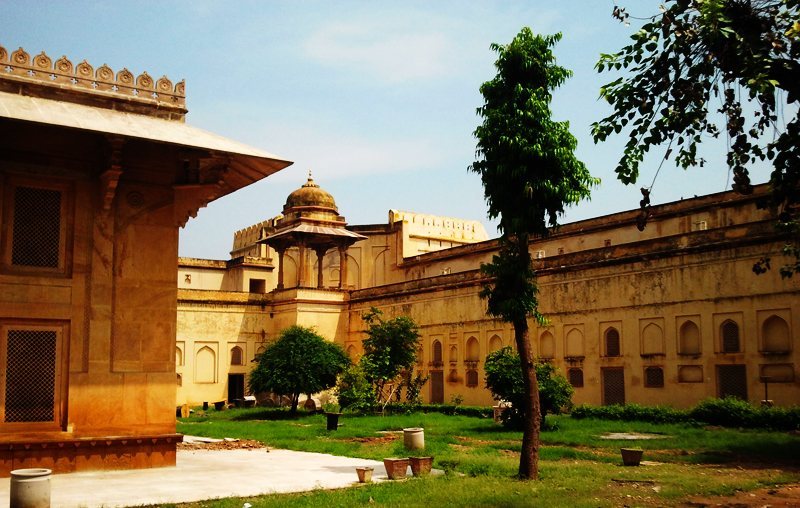
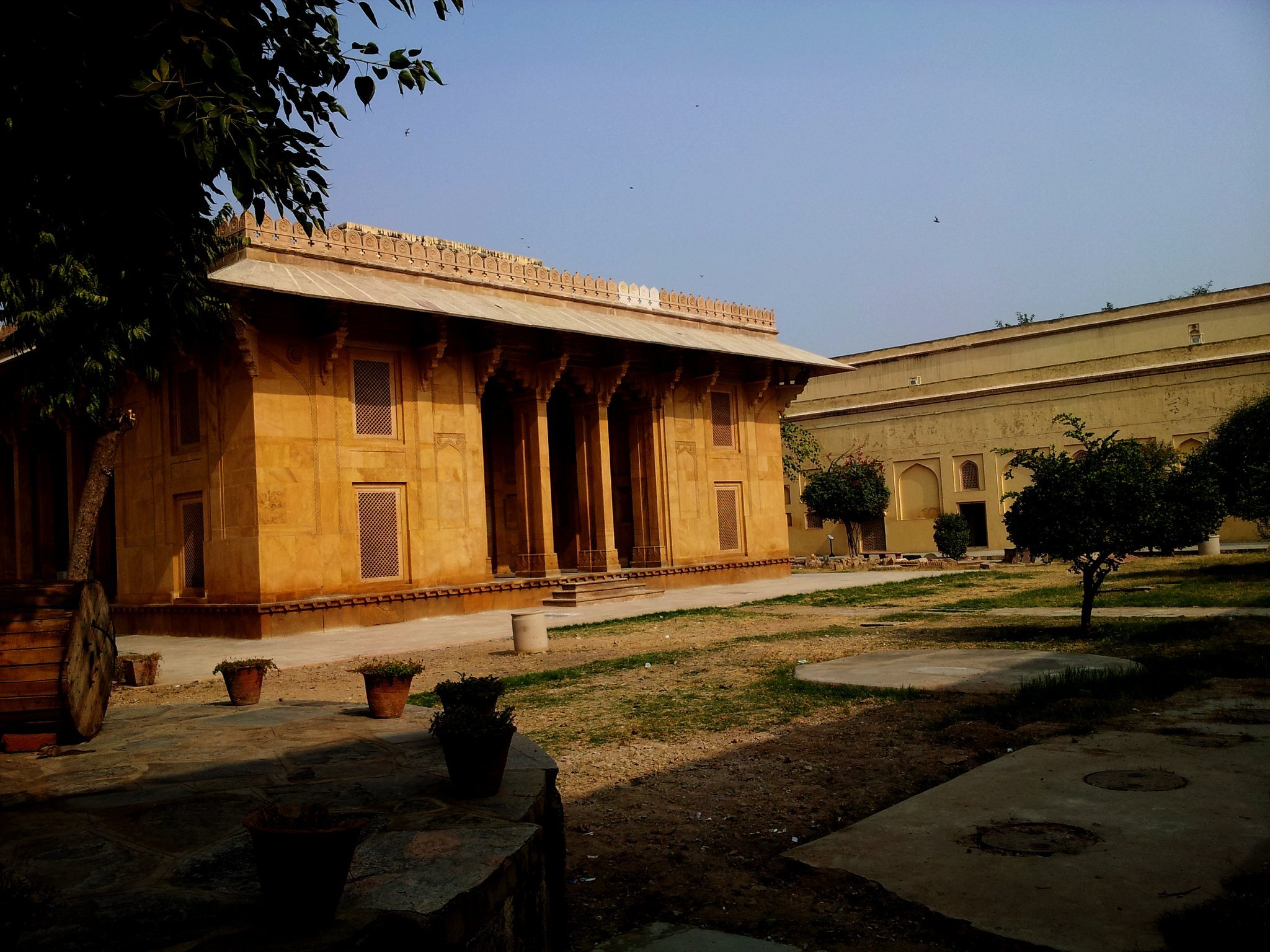
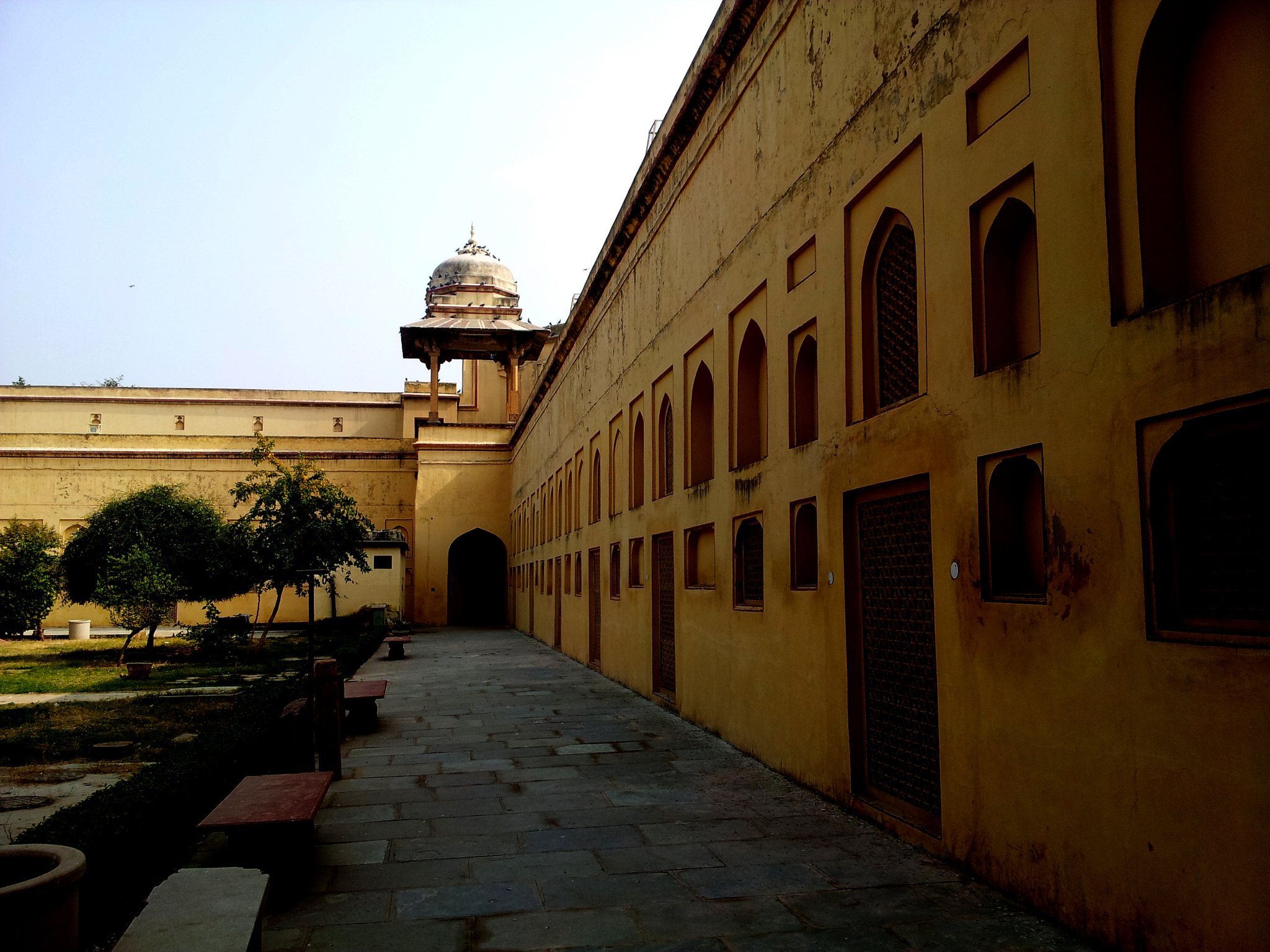
The surviving complex combines the historic fort with the museum established within it. Its recorded architectural elements include a main entrance and an audience hall. The museum galleries include dedicated sections for excavated artifacts and sculpture, placing archaeological material within the former Mughal fort.
Main Entrance and Audience Hall
The main entrance and audience hall form part of the fort’s surviving architectural arrangement. Their documented presence reflects the complex’s dual character as a historic Mughal building and a later museum setting.
Museum Collections
The museum holds Mughal and Rajput armor, sculpture, excavated artifacts, inscribed stones, textile specimens, weapons, and examples of local crafts. Its collections also include a large coin hoard from Sarvania in ancient Banswar. Objects recovered at Nagari include remains and distinctive artifacts associated with Madhyamika, while the sculpture and excavation galleries present these materials as parts of the region’s archaeological record.