Ahvan Stone Caravanserai: A Historic Travelers’ Lodging in Iran
Site at a Glance
- Popularity
- Medium
- Country
- Iran
- Primary era
- Medieval
- Eras represented
- Classical, Medieval
- Civilizations
- Sassanid
- Site type
- Economic
- Remains
- Caravanserai
On this page4 sections
History
Origins and repairs
The Ahvan Stone Caravanserai is a travelers’ lodging place in Ahvan, 42 km east of Semnan, Iran. It is dated to the fifth century of the Hijri calendar and assigned to the Ziyarid period, when the dynasty ruled parts of Iran. Ernst Herzfeld attributed the building to Anushirvan Ziyarid, a ruler of the dynasty, although a date in the earlier Sasanian period has also been proposed.
From the early Islamic period through the Ilkhanid era, when Mongol rulers governed Iran, the building underwent repeated repairs intended to preserve it. Some of these repairs also altered the structure.
The Safavid period and later recognition
During the Safavid period, Iran’s early modern era, a second lodging place, the Shah-Abbasi Ahvan Caravanserai, was built beside the older stone building. The Ahvan Stone Caravanserai gradually declined after its neighbor was constructed.
In 2023, both Ahvan caravanserais were inscribed on the UNESCO World Heritage List as part of the Iranian Caravanserais property. The property comprises 54 caravanserais in 24 Iranian provinces and was inscribed under criteria (ii) and (iii).
Remains
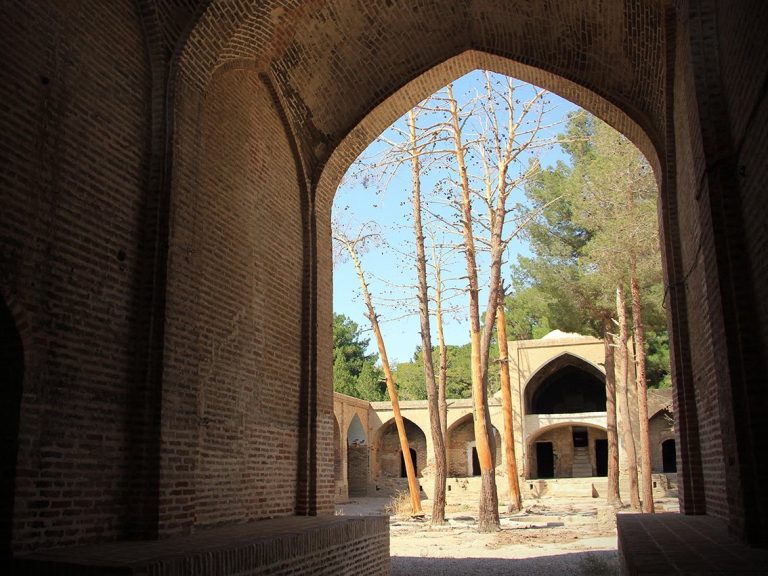
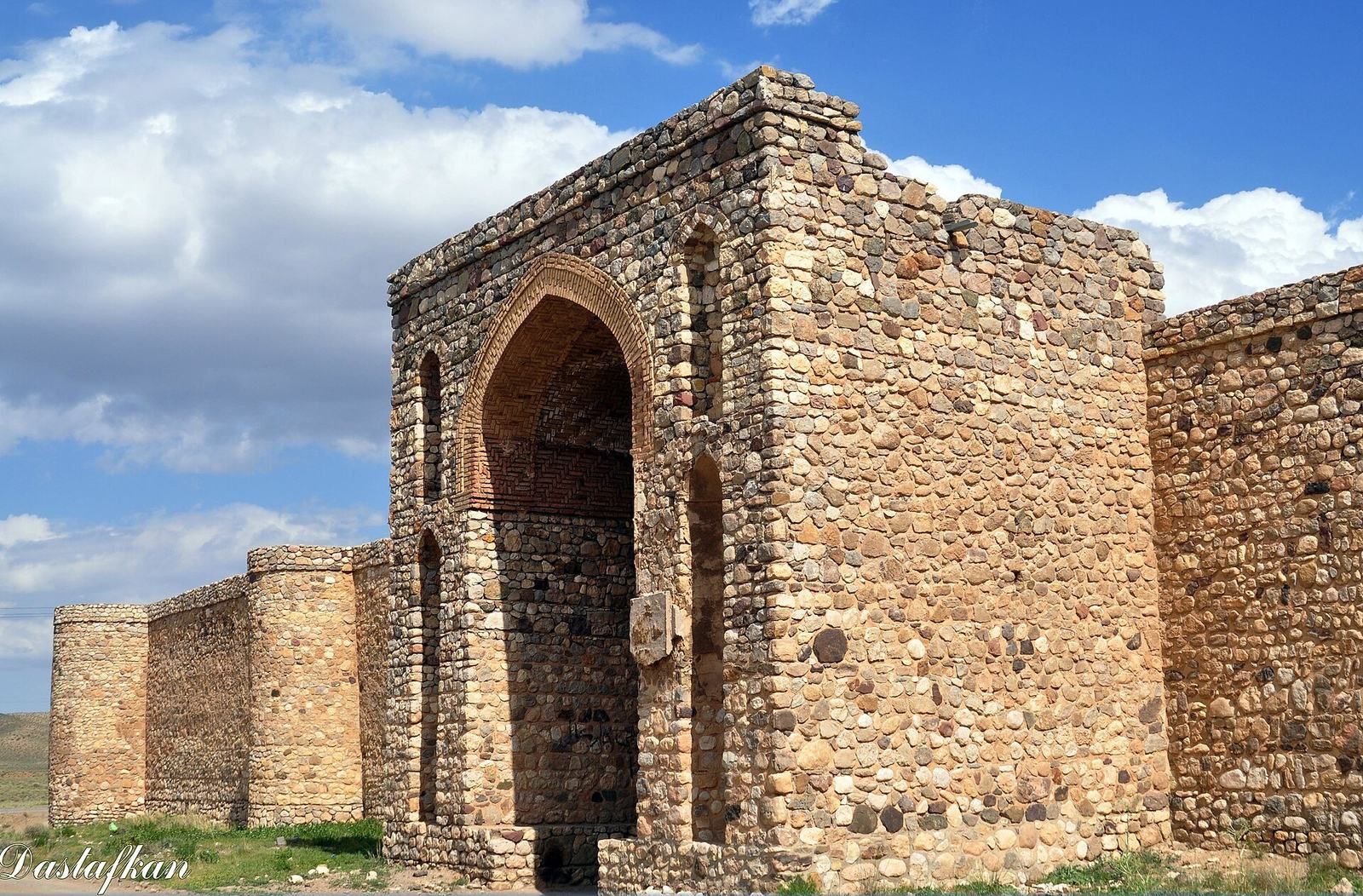
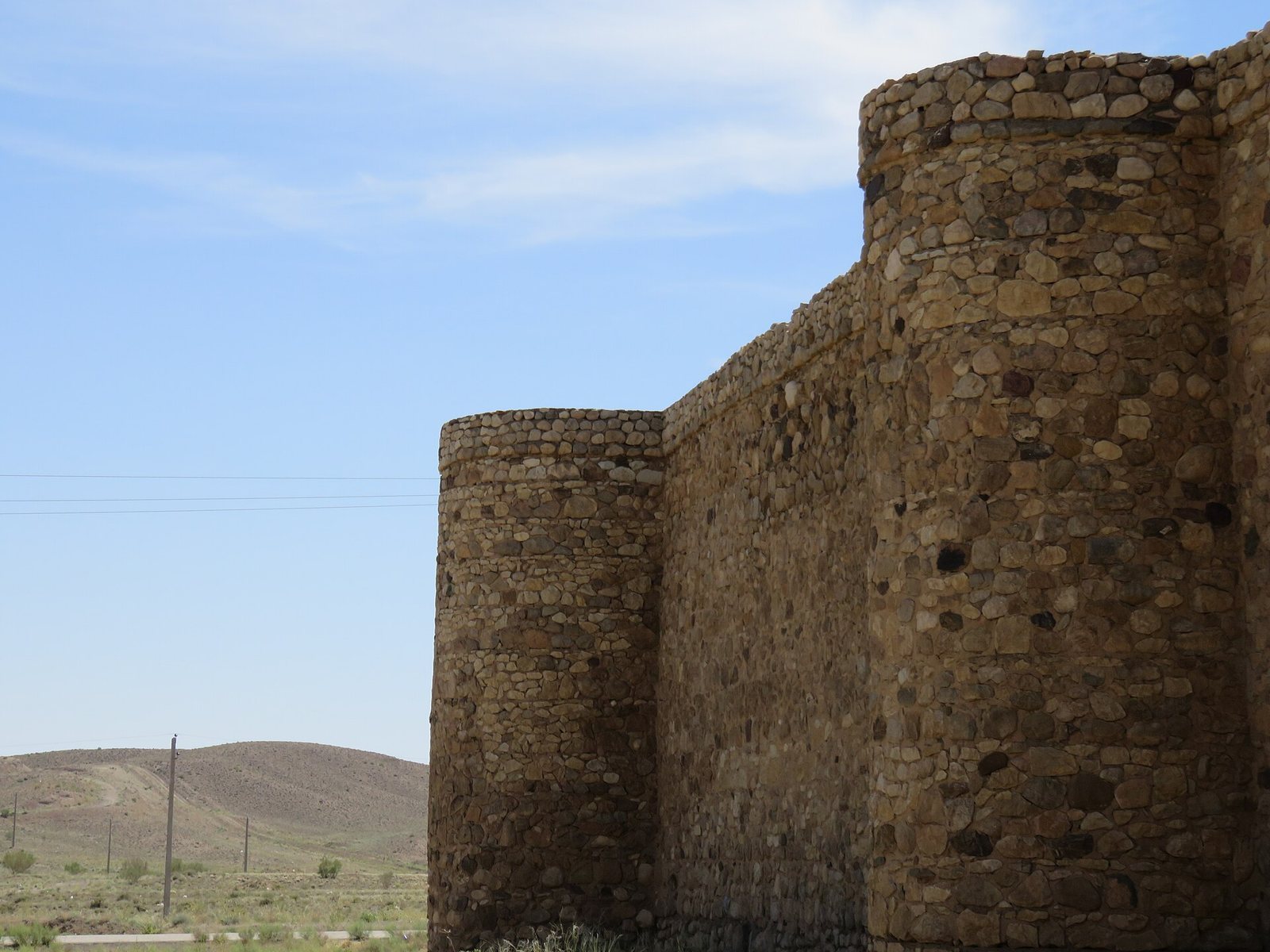
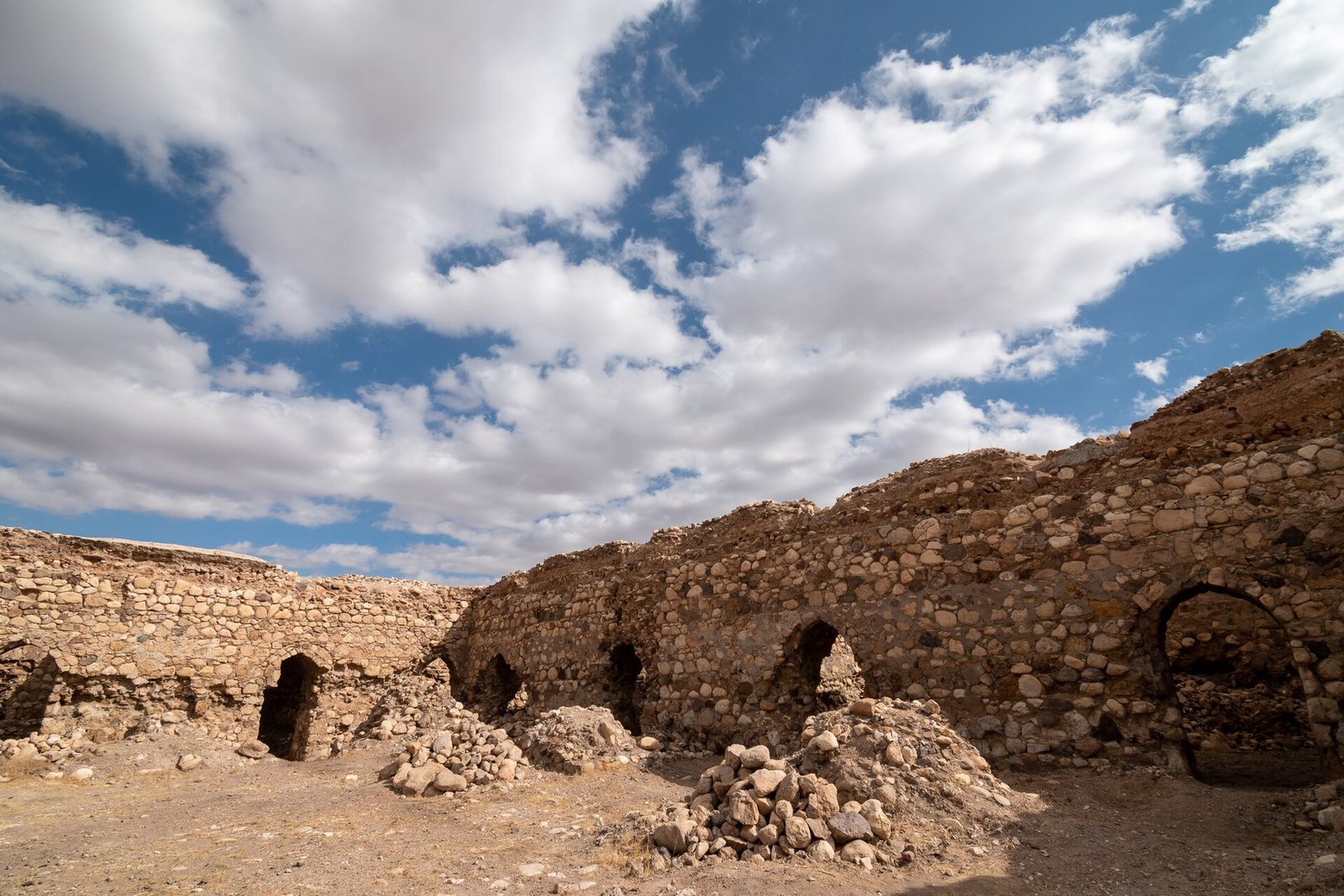
The caravanserai was arranged around a rectangular central courtyard, with 26 rooms and four tall iwans, or open-fronted halls, placed one on each side. Stone bonded with saruj, a traditional mortar, was used in its construction, along with plaster and brick.
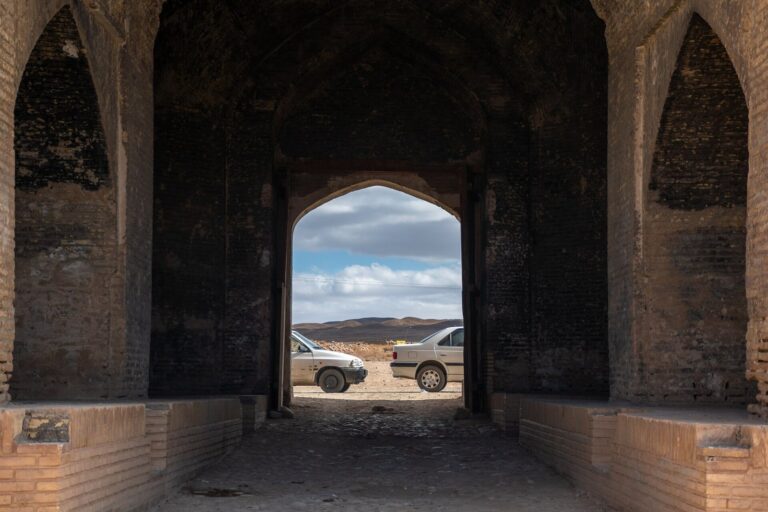
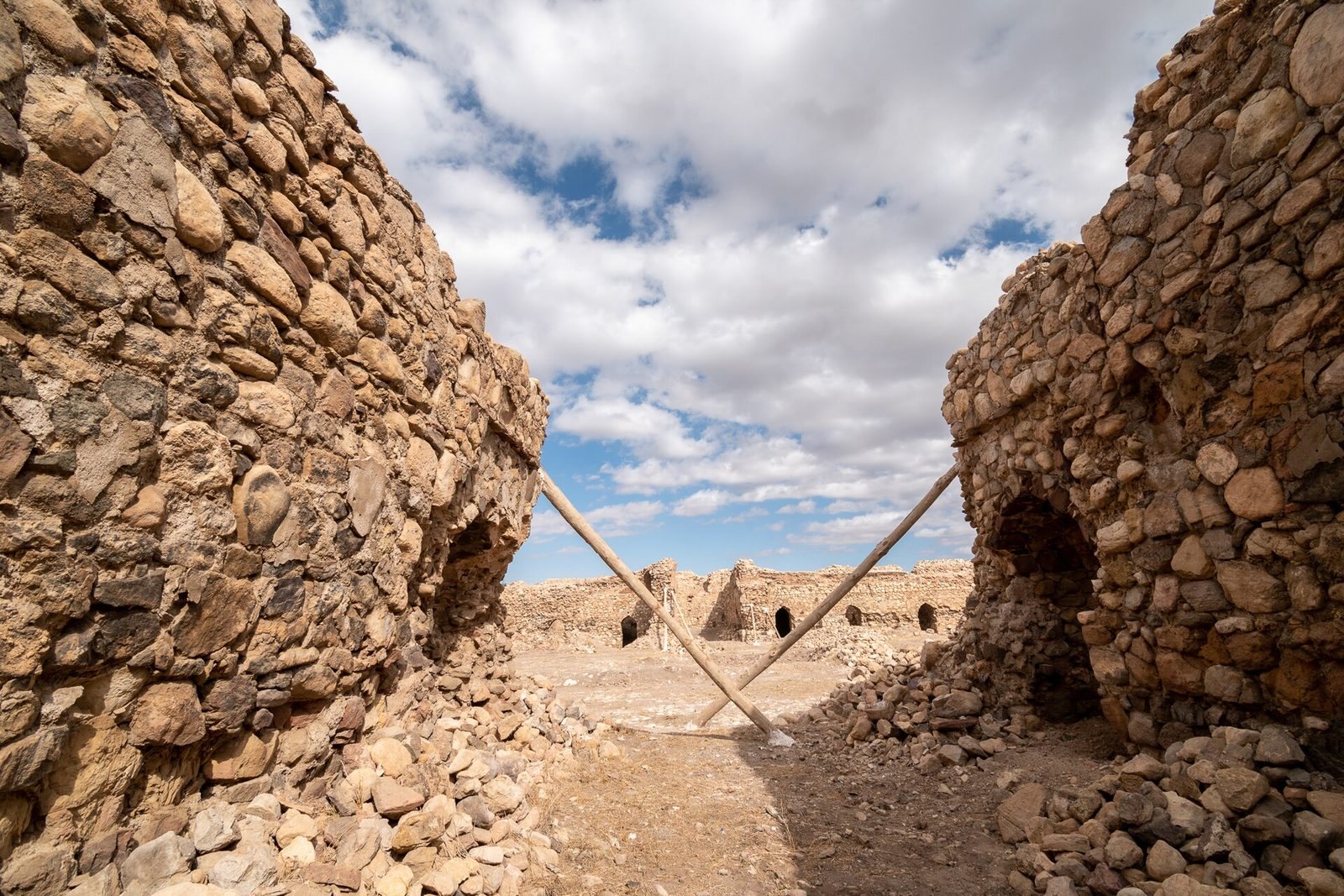
The surviving structure consists of the surrounding walls and part of the large entrance passage at the front. The rest of the building has been reduced to a mound of small and large stones.