Agia Kyriaki Church, Apeiranthos: A Byzantine Iconoclast Monument in Greece
Site at a Glance
- Rating
- 4.4
- Popularity
- Very Low
- Country
- Greece
- Primary era
- Medieval
- Eras represented
- Medieval
- Civilizations
- Byzantine
- Site type
- Religious
- Remains
- Church
On this page7 sections
History
Construction during Byzantine Iconoclasm
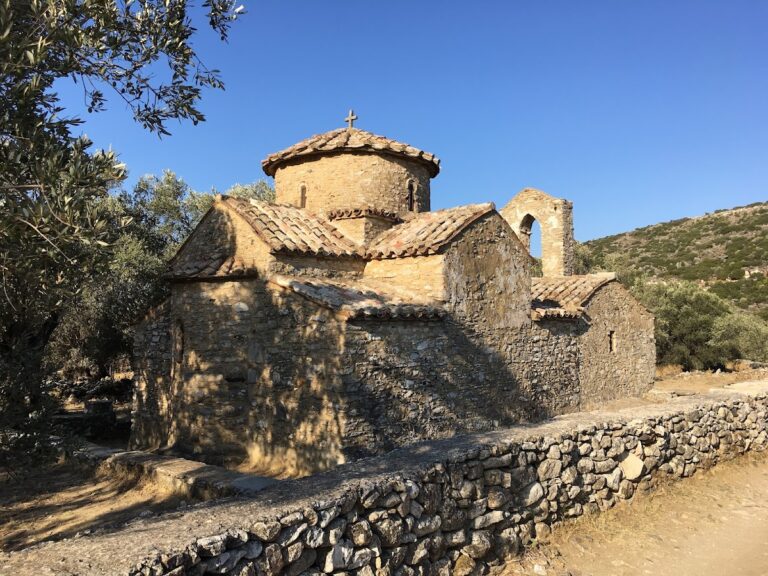
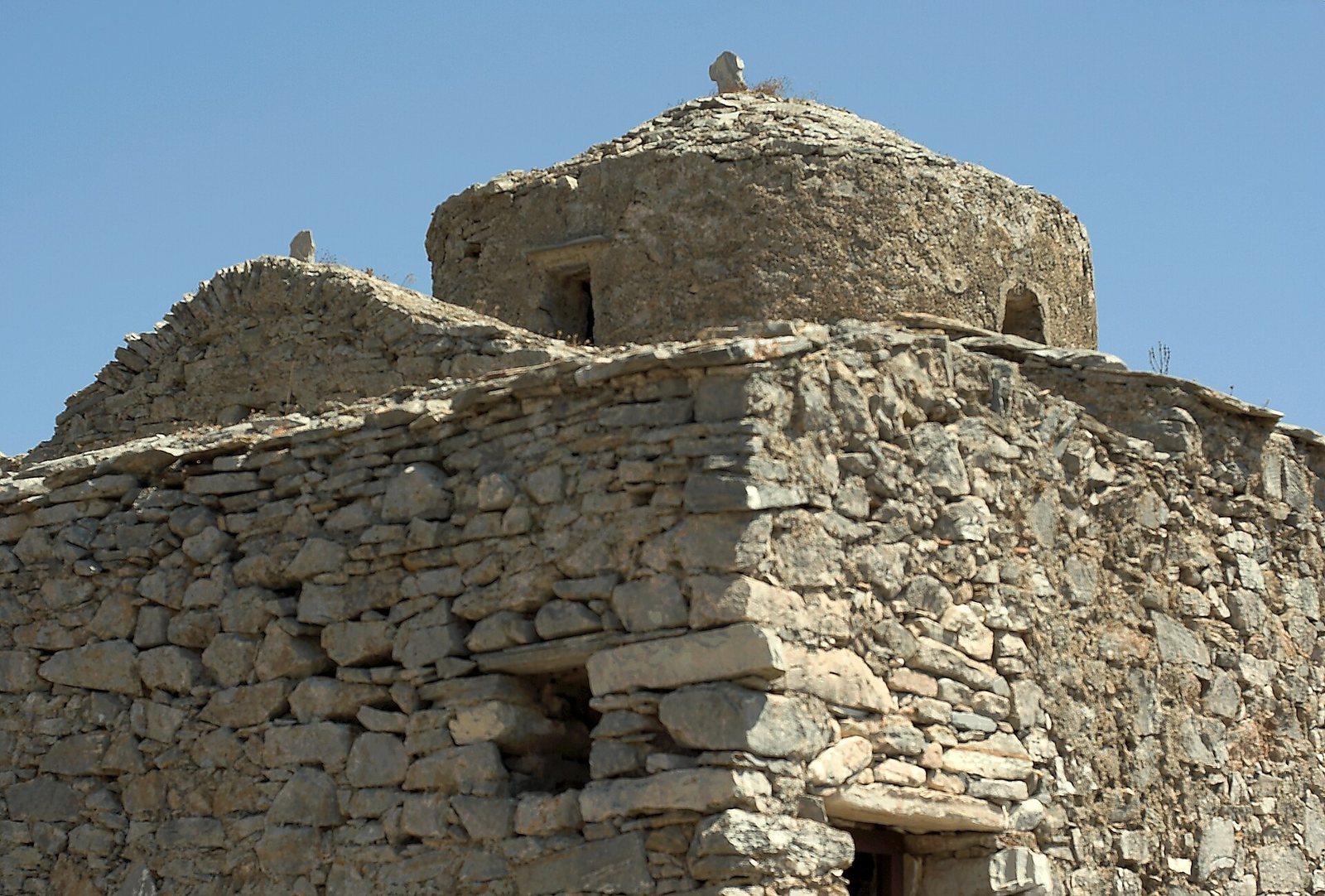
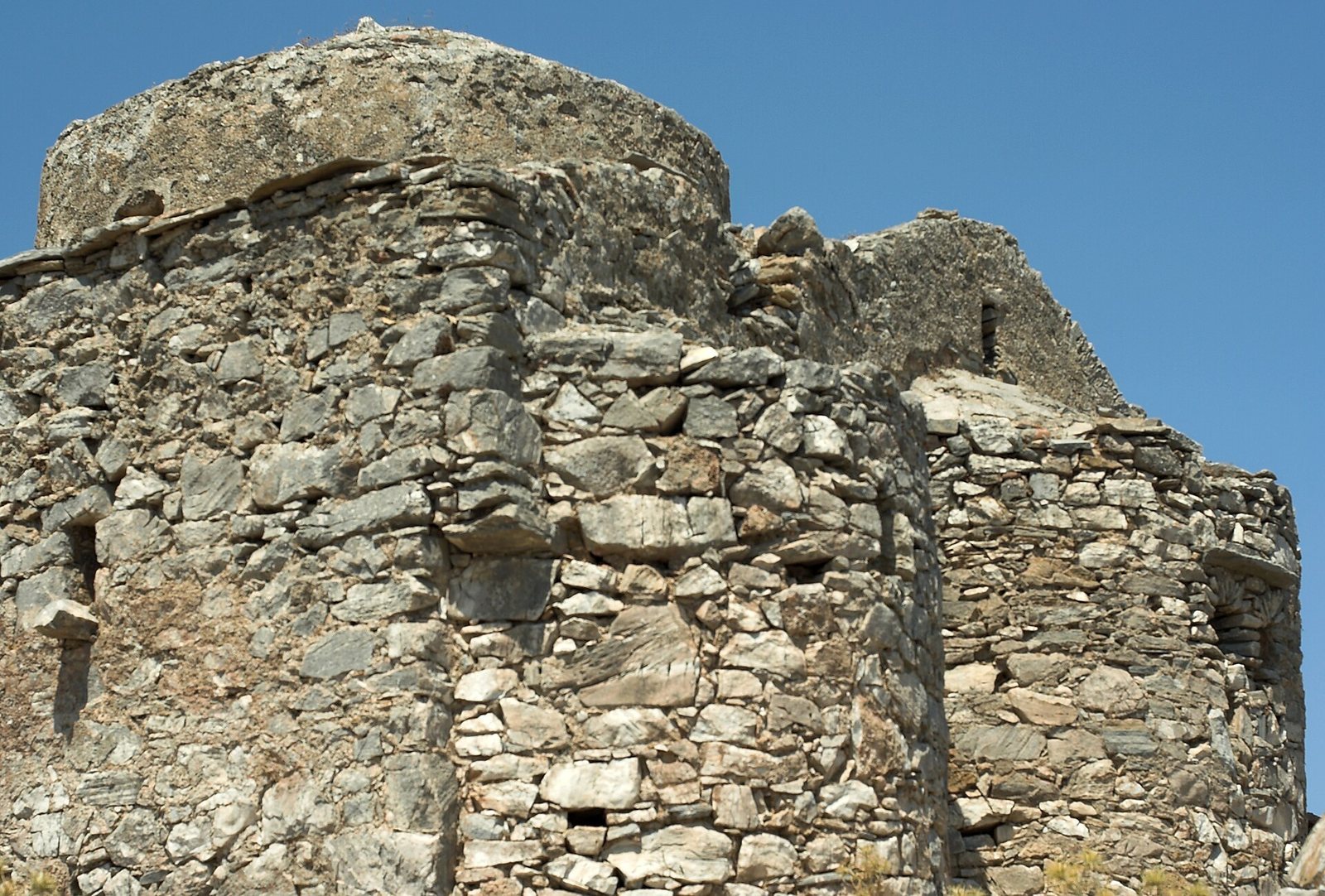
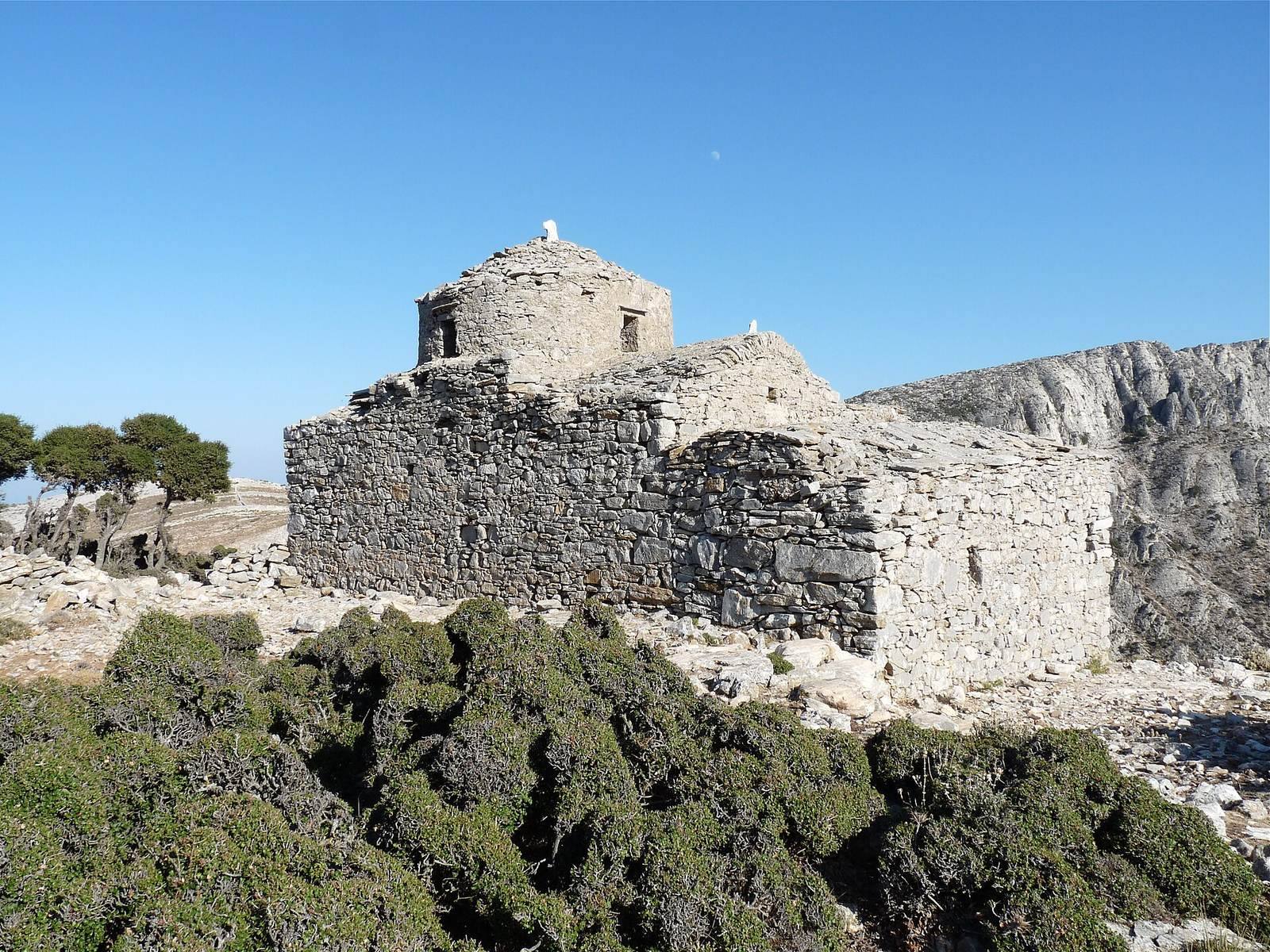
Agia Kyriaki church, Apeiranthos, is a Greek Orthodox church in Greece, built in the ninth century during the Byzantine Iconoclast period. It stands in the Kaloni area, approximately 3 km from Apeiranthos on the island of Naxos. The church is one of 11 on Naxos associated with Byzantine Iconoclasm, an eighth- and ninth-century religious and political controversy over whether sacred images could properly be venerated.
The church provides important evidence for the conflict within the Byzantine Empire over the use of sacred images. Its painted decoration is associated with the reign of the emperor Theophilos, who ruled from 829 to 842 and represented the final major phase of imperial opposition to the veneration of icons. During this period, imperial policy removed sacred images from churches, while walls could instead receive crosses, ornamental designs, animals, and birds.
Later use and conservation
A later phase of painting belongs to the thirteenth century and survives in the chapel. The stone iconostasis, a screen separating the sanctuary from the main body of an Eastern Christian church, also dates from this period.
Preservation efforts began in 1993 through the J.-G. Eynard organization of Geneva and the Greek-Swiss friendship society Amitiés gréco-suisses of Lausanne, which initiated financial support for restoration. The initiative continued in 2005 through the Swiss Association Hagia Kyriaki, Naxos, working with the Council of Architectural Heritage of the Greek Society for Environment and Culture.
Structural stabilization and waterproofing followed under the supervision of the Second Ephorate of Byzantine Antiquities, a regional office of Greece’s archaeological service responsible for protecting and conserving antiquities. In 2015 and 2016, the Ephorate of Antiquities of the Cyclades restored the church’s paintings with support from the Greek Ministry of Culture and the two associations. Further financial assistance came from the J. F. Costopoulos Foundation, the A. G. Leventis Foundation, and Marina and Athanasios Martinos. Restoration work and fundraising for its continuation remain ongoing.
Remains
Painted decoration
Agia Kyriaki preserves wall paintings characteristic of ecclesiastical art produced during the Iconoclast period. The decoration combines crosses with geometric and plant motifs, creating an ornamental program suited to a time when churches could be decorated without the usual sacred figures. Distinctive birds form another major element of the paintings.
Some art historians identify an influence from Sasanian Persia in the birds shown with ribbons around their necks. These painted details contribute to the church’s value as evidence for the artistic language associated with the ninth-century phase.
Chapel paintings
The chapel contains a substantially later painting from the thirteenth century depicting prayer. Its later date distinguishes it from the principal painted decoration associated with the Iconoclast period and shows that the church continued to receive new religious imagery.
Stone iconostasis
A stone iconostasis from the thirteenth century survives within the church. This partition marks the boundary between the sanctuary and the main body of the building and belongs to the same later phase as the chapel painting.