Abu-Nasr Palace: An Ancient Fortress and Settlement in Iran
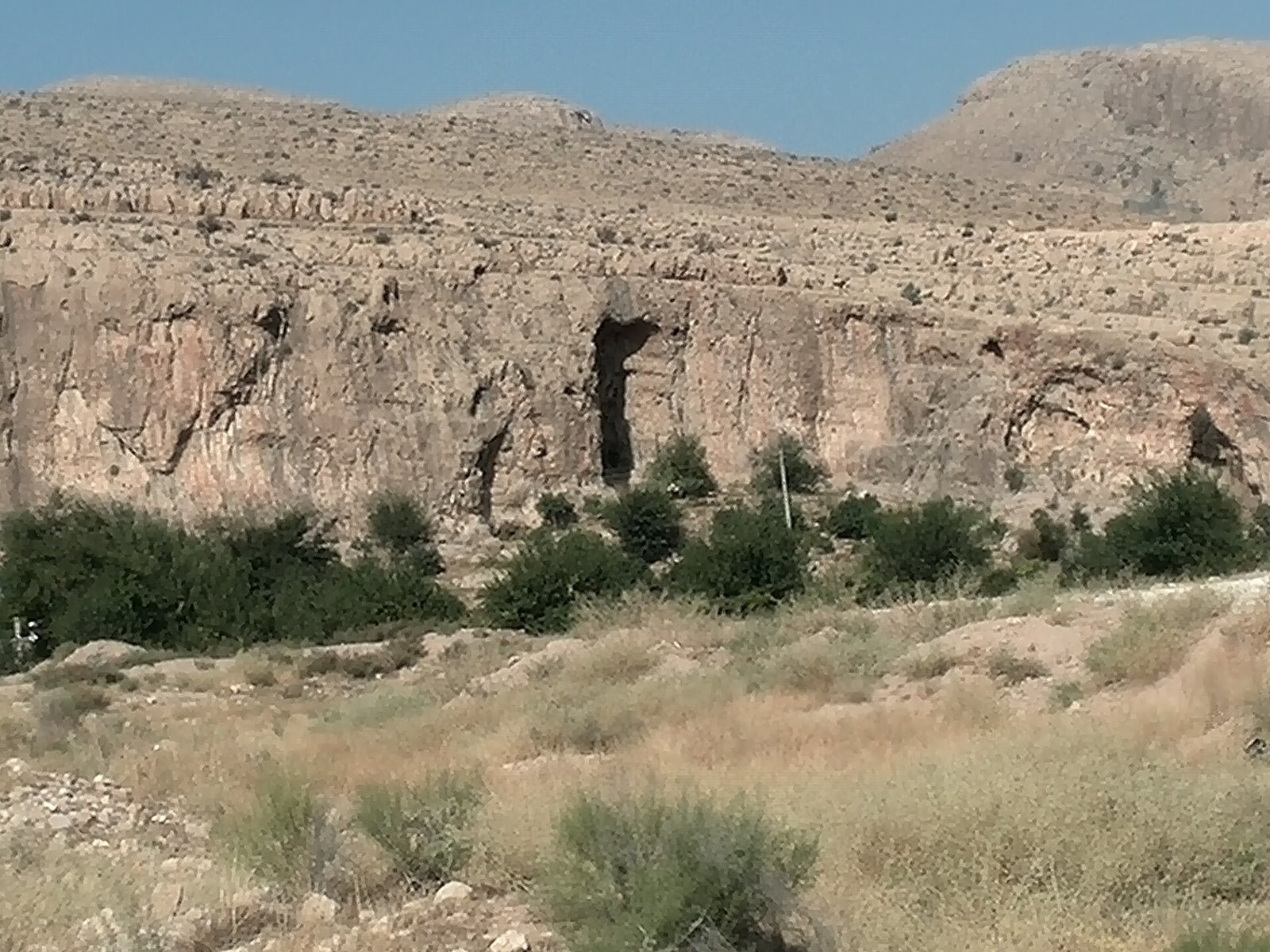
Site at a Glance
- Rating
- 4.4
- Popularity
- Medium
- Country
- Iran
- Primary era
- Classical
- Eras represented
- Classical
- Civilizations
- Parthian
- Site type
- Military
- Remains
- Fort
On this page6 sections
History
Parthian and Sasanian periods
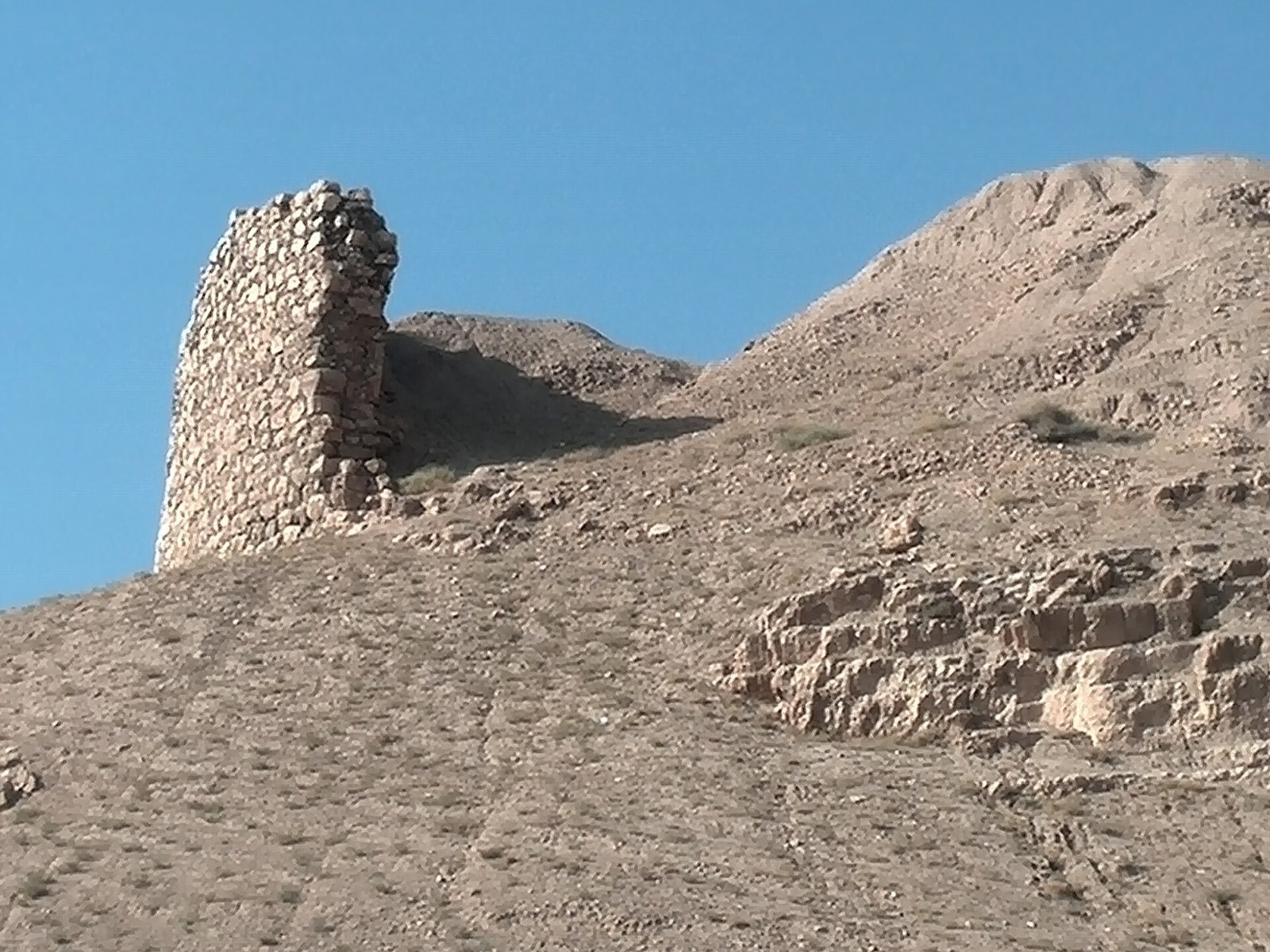
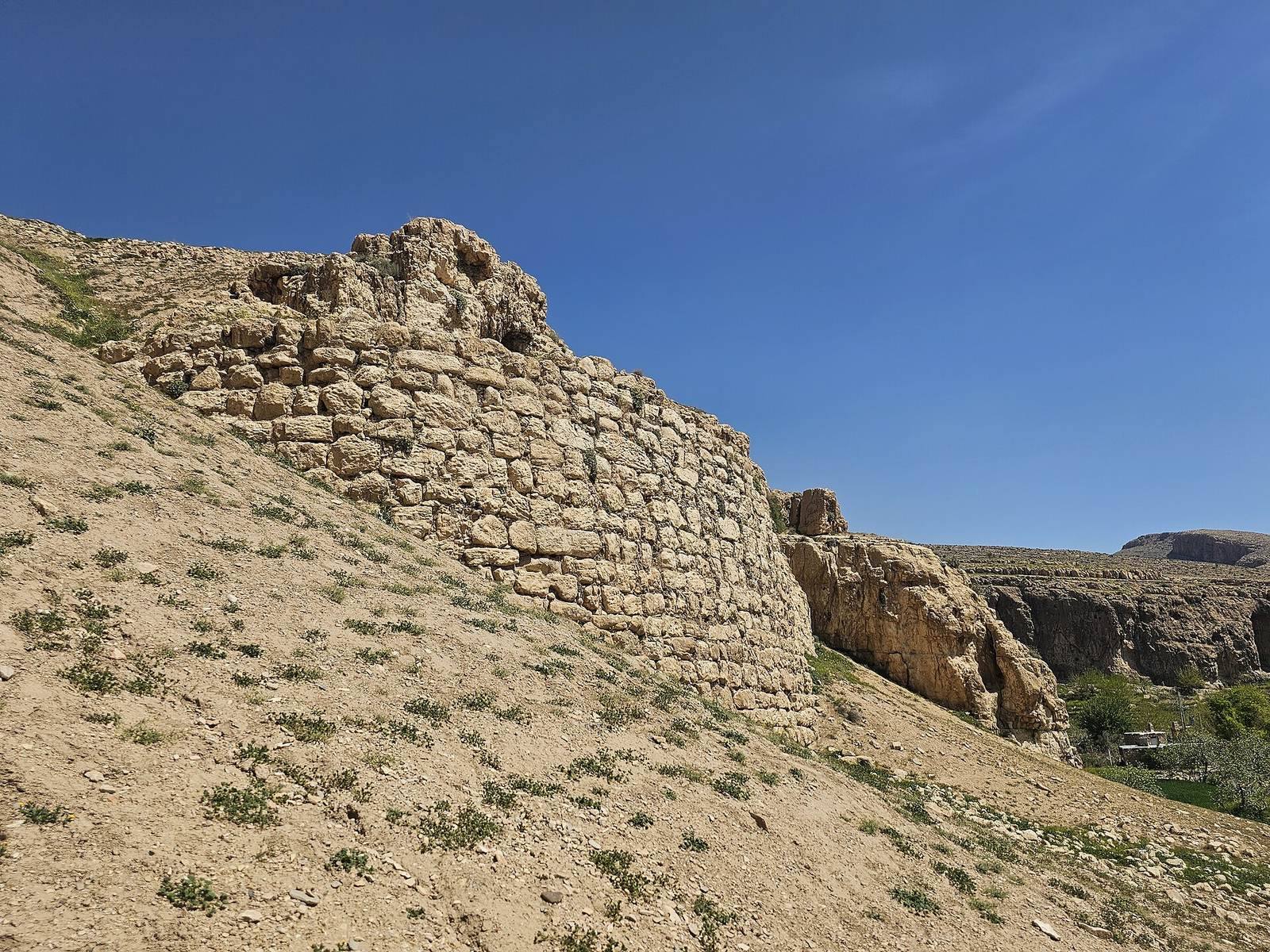
Abu-Nasr Palace is an ancient settlement and fortress site in Shiraz, Iran. Its fortress was built during the Parthian era, when the Parthians ruled an Iranian empire. In the succeeding Sasanian era, an Iranian dynasty, the site was considered strategically important.
Names and heritage recognition
During the Muslim conquest of Iran, the palace was called Qasr-i Abunasr, meaning “Palace of Abu Nasr.” An Iranian historical list used the name Takht-e Soleyman, or “Throne of Solomon,” in 1932. Solomon was a biblical king traditionally associated with the First Temple in Jerusalem. Abu-Nasr Palace has been included in Iran’s National Heritage List since 1931.
Remains
Settlement and palace
The site survives as ruins of an ancient settlement and fortress. One palace within it was called Shiraz, and the city of Shiraz derives its name from that palace.
Finds
Finds from the site include coins, among them drachmas, an ancient coin denomination, and artistic objects associated with the Achaemenid and Sasanian Iranian dynasties, the Hellenistic Seleucids, and the Parthian Iranian empire.