Apadana of Persepolis: An Achaemenid Audience Hall
Site at a Glance
- Rating
- 4.8
- Popularity
- Low
- Country
- Iran
- Primary era
- Classical
- Eras represented
- Classical
- Civilizations
- Achaemenid
- Site type
- Civic
- Remains
- Palace
On this page10 sections
History
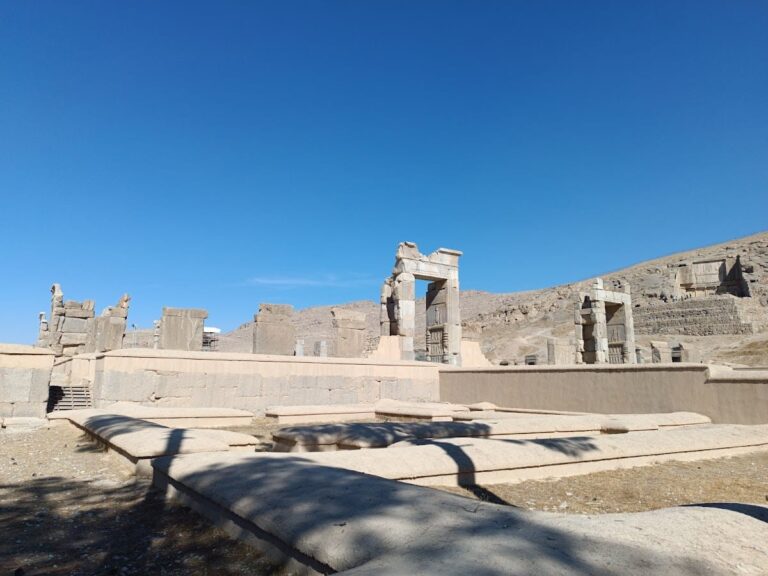
The Apadana of Persepolis is an Achaemenid audience hall in Iran, begun under Darius the Great and completed during the reign of Xerxes. The Achaemenid Empire was the Persian imperial dynasty that ruled much of western and central Asia from the sixth to the fourth century BC. As one of the inner palaces of Persepolis, the Apadana probably served as the empire’s principal reception hall, where the king received tribute and exchanged gifts with representatives of subject peoples.
Construction and royal use
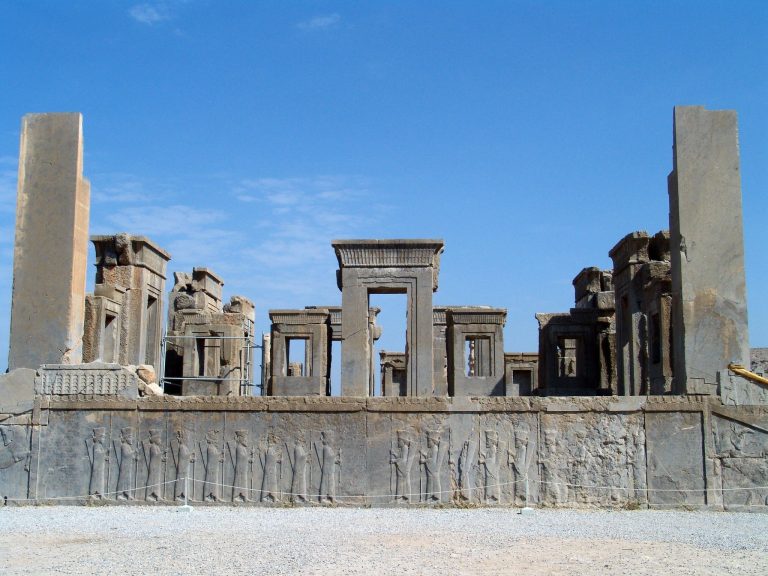
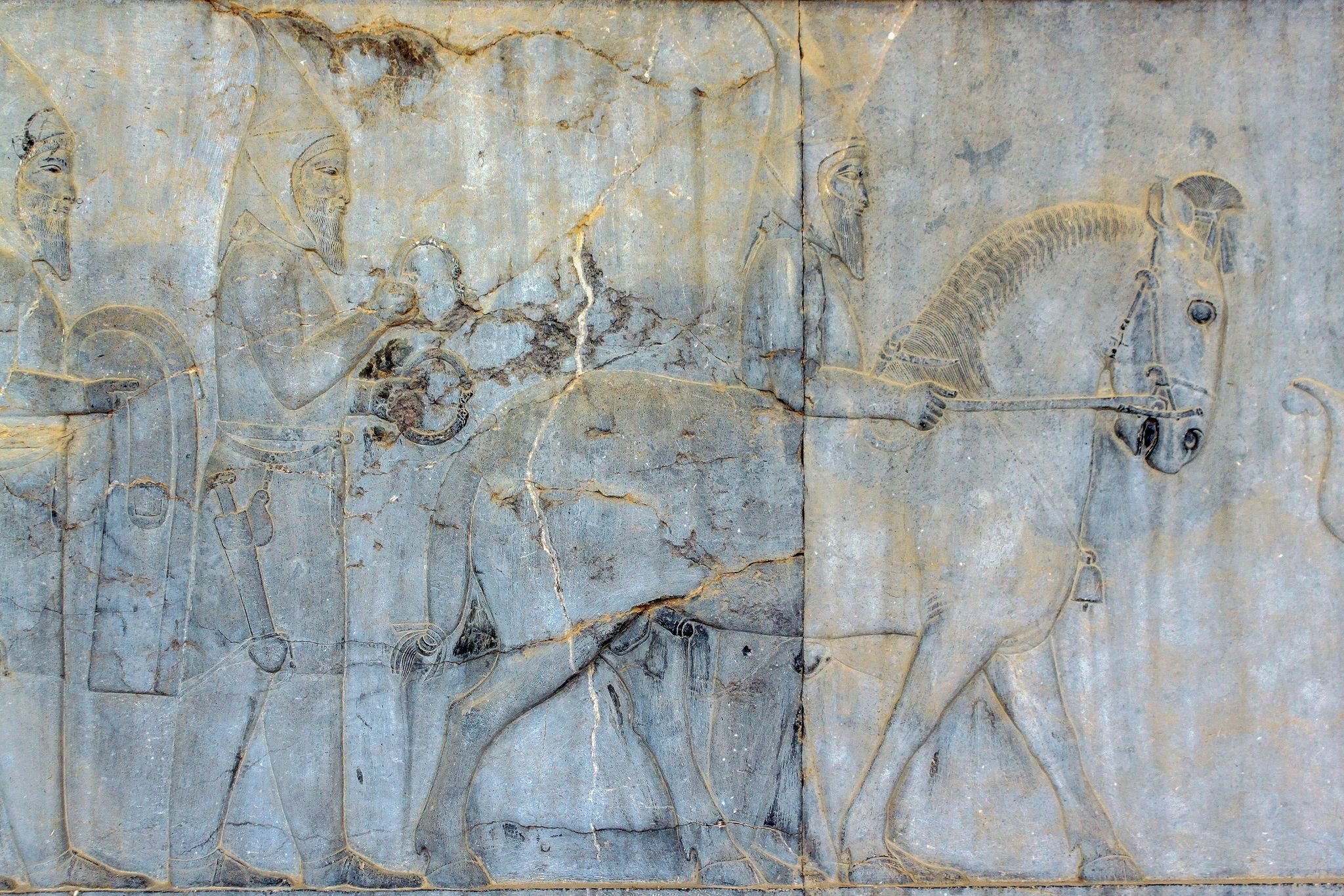
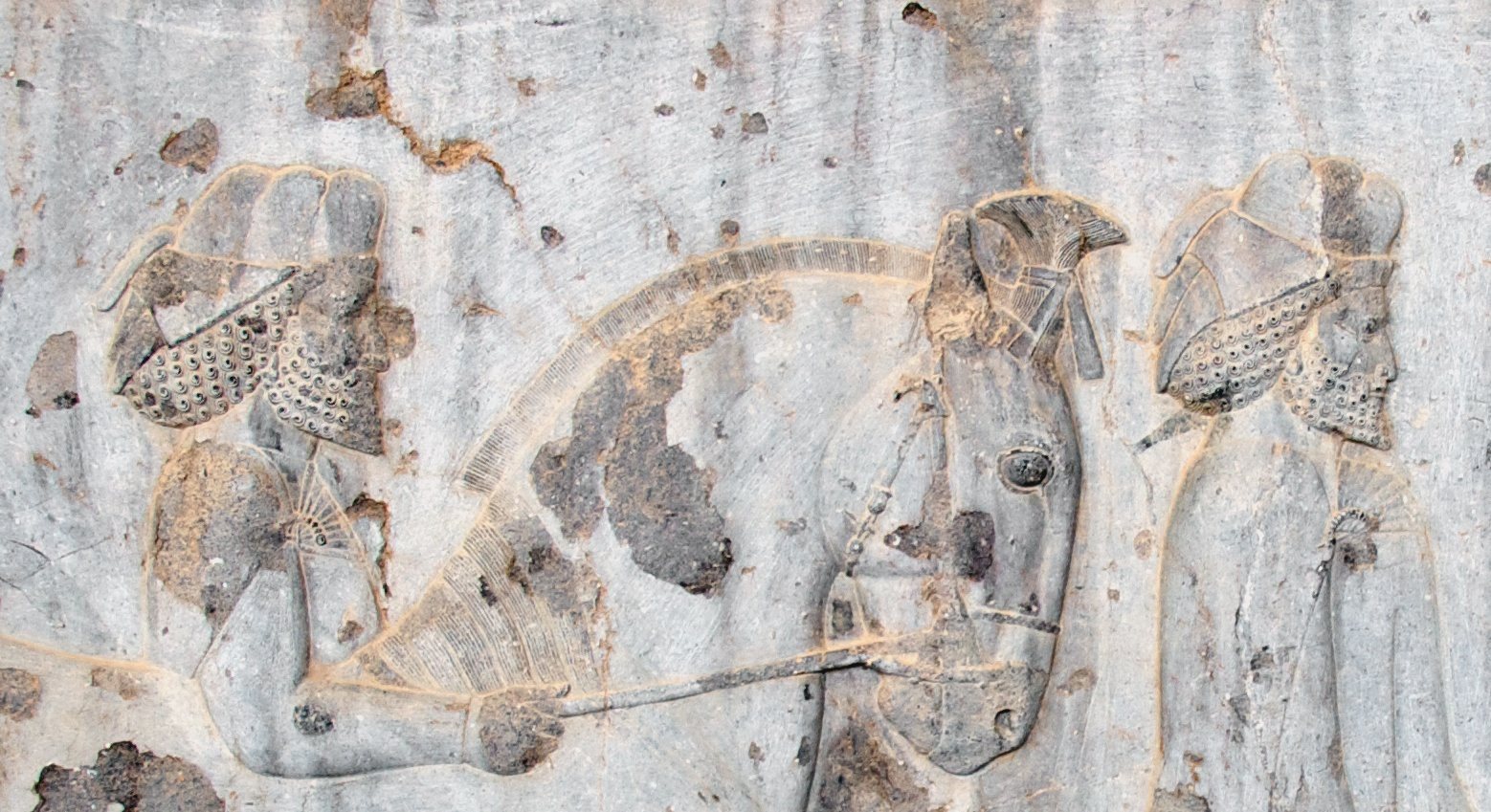
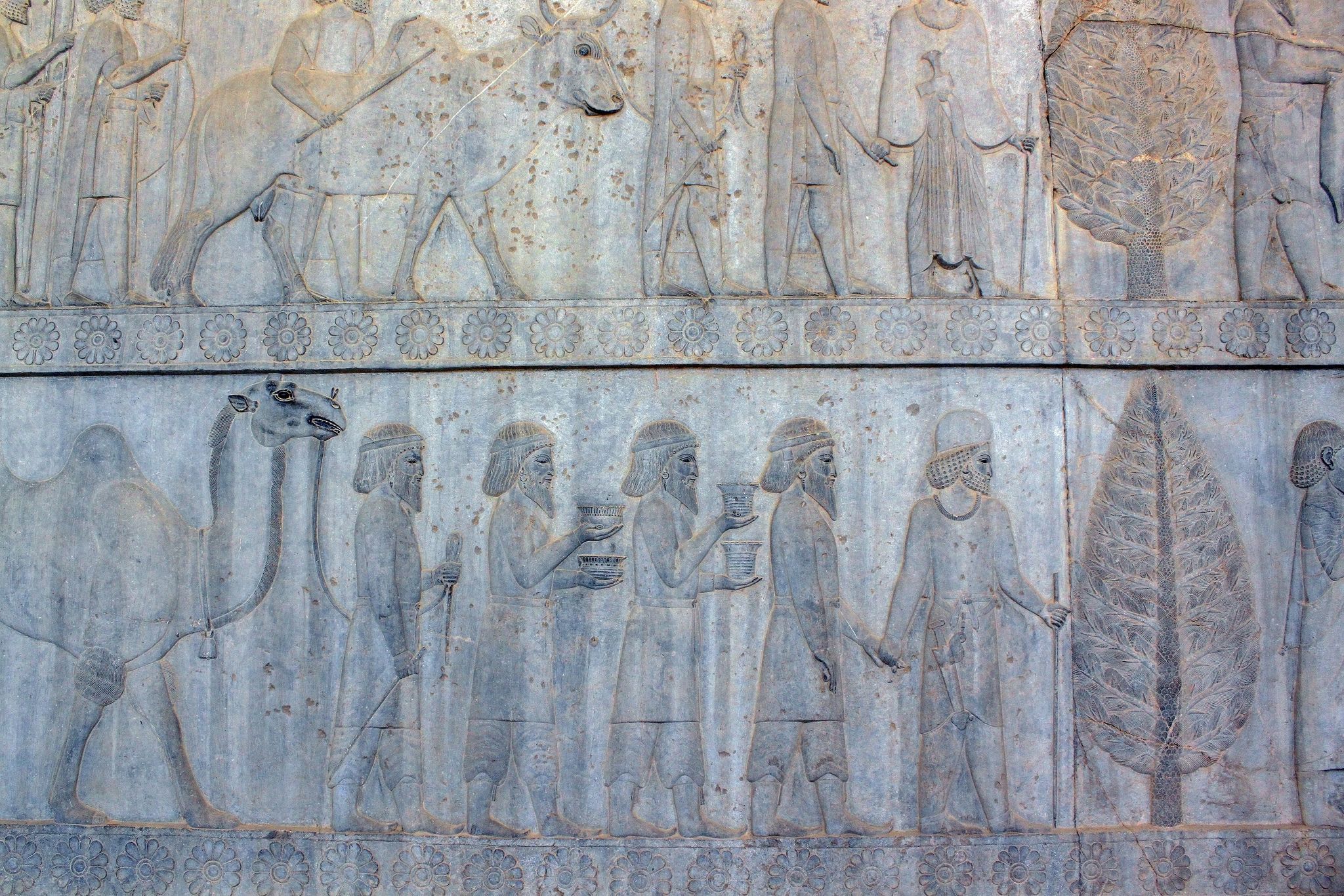
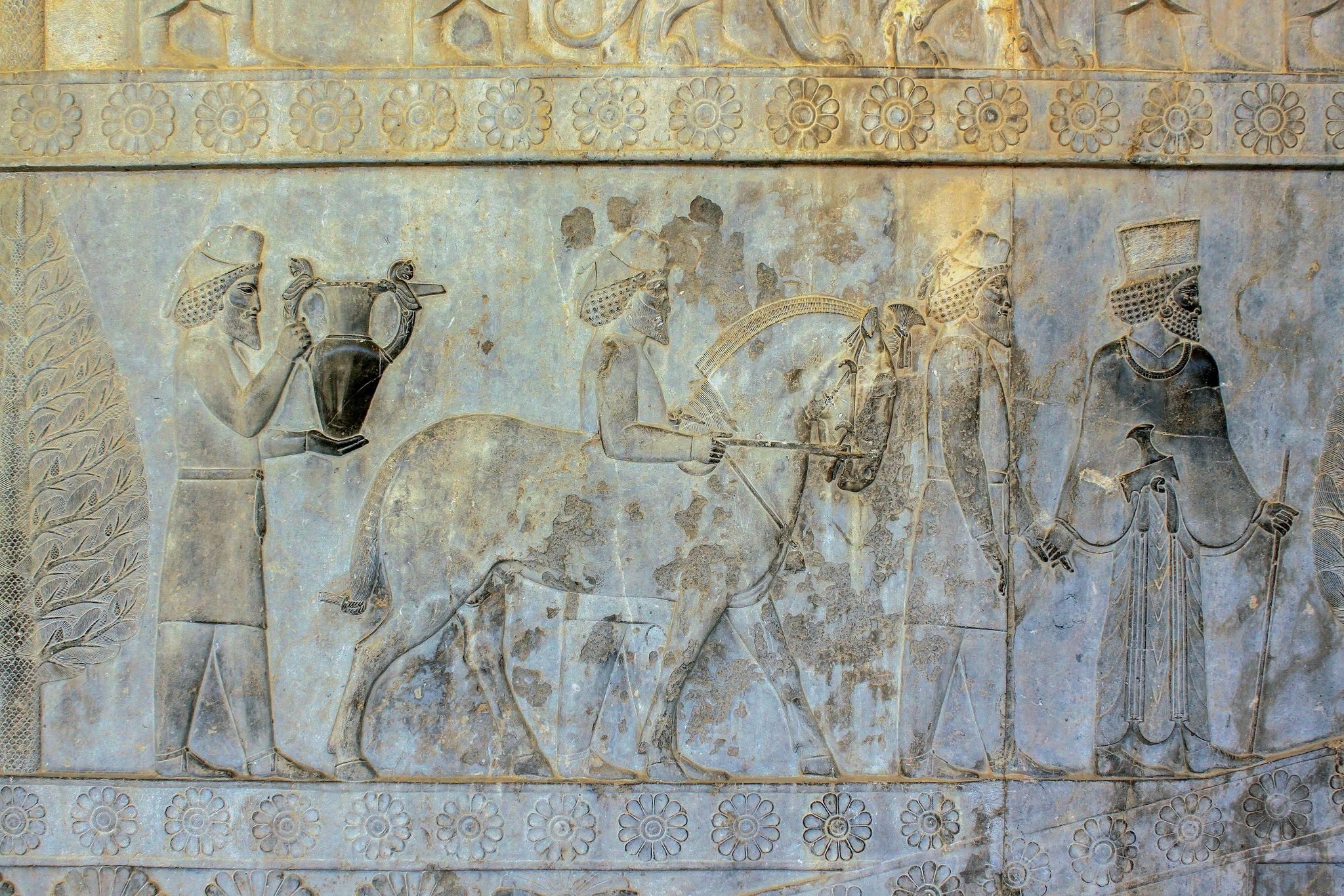
The building was associated with both Darius and Xerxes, successive Achaemenid kings. Its ceremonial function is reflected in the representations of delegations bringing offerings to the ruler. The east portico presents these peoples in gestures described as fraternal, with each delegation distinguished by its clothing and gifts.
Destruction and excavation
Alexander the Great’s army destroyed the hall in 331 BC. Its column stones were later reused as building material in nearby structures, altering the surviving fabric of the palace.
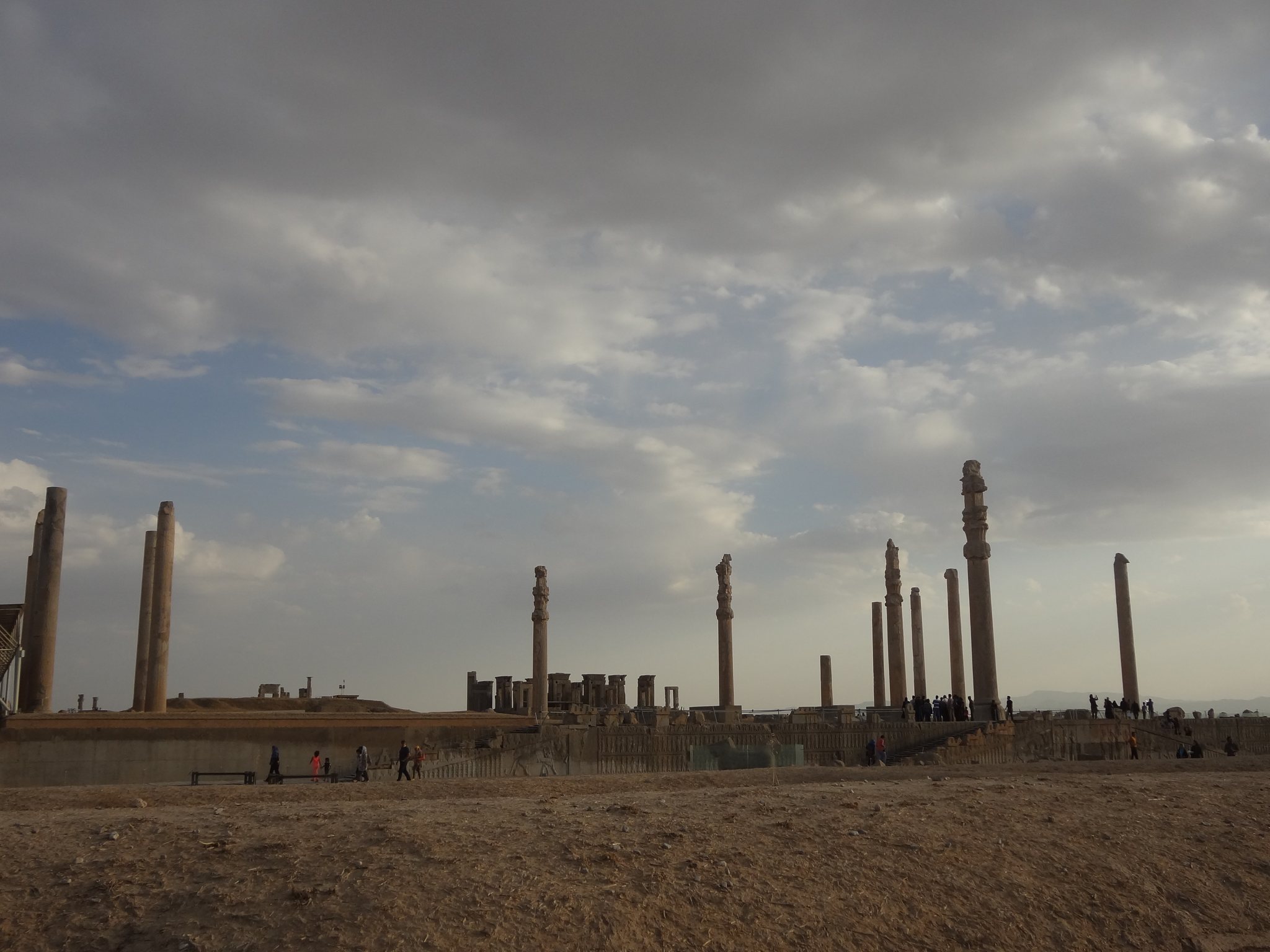
Ernst Herzfeld and his assistants Friedrich Krefter and Erich Schmidt excavated the monument between 1931 and 1939. Important excavation materials are now held in the archives of the Freer Gallery of Art in Washington, DC. In the twentieth century, 13 monumental columns remained standing. Some columns were re-erected but fell again during the 1970s, and 14 columns now remain.
Remains
Layout and construction
The Apadana is the largest building in the Persepolis complex. It measures approximately 60 metres by 60 metres and rose about 22 metres high, with columns reaching roughly 20 metres. The palace stood about three metres above the courtyard floor. Its rectangular central hall contained 36 columns, while porticoes on the north, east, and west sides each contained 12, giving the building 72 columns in total. Four towers occupied the outer corners, and guard rooms extended along the southern side. Monumental stairways on the north and east provided access to the hall.
Reliefs and royal imagery
Processional stairways
The stairway reliefs show delegations from 23 subject nations presenting homage to Darius I, who appears seated at the centre. Their clothing and equipment preserve detailed representations of peoples living within fifth-century-BC Persia. The columns carried elaborate capitals shaped as bulls or lions.
Royal Audience relief
A relief known as the Royal Audience shows Xerxes seated on a throne with Darius immediately behind him. Xerxes holds a sceptre and a lotus bouquet, while Darius holds another lotus bouquet and raises his right hand in greeting. A Persian attendant, a Mede carrying a bow and axe, and two soldiers in Persian dress stand behind them. Another Mede approaches the king with his hand held before his mouth as a gesture of respect.
Erich F. Schmidt discovered the Royal Audience relief in the Persepolis Treasury in 1938. It originally decorated the façade of the platform facing the central stairway of the northern portico. One version is now in the National Museum of Iran, while a second is held by the Oriental Institute in Chicago. The preserved relief is in excellent condition.
Lion-and-bull panels
The triangular sections of the Apadana stairways contain repeated scenes of a lion biting a bull. The bull twists its head and rises onto two legs while attempting to escape the lion’s bite. The composition may symbolize Nowruz, the Persian New Year traditionally associated with the spring equinox. In an interpretation associated with A. Shapur Shahbazi, the lion has solar and stellar meanings, while the bull represents the moon or darkness. The scene may therefore express the spring equinox, the beginning of a new cycle, and the triumph of royal order over disorder. This interpretation is considered consistent with the astronomical situation around 500 BC.
The lion-and-bull motif is said to derive from coins of the last king of Lydia, a kingdom later conquered by Cyrus the Great. It reappeared on coins around 510 BC and became strongly associated with Achaemenid power.
Royal inscription
An inscription of Xerxes appears on the southern side of the east portico. It invokes Ahuramazda, the supreme deity named in Achaemenid royal inscriptions, as the creator of the earth, heavens, humanity, and human fortune. The text identifies Xerxes as a great king, king of kings, and son of Darius of the Achaemenid line, and states that he carried out works at Persepolis and elsewhere under Ahuramazda’s protection.