Abbey of the Thanks-God: A Former Cistercian Abbey in France
Site at a Glance
- Rating
- 4.6
- Popularity
- Low
- Country
- France
- Primary era
- Early Modern
- External website
- Open
- Eras represented
- Medieval, Early Modern, Modern
- Civilizations
- French, Holy Roman Empire
- Site type
- Religious
- Remains
- Monastery
On this page16 sections
History
The Abbey of the Thanks-God is a former Cistercian abbey in Chaux-lès-Passavant, France, founded in 1139 in a wooded valley beside the Audeux River. Dedicated to Our Lady, it belonged to the Cistercian network descending from Morimond through the mother abbeys of Bellevaux and La Charité. The Cistercians were a reform branch of Western Christian monasticism that combined communal prayer, manual work, austerity, and self-sufficient economic life.
Foundation and medieval expansion
Richard de Montfaucon, a regional lord, initiated the foundation on 25 March 1139. Five religious came from La Charité under the leadership of Pierre Gauthier, who became the first abbot. The first community built a shelter and an oratory in a difficult, sparsely settled valley previously known as the Valley of the Owls. Medieval records used several names for the place, including Rupes florida, Vallis florida, and Locus Gratiae Dei or Misericordiae Dei. From the thirteenth century, the valley was also associated with the Blessed Virgin Mary because the abbey kept a miraculous statue there until the eighteenth century.
The original endowment included the valley and properties linked with Aïssey, Fallondans, and Quineunt. The Montfaucon and Rougemont families, along with Renaud III, count of Burgundy, supported the foundation. Archbishop Humbert of Besançon confirmed the abbey’s possessions in 1147, including holdings at Quineunt, Aïssey, and Fallondans, while recording donations from Thiebaud de Rougemont and Richard de Montfaucon. In 1141, the metropolitan chapter of Saint-Jean in Besançon entered into an association treaty with the community. Exemptions on the sale, purchase, and transport of provisions also helped the monks establish themselves. In 1156, Emperor Frederick Barbarossa confirmed the abbey’s possessions and privileges, as well as those of related Cistercian houses.
The twelfth and thirteenth centuries brought the abbey its greatest prosperity. Donations included about twenty hectares at Chaux-lès-Passavant around 1188, the territory of Aïssey in 1194, and tithes at Saint-Juan. In 1248, Abbot Jean I used the honorific title “abbot by the grace of God,” an expression emphasizing the spiritual character of an abbot’s office and authority.
Landholding and protection
The community employed lay brothers, members of the order who generally performed agricultural, craft, and other manual work. They cleared land, established the farms of Le Mont and Rentessert, pastured animals at places called the Shepherd’s Plot and Shepherd’s Field, and enlarged the northern part of the monastic complex. From the fourteenth century, paid servants increasingly took over agricultural labor. The abbey possessed or controlled farms at Le Mont, Fallondans, Rentessert, Chaux, Aïssey, and Morchamps, together with mills on the Audeux and at Orsans. From the eighteenth century, it also possessed the Greuse high furnace, an industrial furnace used to smelt metal ore.
The lords of Montfaucon concluded a protection agreement with Abbot Humbert in 1249. In return for guardianship, they received rights connected with the abbey’s agricultural revenues. They established the fortified site of Châtelard about 500 metres from the monastery, where families of serfs formed the first village in the area. The Montfaucon family’s heraldic device, two gold barbels placed back to back on a red field, later became part of the abbey’s heraldic emblem. Members of the family also held the exclusive privilege of burial in the church choir.
War, decline, and industrial conversion
During the fourteenth-century wars between Duke Odo IV of Burgundy and the leading barons of Franche-Comté under John II of Chalon-Arlay, the abbey suffered exactions, devastation, and the loss of its archives. The Black Death and attacks by mercenary companies added to its difficulties. With help from regional nobles, the religious community returned in 1383.
In March 1476, French and Swiss forces attacked the area, killed members of the religious community, and drove the survivors away. Recovery proved difficult because nearby villages had been depopulated and farmland left uncultivated. The abbey also faced disputes with neighboring communes, encroachments by nobles, and conflicts connected with the Reformation, the sixteenth-century movement that challenged aspects of Western Catholicism and led to the formation of Protestant churches. The community eventually mortgaged all its possessions to Bellevaux.
Financial conditions improved somewhat in the eighteenth century, when the abbey’s extensive forests gained value through the growth of metalworking industries. The monastery nevertheless suffered another major disaster during the seventeenth-century Ten Years’ War, when Swedish forces devastated it. In late July 1789, local inhabitants forced open the abbey gates. The religious community left in 1790, and the establishment became national property. Its furnishings were auctioned in October 1790, while its remaining linen, library, and archives were pillaged in November. The domains of Aïssey, Le Mont, and Rentessert were sold in 1791. The monastery itself was sold in 1792 to a master of ironworks, who installed a forge there.
Religious revival and modern use
The Trappists acquired the abbey and its dependent forests in 1844. Trappists belong to the Cistercian Order of the Strict Observance, a stricter Cistercian tradition. They demolished the high furnace in 1845 and began rebuilding the complex. The mills were repaired in 1846, followed by the sawmill and refectory in 1847. A high furnace had also been placed in the church choir after the Revolution before its removal by the Trappists. The monks remained until 1909.
Cistercian nuns connected with the Port-Royal tradition returned during the late 1920s, in the interwar period. They produced honey and jam, made children’s clothing, and offered hospitality. As their numbers declined, they moved to the Abbey of Notre-Dame d’Igny in 2008. Since then, the site has been occupied by the Missionary Workers of the Immaculate of the Donum Dei Society of Apostolic Life. The abbey serves as their missionary training centre, with daily offices including lauds, Mass, and vespers, as well as religious retreats and confirmation-preparation sessions.
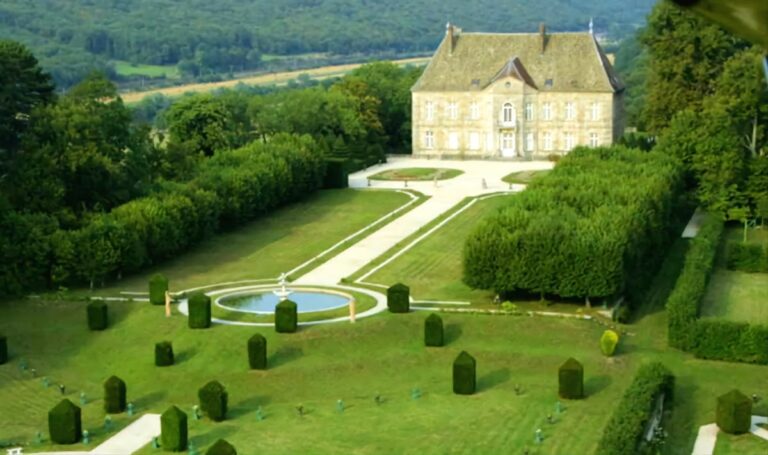
The abbey and several parts of its complex have been listed as historic monuments since 25 April 1995. The protected elements include the church, the buildings around the cloister extending toward the Audeux, the northern conventual wing’s façades and roofs, the western dependencies, the guesthouse, the north-eastern mill, and the fireplace and decoration of a ground-floor room in the almonry. The ornamental garden is also protected.
Remains
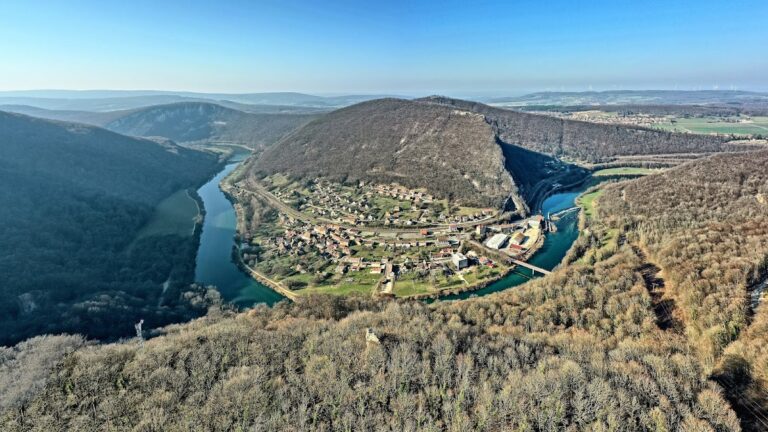
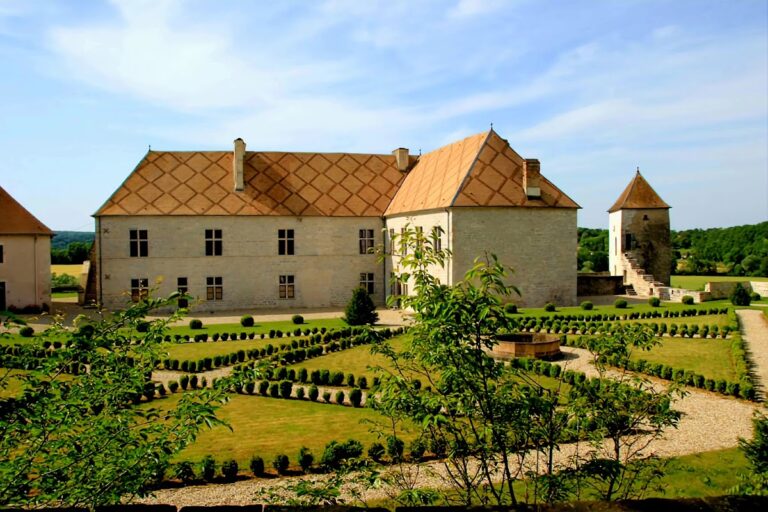
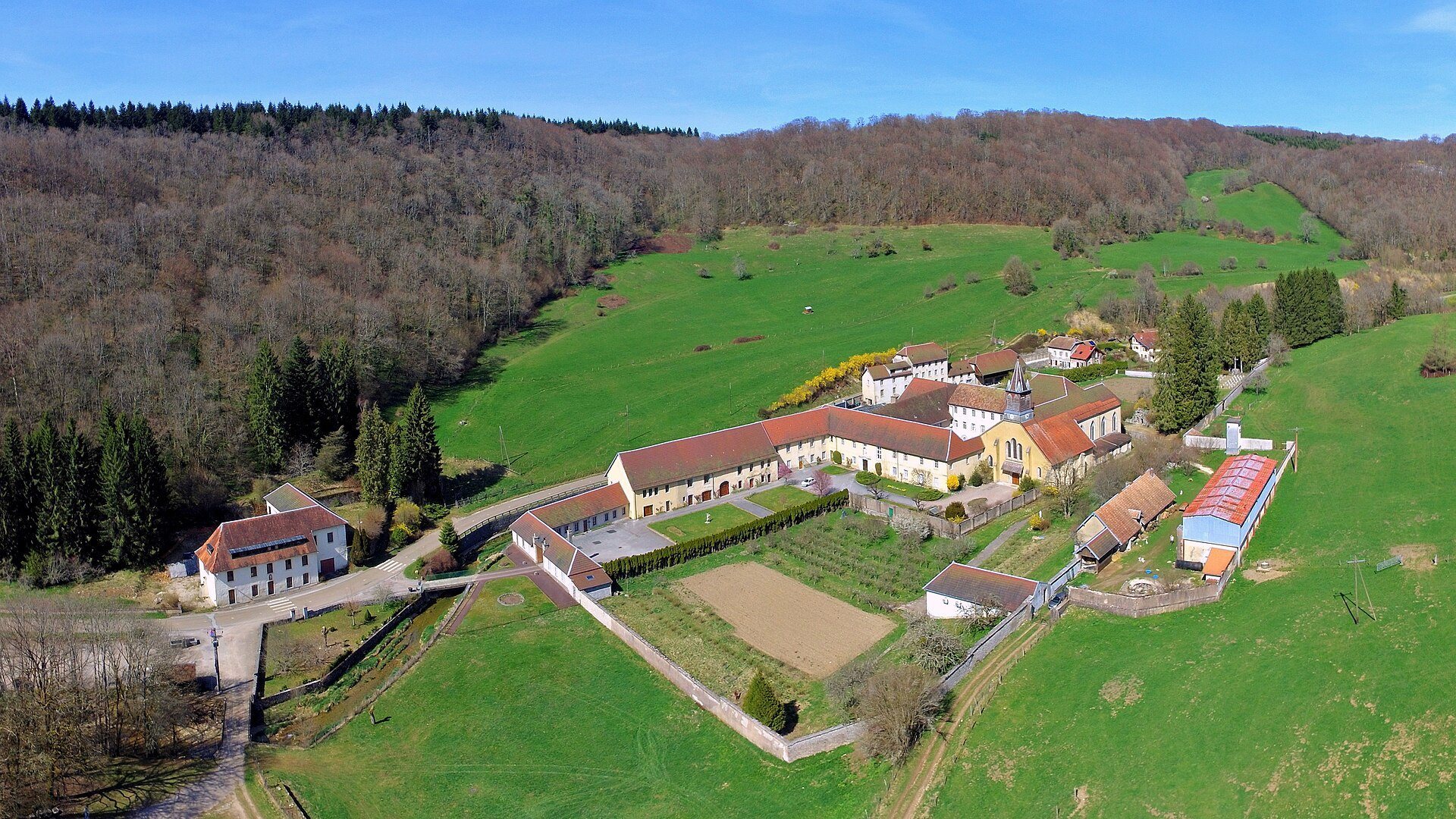
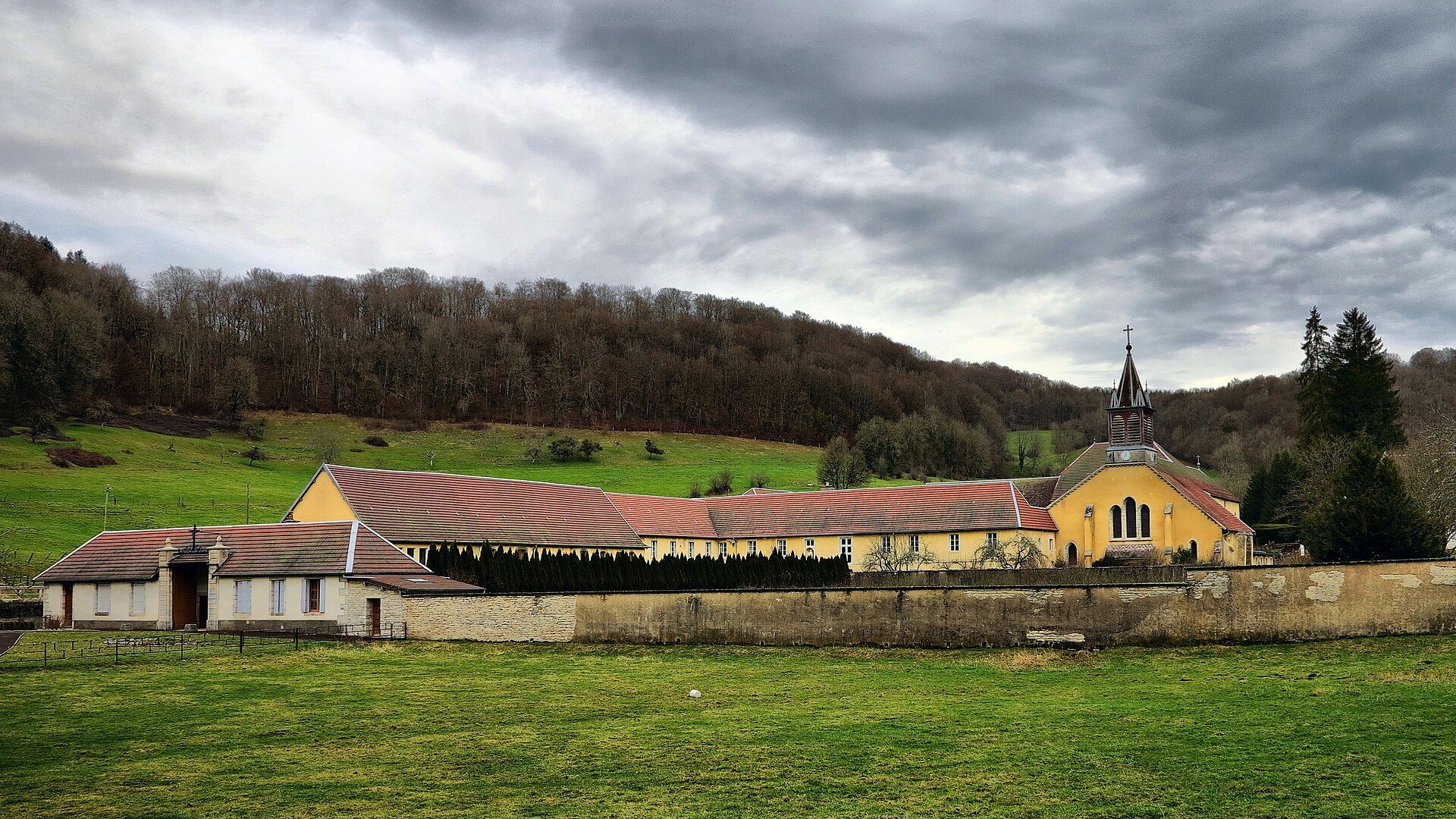
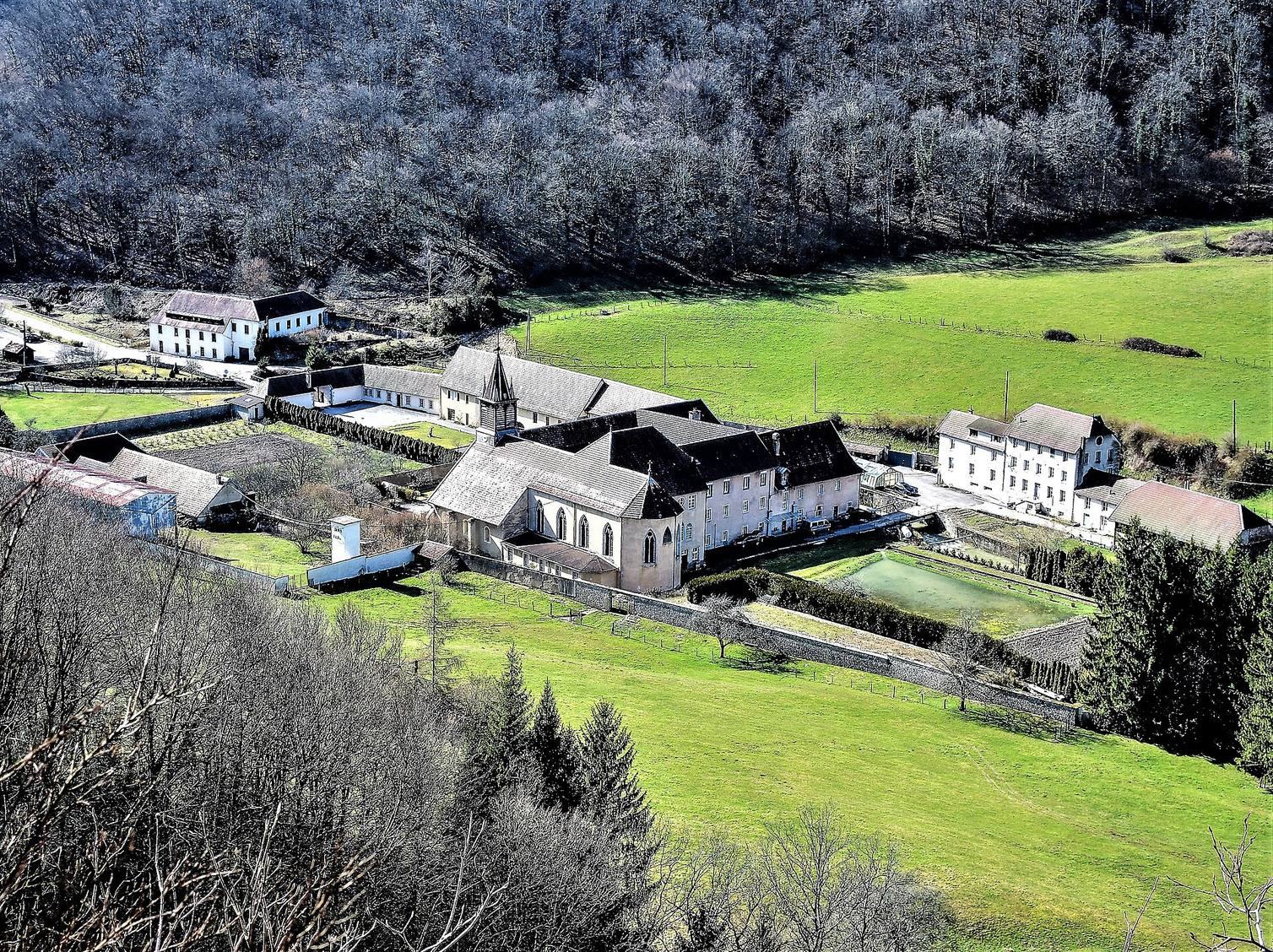
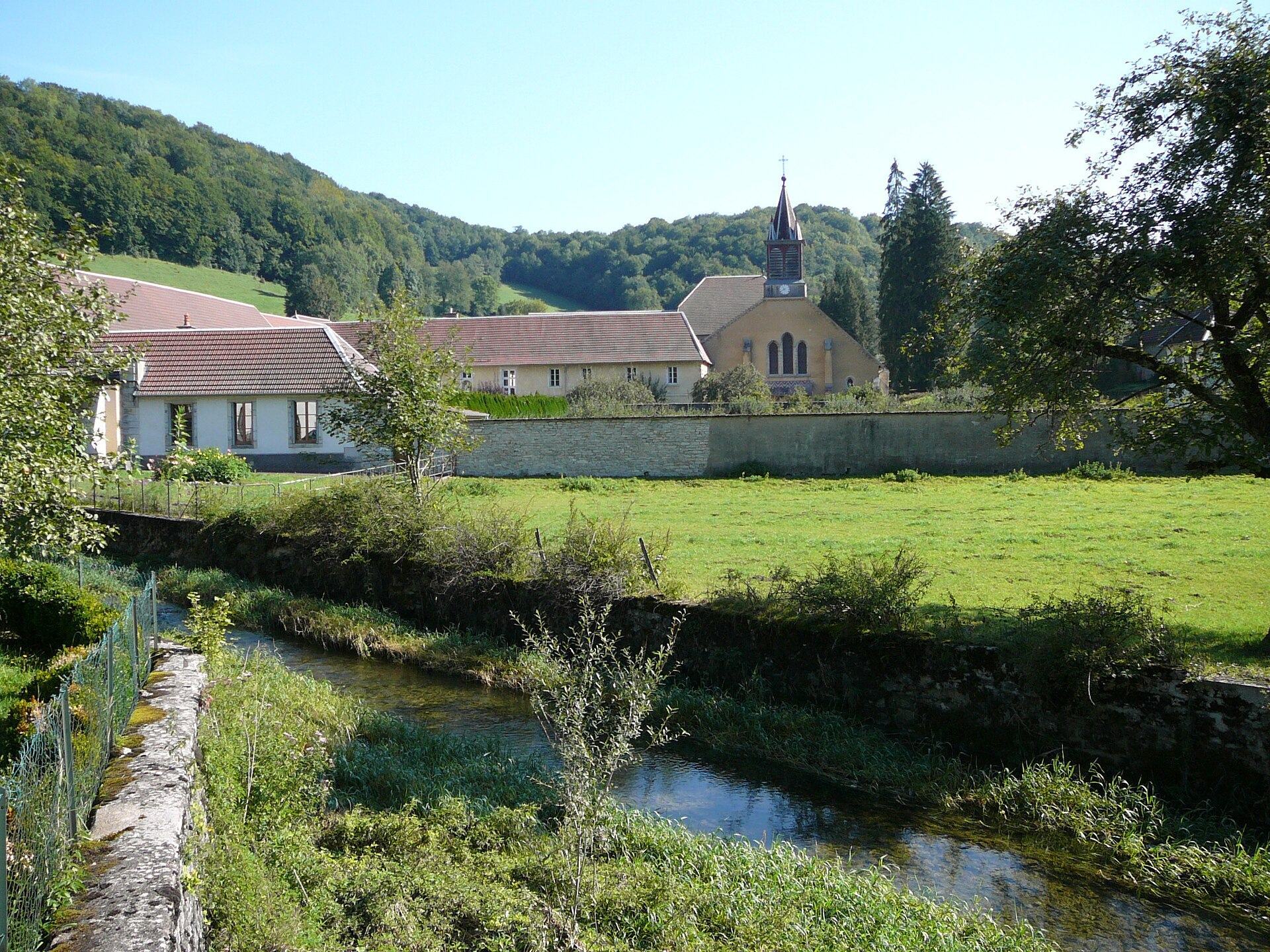
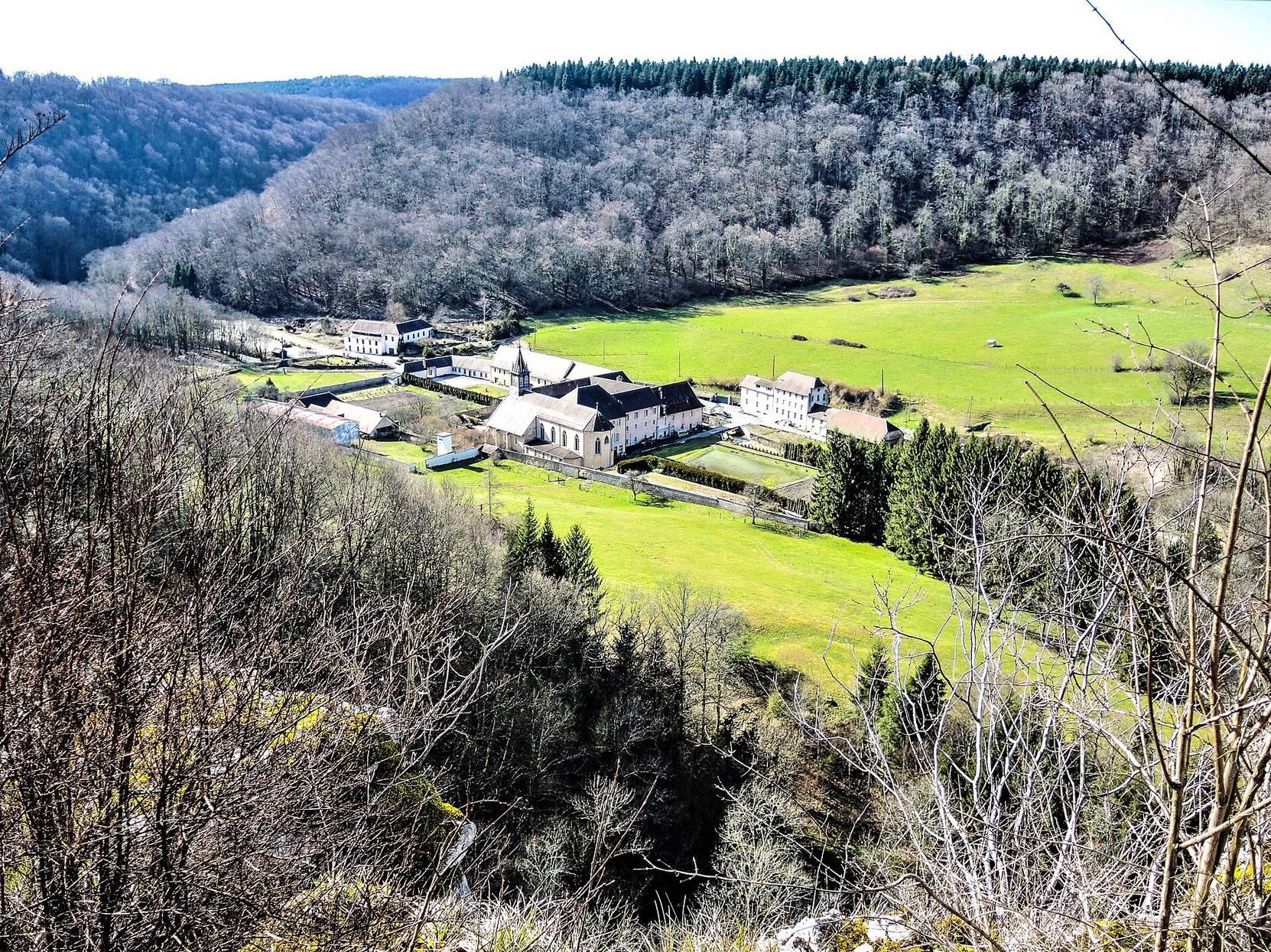
The abbey occupies a wooded valley beside the Audeux, where the valley widens into a basin suitable for a monastic settlement. Steep terrain surrounds the site, and a waterfall lies near the monastery. The complex is arranged around the church and cloister, with the enclosure north of the church and other conventual buildings extending toward the river. Its surviving groups include the church, cloister buildings, western dependencies, guesthouse, north-eastern mill, and almonry.
Church and conventual buildings
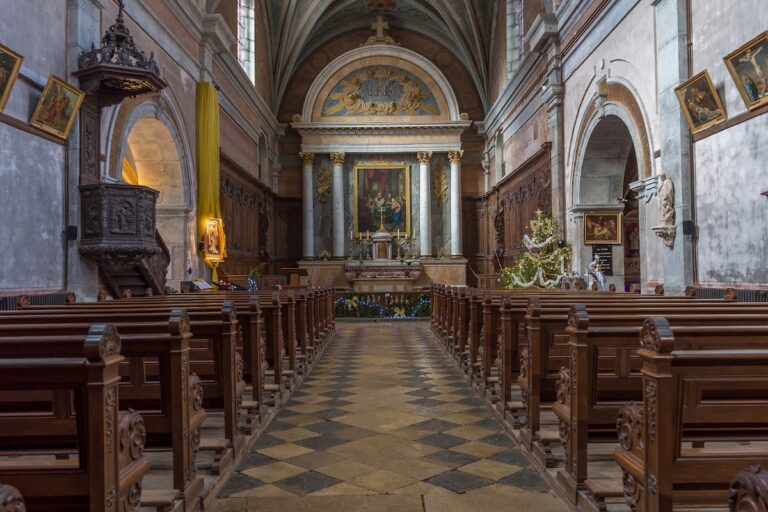
Abbey church
The church began in the twelfth century and retains parts of the original Romanesque structure. Its transitional architectural character includes two surviving Romanesque windows. The choir was rebuilt in the nineteenth century in a Neo-Gothic form, and the church underwent restoration during that century and again in 1997.
Cloister and conventual ranges
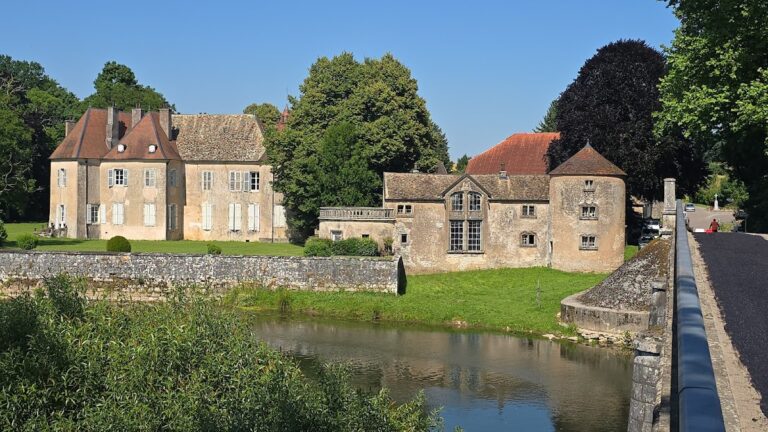
The cloister stands beside the church, with the monastic enclosure to its north. The conventual buildings date largely from the eighteenth century. Their surviving arrangement includes the ranges around the cloister and buildings extending toward the Audeux. The northern wing retains protected façades and roofs, while the western dependencies and guesthouse form additional preserved parts of the complex.
Almonry
The almonry includes a protected ground-floor room with a surviving fireplace and interior decoration. This room forms part of the material remains associated with the abbey’s charitable and service buildings.
Water-powered and industrial remains
Mill complex
A mill rebuilt in 1853 had four levels arranged for different operations. Grain was stored on the third floor, flour was sifted on the second, and millstones occupied the first. The ground floor contained a belfry. Lucien Mesny operated the mill from 1928 to 1958; it was then decommissioned and later demolished. The abbey’s wider economic landscape also included mills on the Audeux and at Orsans.
Forge and high furnace
The monastery’s industrial history is reflected in the installation of a forge after the French Revolution and in the high furnace associated with the church choir. The eighteenth-century Greuse high furnace belonged to the abbey’s industrial holdings, while the furnace placed in the choir was demolished by the Trappists in 1845. These changes show how the former monastery’s buildings and resources were adapted for ironworking before the nineteenth-century religious rebuilding.
Châtelard and the agricultural landscape
Fortified settlement
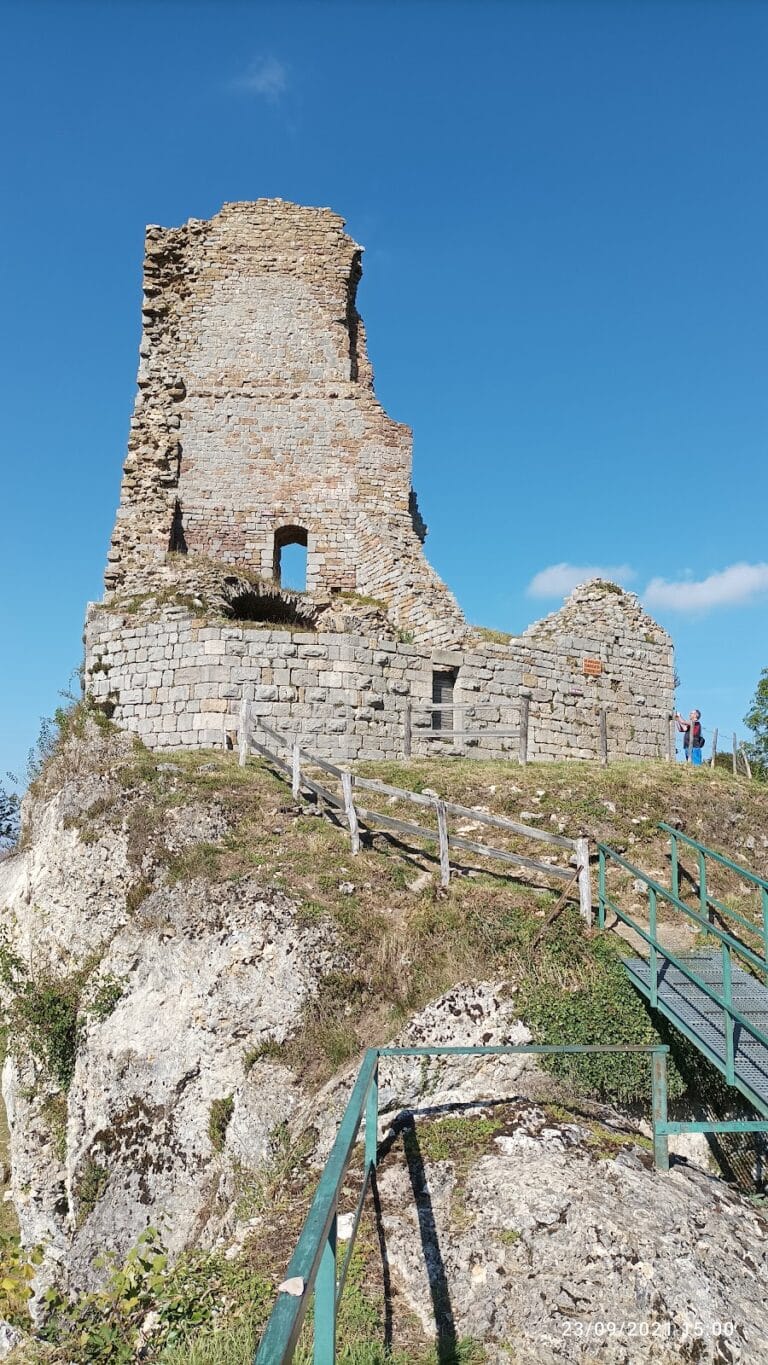
The nearby Châtelard site stood above the La Grâce-Dieu valley on a domain of about 300 hectares, near the Audeux and approximately 500 metres from the abbey. It consisted of a large round tower and an enclosure containing a barn, gardens, and orchards. The site was established under the Montfaucon family’s protection agreement with the abbey and became the setting for the first village in the area.
Farms and cultivated land
The medieval agricultural landscape included the farms of Le Mont, Rentessert, Chaux, Aïssey, and Morchamps, together with fields, meadows, pasture areas, barns, and mills. These properties supplied the economic setting for the monastery and expressed the Cistercian emphasis on manual work and self-sufficient communities.