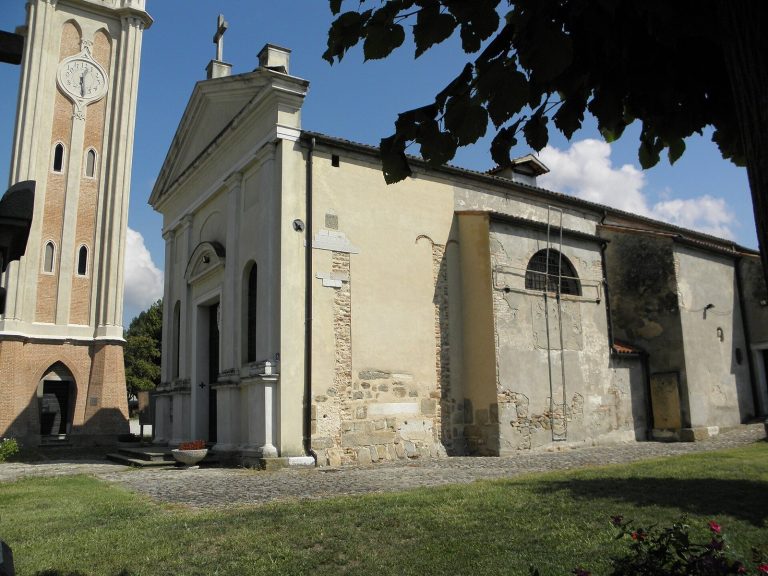
Abbey of Santa Maria delle Carceri: A Pilgrims’ Hospice and Monastic Complex
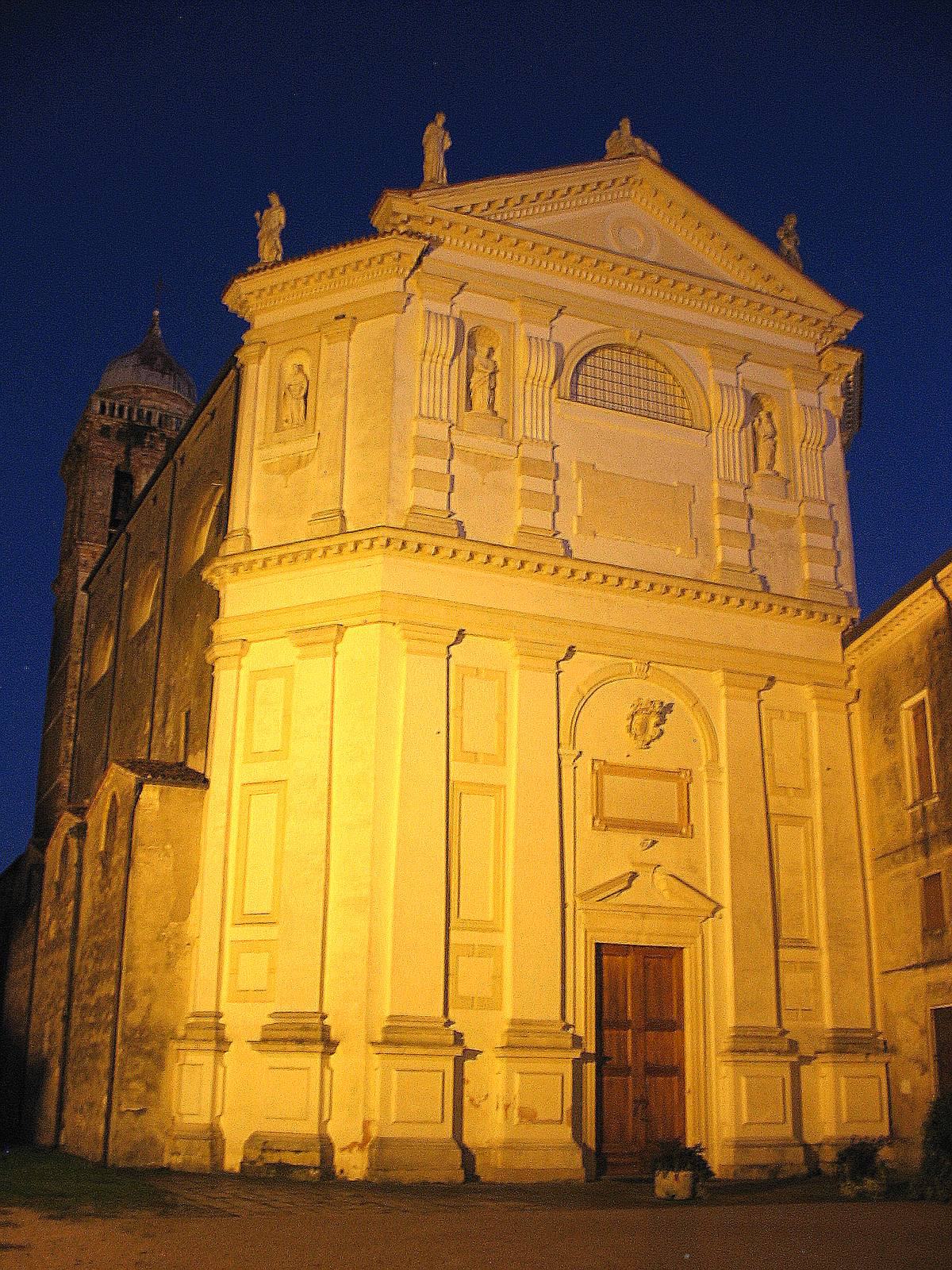
Site at a Glance
- Popularity
- Medium
- Country
- Italy
- Primary era
- Early Modern
- Eras represented
- Medieval, Early Modern
- Civilizations
- Holy Roman Empire, Venetian
- Site type
- Religious
- Remains
- Monastery
On this page9 sections
History
The Abbey of Santa Maria delle Carceri is a former monastic complex in the municipality of Santa Caterina d’Este, Italy. Founded in the 12th century as a hospice for pilgrims travelling to Rome by way of Padua, it served a route used by travellers heading to the city. In 1189, Portuense canons consecrated a new church on the site of an earlier church that predated the year 1000.
Augustinian canons
Augustinian canons, clergy who live in a religious community under the Rule of Saint Augustine, remained at Carceri until 1407. They reclaimed land, built roads and flood-control embankments, and helped establish settlements in countryside frequently flooded by the Adige. Famine and epidemics greatly reduced their community, prompting their departure.
Camaldolese period
In 1407, Pope Gregory XII transferred care and possession of the church and monastery to the Camaldolese, a monastic congregation within the Benedictine tradition. They remained until the late 17th century, continuing the work of reclaiming land and enlarging the abbey. They added four cloisters, covered walks around courtyards, and a library, and established an academy of studies. Under their care, the abbey became an important center of spiritual and temporal power in Veneto.
Sale, decline, and later use
In 1690, Pope Alexander VIII put the abbey up for sale to raise money for Venetian military campaigns in the War of Candia, a conflict between Venice and the Ottoman Empire. The Carminati family purchased the complex and later leased it. After further changes of ownership, the buildings declined, were looted and stripped, and became part of a large farm. Monastic life ended, and the abbey was no longer used as a religious house until the mid-20th century.
During the Second World War, the complex housed the most valuable works of the Marciana National Library, a major library in Venice. In 1951, after selling the surrounding land, the Carminati family donated the dilapidated buildings to the parish of Carceri. Volunteers began restoring the monastery and guesthouse in the mid-1990s, and a small ethnographic museum was established within the complex.
The abbey is Roman Catholic, follows the Roman rite, and is dedicated to Santa Maria, a title for Mary, the mother of Jesus. It belongs to the Diocese of Padua, a territorial jurisdiction of the church ordinarily overseen by a bishop.
Remains
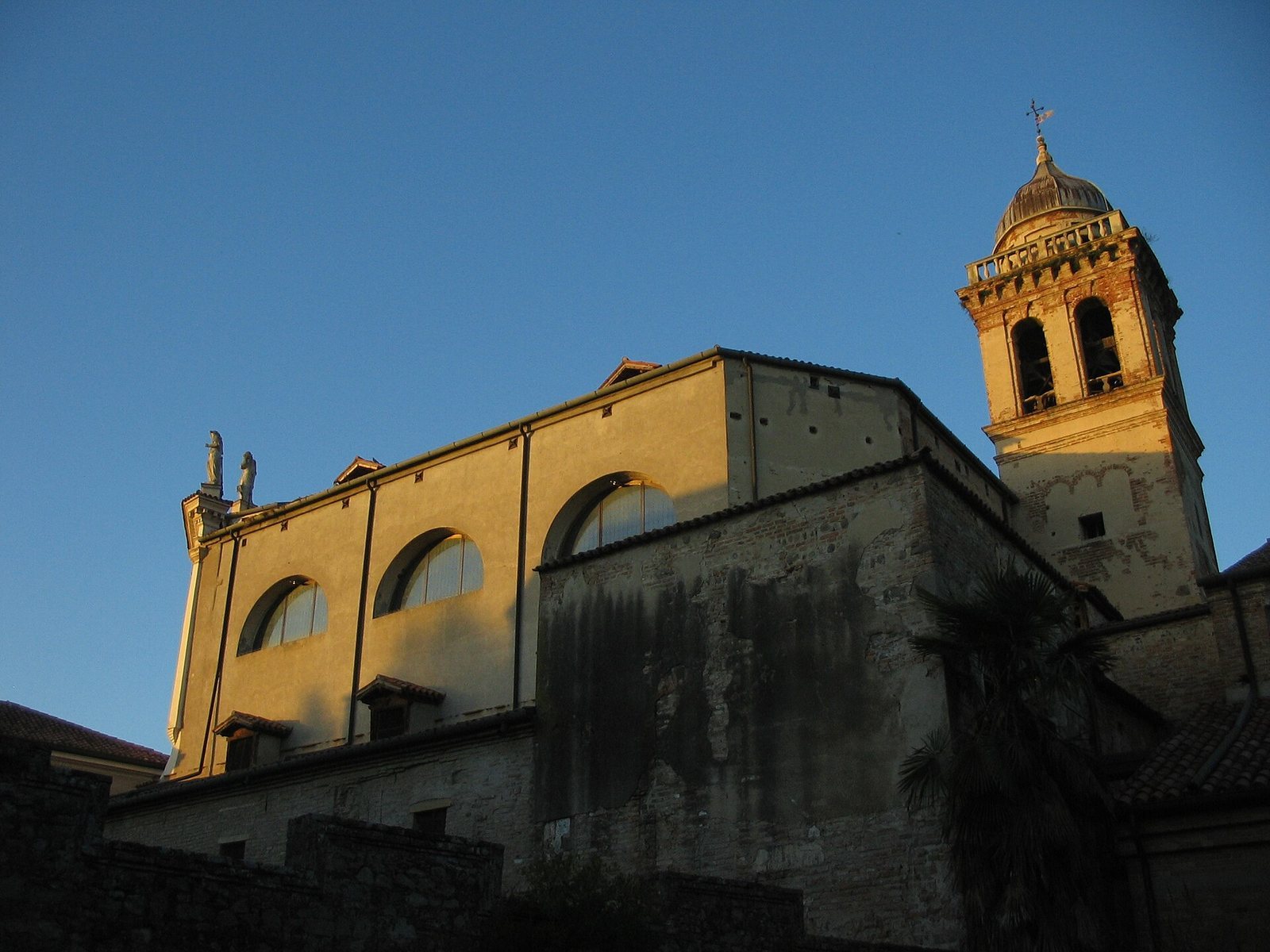
The surviving complex includes the church, cloisters, guesthouse, part of the former library, and a former villa. Its buildings preserve features from successive phases, and the complex is assigned an overall completion date of 1690.
Church and baptistery
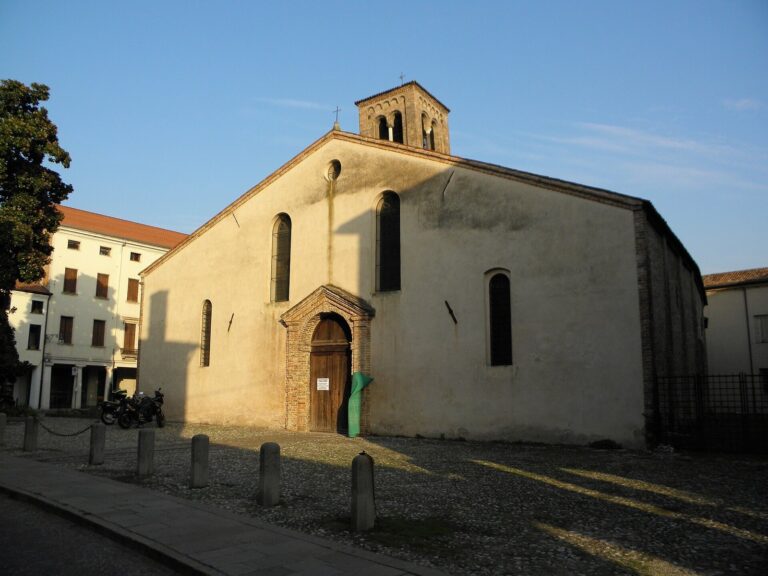
A baptistery, a place for baptisms, survives from the church that stood before the year 1000. The later church replaced that building with a broad hall arranged in three aisles and built in the Romanesque style, a medieval architectural style. Its nave and choir remain among the surviving parts of the abbey.
Small cloister
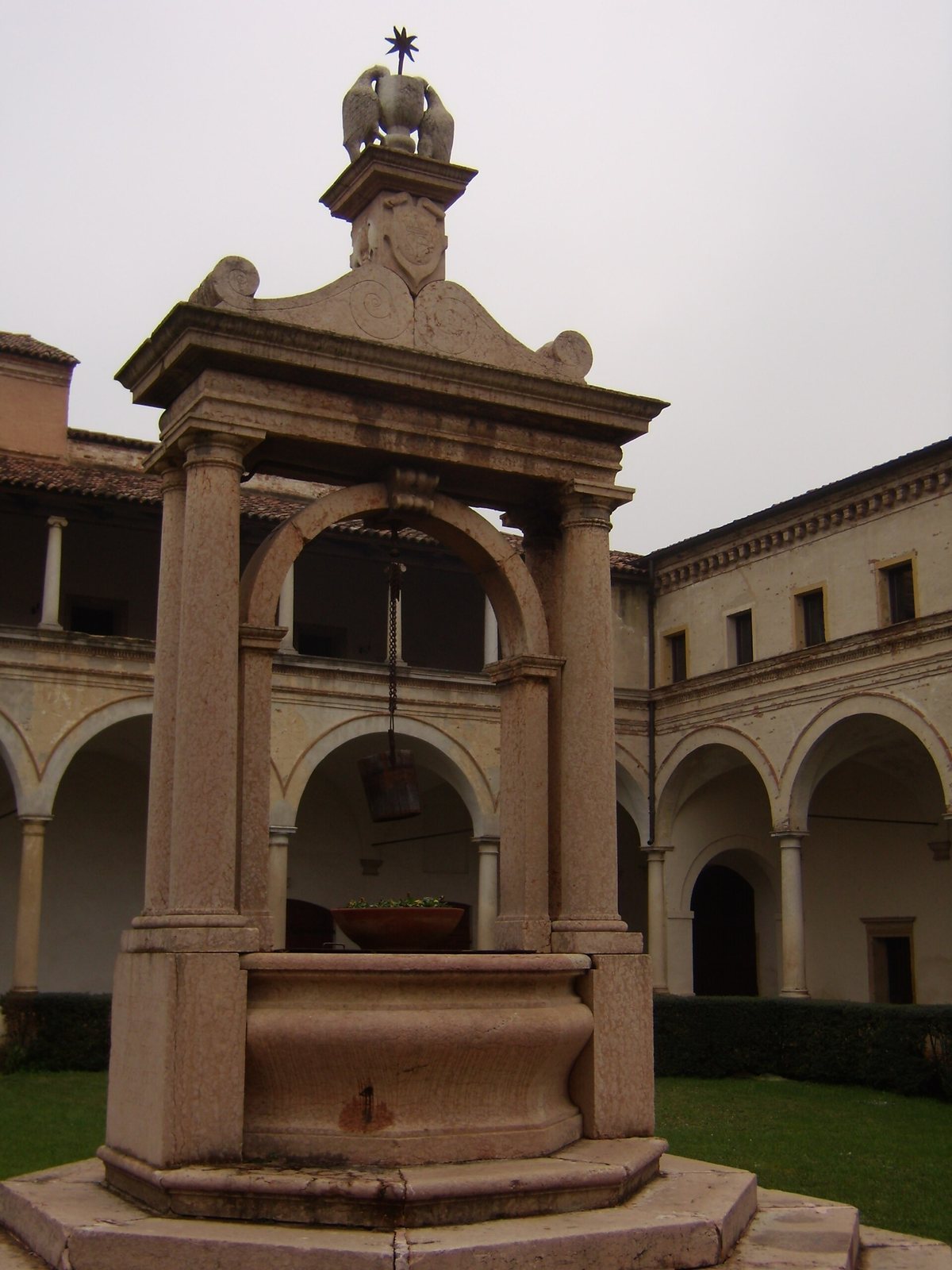
The small cloister from the earlier canonical period has 24 columns of red Verona marble, arranged in varied combinations. The columns support carved tops and arches, while the light structure also carries a massive masonry wall. This arrangement anticipates the ground-floor porticoes of Venice’s Doge’s Palace, where porticoes support the heavy halls above.
Camaldolese buildings
The surviving Camaldolese-period buildings include a large 16th-century cloister, the church’s nave and choir, a guesthouse, and part of the library. The library’s valuable books were dispersed, while its remaining rooms are now known as the Hall of Frescoes.
Former villa
The former villa, now used as the rectory, retains wall paintings and inlaid decoration on its principal floor.