Abbaye Sainte-Marie de Rieunette: A Cistercian Nunnery in France
Site at a Glance
- Rating
- 4.8
- Popularity
- Medium
- Country
- France
- Primary era
- Medieval
- Eras represented
- Medieval
- Civilizations
- Unclassified
- Site type
- Religious
- Remains
- Monastery
On this page8 sections
History
Abbaye Sainte-Marie de Rieunette is a former Cistercian nunnery in Ladern-sur-Lauquet, France. Cistercians are a Catholic monastic order whose communities follow the Rule of Saint Benedict, a guide to communal monastic life traditionally attributed to Benedict of Nursia. Rieunette became one of the earliest houses for Cistercian nuns in France, though its origins are unknown.
Origins and medieval growth
The nunnery first appears in 1162, when a donation was made to Reine de Castillon, a widow who had retired there with several companions. Before the end of the twelfth century, the house had gained abbey status and joined the Cistercian order. It was a daughter house of Tart Abbey, an early Cistercian nunnery in Burgundy.
In 1432 the abbey came under the protection of the abbots of Villelongue and flourished, with a community of about forty nuns. It was also involved in a lengthy legal dispute with Villelongue Abbey. During the dispute, Abbess Elisabeth de Lévi was murdered in the seventeenth century.
Destruction and suppression
The nuns abandoned Rieunette in 1528 amid the French Wars of Religion, a series of sixteenth-century conflicts between Catholics and Protestants in France. The abbey was looted repeatedly and set on fire in 1568. In 1648 Cécile de Noé became abbess and tried to restore monastic life. In 1654, however, proprietors destroyed the convent buildings rather than return property they had acquired about eighty years earlier.
The community moved to Carcassonne and gradually declined. In 1761 Bishop Armand Bazin de Bezons suppressed the abbey, and the nuns were transferred to the Bernardine priory at Lombez in the Gers, a religious house within the Cistercian tradition.
Renewed community and protection
Seven nuns from Boulaur Abbey re-established a community at Rieunette in 1998. A renewed foundation began in April 2015 with five nuns, led by superior Marie-Lys de Laborie and receiving spiritual guidance from the abbess of Magerau and a monk from Dominus Tecum at Pra’ d’Mill, Bagnolo Piemonte. The community follows the Benedictine Rule and a life of prayer and work, and its activities include a small farm and craft workshop. On 8 November 2019, Rieunette joined the Congregation of the Cistercians of the Immaculate Conception, a Catholic monastic congregation within the Cistercian tradition.
The abbey remains, including the north and east wings of the cloister, were registered as historic monuments in 1925, and the abbey church received classified status in 1950. The abbey and the Rieunettes valley have been registered as natural sites since 1945. The name Rieunette derives from a Latin expression meaning “bright stream.”
Remains
Surviving abbey buildings
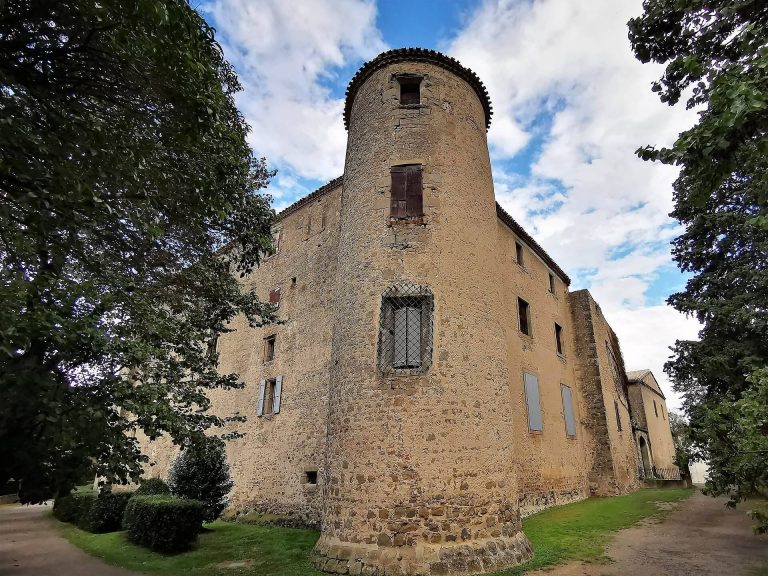
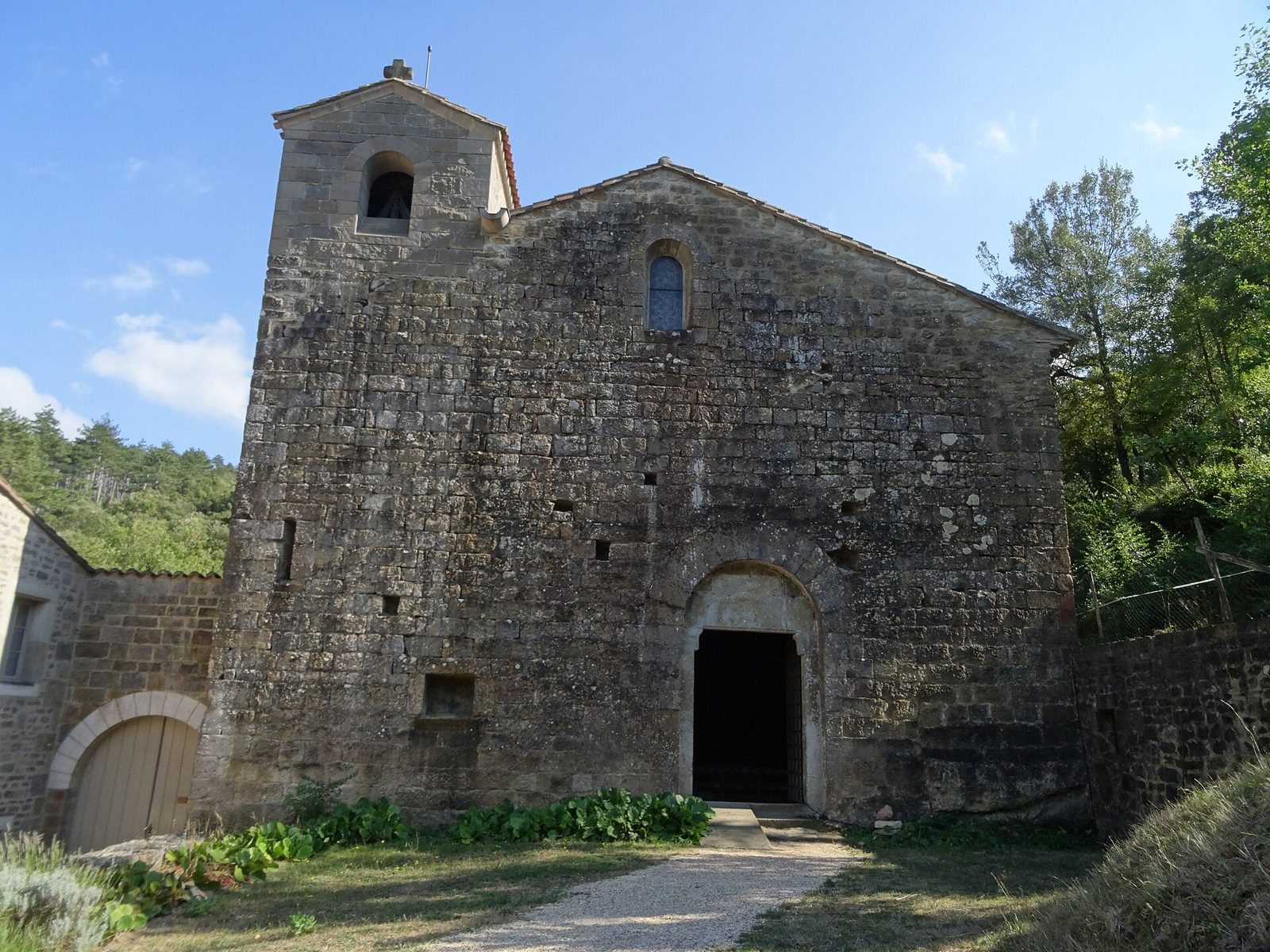
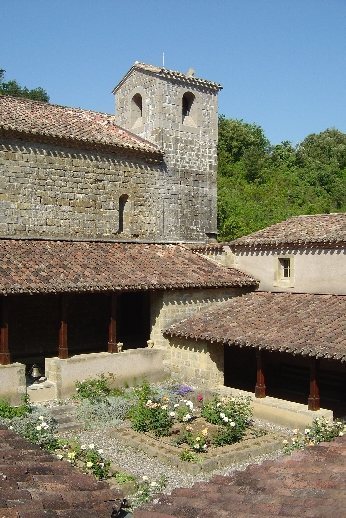
The surviving remains include the abbey church and the north and east wings of the cloister. The church is the surviving remnant of the original abbey, while the two cloister wings mark other parts of the monastic complex.
Abbey church
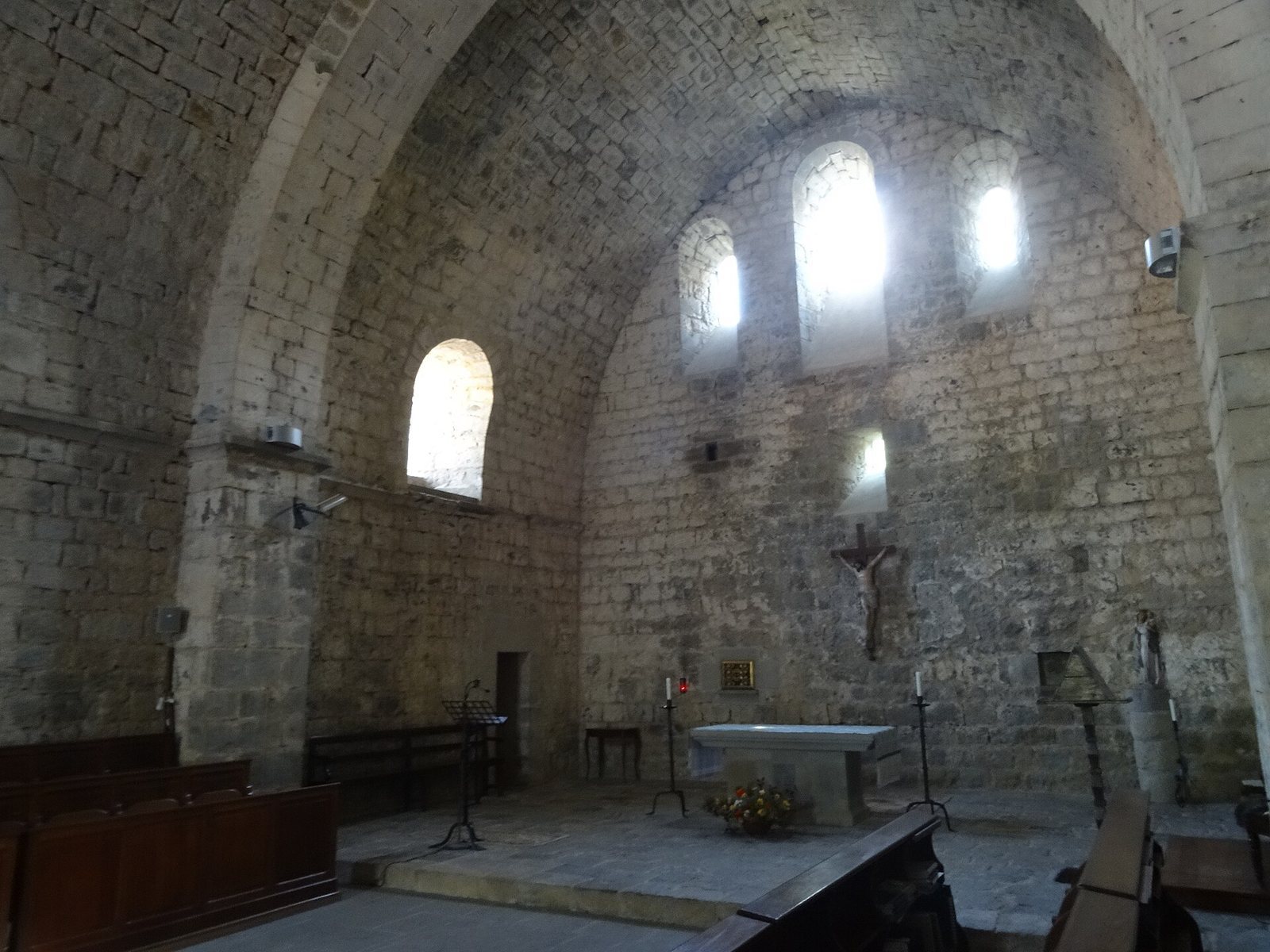
Dating to the late twelfth century, the church has an austere, unadorned design and has undergone no later alterations.
North and east cloister wings
The north and east wings of the cloister survive among the abbey remains.