Ancient Greek Sites in Israel: Explore Hellenistic Sanctuaries and Later Cities
The Greek and Hellenistic collection for Israel includes settlements that developed under the Ptolemies and Seleucids, together with sanctuaries where Greek religious traditions continued into Roman times. The most substantial standing remains often belong to those later centuries. The examples below explain the earlier foundations and identify the dates of the structures that can still be traced.
Primary Function: All
Type: All
Civilization: All
Popularity: All
Rating: All
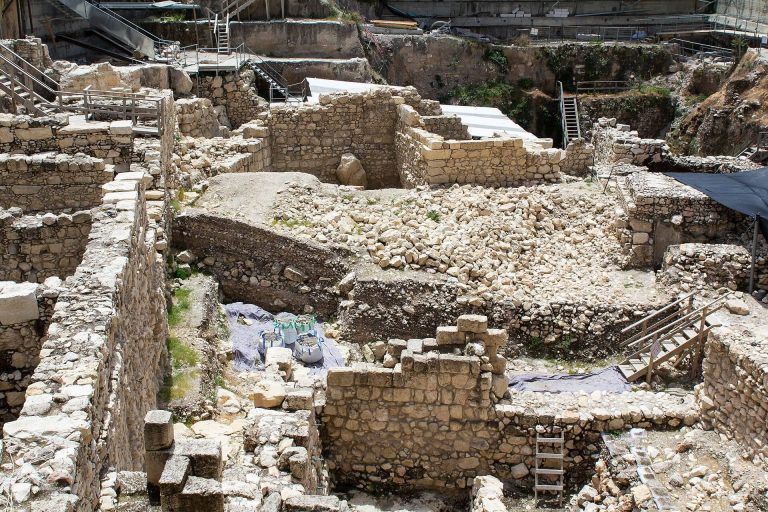
The Givati Parking Lot excavation in Jerusalem’s Silwan neighborhood has revealed remains spanning the Iron Age, Hellenistic, Roman, Byzantine, and…
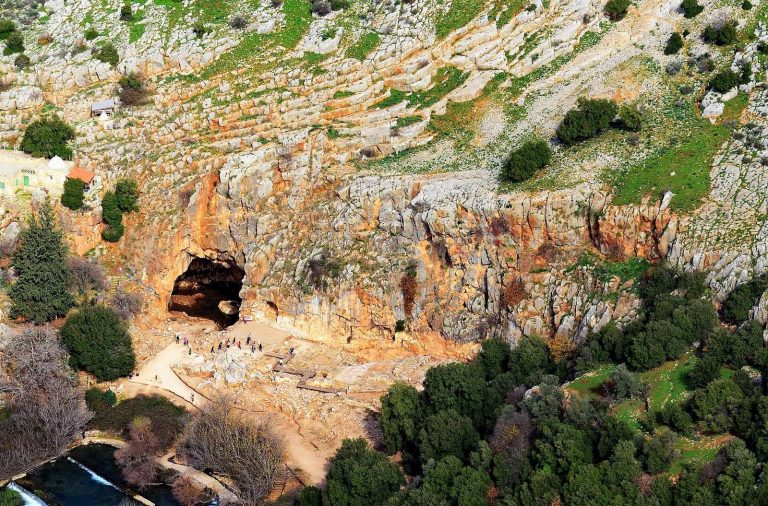
Caesarea Philippi, also known as Paneas or Banias, developed around a major spring at the foot of Mount Hermon and became a religious,…
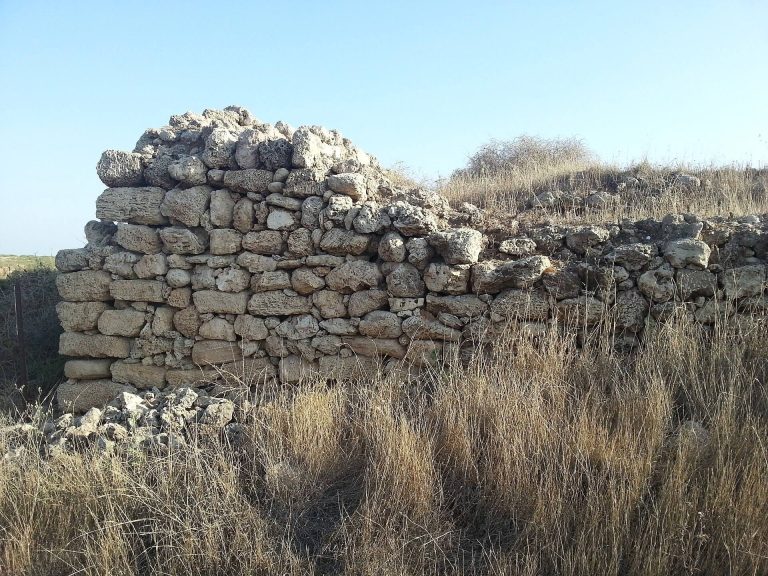
Tel Michal near Herzliya preserves evidence of settlements, forts, temples, industrial activity, burials, and coastal trade from the Middle Bronze…
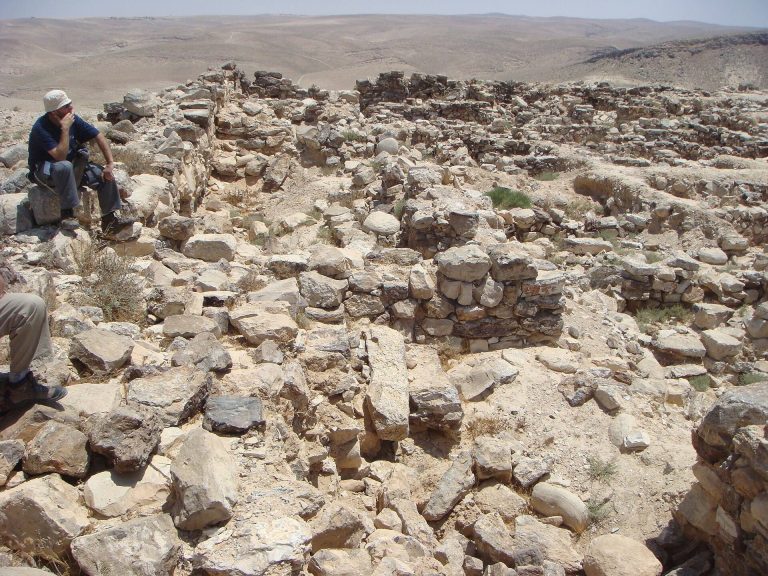
Horvat Uza is a fortified archaeological site above Nahal Qinah, where Judahite, Edomite, Hellenistic, Nabataean, and Roman phases controlled an…
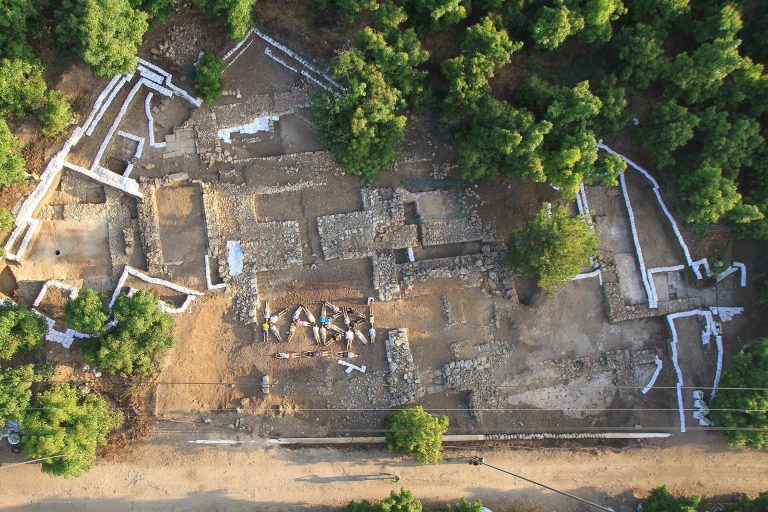
Tel Kabri is a multi-period settlement in Israel’s Western Upper Galilee, known for its Middle Bronze Age fortified city, large palaces, Minoan-style…
For details on how to use the maps, which sites are included, how popularity and ratings are determined, and how sites are classified, see the help page.
Banias: the sanctuary of Pan beside a cave
Banias, ancient Caesarea Philippi, in the Golan Heights, developed around a spring and a large cave at the foot of a cliff. Worship of Pan was established here in the Hellenistic period. The natural setting was integral to the sanctuary: the cave and water source provided its focal point before the later sequence of formal buildings was added.
Rock-cut niches, inscriptions and the remains of shrines extend along the cliff-side terrace. Much of this architectural arrangement belongs to the Roman period. It records the continued development of the earlier cult, with worshippers dedicating spaces and images beside the same cave.
The distinction between the natural sanctuary and its built additions makes the site’s chronology understandable. Its Hellenistic religious foundation explains its inclusion here, while the surviving terrace buildings and carved dedications chiefly show how that sanctuary developed under Roman rule.
Beit She’an: Scythopolis beneath the Roman city
Beit She’an, known in the Hellenistic period as Scythopolis, developed as a Greek-speaking city under the kingdoms that succeeded Alexander. The cult of Dionysus formed part of its civic traditions, and Greek remained a language of public inscriptions in the later city.
The extensive excavated centre preserves colonnaded streets, bath complexes and a theatre. These are principally Roman and Byzantine structures. Their paving, columns and public rooms show the mature city that succeeded Hellenistic Scythopolis, rather than an intact cityscape from the age of the Ptolemies or Seleucids.
Greek civic and religious traditions continued within that later setting. Inscriptions provide evidence for the community’s names, dedications and public life, while the buildings establish the physical scale of the subsequent town. The site is therefore useful for following a Hellenistic city’s continuation, with the origins and surviving architecture considered separately.
Explore the collection
Explore sites on the map or in the grid. Map icons reflect each site’s primary function, helping you identify different kinds of places at a glance. Narrow the results by primary function, site type or era. Use the Civilization filter to select among the Greek and Hellenistic groups included here, with additional filters for popularity and rating. Select a map marker to view the site’s details and open its article, or open the article from its grid entry.