Castles in Poland: Explore Brick Courtyards, Artillery Forts and Palace Interiors
Castles in Poland include Gothic brick residences, coastal and mountain fortresses, and palaces whose towers were designed for display. This collection brings those buildings together without treating every castle name as evidence of a military function. Cloisters, sanitary towers, protected gun positions and furnished reception rooms provide concrete examples of what survives across the group.
Primary Function: All
Type: All
Civilization: All
Popularity: All
Rating: All
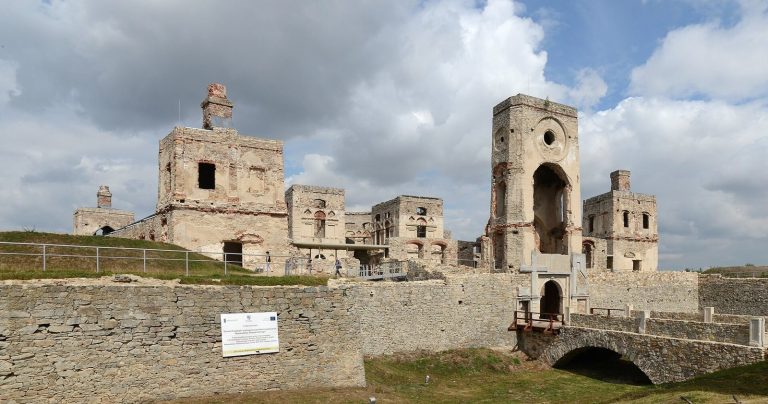
Krzyżtopór in Ujazd is a seventeenth-century fortified palace combining aristocratic residence, formal gardens, and artillery defenses. Built for…

Chęciny Castle is a medieval royal stronghold whose roles included an administrative center, treasury, prison, and military fortress before war and…
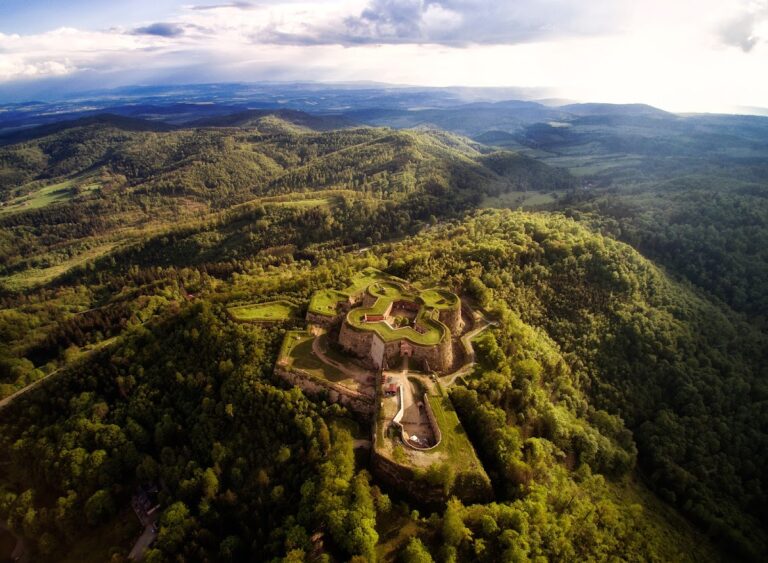
Fort Srebrna Góra is an eighteenth-century Prussian fortress in Lower Silesia, built above the Silver Pass and later used as a prison,…
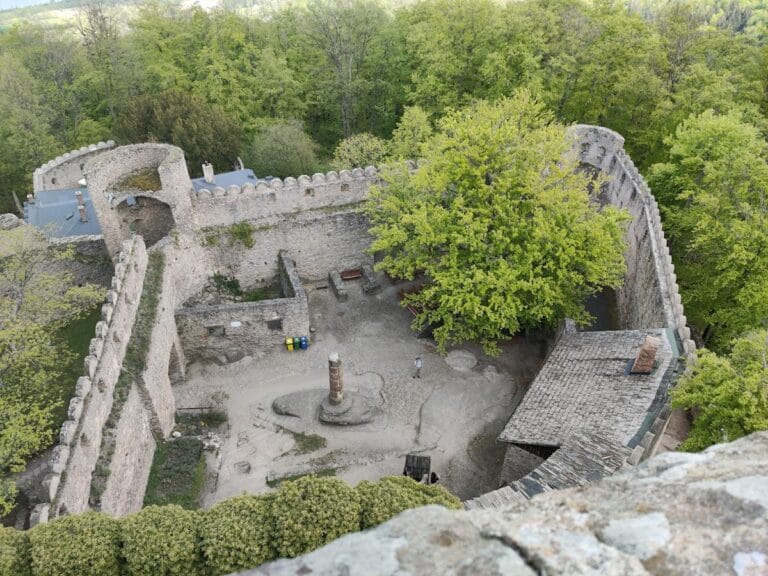
Chojnik Castle is a medieval fortress in Lower Silesia, shaped by Silesian dukes and the Schaffgotsch family before becoming a ruin after the fire of…

Pieskowa Skała is a medieval castle in the Prądnik Valley that developed from a fourteenth-century royal stronghold into a Renaissance residence, a…
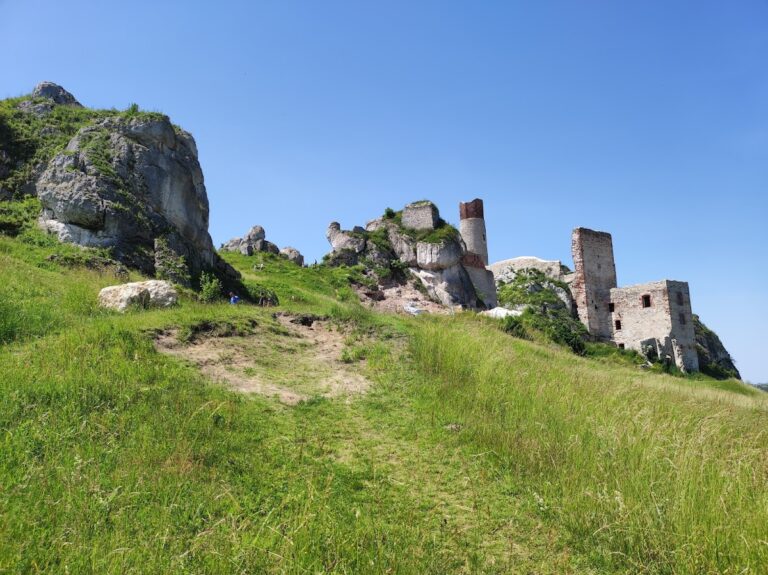
Olsztyn Castle is a ruined medieval fortress in southern Poland that formed part of the Eagles’ Nests defensive system. Its history includes royal…
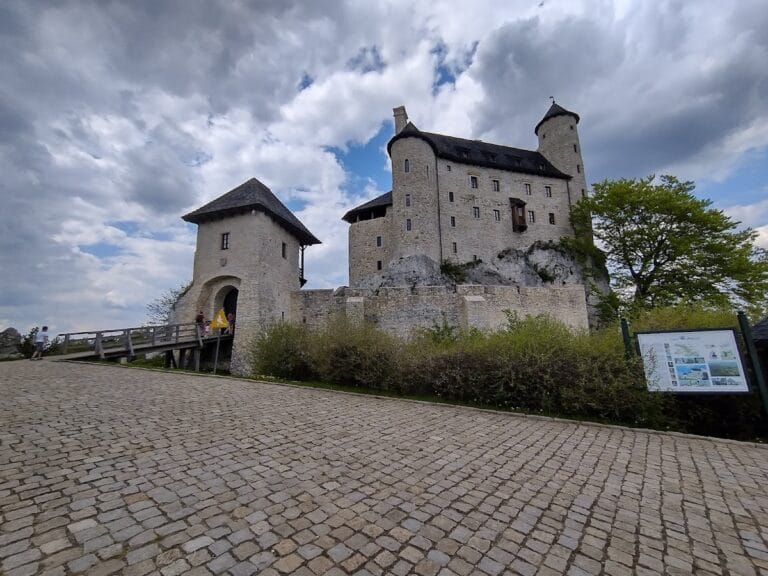
Bobolice Castle is a fourteenth-century royal fortress in southern Poland, later transformed into a Renaissance residence and rebuilt in the early…
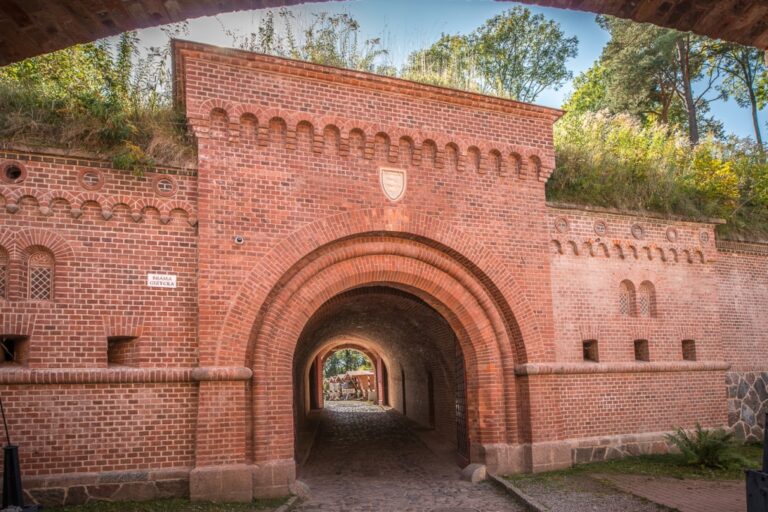
Boyen Fortress is a 19th-century Prussian fortification built on an isthmus between the Masurian lakes. It later served military, medical,…
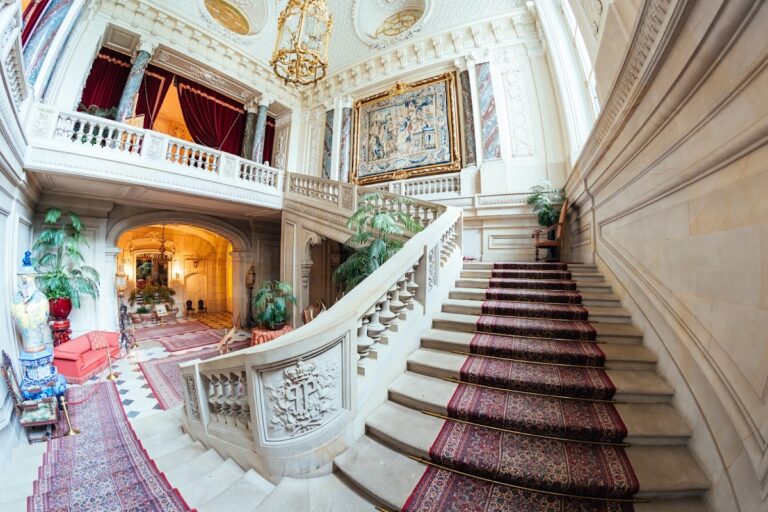
Pszczyna Castle in Poland developed from a medieval fortress into a Renaissance, Baroque, and neo-Baroque residence. Its preserved interiors,…
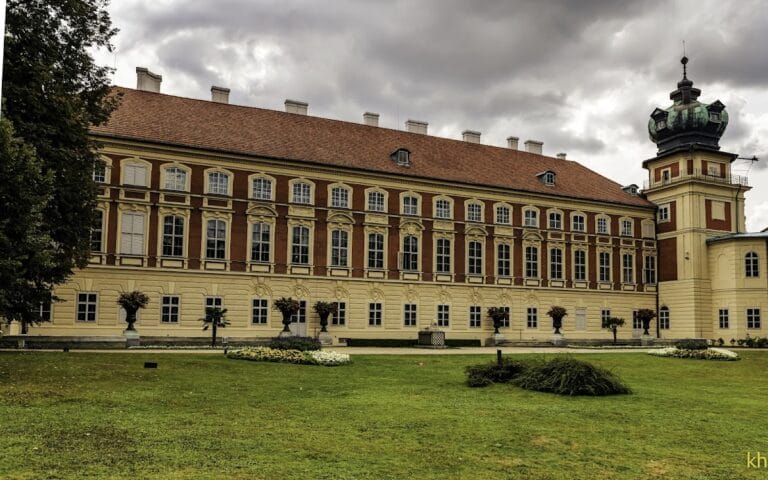
Łańcut Castle in southeastern Poland developed from a medieval fortified residence into a Baroque palace and the historic center of the Lubomirski…
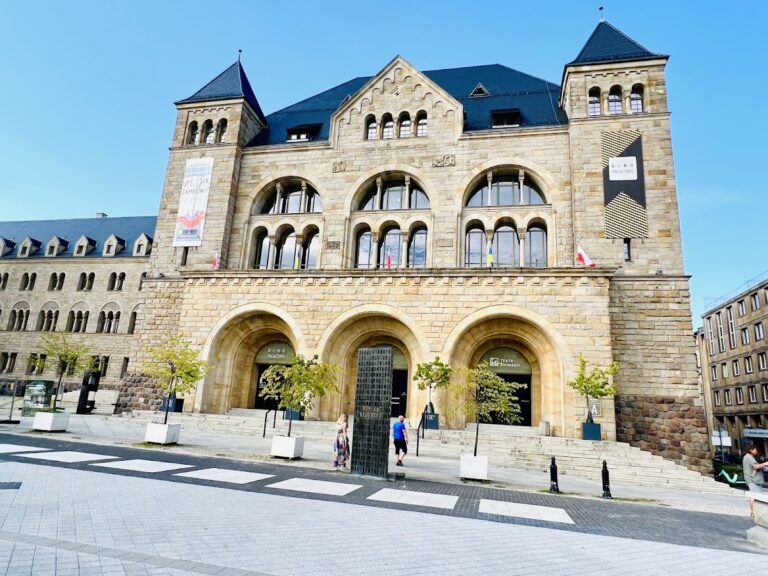
Built for Wilhelm II between 1904 and 1910, the Imperial Castle in Poznań served as a German imperial residence before becoming a Polish state and…

Ducal Castle in Szczecin was the historic residence of the Griffin dynasty and developed from a medieval fortified court into a Renaissance palace.…
For details on how to use the maps, which sites are included, how popularity and ratings are determined, and how sites are classified, see the help page.
On this page5 sections
Brick castles with cloisters and service towers
The Castle of the Warmian Bishops in Lidzbark Warmiński encloses a square courtyard with two-storey cloister galleries. A tall corner tower changes from a square base to an octagonal upper section. Kitchens, a brewery, bakery and stores occupied lower rooms, while principal residential spaces lay above. Cellar furnaces supplied warm air to parts of the building.
At Kwidzyn Castle, the most distinctive service structure stands away from the main wings. A long covered gallery crosses five tall arcades to a sanitary and defensive tower. A separate well tower is linked by a shorter arcade. These extensions carried essential functions beyond the principal residential block.
Kwidzyn once had four wings around a closed court, but two were demolished in 1798. Its surviving arrangement therefore differs from Lidzbark’s enclosed courtyard. Later restoration reconstructed parts of both complexes; at Kwidzyn, that work included tower forms and some interior vaulting.
Coastal and mountain artillery forts
Wisłoujście Fortress guarded the approach to Gdańsk. A circular artillery structure surrounds a central tower that formerly served as a lighthouse. Around it, Fort Carré added four corner bastions, covered passages and chambers used for guns, stores, stables and workshops.
The central tower was rebuilt after wartime destruction, whereas parts of the surrounding circular battery retain older firing openings. Its lighthouse function also distinguishes the complex from a fortress concerned only with landward attack: the same position helped guide shipping into the port.
Srebrna Góra Fortress spreads across mountain heights above the Silver Pass. Its central stronghold joins four massive towers with enclosing walls, and protected rooms occupy several levels. Wells, a bakery, brewery, hospital and magazines supported the garrison within the defences. Outlying forts extended artillery coverage across the surrounding hills.
Łańcut: a fortified house transformed into a palace
Łańcut Castle developed from a towered quadrilateral residence surrounded by bastions and a moat. Later owners removed parts of the defences to enlarge the gardens and remodelled the house with Baroque and subsequent decorative schemes. The outline of the former bastion system remains legible in the terrain.
Inside, vaulted seventeenth-century rooms became decorated apartments. The Mirror Salon retains carved Rococo wall panelling, while the two-storey ballroom belongs to a later Classicist arrangement of reception spaces. These rooms show the gradual conversion of a defended residence into a house organized around entertaining and domestic comfort.
Moszna: towers built for a country palace
Moszna Castle was a palace and did not perform a defensive role. Its older Baroque centre was rebuilt after a fire in 1896. A Neo-Gothic eastern wing followed, with towers, bay windows and an orangery; a later Neo-Renaissance western wing added another distinct architectural treatment.
The surrounding park combines an axial lime avenue with ponds, channels and bridges. The varied towers belong to this residential ensemble, rather than to a surviving medieval wall circuit. Moszna provides a clear example of the later palaces included alongside castles and forts on the map.
Explore the collection
Explore sites on the map or in the grid. Map icons reflect each site’s primary function, helping you identify different kinds of places at a glance. Narrow this collection by primary function, by a site type within the castle and residence group, or by civilization and era. Additional filters cover popularity and rating. Select a map marker to view the site’s details and open its article, or open the article from its grid entry.