Abbasid Historic Sites: Explore Mosques, Palaces and Earthen Fortresses
Explore Abbasid historic sites through mosque enclosures, spiral minarets, fortified palaces and earthen residences. The collection includes buildings in Iraq and sites farther across the Islamic world with documented Abbasid-period construction or patronage. Their regional rulers and architectural traditions remain distinct within that wider setting.
The examples below concentrate on substantial early remains. Some retain high walls and vaulted rooms; others preserve the perimeter of a large mosque after the loss of its prayer hall. They introduce the architecture of government, worship and residence through the surviving structures themselves.
Primary Function: All
Type: All
Country: All
Popularity: All
Rating: All
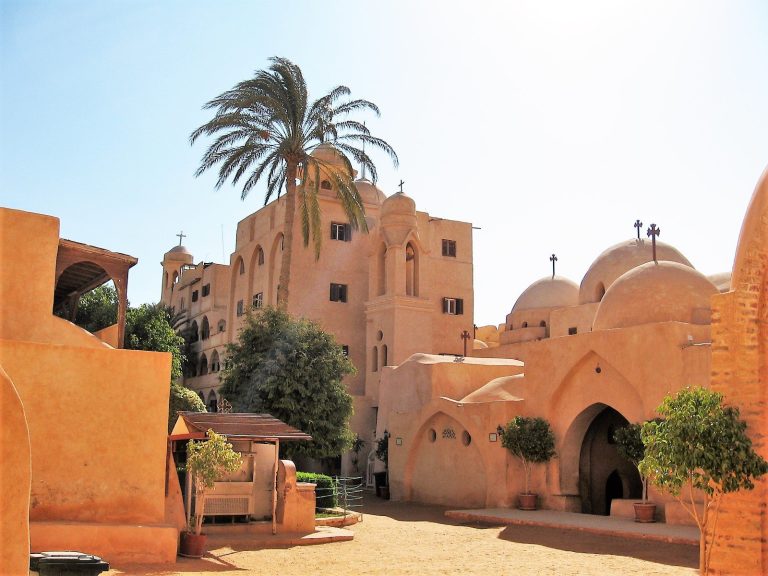
The Syrian Monastery in Wadi El Natrun developed from a sixth-century Coptic foundation into an important Syriac monastic and manuscript centre,…
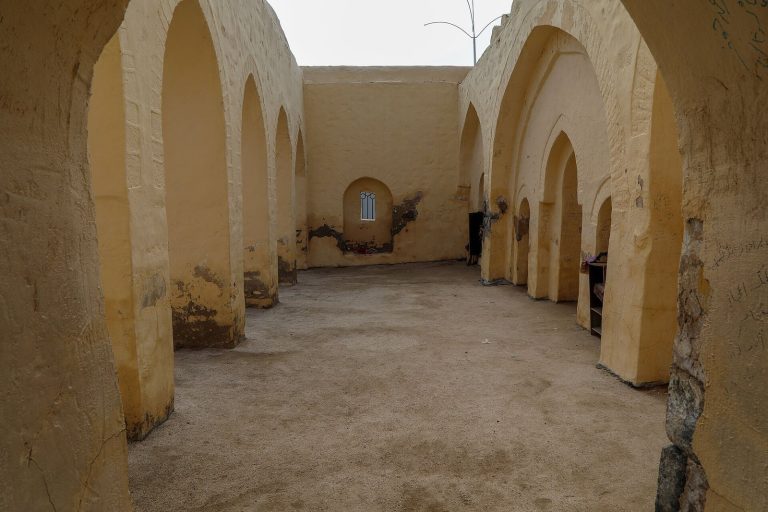
Bay'ah Mosque in Saudi Arabia commemorates the pledge made by twelve men from Yathrib to Muhammad in 621, before the migration to Medina. Built in…
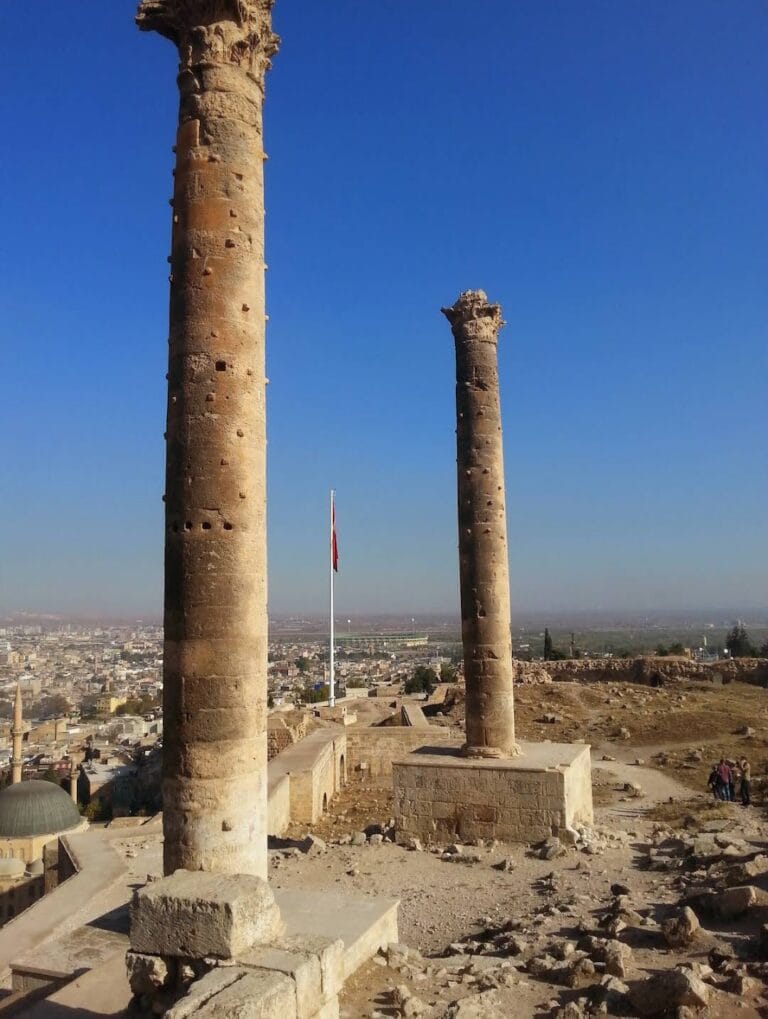
Şanlıurfa Castle preserves layers of the city’s Roman, Byzantine, Crusader, and Islamic history, including ancient palace columns, defensive walls, a…
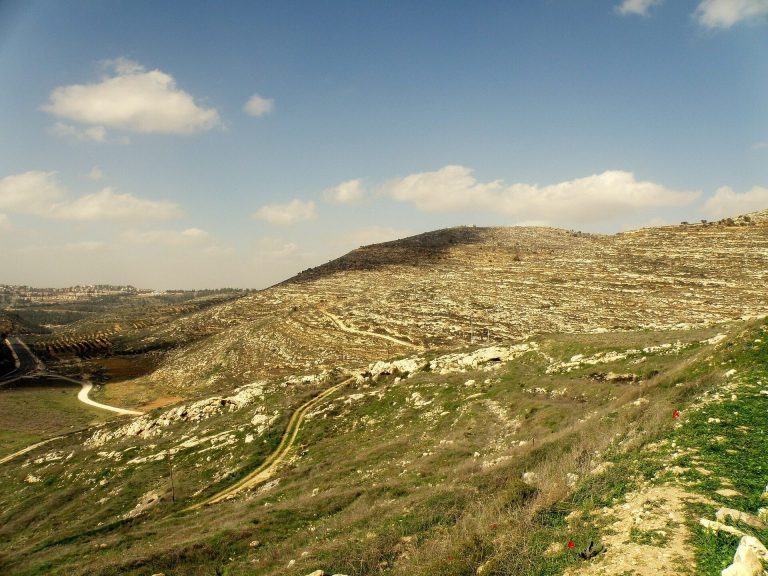
Shiloh was an ancient city and religious center in the hill country of Ephraim. Its archaeological remains trace occupation from the Bronze Age…
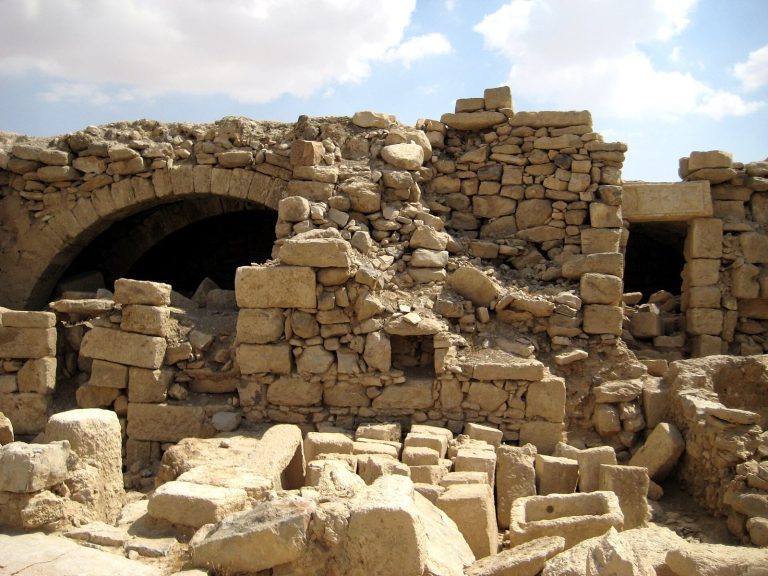
Umm ar-Rasas preserves the remains of a Roman military station that developed into a Byzantine Christian and early Islamic town, with churches,…
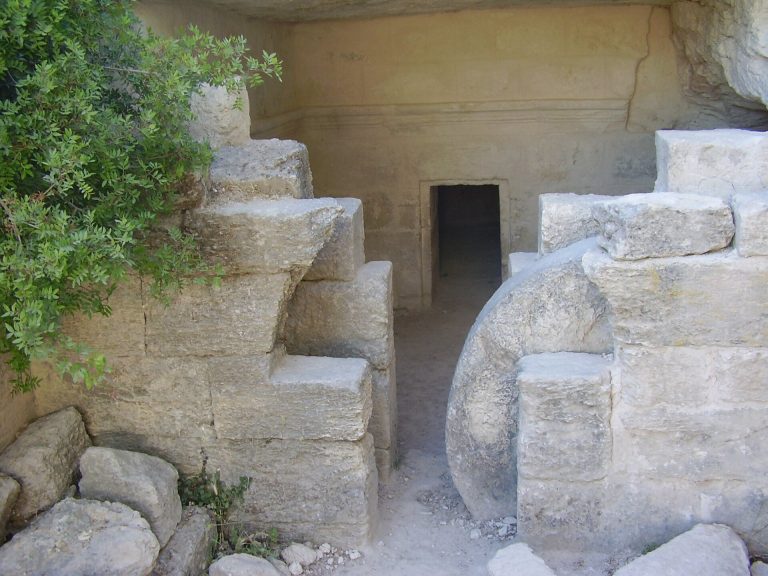
Horvat Midras was a prosperous Jewish settlement in the Judaean Lowlands that later became a Byzantine Christian village, a medieval agricultural…
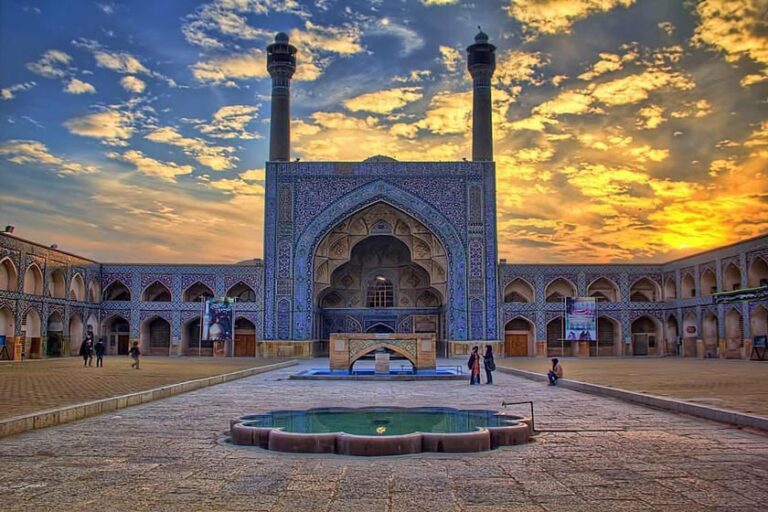
Jameh Mosque of Isfahan developed from an Abbasid foundation into a multi-period complex that records major stages in Iranian Islamic architecture,…
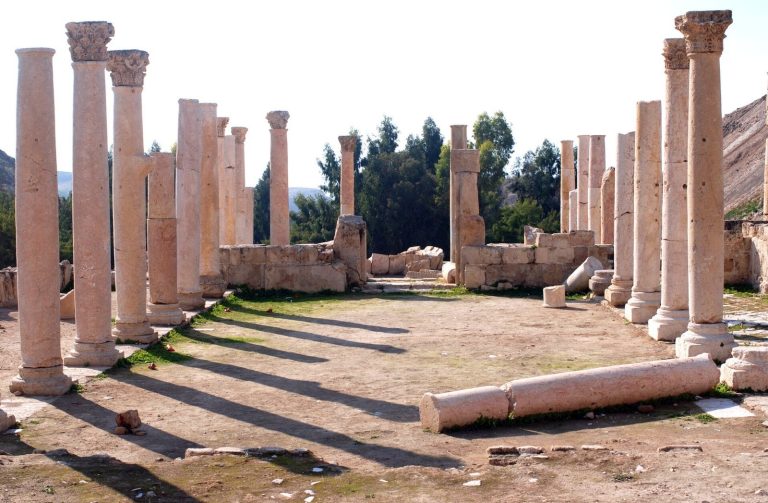
Pella in northern Jordan preserves evidence of occupation from the Neolithic period through the Islamic era, including Bronze Age fortifications,…
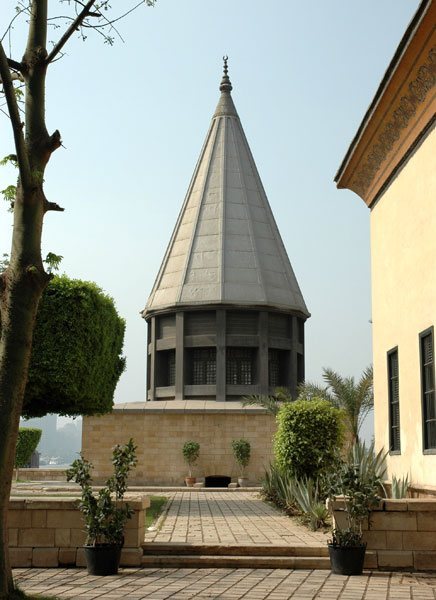
The Nilometer in Rhoda Island measured the annual Nile flood, supporting irrigation planning, taxation, and state administration. Its surviving…
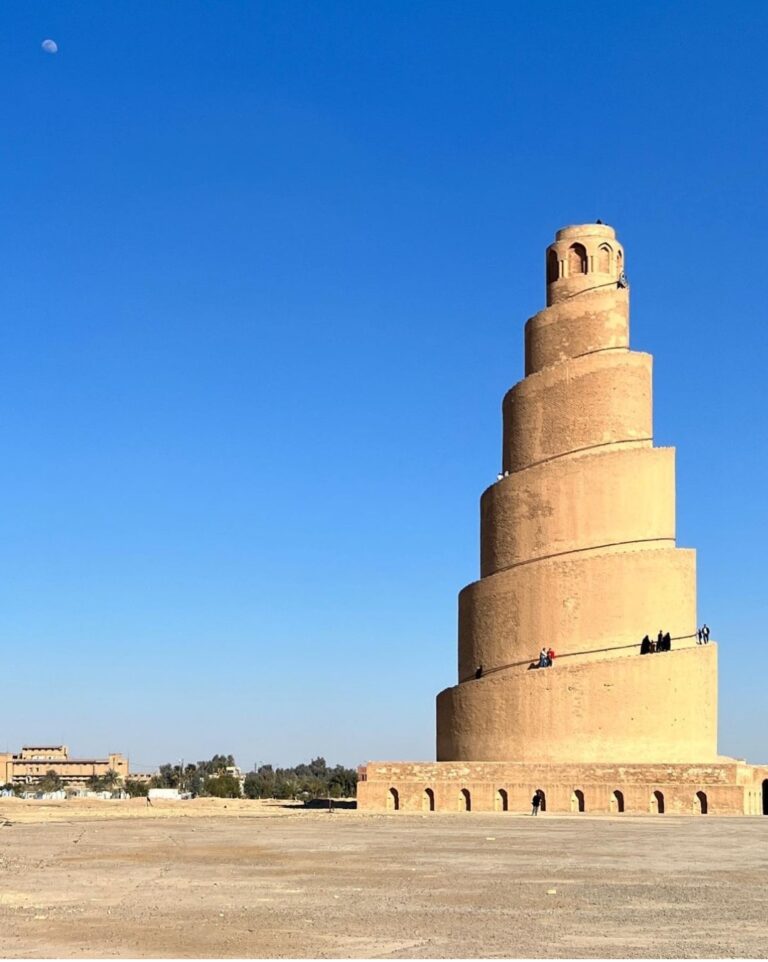
The Great Mosque of Samarra is a ninth-century Abbasid mosque commissioned by Caliph Al-Mutawakkil. Its surviving outer wall and Malwiya spiral…
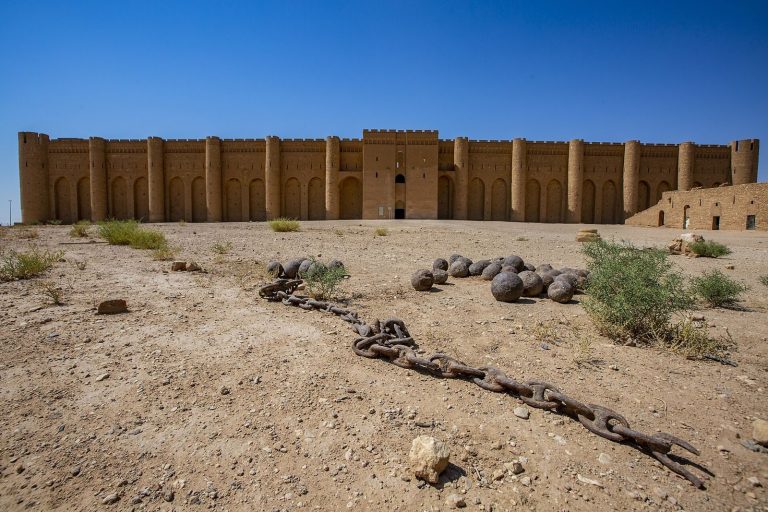
Al-Ukhaidir Fortress is an eighth-century Abbasid complex near Karbala, combining a fortified enclosure with courtyards, residences, a mosque, bath,…
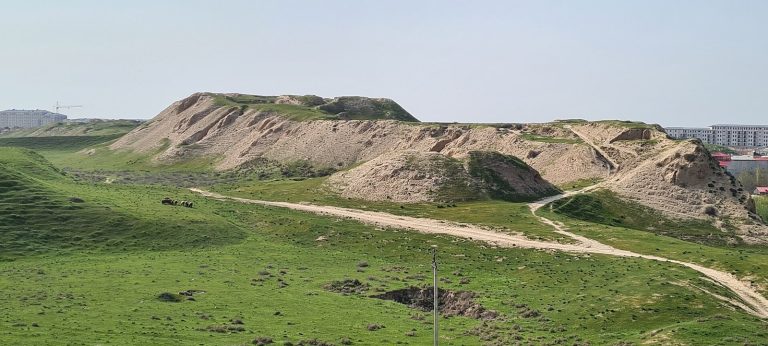
Afrasiyab is the oldest part of Samarkand, preserving the remains of a Sogdian and later Islamic city occupied from the seventh or sixth century BC…
For details on how to use the maps, which sites are included, how popularity and ratings are determined, and how sites are classified, see the help page.
On this page5 sections
Samarra’s mosque enclosure and spiral minaret
The Great Mosque of Samarra was commissioned by Caliph al-Mutawakkil in the ninth century. Its vast rectangular enclosure was built in baked brick, with projecting semicircular towers strengthening the perimeter. Numerous doors connected the surrounding city with the mosque’s interior.
The spiral minaret is the most distinctive surviving feature, while the enclosure walls retain the scale of the prayer complex. The roofed aisles and much of the interior have disappeared. The standing tower and long perimeter therefore need to be distinguished from reconstructions of the original columned hall and courtyard arrangement.
The minaret’s broad winding ascent produces a very different exterior from a slender cylindrical shaft. Together with the surviving walls, it makes the mosque legible as a large urban foundation even where the former roofed spaces are now open.
Courtyards and vaulted rooms at al-Ukhaidir
Al-Ukhaidir Fortress, southwest of Karbala in Iraq, encloses a substantial palace within a rectangular defensive wall. Its main internal building adjoins the northern perimeter, leaving additional space inside the outer circuit. Four gates served the enclosure.
Rubble masonry set in mortar forms much of the structure, while fired brick was used for vaulting. Massive piers, barrel-vaulted rooms, recessed arches and courtyards preserve a sequence of sheltered and open spaces within the fortified residence.
The building is generally dated to the early Abbasid period, but the identity of its founding patron remains uncertain. Excavation and substantial modern reconstruction have recovered parts of the palace arrangement, with restored masonry beside original early Islamic work.
Abbasid patronage at al-Zaytunah
Al-Zaytunah Mosque in Tunis connects the collection with Aghlabid North Africa. Its major ninth-century rebuilding was completed in 864–865, and an inscription names the Abbasid caliph al-Musta‘in as principal patron. The local Aghlabid context is part of that construction history.
A trapezoidal courtyard adjoins the columned prayer hall, with shops and other buildings closely fitted around the mosque’s perimeter. The slightly irregular lines reflect its urban setting. Later courtyard galleries include Zirid work and nineteenth-century columns, so the present enclosure combines the ninth-century foundation with substantial subsequent additions.
The corrugated walls of Great Kyz Kala
Great Kyz Kala at Merv in Turkmenistan preserves a tall earthen residence on a raised platform. Deep vertical ribs articulate its external walls. Excavations suggest construction in the eighth or ninth century, placing the building in the early Islamic city’s wider landscape.
Storage and service rooms occupied the lower level, with more elaborate residential rooms and a large hall above. The building stood within a further enclosure that included garden areas. Its interpretation as an elite suburban residence is better established than the suggestion that a particular governor lived there.
The massive earthen walls differ from al-Ukhaidir’s mortar-and-rubble construction, while both buildings combine protected access with domestic and service spaces. The pair shows regional variation within early Islamic elite residence architecture.
Explore the collection
Explore sites on the map or in the grid. Map icons reflect each site’s primary function, helping you identify different kinds of places at a glance. Refine the results by country, primary function, site type and era. Popularity and rating filters provide further refinements. Select a map marker to view the site’s details and open its article, or open the article from its grid entry.