Historic Sites in Luxembourg: Explore Castles, Palaces and Underground Fortifications
Explore historic sites in Luxembourg, including hilltop castles, Renaissance residences, palace buildings and artillery fortifications. Castles and historic residences dominate the collection. Examples above the Our and Sauer valleys and in Luxembourg City show residential halls, ruined enclosures, underground gun positions and a former town hall incorporated into a palace.
Primary Function: All
Type: All
Civilization: All
Popularity: All
Rating: All
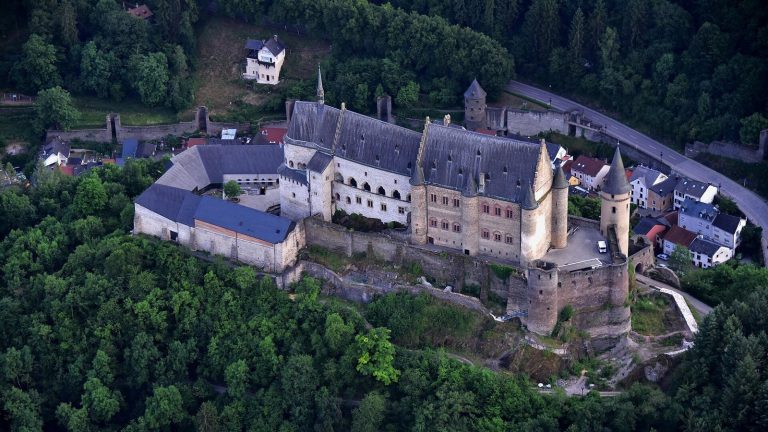
Vianden Castle developed from earlier Roman and Carolingian fortifications into a major medieval residence, later passed to Nassau and endured…
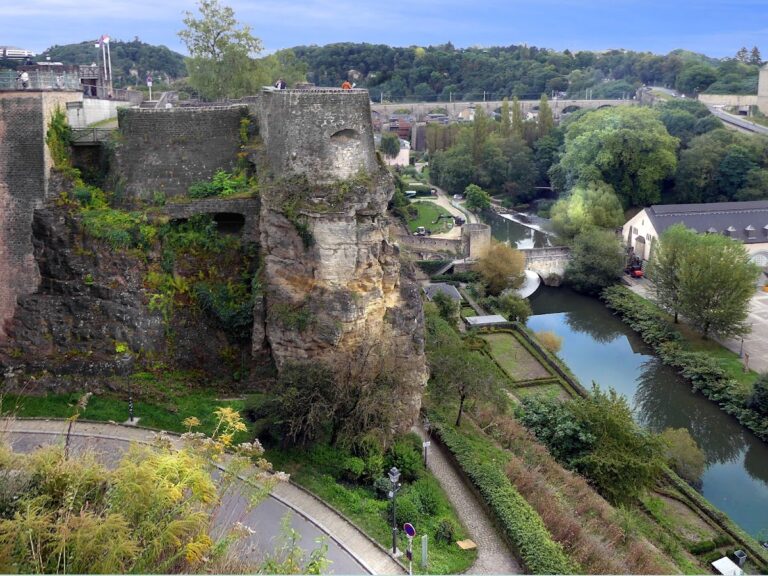
Bock is the rocky stronghold at the heart of Luxembourg City’s historic fortifications, shaped by medieval rulers, European sieges, and centuries of…
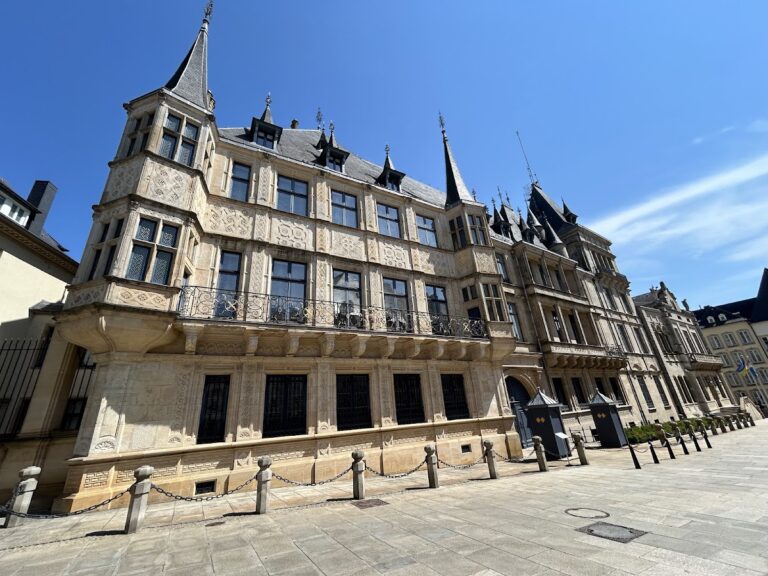
The Grand Ducal Palace in Luxembourg City developed from a Renaissance city hall built in the 1570s and became the residence of Luxembourg’s…
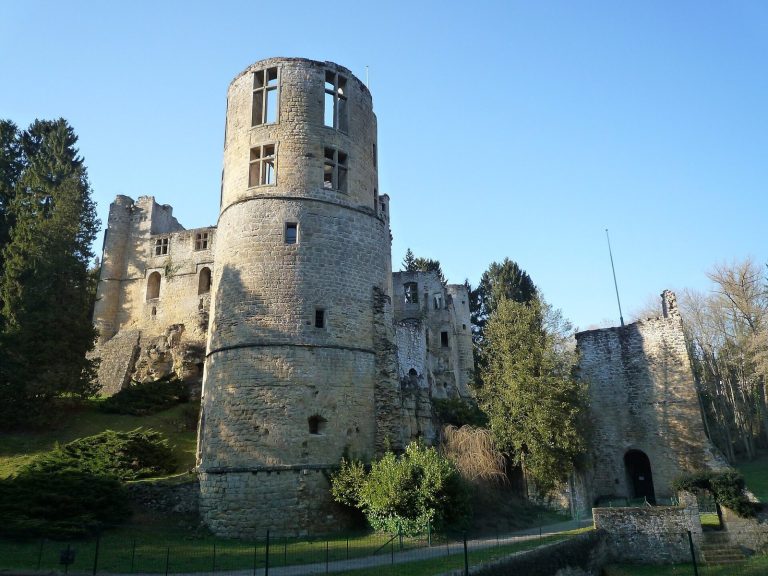
Beaufort Castle in eastern Luxembourg combines a medieval rock fortress with a separate residence built in the seventeenth century. Its history…
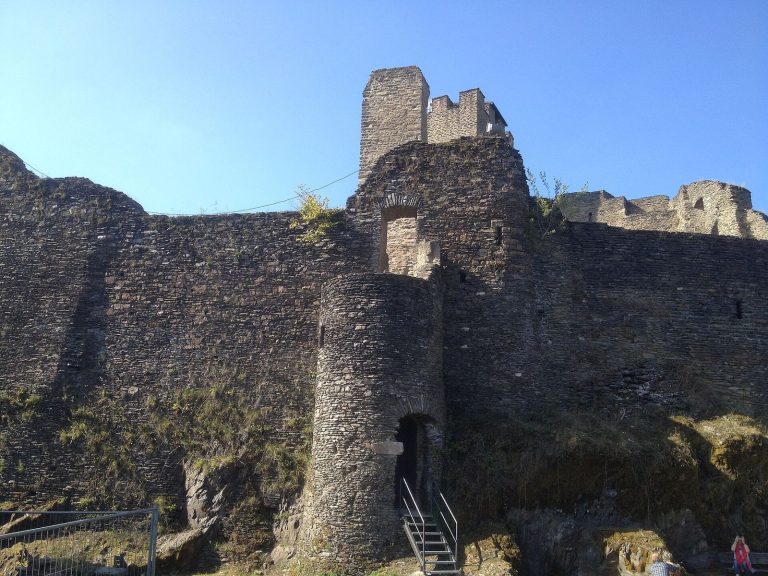
Bourscheid Castle is a medieval hilltop fortress in northern Luxembourg, developed from an earlier wooden fortification into a major military…
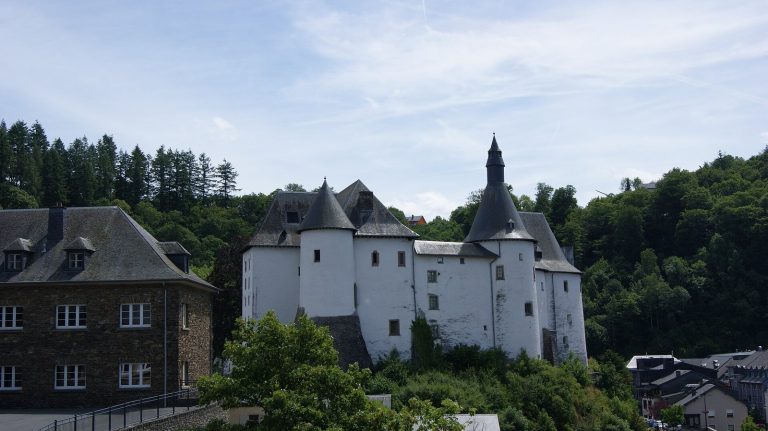
Clervaux Castle developed from a medieval hilltop stronghold into a fortified residence and later a public cultural complex containing three museums…
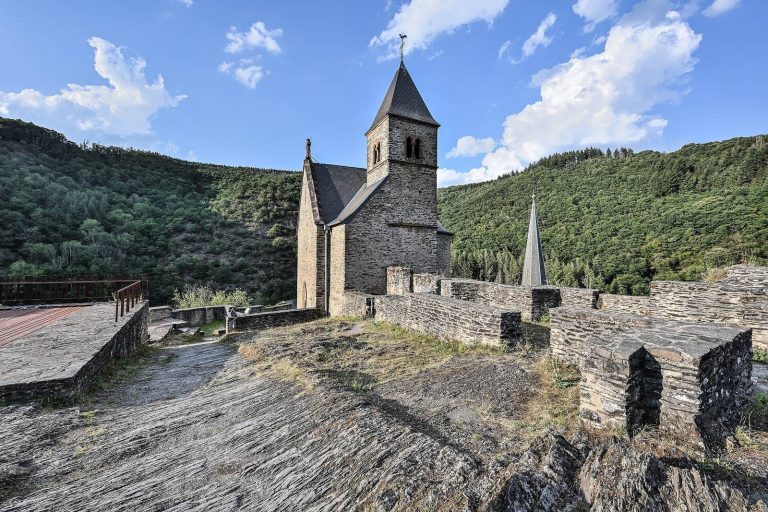
Esch-sur-Sûre Castle developed from a medieval residential tower into a fortified complex protecting a settlement in the Sauer valley. Its ruins…
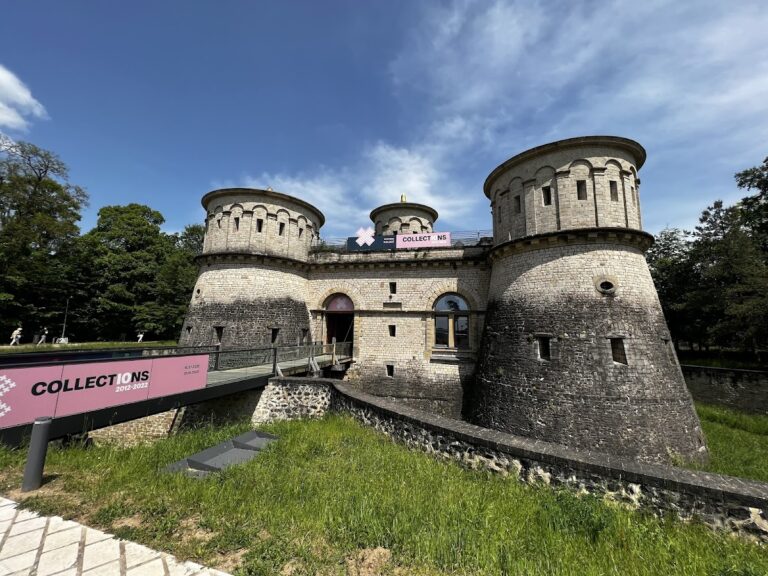
Fort Thüngen, also known as the Three Acorns, formed part of Luxembourg’s historic defenses and survives through its three towers, foundations, and…
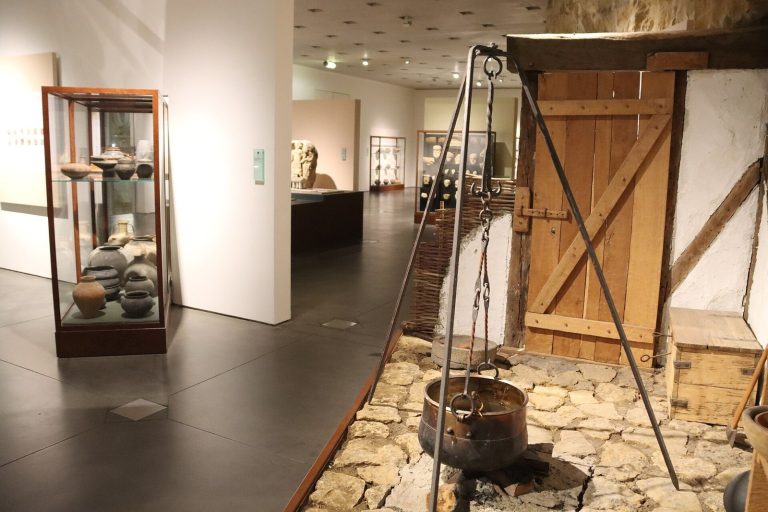
The National Art & History Museum in Luxembourg City developed from nineteenth-century scholarly collections and became the state institution…
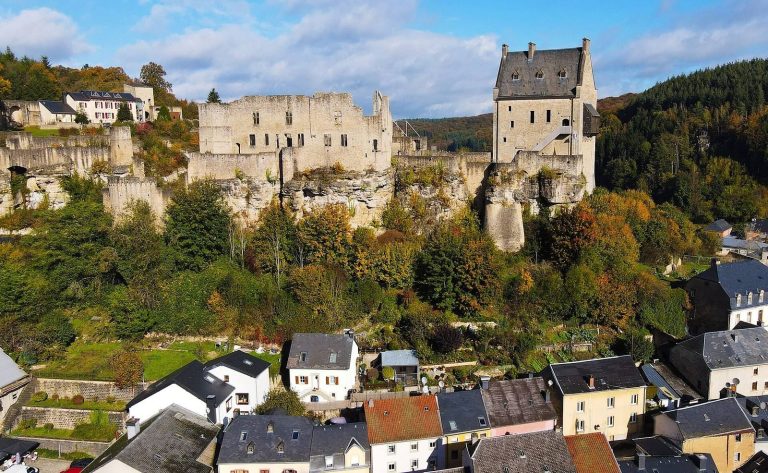
Larochette Castle developed from a twelfth-century fortified residence into a shared noble stronghold shaped by the Fels, Homburg, Pittingen, and…
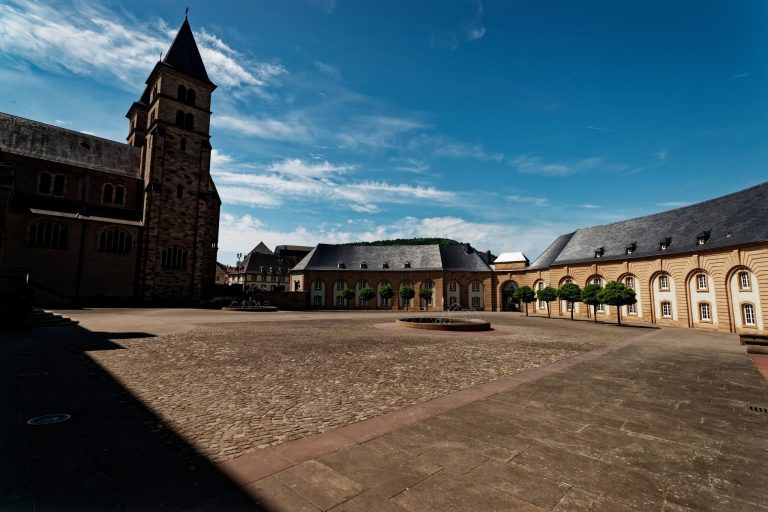
Founded by Willibrord around 698, the Abbey of Echternach became a major missionary centre, manuscript-producing monastery, pilgrimage site, and…
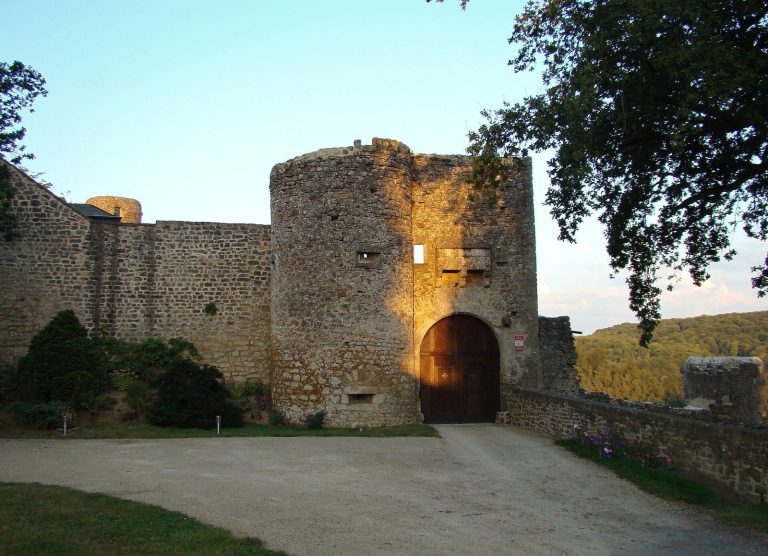
Ansembourg Castle is a medieval fortress in Luxembourg that developed from a twelfth-century stronghold into a residential complex. Its history…
For details on how to use the maps, which sites are included, how popularity and ratings are determined, and how sites are classified, see the help page.
On this page5 sections
Castles above river valleys
Vianden Castle extends along a rocky spur above the Our. Its medieval residential buildings include a small palace, a larger palace and an unusual ten-sided chapel, joined by a high gallery. Romanesque construction was followed by Gothic alterations, including steeper roofs and raised gables. The Renaissance Nassau Palace added a banqueting hall and bedrooms. After the castle was stripped of roofing, doors and fittings in the nineteenth century, extensive restoration returned the complex to its present roofed form.
Bourscheid Castle occupies a promontory high above the Sauer. Its Upper, Lower and Outer Castle developed into successive defensive and residential areas, with ring walls, towers and a protected approach. The main tower and extensive palace cellars survive among the ruins of the Upper Castle. Below them, the Gothic cellar of the Stolzemburg House preserves part of a separate noble residence. Workshops and service buildings once occupied the lower enclosure, alongside accommodation for the castle household.
Castles and Renaissance residences
At Beaufort Castle, the medieval fortress and seventeenth-century residence stand beside one another. The ruined castle developed from a compact building on rock, protected by a moat, into a larger complex extending towards the valley. Its courtyard preserves different Romanesque and Gothic phases, while a later wing introduced cross-framed windows above the medieval walls.
The separate residence was built for Johann von Beck between 1643 and 1649, on higher ground above the older castle. Here, the change from a fortified seat to a more comfortable house is visible in two distinct buildings. The medieval ruins have remained legible rather than being entirely absorbed into the newer residence.
Palaces and former town halls
The Grand Ducal Palace incorporates Luxembourg City’s Renaissance town hall, built after a gunpowder explosion destroyed its predecessor in 1554. This older section has two projecting oriel towers, a steep slate roof and an elaborate sandstone façade. Carved acanthus leaves, rosettes and interlacing patterns cover the stonework.
The palace grew through the incorporation of a weighing house, bell tower and additional wings. A rear Neo-Renaissance extension provided further residential accommodation after the conversion to a grand-ducal palace in 1890. Its street frontage therefore preserves a civic building within the later royal complex.
Artillery forts and underground galleries
The Bock uses the cliffs above the Alzette as part of its defences. Its casemates are underground galleries and chambers enlarged particularly during Austrian rule in the eighteenth century. Branches from the main passage held cannon positions, while other spaces accommodated soldiers and an internal well supplied water. The Castle Bridge also contains passages beneath its road, connecting the rock with the old town at different levels.
At Fort Thüngen, three round towers carry the oversized acorns that gave the fort its local name, Dräi Eechelen. The Austrian fort was later strengthened by the Prussians, then largely dismantled after the 1867 Treaty of London. The towers survived; reconstructed exterior walls now help define the outline of the former defensive work.
Explore the collection
Explore sites on the map or in the grid. Map icons indicate each site’s primary function, helping you identify different kinds of places at a glance. Narrow the results by primary function, site type, civilization or era, with additional filters for popularity and rating. Select a map marker to view the site’s details and open its article, or open the article from its grid entry.