Château de Nages: A Medieval Fortified Castle in France


Site at a Glance
- Rating
- 4.3
- Popularity
- Very Low
- Country
- France
- Primary era
- Medieval
- External website
- Open
- Eras represented
- Medieval
- Civilizations
- French
- Site type
- Military
- Remains
- Castle
On this page10 sections
History
Château de Nages is a medieval fortified castle in France, built around 1356 during the Hundred Years’ War. This prolonged series of conflicts between the English and French crowns took place from the fourteenth to the fifteenth century. The castle was constructed partly to protect Nages against repeated attacks by the Black Prince, Edward of Woodstock, the English heir to the throne and a prominent military commander.
Capture during the Wars of Religion
On 24 February 1586, during the French Wars of Religion, the castle was captured by Huguenot forces commanded by Gabriel de Montgommery. The French Wars of Religion were sixteenth-century conflicts between Catholics and Protestants in France, while Huguenots were French Protestants associated chiefly with the Reformed tradition. Captain Calvet defended Château de Nages, but the prisoners were massacred at Martinoles in Nages despite promises that their lives would be spared.
The destruction of Saint-Victor Church during this episode changed the castle itself. One of its towers was converted into a bell tower for the church, which was subsequently rebuilt.
Ownership and later use
The Counts of Thézan owned Château de Nages from its foundation and retained the property during the French Revolution. Through the marriage of their daughter, ownership later passed to the Lévis-Mirepoix family. That family sold the castle at the beginning of the twentieth century.
The castle is now divided among several owners. The Rieumontagné Research Centre owns two of its towers, while part of the complex has been adapted for visits and houses a collection of medieval and Renaissance objects.
Remains
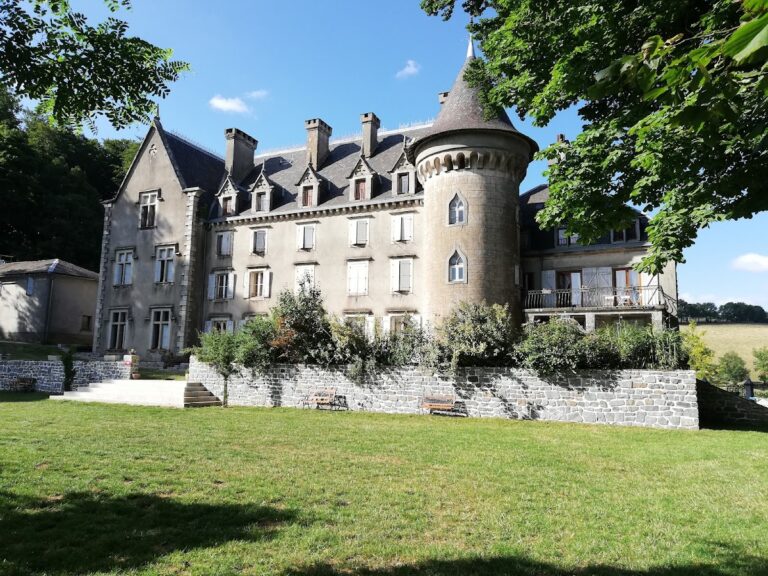
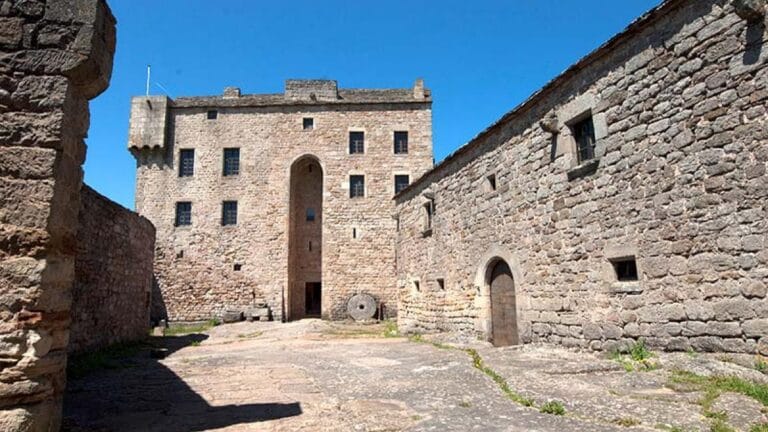
Château de Nages survives as a fortified medieval complex in Nages, in the Tarn department of Occitanie. Its documented fortifications include square towers and a round tower. One tower forms the bell tower of the rebuilt Saint-Victor Church, linking the defensive structure with the later religious building.
Fortifications and church tower
Square and round towers
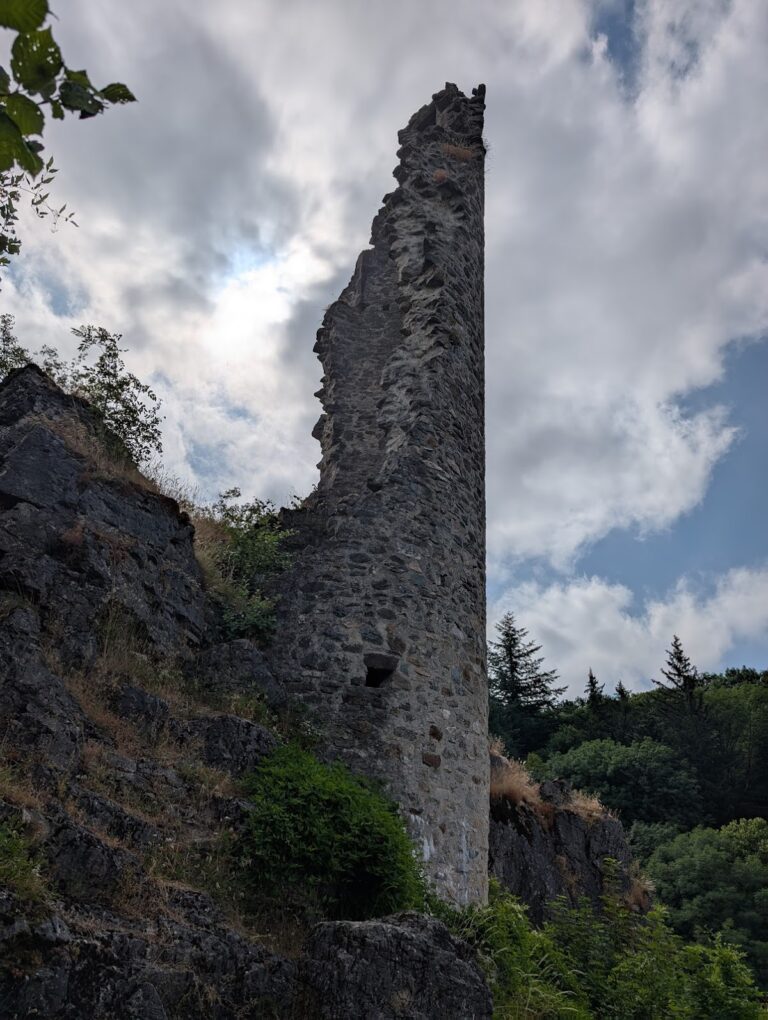
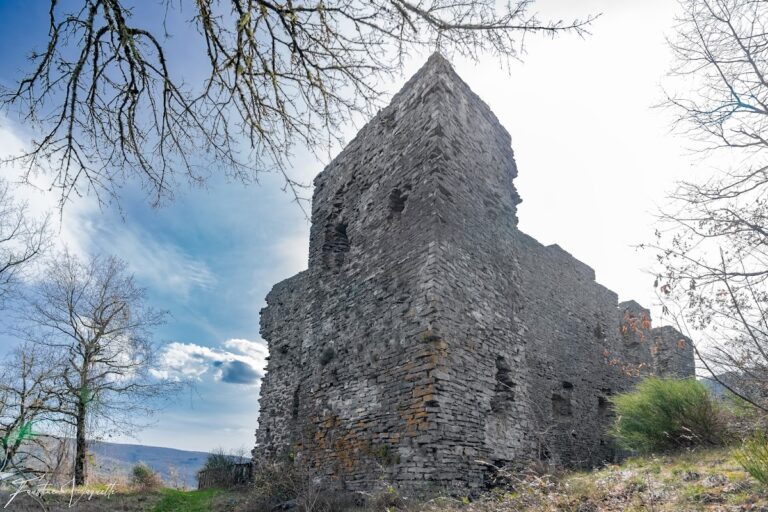
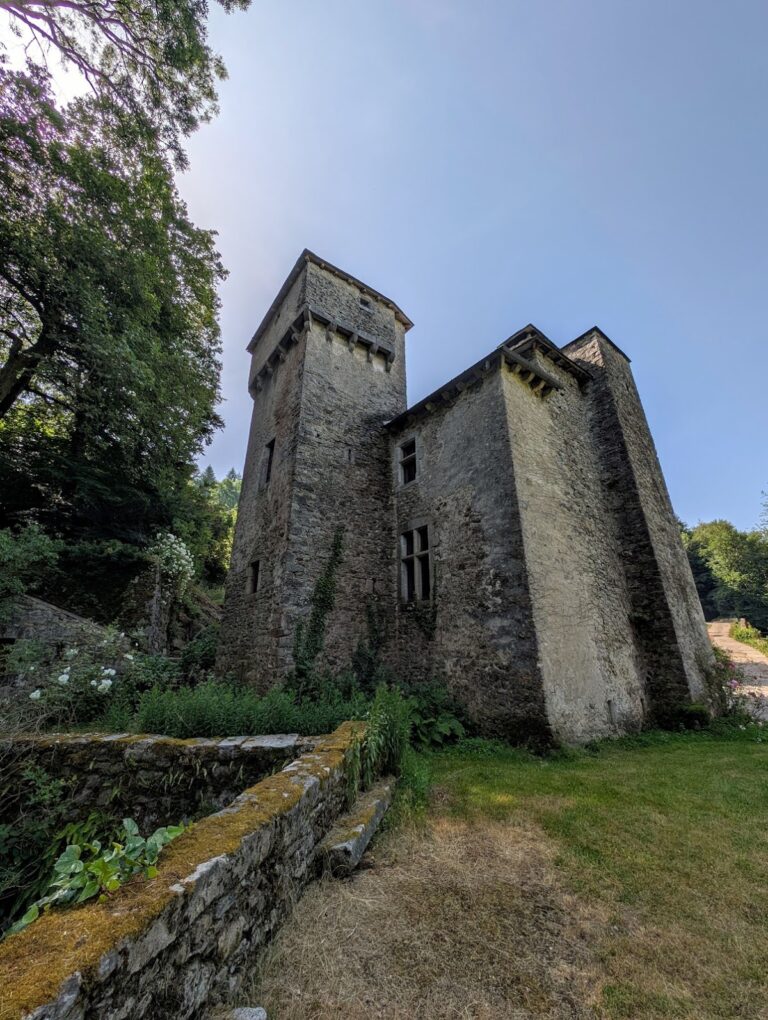
The castle’s surviving defensive fabric includes square towers together with a round tower. Two of these towers are owned by the Rieumontagné Research Centre, within a complex that is divided among several owners.
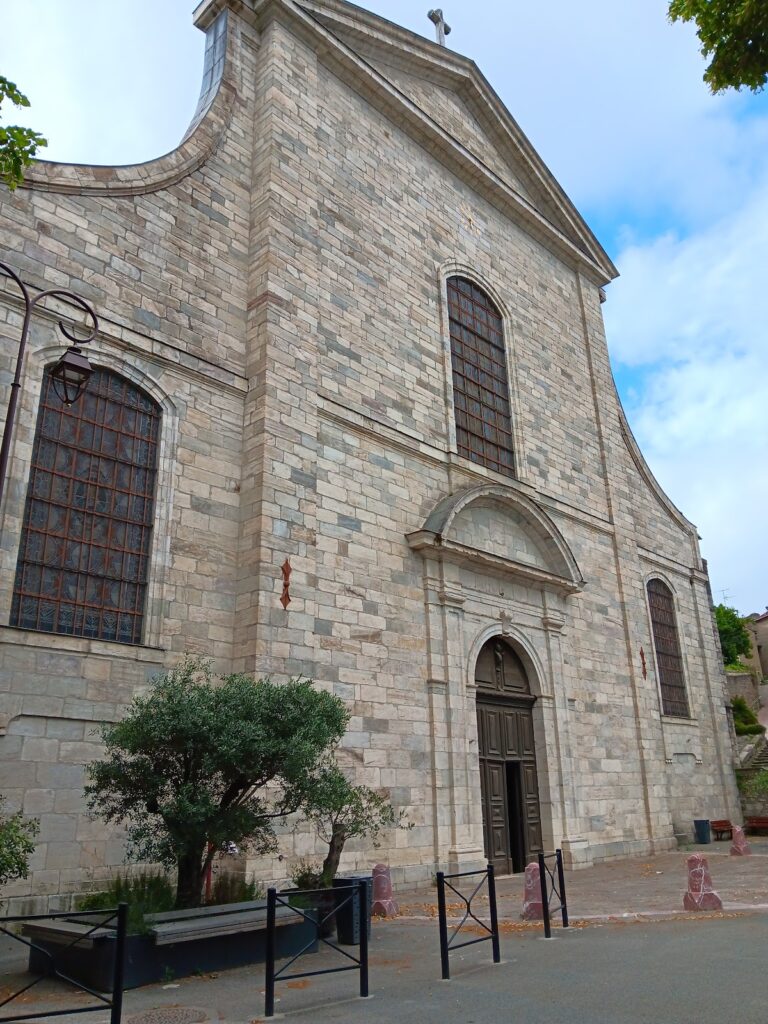
Saint-Victor bell tower
A castle tower was adapted as the bell tower of Saint-Victor Church after the church was destroyed during the 1586 capture of the castle. The church was then rebuilt, leaving the converted tower as part of its later arrangement.
Interior features and collections
Kitchen fireplace
The kitchen contains a fireplace transferred from Château d’Escroux, another castle. The fireplace was moved to Château de Nages in 2018.
Medieval and Renaissance objects
The part of the castle adapted for visits houses a collection of objects from the medieval and Renaissance periods, adding material evidence of those historical eras to the surviving architectural complex.
Nearby sites