Forte Poggio Pol: An Austrian Fort in Italy’s Pastrengo Defensive Group


Site at a Glance
- Rating
- 4.4
- Popularity
- Very Low
- Country
- Italy
- Primary era
- Modern
- Eras represented
- Modern
- Civilizations
- Habsburg
- Site type
- Military
- Remains
- Fort
On this page8 sections
History
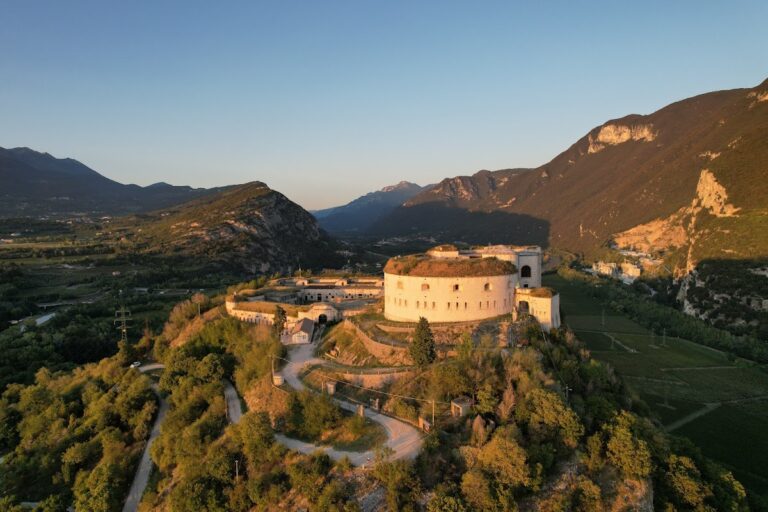
Forte Poggio Pol is a nineteenth-century Austrian fort in Italy, built between 1859 and 1861 on Poggio Pol hill in the municipality of Pastrengo. Originally named Forte Nugent, it formed part of the Pastrengo group, a defensive system intended to protect Verona if enemy forces bypassed the defenses of Peschiera, as had happened in 1848.
Austrian construction
The fort was ordered by Field Marshal Johann Joseph Radetzky, an Austrian commander who played a major military role during the nineteenth century. Its design was prepared by the Imperial-Royal Engineering Directorate of Verona, the Austrian military office responsible for planning and building fortifications.
Forte Nugent was one of several works created to defend the area between Bussolengo and Pescantina. Its position on Poggio Pol hill gave it a role within the wider defensive arrangement protecting the approaches to Verona.
Transfer to Italy
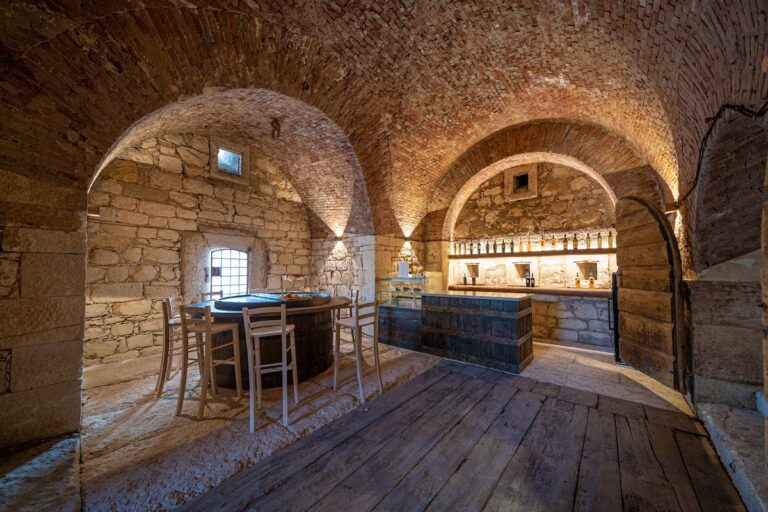
When Venetia was annexed to the Kingdom of Italy in 1866, the fort passed into the custody of the Royal Italian Army. It was then renamed Forte Poggio Pol. The building is now used as a restaurant.
Remains
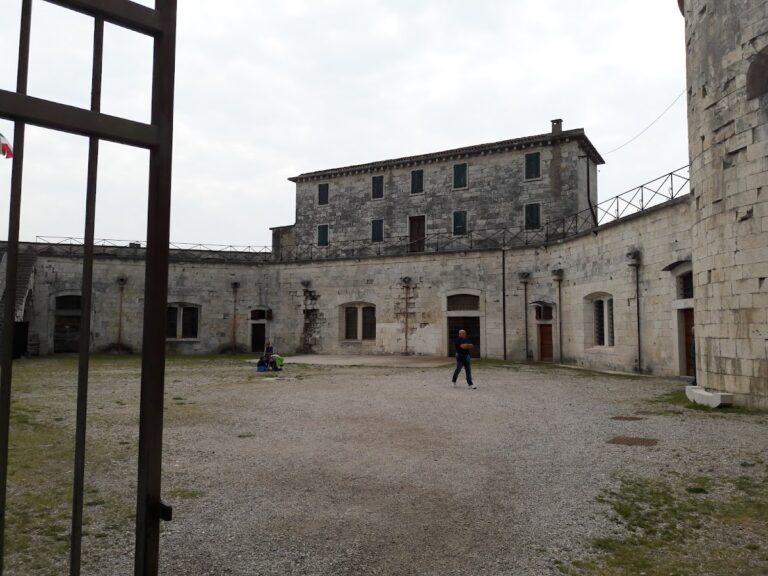
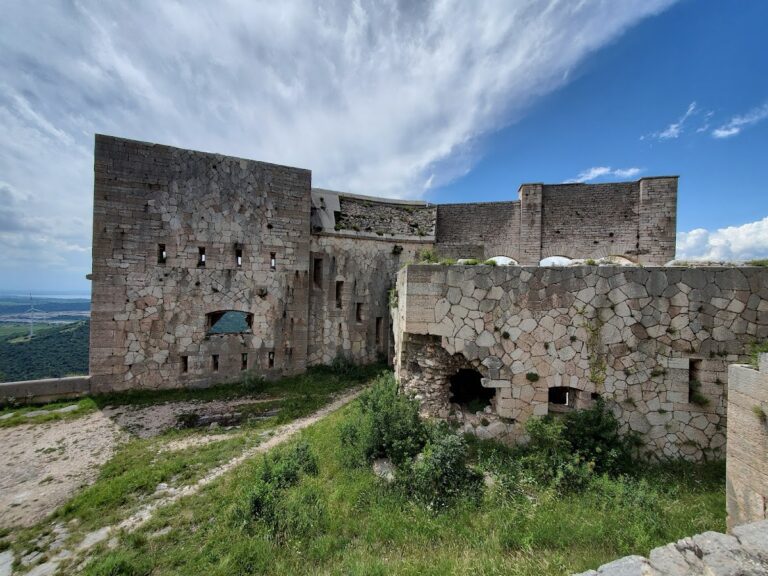
Forte Poggio Pol survives as an approximately pentagonal masonry work built from natural stone, with carefully finished construction details. Its preserved form reflects both its defensive purpose and the need to house a garrison capable of remaining on site for relatively long periods.
Defensive works
Upper rampart and artillery positions
Several artillery positions occupied the upper rampart. Some were shielded by a wall pierced with openings for cannon fire. Other open positions lay along the left flank, divided and protected by earth-filled fascine gabions, which were wickerwork structures packed with earth. The armament comprised about 16 guns of various calibers, including 10 rifled pieces: six 120 mm guns and four 60 mm guns.
Interior accommodation
Garrison rooms and service spaces
The interior included numerous rooms for soldiers and the operation of the fort. These spaces provided accommodation, storage, workshops, and stables, allowing the garrison to live and work within the position for extended periods. The fort remains in good condition.
Nearby sites