Forte Monte Folaga: An Austrian Fortification near Pastrengo


Site at a Glance
- Rating
- 4.5
- Popularity
- Very Low
- Country
- Italy
- Primary era
- Modern
- External website
- Open
- Eras represented
- Modern
- Civilizations
- Austrian Empire, Habsburg
- Site type
- Military
- Remains
- Fort
On this page11 sections
History
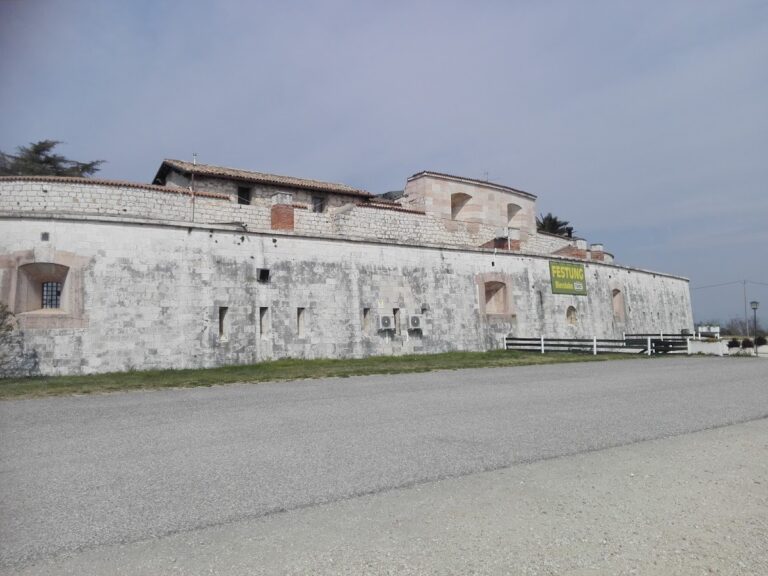
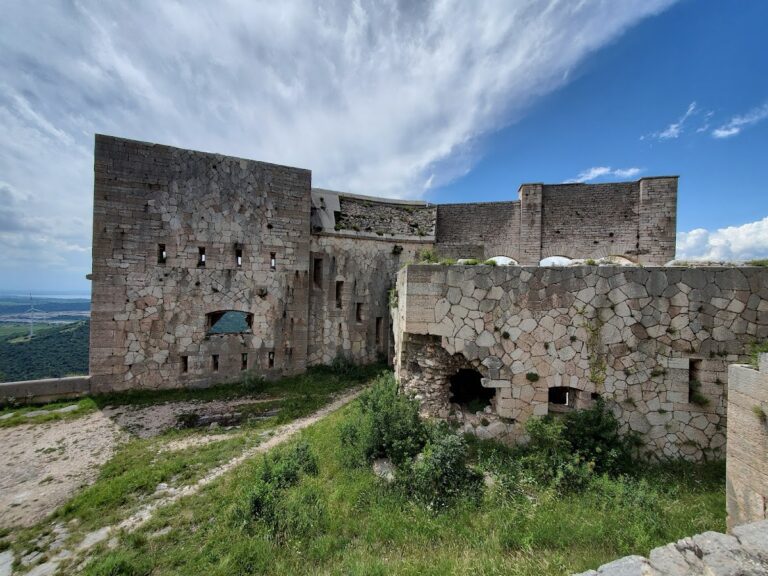
Forte Monte Folaga is a nineteenth-century Austrian fortification in Italy, built near Pastrengo between 1859 and 1861 as part of the Rivoli and Pastrengo fortification group. Completed in 1861, it formed part of the defensive system established by the Austrian Empire in the area.
Austrian construction and dedication
The fort was originally known as Forte Benedek and was also called Forte Monte Bolega. Austrian authorities dedicated it to Ludwig von Benedek, a nineteenth-century Austrian military commander of Hungarian origin. Its principal armament comprised 15 artillery pieces of various calibres, and the Imperial Austrian Army used the fort as part of its regional defensive network.
Transfer to the Kingdom of Italy
After Veneto was annexed to the Kingdom of Italy in 1866, the fort passed to the Royal Italian Army. It was then renamed Forte Monte Folaga, after the mountain on which it stands. The fort continued to serve a military purpose under its new administration.
Private ownership and adaptive reuse
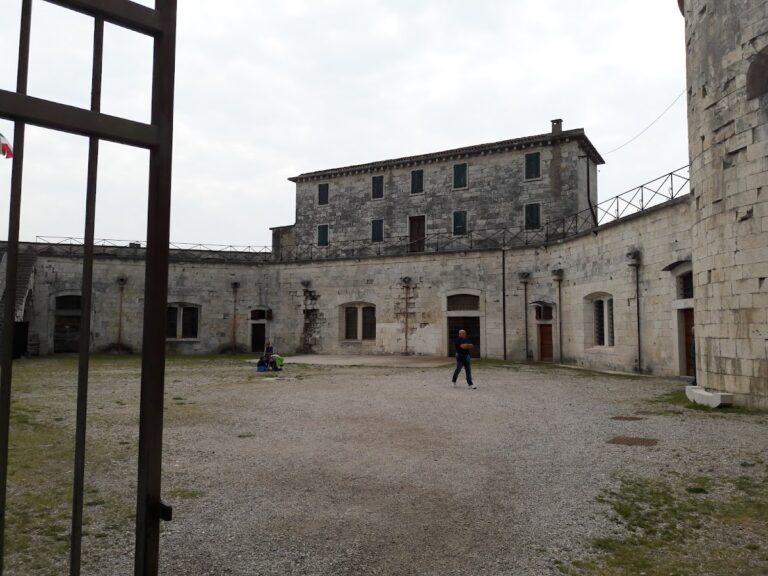
Forte Monte Folaga is privately owned and remains in good condition. Its interior now includes a cellar and accommodation facilities within the historic fortification, including the Forte Benedek adults-only relais.
Remains
Set on a height approximately 190 metres above sea level, the fort occupies a position from which its artillery could cover the area between Sandrà and Bussolengo, extending as far as Lazise. Its defensive arrangement combines a rampart with open and enclosed gun positions, while redoubts provided protected spaces for the garrison. The overall concept is very similar to that of nearby Forte Piovezzano, also known as Forte Degenfeld.
Rampart and artillery positions
Barbette gun positions
The rampart contained several open barbette positions. In these emplacements, guns fired over a parapet rather than through a protected opening, allowing artillery to operate from the elevated defensive perimeter.
Protected emplacements and casemates
Additional guns stood in positions protected by walls or installed in casemates, enclosed fortified spaces designed to shield artillery and its crews. Together, these arrangements accommodated the fort’s 15 artillery pieces of varying calibres.
Garrison spaces and interior reuse
Redoubts
Several redoubts formed part of the fort. These smaller enclosed defensive positions were intended to accommodate and shelter the garrison within the wider fortification.
Cellar and accommodation facilities
Part of the interior is occupied by a cellar and accommodation facilities. These uses retain the fort’s historic fabric while adapting sections of the surviving structure to private purposes.
Nearby sites