Burg Rotwasserstelz: Medieval Castle and Administrative Seat in Germany


Site at a Glance
- Rating
- 4.1
- Popularity
- Very Low
- Country
- Germany
- Primary era
- Medieval
- Eras represented
- Medieval, Early Modern
- Civilizations
- Holy Roman Empire
- Site type
- Military
- Remains
- Castle
On this page8 sections
History
Burg Rotwasserstelz is a medieval aristocratic castle in Germany, built by the Wasserstelz family during the twelfth century and first documented in 1163. It stands in Hohentengen am Hochrhein at the northern end of a Rhine crossing to Switzerland. The castle is also known as Rotenleim, Schloss Rötteln, Röteln, and Burg Kaiserstuhl.
The Wasserstelz and Rötteln lords
Ludwig von Rötteln was recorded in 1185 as serving the dukes of Zähringen, a medieval ruling dynasty whose influence extended through southwestern Germany and nearby regions. In 1362, Hans von Rötteln held the position of a Habsburg feudal vassal. The Habsburgs were a major European dynasty that possessed extensive lands and feudal rights in the region.
On 1 May 1294, the Regensberg family sold the lordship of Rötteln to the Bishopric of Constance. Centered on Constance, this ecclesiastical principality also exercised territorial authority and granted lands and offices as fiefs, meaning possessions held in return for service. The castle was expanded that year and became the seat of the chief bailiff of the Lordship of Kaiserstuhl.
Seat of the Lordship of Kaiserstuhl
The Lordship of Kaiserstuhl included Kaiserstuhl, Lienheim, Hohentengen am Hochrhein, Herdern with Türnerhof, Weisswasserstelz with Guggenmühle, and Schwarzwasserstelz with Fisibach and Weiach. A chief bailiff was the senior administrative and judicial official who governed a lordship for its territorial overlord. Konrad IV Heggenzer von Wasserstelz held this office in 1507. Chief bailiff Ludwig Tschudi of Glarus died at the castle on 23 September 1601, and his epitaph is in the church of Hohentengen.
The lordship remained under the Bishopric of Constance until the Peace of Lunéville on 9 February 1801. This agreement transferred the bishopric’s territories to the Margraves of Baden. The last chief bailiff was the privy councillor von Würz. The castle acquired its present form in 1787.
Ownership after 1801
In 1823, Burg Rotwasserstelz was sold for 6,775 gulden to Mathäus Ackermann, a chief customs officer. The paper manufacturer Lenz of Wehr acquired it in 1889 and later sold it to the merchant Mutter of Todtmoos. The castle remains privately owned and is a cultural monument in the Waldshut district of Baden-Württemberg.
The Rhine crossing
The Rhine crossing between Kaiserstuhl and Hohentengen was first documented in 1294. A drawbridge stood on the Kaiserstuhl side. A new bridge was built in 1554, partly collapsed in 1768, and was rebuilt before French forces burned it in 1799. Flooding swept it away in 1817, after which it was rebuilt in 1822. Another flood destroyed it in 1876, and an iron bridge was completed in 1890.
Remains
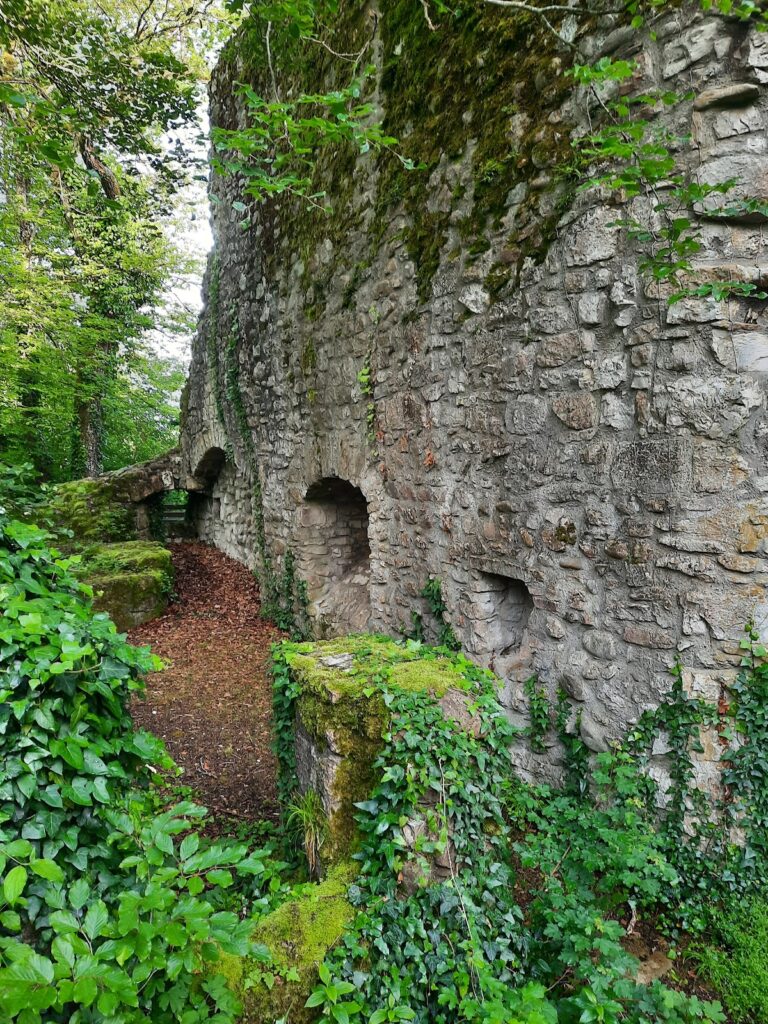
Burg Rotwasserstelz is a rock castle in a settled area, built on a 343-metre-high coral-reef rock formed from Malm limestone. Malm is the geological term for the Upper Jurassic period and its associated limestone formations. The castle occupies the northern bridgehead of the Rhine crossing to Switzerland, opposite the municipality of Kaiserstuhl in the Aargau region.
Castle complex
The complex included an old tower, a customs office, a barn and stable, a rock cellar, and the Red Little House. Its associated land consisted of seven Juchert of meadow and three Juchert of arable land. A Juchert was a historical measure of agricultural land whose exact area varied from one region to another.
Chapel and related castles
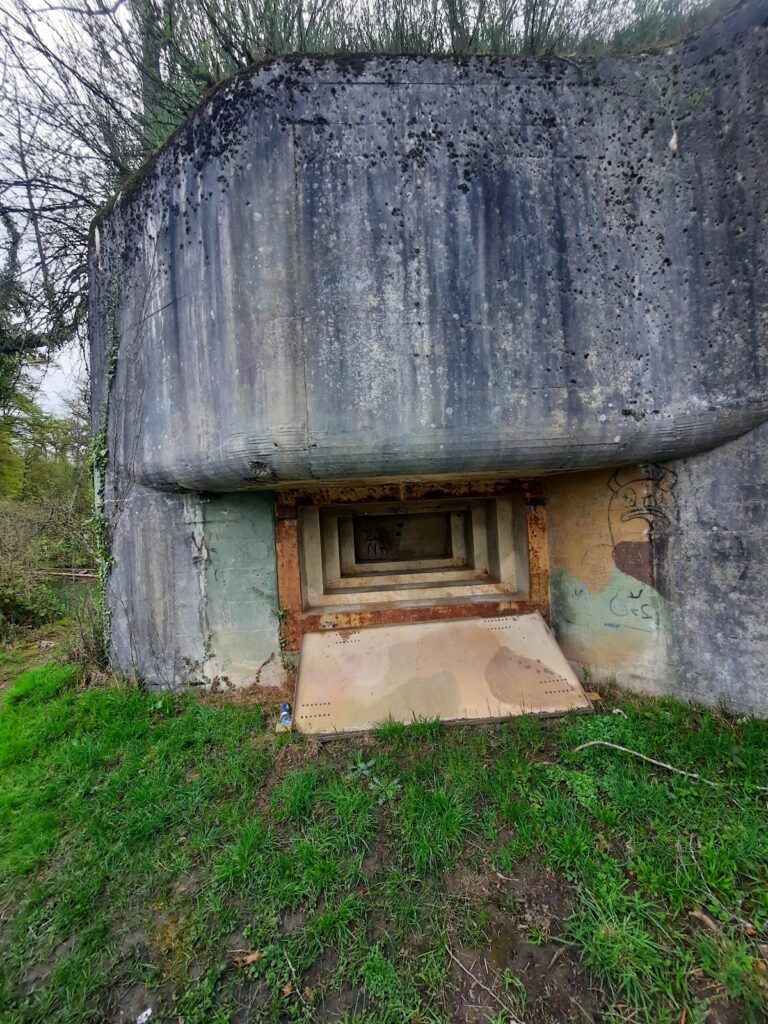
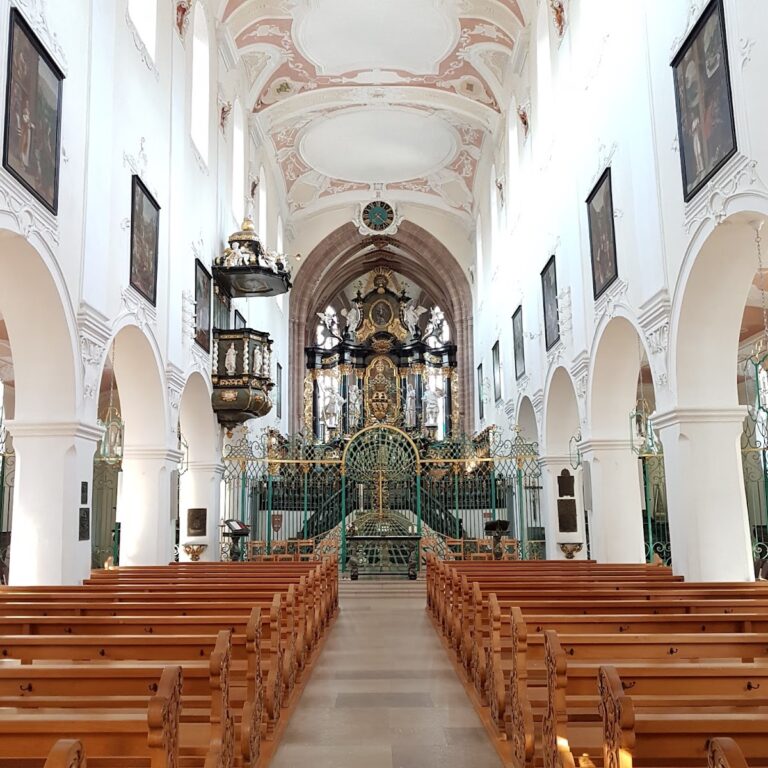
The late Gothic Chapel of St Anthony stands approximately 100 metres east of Burg Rotwasserstelz. The nearby ruins of Weisswasserstelz Castle are associated with the Wasserstelz family. Schwarzwasserstelz Castle, formerly an island castle in the Rhine, stood on a rock that is now occupied by a bunker from the Second World War.