Fort Montbarey: A Brest Land-Defense Fort and Second World War Memorial Museum


Site at a Glance
- Rating
- 4.6
- Popularity
- Low
- Country
- France
- Primary era
- Early Modern
- External website
- Open
- Eras represented
- Early Modern, Modern
- Civilizations
- French, German
- Site type
- Military
- Remains
- Fort
On this page9 sections
History
Fort Montbarey is a French fortified work west of Brest, France, constructed between 1777 and 1784 as part of the city’s land defenses. Built during the reign of Louis XVI in the 18th century, it formed the most important link in the western defenses, protecting the naval base and blocking the road from Le Conquet.
Construction and the defense of Brest
Louis XVI, king of France from 1774 to 1792, supported major efforts to strengthen French naval bases and coastal defenses during the country’s rivalry with Britain. Fort Montbarey was developed as part of the fortified camp of Brest-Saint-Pierre during the American War of Independence, when French authorities anticipated possible English attacks by land.
The fort was planned for a garrison of between 500 and 600 soldiers and was intended to withstand a siege lasting three weeks. Its position west of Brest made it part of a wider chain of strongholds surrounding the city, including Questel Fort.
Occupation and the Battle of Brest
From June 1940 to 1944, the German army used Fort Montbarey as a logistics barracks. It also functioned as a labor camp for hundreds of Spanish Republican refugees, who were forced to work on the Brest submarine base and parts of the Atlantic Wall, the German coastal-defense system built along western Europe during the Second World War. The work was directed by the Organisation Todt, a German state-controlled construction organization responsible for major military infrastructure.
A bunker was built during the occupation to protect the fort from bombing. In the final days of the Battle of Brest, approximately 60 to 70 men from the German 2nd Parachute Division held the position for four days. British Churchill Crocodile tanks, modified to project a powerful flame weapon, were used in repeated assaults. The garrison surrendered on 16 September 1944, and Brest was liberated two days later, on 18 September.
Cold War command center
During the Cold War, Fort Montbarey housed the command center of the western Brittany and Brest port air-defense service, known by the French abbreviation DCA, meaning air defense. In 1953, two bunkers replaced the damaged southern wing of the older fort. They accommodated a long-range air-surveillance radar and the command and technical facilities of the center. The radar installations were dismantled at the end of the 1960s, and the remaining facilities were decommissioned by the late 1970s.
Memorial museum
In 1984, the French state leased the fort to the city of Brest, which developed it as a memorial museum devoted to the people of Finistère during the Second World War. Its themes include civilian life, combat, resistance, and deportation in Brest and the surrounding department. The Mémorial des Finistériens association has managed the site, its maintenance, and its public activities since that time.
Between 1984 and 1986, the memorial’s principal early objective was to identify more than 10,000 people born in Finistère who died for France during the war. The group includes service personnel, members of the Free French Forces, domestic resistance fighters, and civilian victims. Their names are recorded in the memorial crypt at the center of the fort.
Remains
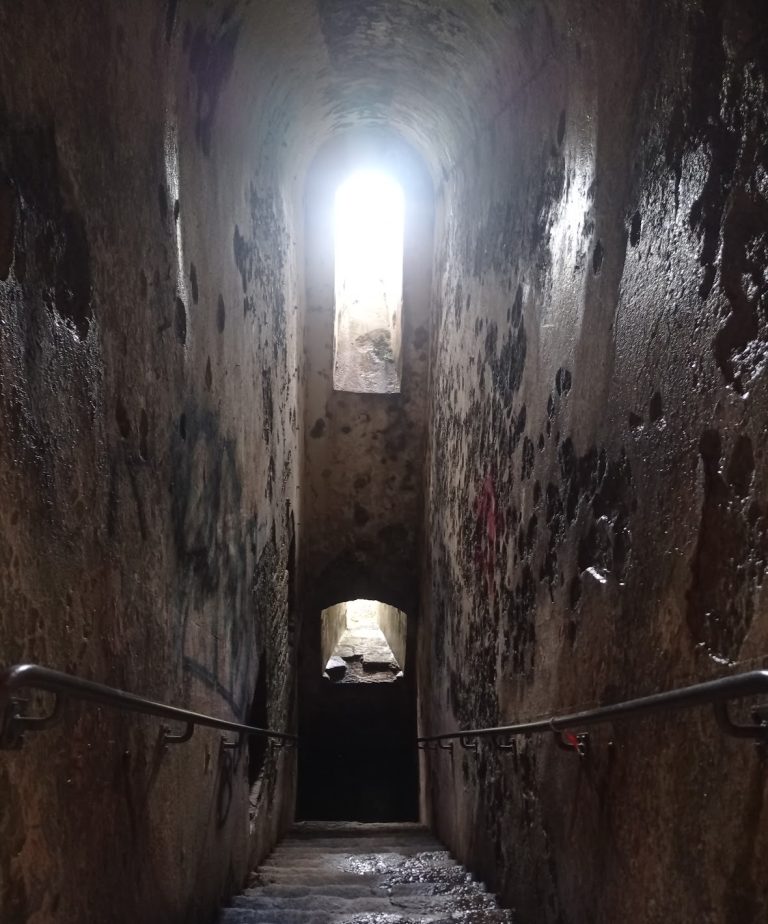
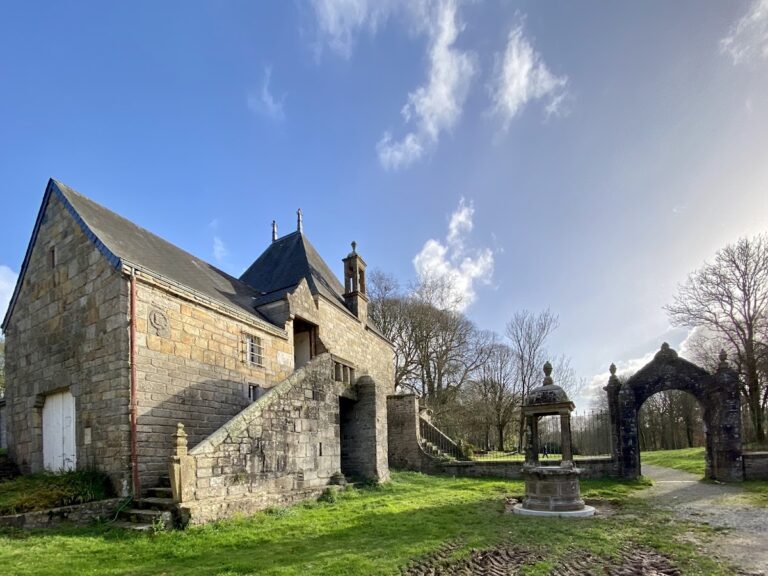
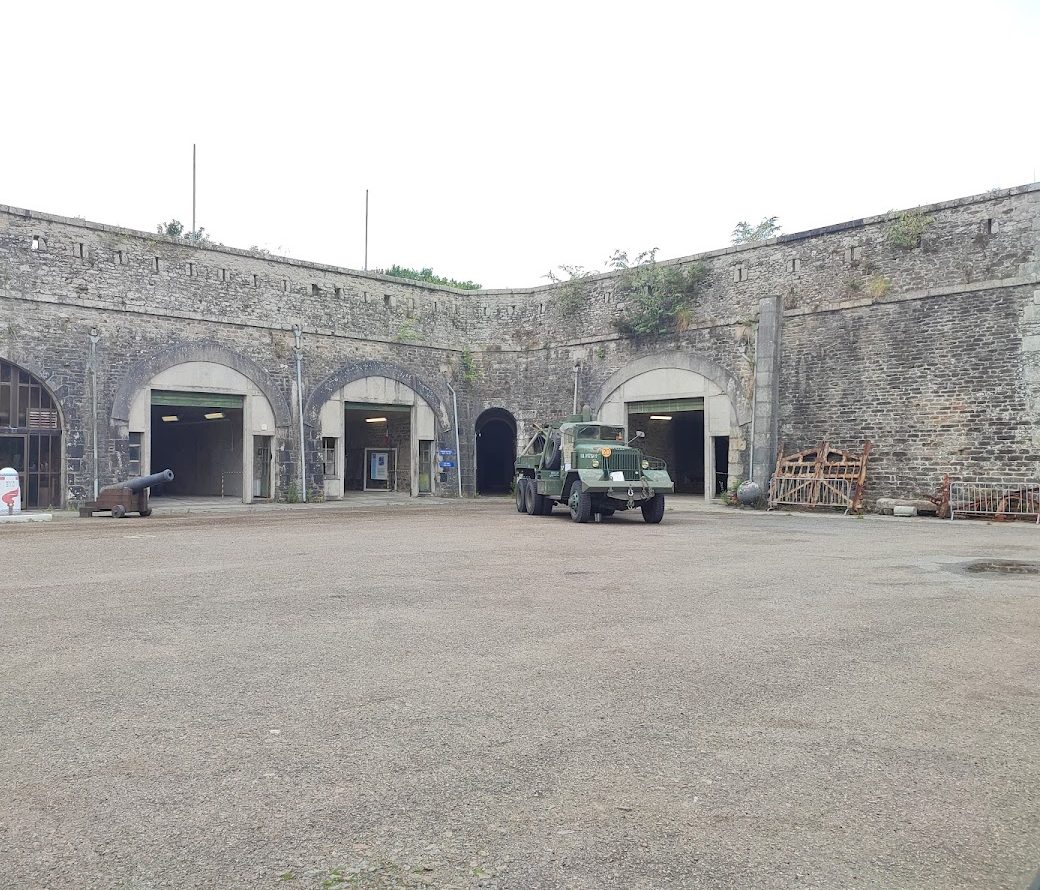
Fort Montbarey is an enclosed work with an inverted-U plan and survives in an almost complete condition compared with many other forts. Its surviving fabric combines the original 18th-century defensive complex, wartime additions, and Cold War installations built within the courtyard. Original German inscriptions from the occupation remain visible in parts of the fort.
Original fort
The original complex included soldiers’ barracks, a pharmacy, and an infirmary. Its bread oven could produce up to 300 loaves a day, supporting the large garrison for which the fort was designed. A document dated 26 January 1911 records the original armament as four 90c guns and six 120L guns.
Cold War installations
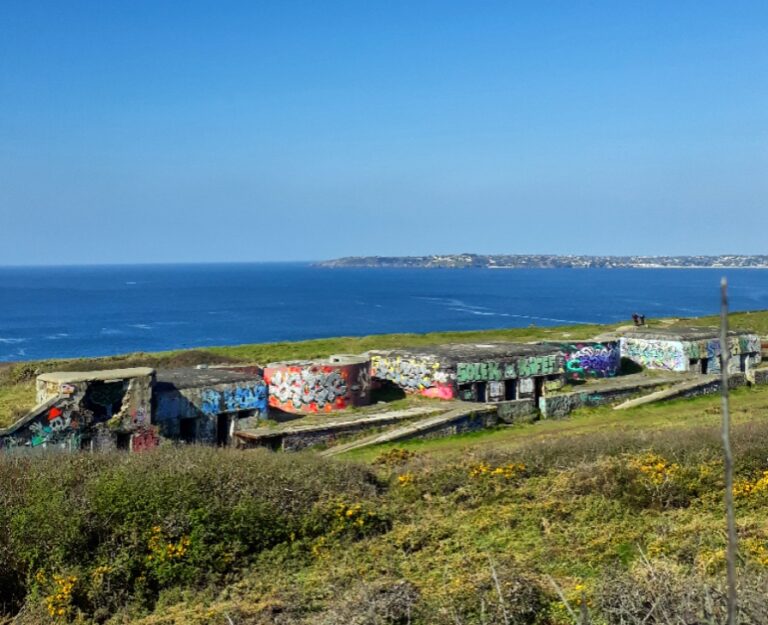
Two large bunkers stand in the courtyard, where they replaced the damaged southern wing of the earlier fort in 1953. Their interiors contained radar, command, and technical installations associated with the air-defense center. The radar equipment was later dismantled, while the bunkers remain part of the fort’s layered physical history.
Museum and memorial collections
The museum presents an exhibition on Brest in ruins, along with wartime photographs and films, exhibitions, and models of battle scenes. A railway wagon used for deportation is displayed at the fort, together with numerous American military vehicles, anti-aircraft equipment associated with the DCA, and a British Churchill tank.
The memorial gallery preserves the names of more than 10,000 Finistère residents who died for France during the Second World War, recorded in the crypt at the center of the fort. The collection also contains more than 10,000 files and documents concerning the Resistance, as well as records relating to soldiers and civilian victims of the war.
Nearby sites