Castle Grésillon: An Esperanto Cultural Centre in France


Site at a Glance
- Rating
- 4.5
- Popularity
- Very Low
- Country
- France
- Primary era
- Modern
- External website
- Open
- Eras represented
- Modern
- Civilizations
- French
- Site type
- Domestic
- Remains
- Castle
On this page5 sections
History
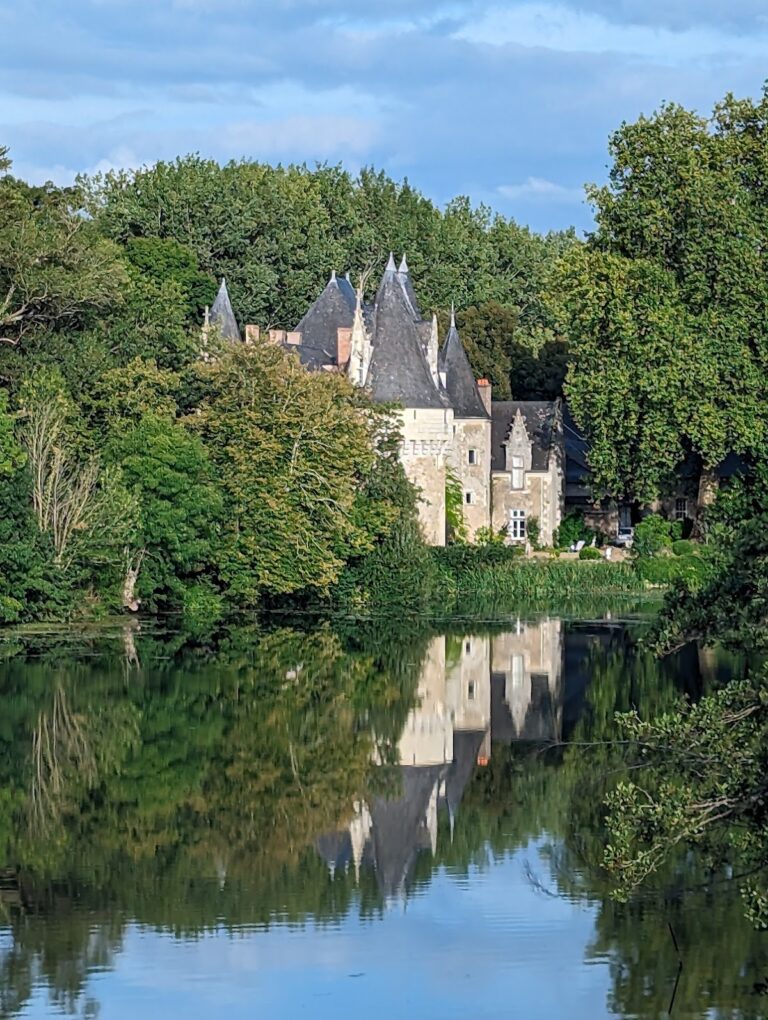
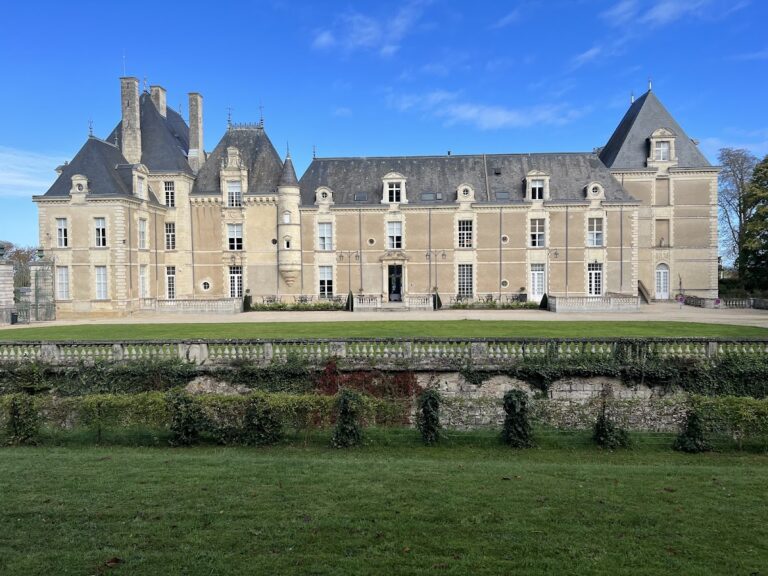
Castle Grésillon is a château in France, located in Baugé-en-Anjou, whose main residence is a nineteenth-century building combining Gothic and French Renaissance architecture. The land around it had been inhabited in prehistoric times, and a Neolithic monument nearby preserves evidence of that earlier human presence.
From château to Esperanto centre
In 1951, the property was acquired for the Esperanto movement through donations from about 300 Esperanto speakers organized as a cooperative. Esperanto is a planned international language created to facilitate communication across national and linguistic communities. The acquisition was initiated by Henri Micard, a French Esperantist, and Castle Grésillon became the cooperative’s official property in January 1952.
After extensive renovation, often undertaken with help from Esperanto-speaking volunteers, the château developed into an international centre for Esperanto speakers. It hosted meetings of SAT, an international Esperanto association, REF, an association for Esperanto-speaking families, and Espéranto-France. Language courses, cultural activities, conferences, and social events also became part of its use.
The nonprofit organization that owns the property is now called Kulturdomo de Esperanto, also known in French as Maison culturelle de l’Espéranto. Its earlier names included Kulturdomo de la Francaj Esperantistoj and Kulturdomo de Franclandaj Esperantistoj. The official change to Kulturdomo de Esperanto took place in 2012. The château also developed connections with Baugé, including through the creation of a local Esperanto group and the naming of a street after Ludwik Zamenhof, the Polish-Jewish ophthalmologist and linguist who created Esperanto in the late nineteenth century.
Remains
Main château and grounds
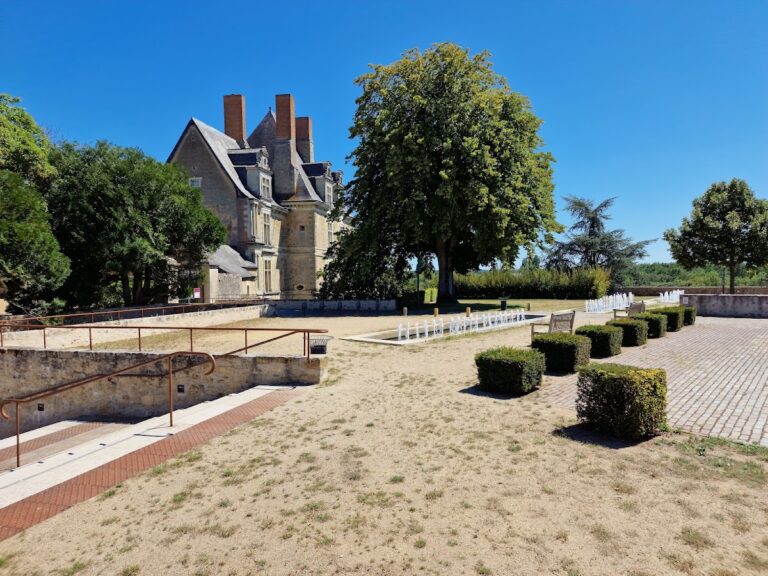
The estate covers 18 hectares and includes the main stone residence, a pond, and wooded areas. The château has been adapted for accommodation, while surviving views and components include a tower, the entrance to the park, an exterior wall, and vineyards along the side perimeter. Inside, a dining room and a staircase displaying a portrait of Ludwik Zamenhof are among the identified features.
Pierre Couverte dolmen
Several hundred metres from Castle Grésillon stands Pierre Couverte, a Neolithic dolmen classified as a historic monument. A dolmen is a prehistoric megalithic structure made from large stones supporting one or more covering slabs. Pierre Couverte is described as among the best-preserved dolmens in the region, linking the château’s setting with the area’s prehistoric archaeological remains.
Nearby sites