Château de la Roque, Hébécrevon: A Seventeenth-Century Noble Residence


Site at a Glance
- Rating
- 4.4
- Popularity
- Low
- Country
- France
- Primary era
- Early Modern
- External website
- Open
- Eras represented
- Early Modern
- Civilizations
- French
- Site type
- Domestic
- Remains
- Elite Residence
On this page5 sections
History
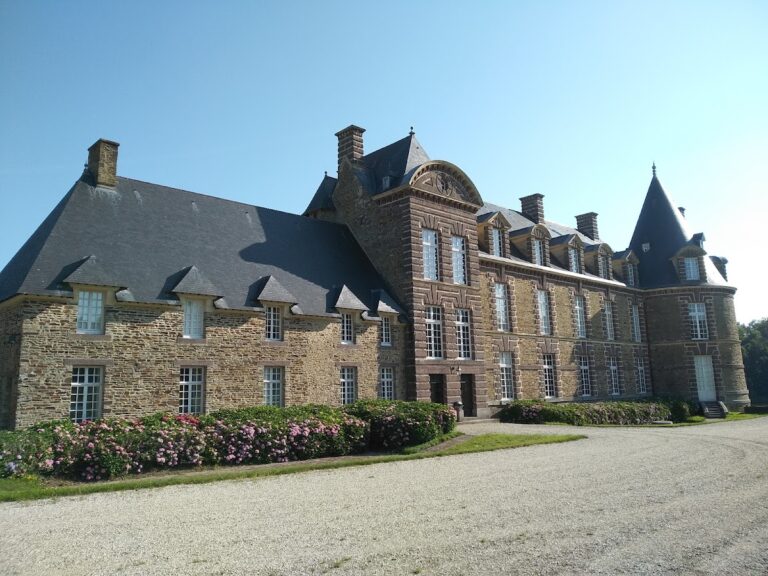
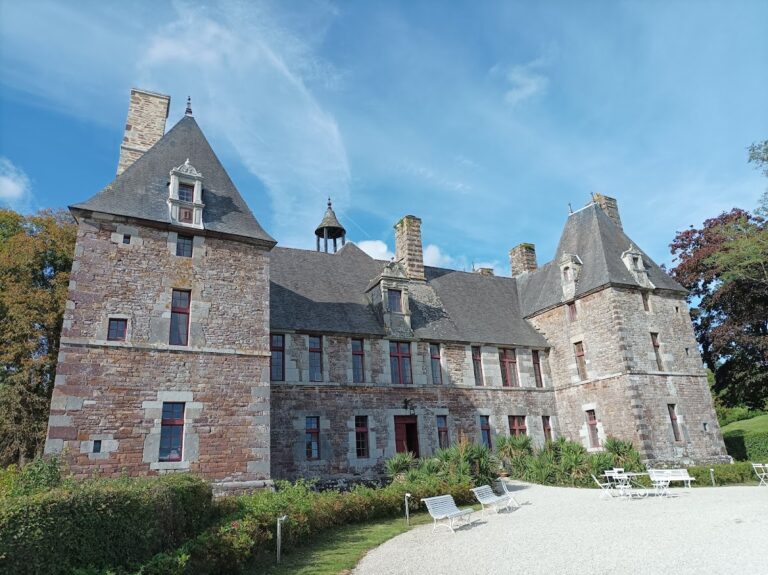
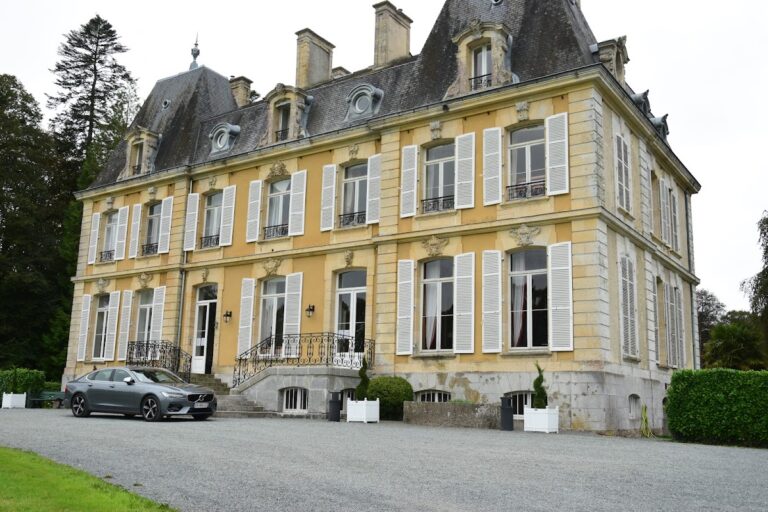
Château de la Roque, Hébécrevon, in France, is a noble residence associated with a sixteenth-century foundation, while the present building dates from the seventeenth century and was reconstructed during that period. The estate lies in Hébécrevon, now part of the commune of Thèreval in Normandy’s Manche department. Its park was created in the sixteenth century and inaugurated in the seventeenth century.
Protection and restoration
The château and its park were listed as historic monuments in 1946. This French protection system covers places of historical or architectural importance and, in this case, specifically includes the façades and roofs of the château buildings as well as the park. Mireille and Raymond Delisle acquired the property in 1978 and rehabilitated it after extensive wartime damage. Bomb craters in the grounds were filled during the subsequent restoration, while the owners gradually shaped and planted the park and garden according to their inspiration and the changing seasons. The estate remains privately owned.
Remains
Château and landscape setting
The small seventeenth-century château stands within a 16-hectare park and botanical garden, approximately 1.5 kilometres north-west of Hébécrevon’s town centre. An elegant avenue of poplars bordered by apple trees leads to the building. The property overlooks the Terrette valley and includes a pond inhabited by ducks and geese.
Park and botanical garden
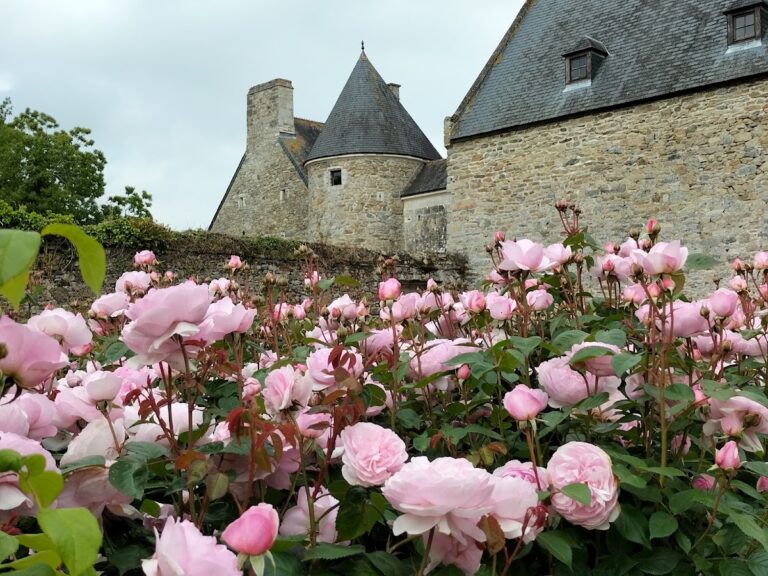
The garden combines English-style and French-style designs with a rural character. Its planting includes numerous perennial plants and seasonal flowers, together with notable examples of Populus, Malus, Acer pseudoplatanus, Corylus colurna, Cedrus atlantica, Cedrus libani, Fraxinus excelsior, Liriodendron tulipifera, Fagus sylvatica var. ‘Purpurea’, and Magnolia grandiflora.
Nearby sites