Château Smith Haut Lafitte: A Historic Wine Estate in Martillac, France


Site at a Glance
- Rating
- 4.6
- Popularity
- Low
- Country
- France
- Primary era
- Early Modern
- External website
- Open
- Eras represented
- Early Modern, Modern
- Civilizations
- French
- Site type
- Economic
- Remains
- Production Complex
On this page7 sections
History
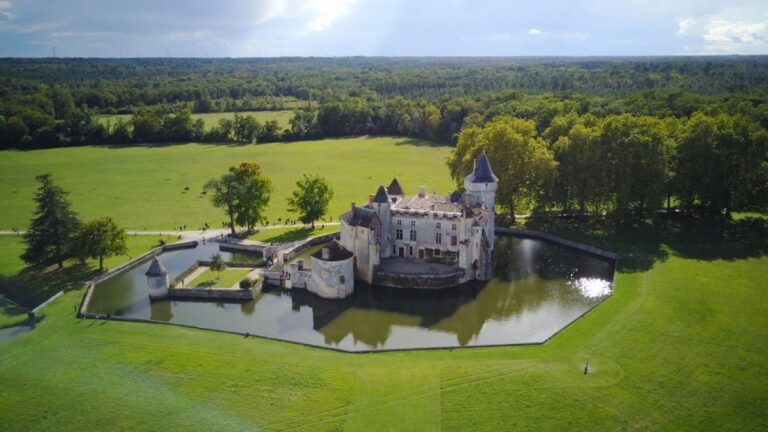
Château Smith Haut Lafitte is a wine estate in Martillac, France, south of Bordeaux, whose origins reach back to 1365. The house of Verrier Du Boscq established vines on a gravel plateau known as Lafitte during the fourteenth century. The estate lies within the Pessac-Léognan Bordeaux wine appellation and later became recognized in the Graves classifications.
From Lafitte to Smith Haut Lafitte
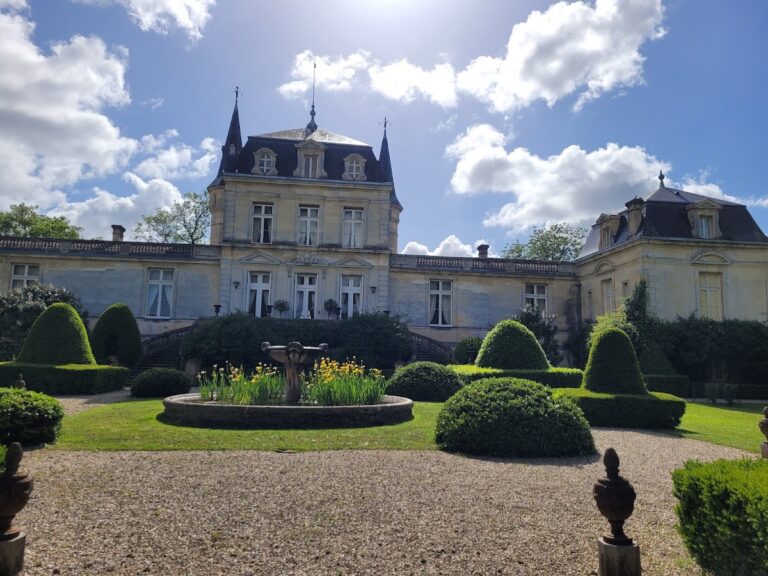
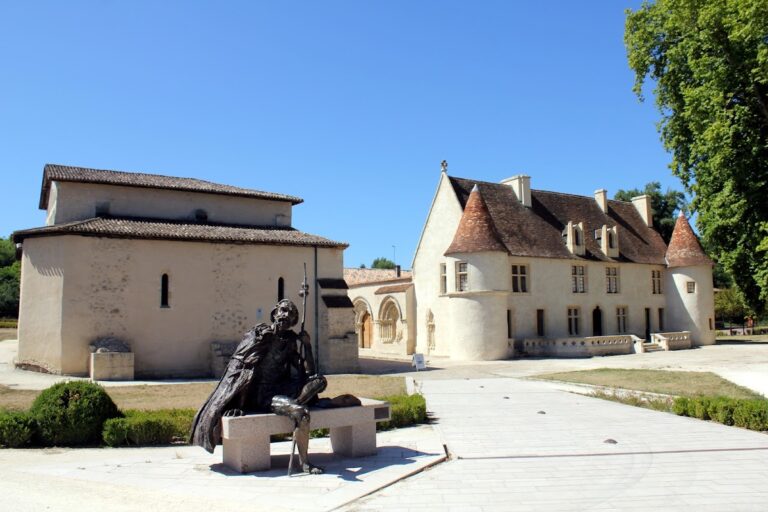
In 1720, the Scottish buyer Georges Smith acquired the estate. He added his name to the existing place-name and built the manor house that remains part of the property’s historic fabric. By this period, the estate’s wine was being sent to England in wooden barrels, linking the château to an international wine trade.
In 1842, Duffour-Dubergier, the mayor of Bordeaux, inherited the château. Heinz Bömer became its owner in 1906, but the estate was confiscated during the First World War because of his German nationality. During the Second World War, Bömer served in Bordeaux as the German delegate responsible for wine imports from France and managed the supply of Bordeaux wine to German troops.
Classification and twentieth-century ownership
The Louis Eschenauer company acquired Château Smith Haut Lafitte in 1957 and 1958, after distributing its wine since the early twentieth century. The company invested in the property, including the construction of an underground cellar intended to increase production. The château was classified among the Crus Classés for red wine in the Graves wine classifications of 1953 and 1959, and it is classified as a Grand Cru in the Graves classification. This classification recognizes estates associated with the quality of wines produced in the Graves region.
Daniel Cathiard, formerly chief executive of Genty-Cathiard, acquired the estate in 1990 and 1991 for 250 million French francs. He then began a major investment programme that included a new cellar. Château Smith Haut Lafitte remains owned by the Cathiard family, associated with Daniel and Florence Cathiard.
The estate produces its principal wine, the grand vin Château Smith Haut Lafitte, as well as the second wines Les Hauts de Smith and Le Petit Haut Lafitte. Les Hauts de Smith is made in red, white, and rosé versions, while Le Petit Haut Lafitte is produced in red and white versions. Annual production is approximately 10,000 cases of red wine and 2,500 cases of dry white wine, with Les Hauts de Smith accounting for approximately 5,500 cases.
Remains
Manor house, plateau, and vineyards
The château and vineyards occupy a gravel plateau formed by Günzian gravel deposits, river-deposited formations associated with the Günz glacial stage. Georges Smith’s manor house forms part of the historic built fabric. The estate’s 78 hectares of vines comprise 67 hectares planted for red wine and 11 hectares for white wine. The vines average approximately 40 years of age and are planted at densities ranging from 7,500 to 10,000 plants per hectare.
The red-wine vineyards consist of approximately 63 percent Cabernet Sauvignon, 30 percent Merlot, 6 percent Cabernet Franc, and 1 percent Petit Verdot. The white-wine vineyards are planted with 90 percent Sauvignon Blanc, 5 percent Sauvignon Gris, and 5 percent Sémillon. Seventy-eight hectares are being converted to organic agriculture, including 50 hectares under biodynamic cultivation, an approach that treats the vineyard as an interconnected ecological system and follows seasonal and astronomical cycles.
Cellars and wine production
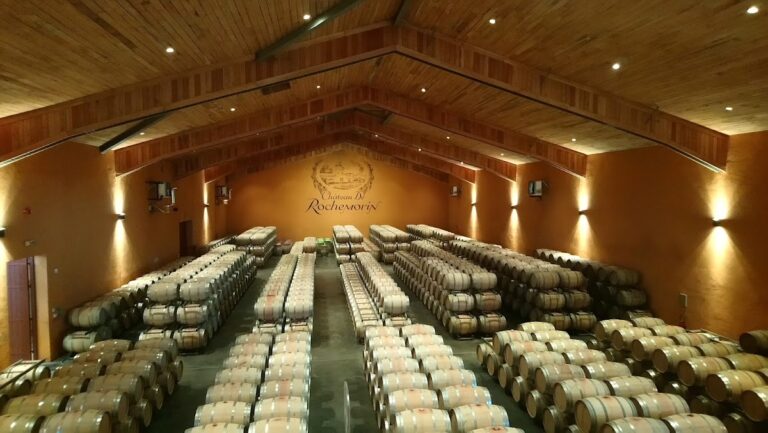
The property contains separate cellars for red and white wine, together with the underground cellar built during the investment period under Louis Eschenauer. A later investment programme added a new cellar. Harvesting is entirely manual and includes intensive sorting. Red wines ferment at approximately 26 to 28 degrees Celsius in large oak vats, wooden vessels considerably larger than standard barrels. White wines undergo integral vinification at approximately 20 degrees Celsius.
Red wines mature in barrels for 18 to 20 months, while white wines are aged for 12 months. The wines are produced without fining, the clarification of wine by removing suspended particles, or filtration, which mechanically removes particles.
Gallery
A gallery associated with the château contains an altar and an image of the façade of a wooden case from the 1990 vintage, adding an artistic and commemorative element to the estate’s historic environment.
Nearby sites