Charleville Castle: A Gothic Revival Country House in Ireland


Site at a Glance
- Rating
- 4.5
- Popularity
- Low
- Country
- Ireland
- Primary era
- Modern
- External website
- Open
- Eras represented
- Modern
- Civilizations
- British, Irish
- Site type
- Domestic
- Remains
- Castle
On this page9 sections
History
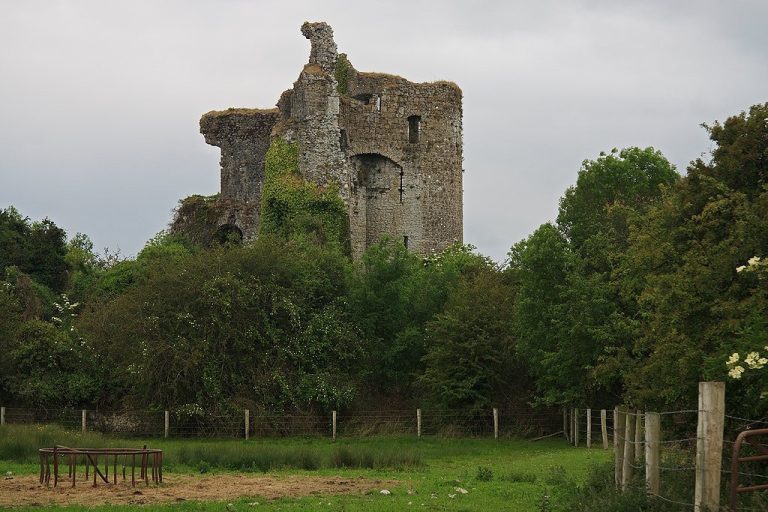
Charleville Castle is a Gothic Revival country house in Ireland, located at the boundary of Tullamore in County Offaly. Built for the Bury family between 1800 and 1812, it became an Irish aristocratic residence shaped by the Gothic Revival, an architectural movement that drew on medieval Gothic forms.
From estate to aristocratic residence
The first mansion on the site was built by Thomas Moore around 1641. The estate later passed to his grandson, Charles Moore, Lord Tullamore. After Charles Moore died in 1674, ownership passed through his sister Jane to Charles William Bury.
Charles William Bury was created 1st Earl of Charleville in 1806, in the second creation of that title. He had commissioned a new house on the estate in 1798 from Francis Johnston, an Irish architect associated with major Gothic Revival works. The present castle was then constructed between 1800 and 1812.
Use, abandonment, and restoration
The castle was not occupied continuously because its owners lacked sufficient resources. Each reopening brought changes, including new rooms and the refurbishment of existing interiors. Lord Byron, the English Romantic poet and aristocrat, stayed at Charleville and held many parties there.
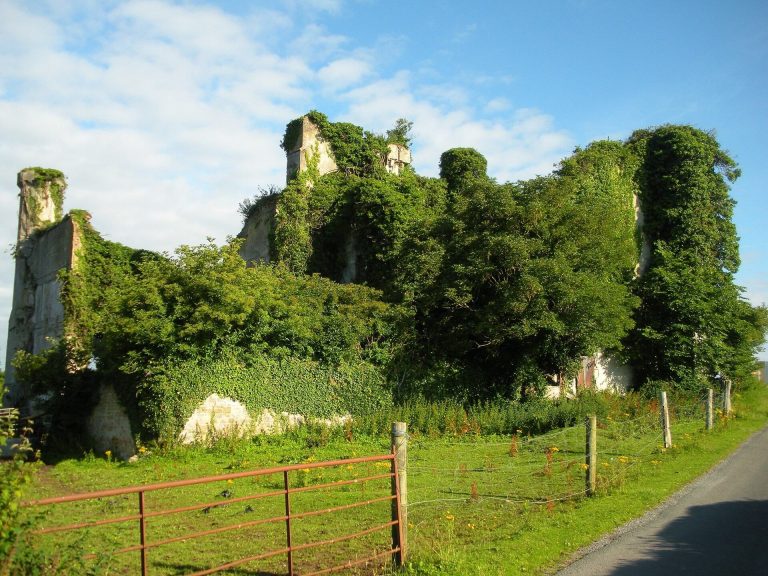
The building became uninhabited in 1912, when Colonel Howard-Bury moved to Belvedere House in County Westmeath. By 1968, its roof had been removed. Restoration began under Michael McMullen in 1971 and was later continued by Constance Heavey Seaquist and Bonnie Vance. A charitable trust was established to support the work.
As of 2014, the Charleville Castle Heritage Trust was managed by Dudley Stewart, with volunteers handling daily operations. The castle also housed The Explorers’ Museum, dedicated to the history of exploration and to Charles Howard-Bury, an Irish explorer, mountaineer, and politician. The institution described Charleville Castle as its global expedition base. Bridget Vance is identified as the current owner. The property is classified as both a country house and a lowland castle, and is regarded as one of Ireland’s finest Gothic or Gothic Revival buildings.
Traditions and natural heritage
Charleville Castle and its grounds are reputed to be among Europe’s most haunted places. The best-known ghost is reputedly Harriet, a girl said to have died after falling on a staircase. Paranormal investigators and psychics have visited the property in connection with these traditions.
Charleville Forest borders the castle and is designated a Special Area of Conservation, a legally protected natural site for habitats or species under the European Union Habitats Directive. The King Oak is another feature associated with the estate. It was nominated for the European Tree of the Year competition in 2013, while local belief holds that the breaking of one of its branches foretells the death of a member of the Bury family.
Remains
Castle building
Charleville Castle stands near the River Clodiagh, within or beside the forest surrounding Tullamore. It is a Gothic Revival country house or castle built in cut stone, meaning dressed and shaped masonry. The surviving building reflects the large rural residence commissioned for the Bury family, while its history of roof loss and later restoration forms part of its present physical condition.
Interior decoration
The dining room includes a ceiling designed by William Morris, the British designer and writer who was a leading figure in the Arts and Crafts movement. Its decorative treatment belongs to the sequence of interior changes made as the castle was reopened and its rooms were refurbished.
Former collection
A painting by Matthew William Peters, Henry VIII, Act V, Scene 4, dated 1789, was formerly kept in the house. It was removed in 1970 and is now held in a Canadian collection.
Castle grounds
The King Oak is an explicitly associated natural feature of the castle grounds. Charleville Forest borders the property and forms part of the surrounding landscape designated for conservation.