Palazzo Ducale (Sabbioneta): Ducal Residence and Civic Palace


Site at a Glance
- Rating
- 4.4
- Popularity
- Low
- Country
- Italy
- Primary era
- Early Modern
- External website
- Open
- Eras represented
- Early Modern
- Civilizations
- Holy Roman Empire
- Site type
- Civic
- Remains
- Palace
On this page15 sections
History
Foundation and Ducal Government
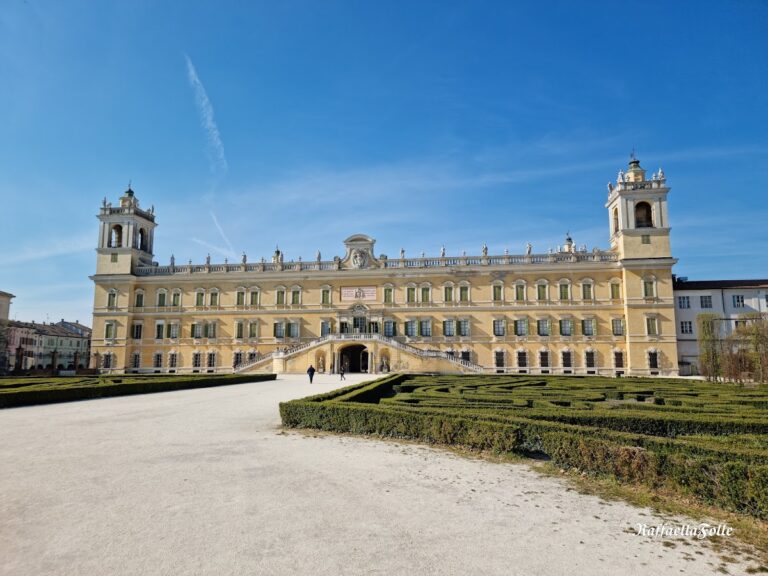
Palazzo Ducale is a palace in Italy, built between 1559 and 1578 for Vespasiano Gonzaga, the duke who ruled the state centered on Sabbioneta. It was the first major building erected by Vespasiano in Sabbioneta, his planned ideal city and the capital of his small state. He both commissioned the palace and was listed as its contractor.
The building served as the residence of the ruling family and as the center of the duchy’s political, administrative, and court organization. Its position facing Piazza Ducale placed the ducal residence within the civic setting of the planned city.
Inheritance and Present Use
Vespasiano Gonzaga died in the palace on 26 February 1591. His daughter, Isabella Gonzaga, inherited the building, the remaining real estate, and the small state. She was married to Luigi Carafa della Stadera.
The palace is municipally owned and houses the Museo Civico di Palazzo Ducale. Its present functions are civic and museum-related.
Remains
Exterior and Principal Floor
Portico and Turret
Facing Piazza Ducale, the palace rises over two floors and includes a portico and a central turret. The ground floor is preceded by a portico clad in marble, which forms the building’s principal entrance frontage.
Golden Rooms
The piano nobile, the principal ceremonial upper floor of an Italian palace, contains the so-called Golden Rooms. Their wooden vaults are gilded and painted, creating the principal group of decorated interiors described within the palace.
Decorated Rooms and Dynastic Imagery
Darts Room and Duke of Alba Room
At the center of the ceiling in the small Darts Room, Vespasiano’s coat of arms is surrounded by the collar of the Order of the Golden Fleece. This chivalric order, founded in the fifteenth century, was associated with European rulers and dynastic honor. Philip II, king of Spain, conferred it on Vespasiano. The original collar was found in Vespasiano’s sarcophagus, a substantial decorated coffin for a high-status burial, in the nearby Church of the Beata Vergine Incoronata.
The Duke of Alba Room contains a monumental fireplace made of pink marble.
Eagles Room
The Eagles Room contains wooden equestrian statues representing Vespasiano, his father Luigi Gonzaga, known as Rodomonte, his great-grandfather Gianfrancesco, and Ludovico. The group originally comprised ten statues.
Ancestors’ Gallery
The Ancestors’ Gallery is decorated with grotesques, ornamental designs combining foliage, figures, animals, and fanciful forms derived from ancient Roman decorative schemes rediscovered during the Renaissance. It displays numerous effigies of Gonzaga family members, extending to Vespasiano, his second wife Anna of Aragon, and his only son, Luigi Gonzaga, who died young in 1580.
Other Named Rooms
The palace also contains the Elephants Room and the Lions Room, where two heraldic felines hold the ducal coat of arms. The Cities and Angel Room has a cedar ceiling. The Octagons and Grapes Rooms housed Vespasiano’s extensive library.
Painting and Genealogical Display
Fresco Decoration
Frescoes in the palace were produced, among others, by Fornaretto Mantovano, Bernardino Campi, Alberto Cavalli, Giulio Rubone, and Pietro Martire Pesenti.
Gonzaga Genealogy
A room on the second floor contains a genealogical tree of the Gonzaga family. Each family member is shown alongside a wife or husband, extending the dynastic presentation beyond the individual portraits displayed in the Ancestors’ Gallery.
Nearby sites