Coevorden Castle: A Medieval Fortress and National Monument in the Netherlands


Site at a Glance
- Rating
- 4
- Popularity
- Medium
- Country
- Netherlands
- Primary era
- Early Modern
- External website
- Open
- Eras represented
- Medieval, Early Modern
- Civilizations
- Holy Roman Empire
- Site type
- Military
- Remains
- Castle
On this page7 sections
History
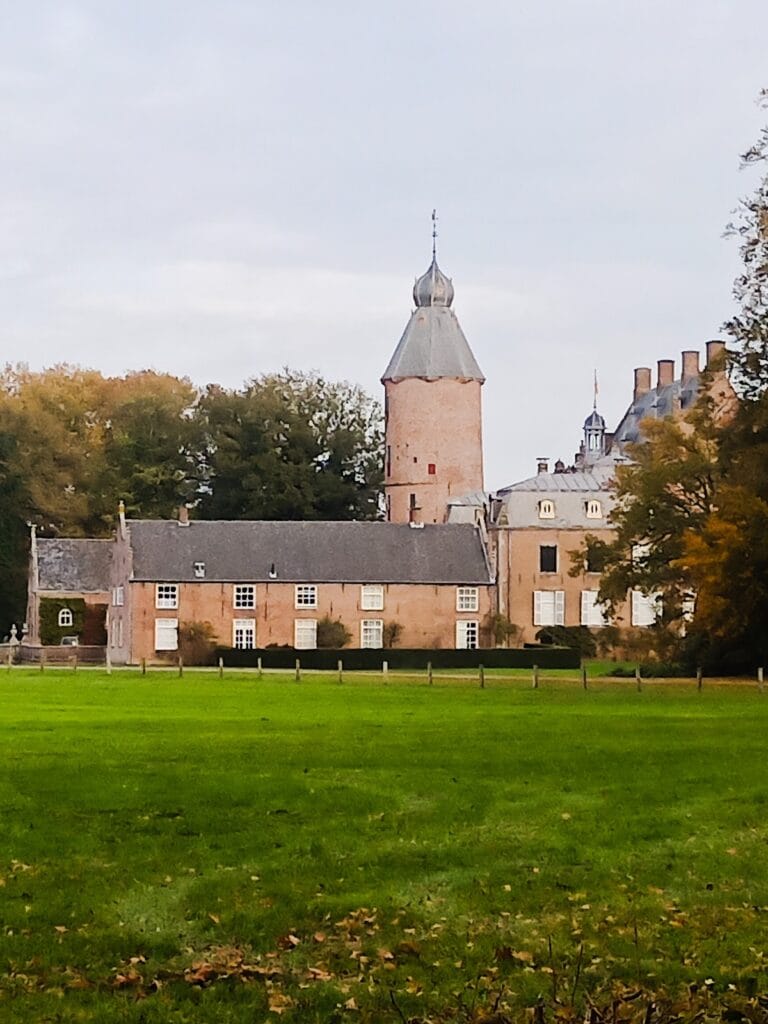
Coevorden Castle is a historic fortress in the Netherlands, located in the city of Coevorden. Founded around 1024–1025 by the Bishop of Utrecht, it occupied a strategic position in the marshy landscape of Drenthe and became an important point on routes linking the Hanseatic cities of Münster and Groningen.
A Strategic Medieval Stronghold
The castle’s position on regional transit routes, together with its lucrative toll rights, made control of it valuable. Authority over Coevorden Castle changed hands repeatedly, often through violent conflict. From the twelfth through the fifteenth century, it was inhabited by the burgraves of Coevorden, medieval officials associated with the administration and defence of a castle. Its castellan, the officer responsible for managing the fortress, also served as drost of the Landschap Drenthe, the historical regional polity of Drenthe.
Coevorden Castle was involved in the Battle of Ane in 1227 and the Siege of Coevorden in 1592. Looting and destruction occurred several times, followed by repeated rebuilding. Bishop Frederik van Blankenheim rebuilt the castle in 1402. In 1522, Duke Charles of Guelders renovated it, probably creating the large square form shown in later sketches.
Ruin, Protection, and Restoration
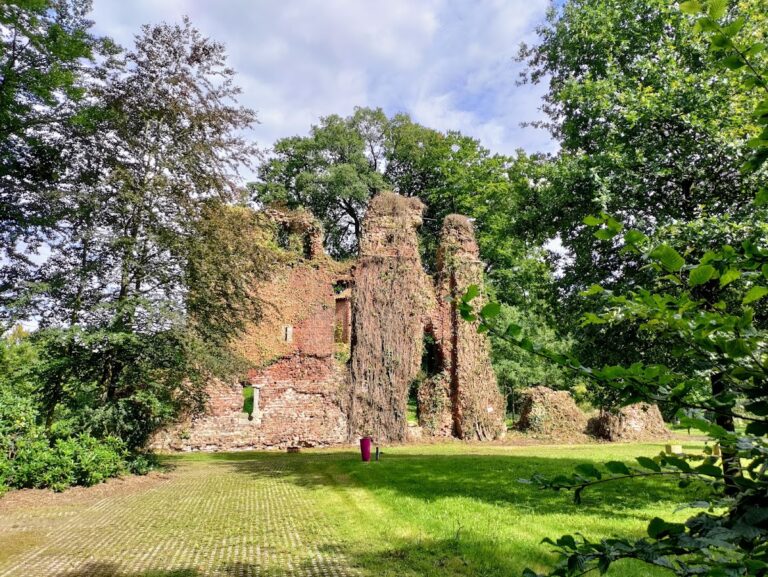
The large castle later fell largely into ruin. The municipality of Coevorden purchased it in 1938, and the surviving ruins were restored during 1967–1972. Municipal restoration began in 1968 and was accompanied by substantial debate. Coevorden Castle has been protected as a Dutch national monument, or Rijksmonument, since 1965 under monument numbers 11487 and 11488. A further restoration in 2010 removed its red-painted layer. The castle now functions as a hotel, restaurant, and meeting-room venue.
Coevorden Castle is represented on the flag of Drenthe and is identified as the only castle in the province. Its historical associations also extend to Vancouver, Canada. George Vancouver, the British naval officer and explorer, had ancestors from Coevorden who were known there as Van Coeverden. Their name later developed through forms including Vancoeverden and Vancoever into Vancouver.
The Vancouver Replica
For Vancouver’s centenary and Expo 86, the world’s fair held in the city in 1986, a replica of Coevorden Castle was built at 80 percent of the original’s size as a gift from the people of Coevorden. It was later moved to Fantasy Gardens theme park in Richmond, a suburb of Vancouver.
Remains
Castle Form and Setting
Coevorden Castle stands on a hill within the marshy setting of Coevorden. Its earliest form was a motte castle, a fortified settlement built around a raised earthen mound. The mound supported a wooden tower and provided a place of retreat in an emergency. Ditches and wooden walls completed this early defensive arrangement.
The later castle probably had a large square plan, a form associated with the renovation carried out in 1522. After the structure became largely ruinous, the surviving remains were restored into the form of the present castle during the 1967–1972 restoration period. The 2010 work removed the red-painted layer from the building.
Replica at Richmond
The replica associated with Vancouver reproduces Coevorden Castle at 80 percent of its actual size. Its purpose was to commemorate the connection between Coevorden and George Vancouver through the Vancouver family name and the ancestors known in Coevorden as Van Coeverden.
Nearby sites