Willenburg: A High-Medieval Hill Castle near Schiltach


Site at a Glance
- Rating
- 4.4
- Popularity
- Very Low
- Country
- Germany
- Primary era
- Medieval
- Eras represented
- Medieval
- Civilizations
- Holy Roman Empire
- Site type
- Military
- Remains
- Castle
On this page7 sections
History
Foundation and purpose
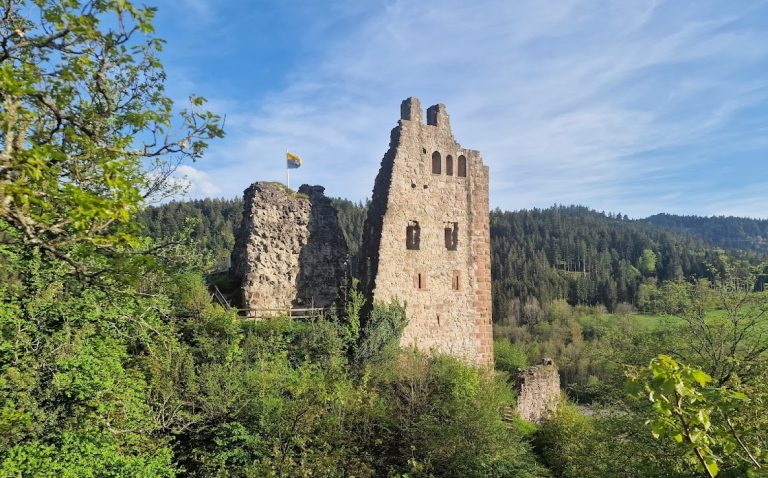
Willenburg, also called Schlössle, is the remnant of a high-medieval hill castle in Germany near Schiltach. Probably built around 1100, it stood above the old route to Rottweil and served travellers, collected road tolls, and controlled passage over the Schiltacher Steige. The name Schlössle is a German diminutive meaning “little castle.”
The castle’s founders are uncertain. It has been attributed either to the first dukes of Teck, a side branch of the House of Zähringen, or to the dukes of Zähringen themselves. The Zähringens were a medieval ruling house associated with territories in southwestern Germany, while the dukes of Teck belonged to a related cadet branch.
Decline and rediscovery
Around 1250, Schiltach and its associated castle took over Willenburg’s functions. The town could serve travellers, collect tolls, and control the route more effectively, leaving the hill castle to decay. By the Late Middle Ages, it was described as the Willenburg Burgstall, a term for a former castle whose buildings had largely disappeared or been levelled.
The forgotten ruin was probably exposed again in 1959 by the Friends of Nature from Schiltach, after the castle’s existence had been suspected. Excavations between 1959 and 1970 brought the buried remains to light and clarified the site’s layout and age. Pottery recovered during this work helped establish its medieval date. The Museum am Markt in Schiltach presents an exhibition about the excavations at Willenburg.
Remains
Hilltop fortification
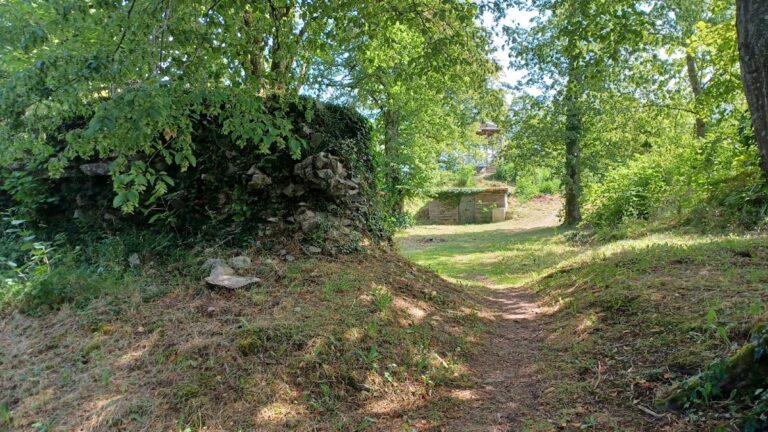
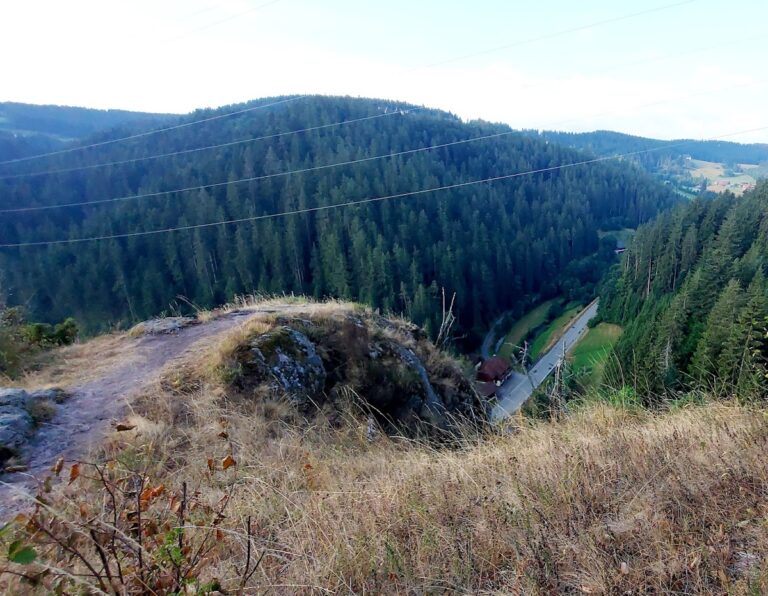
Willenburg occupies a hilltop position about 2 kilometres outside Schiltach, at an elevation of 656.1 metres above sea level. It lies above the Schiltacher Steige, the old pass road toward Rottweil and Aichhalden in the Black Forest. The castle complex measured 36 by 20 metres. Excavation has exposed its foundations, sections of masonry, and the earthworks that formed part of the fortification.
Masonry and entrance
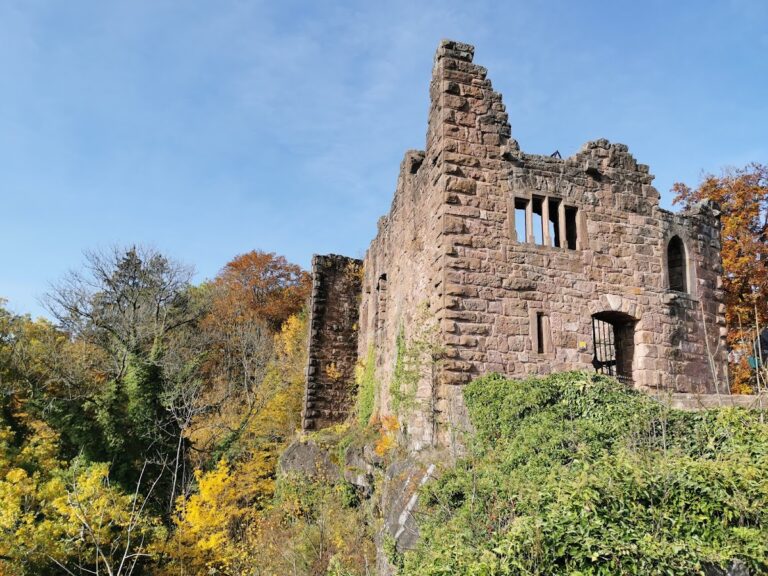
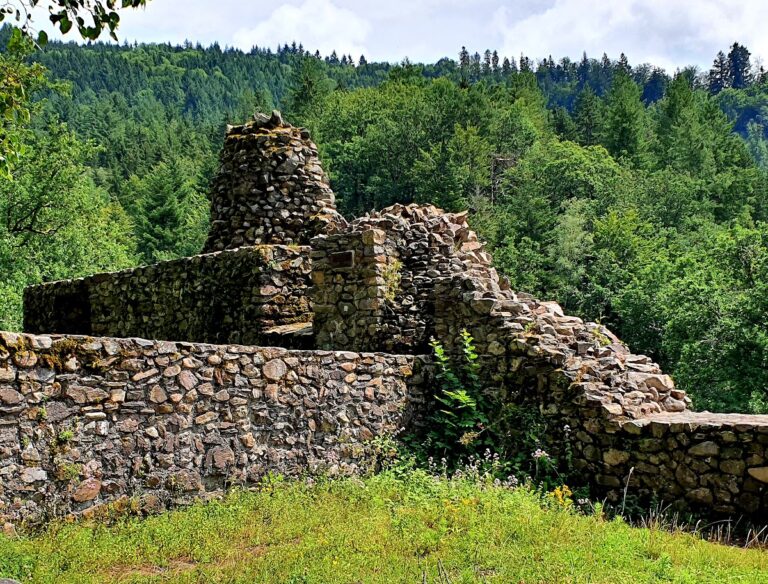
Wall remains survive within the ruin, together with a visible masonry doorway opening. These fragments preserve parts of the castle’s built structure and show where its defensive enclosure and access were located.
Castle well
A castle well reaches 30.3 metres below the site. Along with the wall remains and ramparts, it forms part of the physical evidence for the former hilltop settlement. Pottery fragments found during excavation provide material evidence for the castle’s early medieval date.