Castle of Chianocco: A Medieval Castle and Museum in Italy


Site at a Glance
- Rating
- 4.6
- Popularity
- Very Low
- Country
- Italy
- Primary era
- Medieval
- External website
- Open
- Eras represented
- Medieval
- Civilizations
- Holy Roman Empire
- Site type
- Military
- Remains
- Castle
On this page7 sections
History
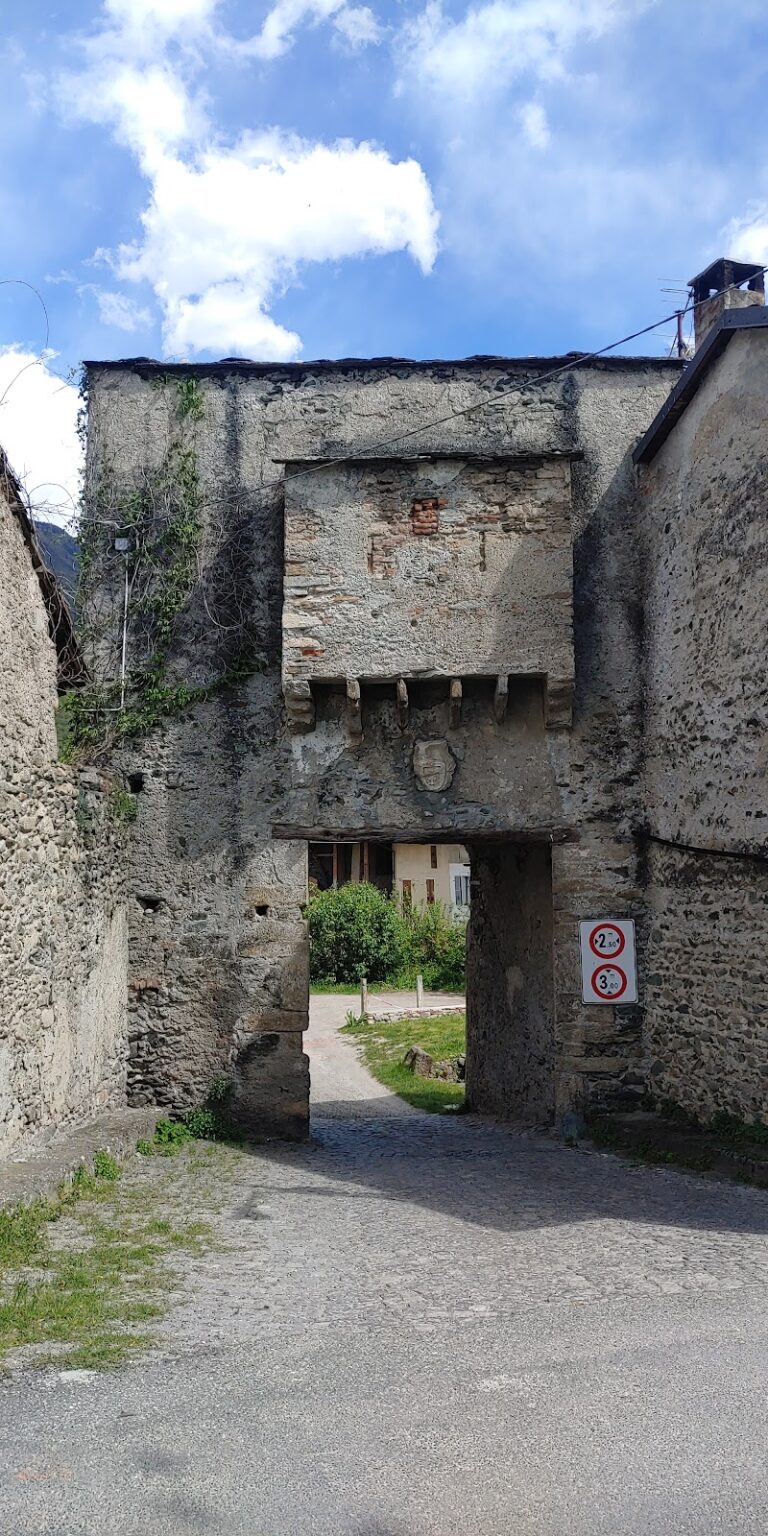
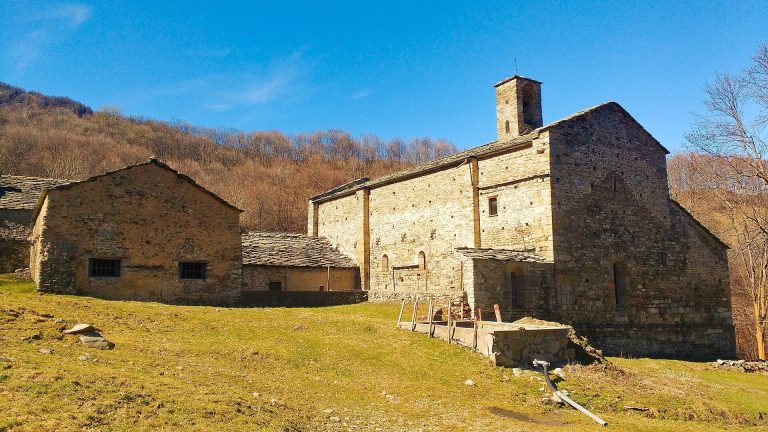
The Castle of Chianocco is a medieval castle in Chianocco, Italy, in the Susa Valley. It is known from the thirteenth century and came into the possession of the Bertrandi family some years after the construction of their ancestral Castle of Bruzolo. Although later alterations changed parts of the complex, the castle retains many features of its medieval development.
Medieval origins and later changes
The castle stands on an alluvial fan beside the Rio Prebec, near the point where the stream emerges from the Orrido di Chianocco gorge. Its position has shaped its history as well as its survival. Flooding has damaged the northeastern side, and the nearby fortified house known as the Chianocco casaforte has been affected by the same environmental conditions.
An association in Chianocco established the Museum of Old Trades inside the privately owned castle. The museum began with a mechanized installation showing people at work in Chianocco during the previous century. It later grew to include displays on stoneworking in the quarries of the Susa Valley and on the Fell-system railway over the Mont Cenis Pass. The Fell system was a railway technology for steep gradients that used an additional central rail to improve traction.
Attribution and interpretation
Some scholars have proposed that the castle may have been the final residence of Adelaide of Susa, an eleventh-century noblewoman and countess linked to the ruling dynasty of the March of Turin. This association remains a possibility rather than an established fact.
Remains
Castle complex
The complex occupies the summit of the Rio Prebec alluvial fan. Its principal surviving element is a multi-story donjon, the main fortified tower of a medieval castle, which could serve both as a stronghold and a residence. The tower has stone windows, a three-lobed window on its third floor, and an entrance portal made of cut marble. A two-story building surrounds it, creating the main built group of the castle.
Romanesque features and decorated interiors
The surrounding building contains small Romanesque windows and a low room with a monumental fireplace. Windows in the Romanesque-Palatine style light this room. This style belongs to a Romanesque tradition associated with territories of the medieval Holy Roman Empire and is rare in the Susa Valley. The castle also contains civil-themed frescoes bearing the Bertrandi coat of arms. Dating from the late thirteenth or early fourteenth century, these paintings still require recovery or restoration.
Museum rooms and railway displays
Three rooms inside the castle house the Museum of Old Trades. Their displays present traditional occupations, stoneworking in the Susa Valley quarries, and documentation and a reconstruction of the Fell-system Mont Cenis railway. The railway crossed the pass while overcoming an elevation difference of 1,588 meters, and its additional central rail provided traction on the steep route.