Ethie Castle: A Medieval Castle and Clan Seat in Scotland


Site at a Glance
- Rating
- 4
- Popularity
- Very Low
- Country
- United Kingdom
- Primary era
- Medieval
- External website
- Open
- Eras represented
- Medieval
- Civilizations
- Kingdom of Scotland
- Site type
- Military
- Remains
- Castle
On this page9 sections
History
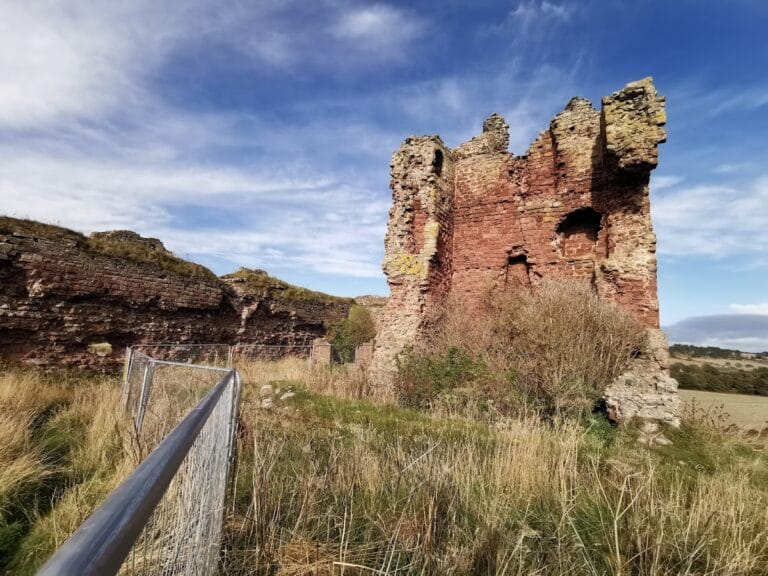
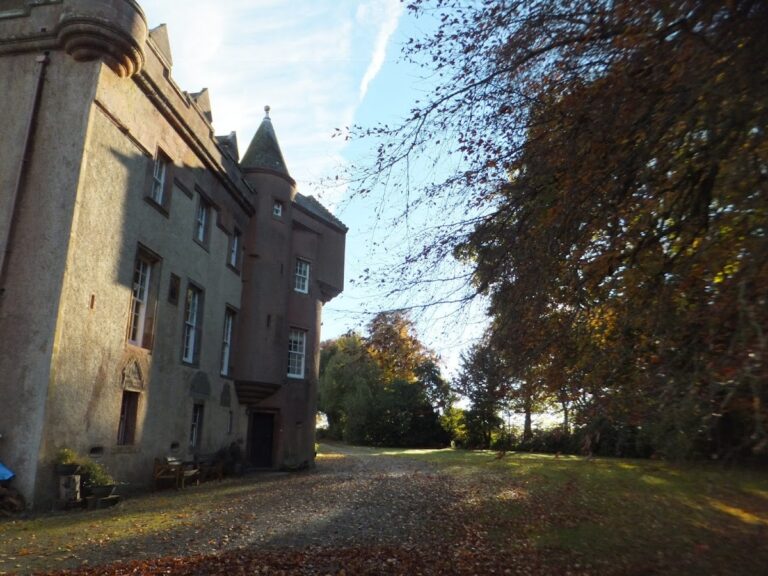
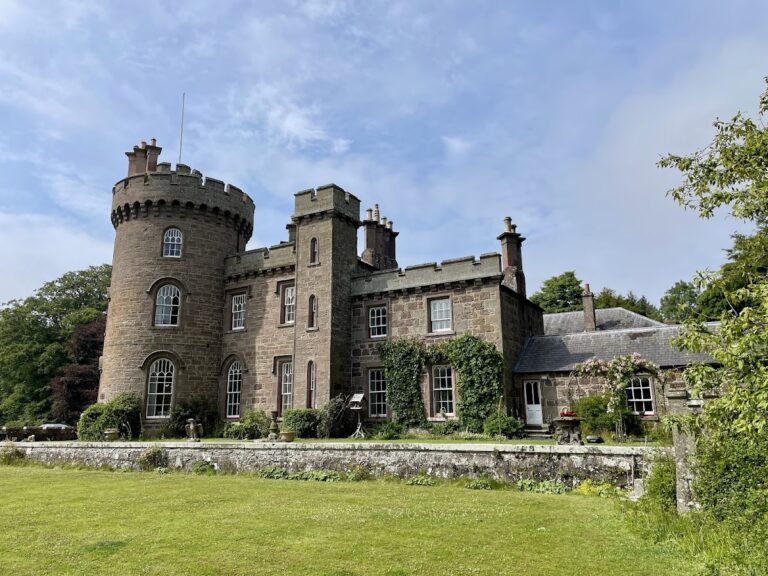
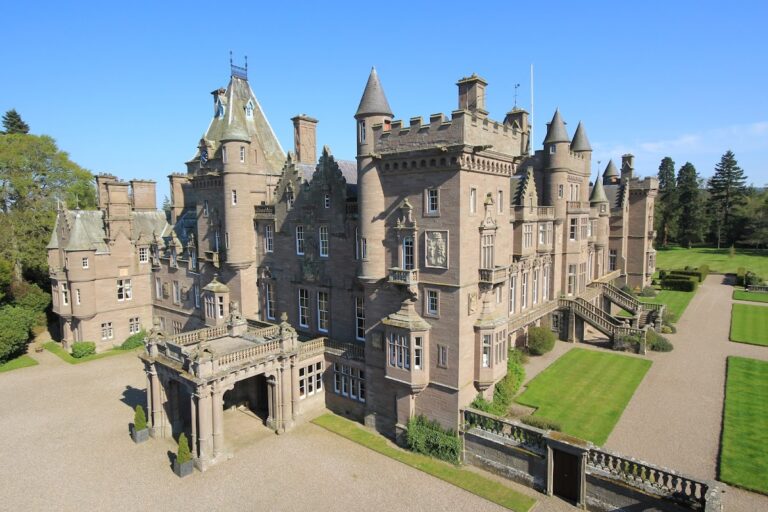
Ethie Castle is a medieval castle in Inverkeilor, Scotland, whose sandstone keep was built around 1300 by monks from nearby Arbroath Abbey. The castle developed through several aristocratic and military associations, including those of David Beaton, the Carnegie family, and the Earls of Northesk.
Medieval and sixteenth-century associations
After its early connection with Arbroath Abbey, Ethie Castle passed to the de Maxwell family. It later came to David Beaton, who was both Abbot of Arbroath and a cardinal, a senior officeholder in the Catholic Church. Beaton, described as Scotland’s last cardinal, was murdered at St Andrews in 1546.
The castle’s later traditions include stories of a Grey Lady and the ghost of David Beaton. These accounts form part of Ethie Castle’s long association with Beaton and with the religious history of Arbroath.
The Carnegie and Northesk families
The Carnegie family purchased Ethie Castle in 1665 and later became the Earls of Northesk, a British noble title. The seventh earl was a vice admiral, a senior naval rank below admiral, and commanded alongside Nelson at the Battle of Trafalgar in 1805.
As a tribute to the seventh Earl of Northesk, he was permitted to incorporate “Trafalgar” into his coat of arms. The name remains represented in a dormer at the castle. William Carnegie, eighth Earl of Northesk, was a close friend of Sir Walter Scott, who frequently stayed at Ethie. The castle is traditionally associated with the fictional Castle of Knockwhinnock in Scott’s novel The Antiquary.
Modern ownership and use
William Cunningham Hector, a Glasgow artist and antique collector, bought Ethie Castle and its grounds in the late 1920s. Alistair Forsyth, chief of Clan Forsyth, later restored the building, which became the clan’s seat, the principal residence or headquarters associated with a Scottish clan chief or organization.
Ethie Castle is now owned by the de Morgan family and has been converted into a hotel. Its changing ownership and uses reflect a history that links medieval religious foundations, noble families, naval service, literary associations, and Scottish clan tradition.
Remains
Ethie Castle covers approximately 15,091 square feet, or 1,402 square metres, and stands about 3 miles, approximately 5 kilometres, north of the fishing town of Arbroath. Its earliest surviving architectural core is a sandstone keep, while later interior spaces include a chapel, the Cardinal’s Sitting Room, and the Great Hall.
Fortified core and interior rooms
Sandstone keep
The principal fortified tower, or keep, was built around 1300 from sandstone by monks of Arbroath Abbey. A medieval keep commonly combined defensive and residential functions, and this structure forms the earliest architectural core of Ethie Castle.
Chapel and Cardinal’s Sitting Room
The castle contains a small chapel associated with David Beaton and a room known as the Cardinal’s Sitting Room. A secret staircase links the sitting room with the Great Hall above, creating a direct internal connection between these two named spaces.
Great Hall and decorated dormer
The Great Hall occupies the level above the Cardinal’s Sitting Room. A dormer incorporates a representation of “Trafalgar” from the seventh Earl of Northesk’s coat of arms, preserving a visible connection with his naval career and the Battle of Trafalgar.