Burg Stegen: A Medieval Motte-and-Bailey Castle in Germany
Site at a Glance
- Rating
- 4
- Popularity
- Very Low
- Country
- Germany
- Primary era
- Medieval
- Eras represented
- Medieval
- Civilizations
- Holy Roman Empire
- Site type
- Military
- Remains
- Castle
On this page7 sections
History
Burg Stegen was a medieval motte-and-bailey castle in Germany, located in the municipality of Bargfeld-Stegen in Schleswig-Holstein. Built in the twelfth century, it occupied a strategic position where the Hanseatic trade routes from Hamburg to Lübeck and from Hamburg to Segeberg forked. The Hanseatic League was a medieval network of northern European trading towns and merchants whose commercial connections made these routes important.
Origins and strategic position
The castle’s first written reference dates from 1302. Its name, also known as Stegen Castle and in Low German as Borg Stegen, probably derives from steg or stieg, words for a communication route. The name can therefore be understood as “castle on the route.”
The castellan of Hummersbüttel strengthened the site by building dikes that flooded the surrounding area. He also acted as a raiding knight, using the castle’s position to take goods from merchants. These actions provoked opposition from the councils of Lübeck and Hamburg.
Siege and suppression
In 1347, opposing forces attacked Burg Stegen with heavy artillery and catapults, but the siege failed to capture it. On 12 July 1348, Valdemar IV, the fourteenth-century king of Denmark who was reasserting Danish authority in the region, reached an agreement that removed the castellan of Hummersbüttel and suppressed the castle. The king prohibited its reconstruction, and the castellan moved to another estate at Borstel.
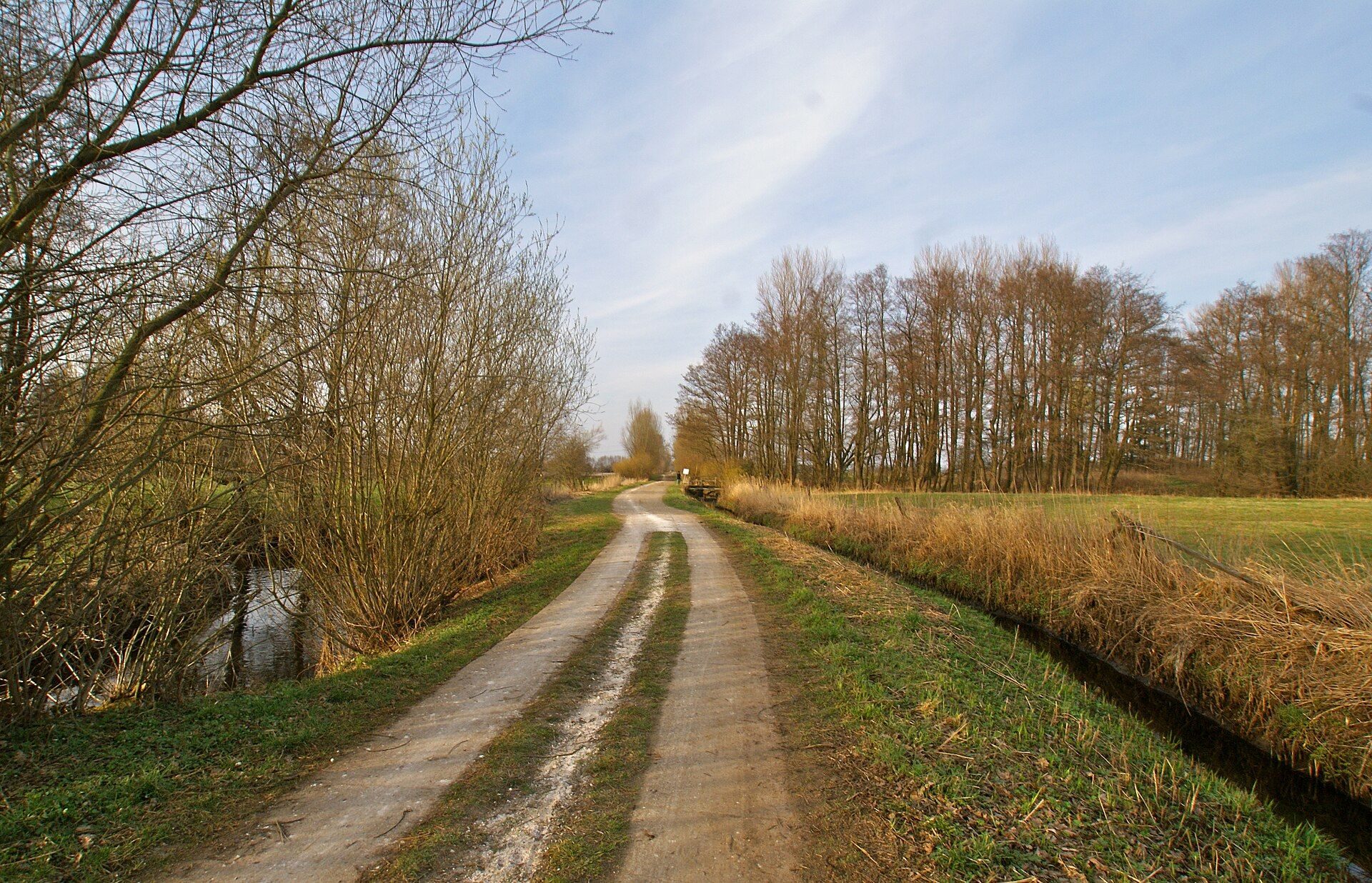
Burg Stegen was demolished in 1348. Archaeological excavations later examined the surviving foundations and enclosure remains. In 1887, the author Detlev von Liliencron used life around the castle as the subject of his novel Breide Hummelsbüttel. The site has also been incorporated into walking and cycling trails.
Remains
Burg Stegen stood in a depression at the confluence of the Alte Alster and the Alster, at an elevation of approximately 22 metres. The motte-and-bailey layout combined a raised fortified mound with an adjoining enclosed lower castle. Slopes and moats protected the complex, while a diversion of the Alte Alster formed part of the moat system.
Castle layout and construction
Mound and enclosures
The original complex was built mainly of wood on a raised mound. It included a keep and a lower castle within a first enclosure, followed by a courtyard and a second enclosure. The castle used sand, wood, stone, and bricks, with the surrounding slopes and water defenses reinforcing its separate enclosures.
Keep and surviving evidence
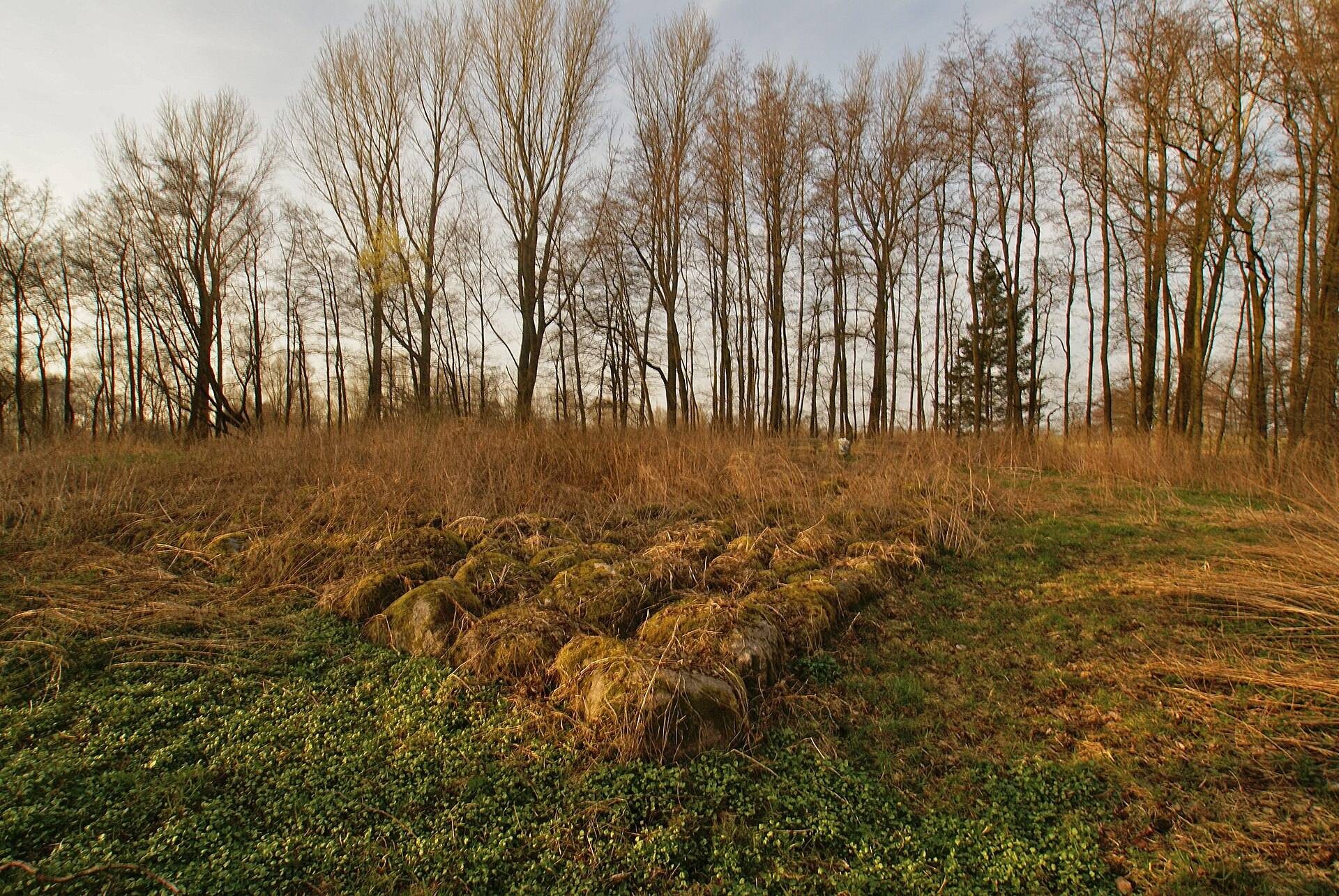
Excavations revealed the stone foundations of the donjon, the principal fortified tower of a medieval castle, together with remnants of the wooden enclosure. Fragments of roof tiles were also found. The surviving archaeological remains consist of the castle foundations and parts of the moat, including the section created by diverting the Alte Alster.