Roccaguglielma: Medieval Fortress of Esperia

Site at a Glance
- Rating
- 4.4
- Popularity
- Very Low
- Country
- Italy
- Primary era
- Medieval
- Eras represented
- Medieval
- Civilizations
- Kingdom of Naples, Norman
- Site type
- Military
- Remains
- Castle
On this page9 sections
History
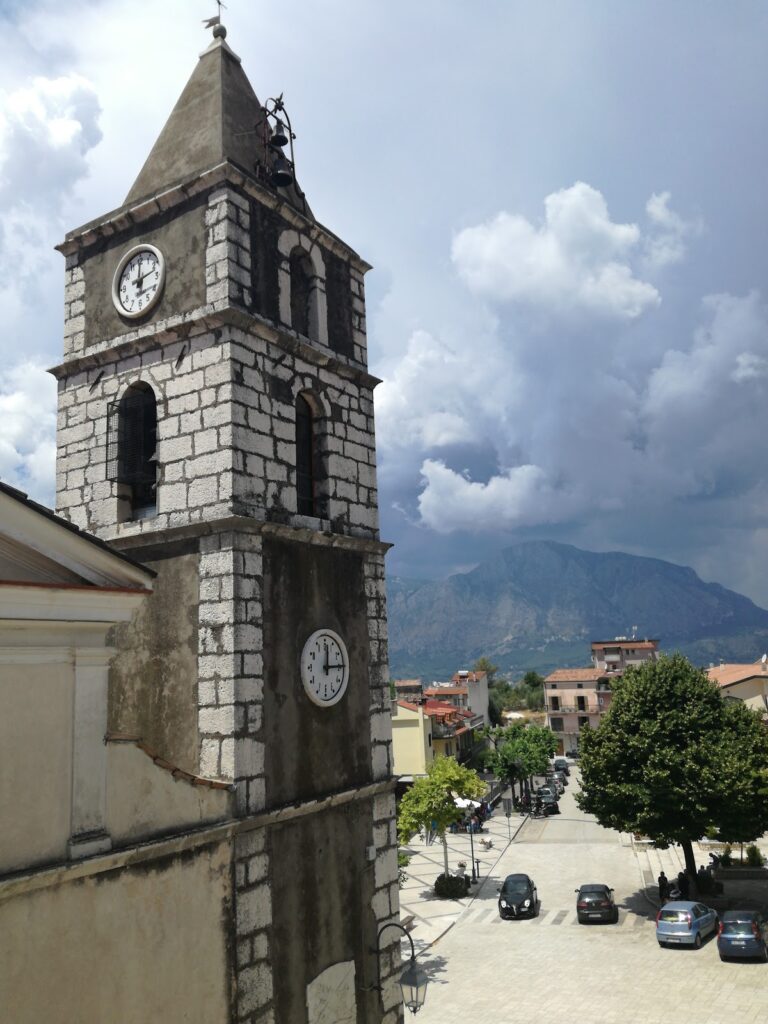
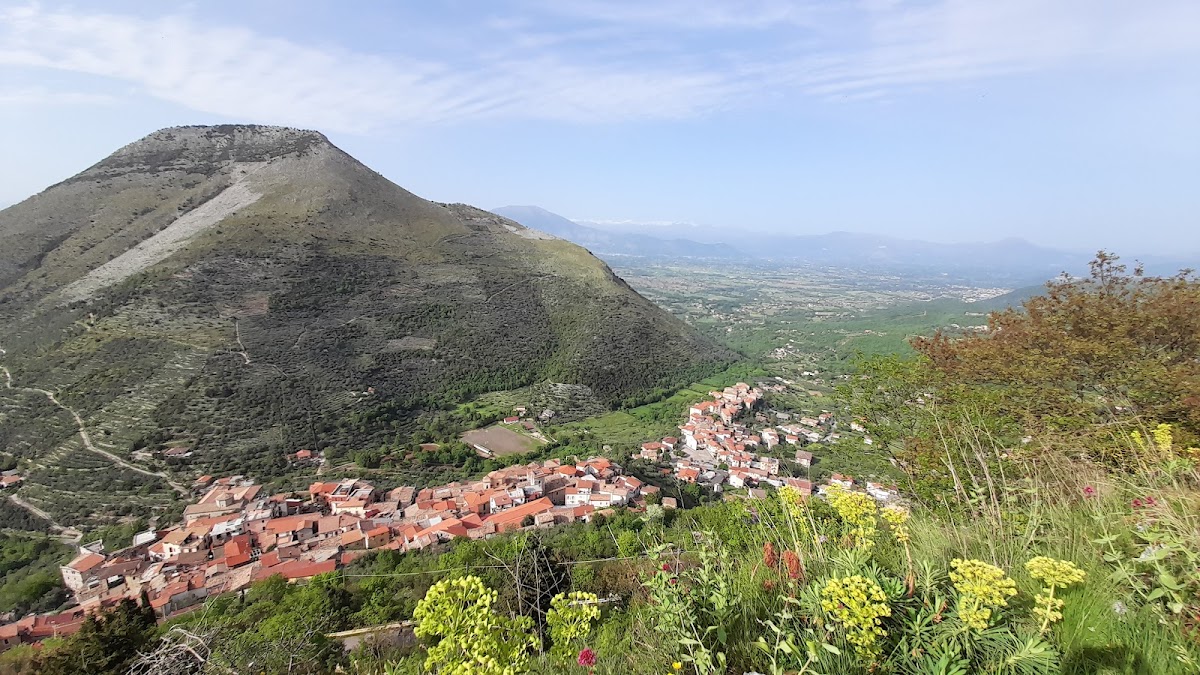
Roccaguglielma is a medieval fortress in Italy, above the settlement of Esperia, and the historic name of the town now also called Esperia Superiore. The castle was built around 1103, probably over earlier structures, at the initiative of the Norman nobleman William of Blosseville, who also established the settlement below it. Its medieval defensive role was closely tied to its position above the mountain pass between Pontecorvo and Aquino and Gaeta.
Norman foundation and the Five Castles
The fortress controlled a route to Gaeta that avoided Montecassino, which lay outside Norman control. Together with the castles of Campello, Pico, Rivomatrice, and San Giovanni Incarico, Roccaguglielma formed the Five Castles de Foris, a small medieval political entity created through an alliance of five castles. Surrounded by the territories of Cassino, this group maintained a limited independence for several decades.
Contested lordship and destruction
Roccaguglielma and its surrounding fief were repeatedly contested because of their strategic position. The Spinelli family held the territory and undertook extensive building works in the fourteenth century. The della Rovere and Farnese families later became among the noble houses that possessed it.
In 1497 and 1503, the fortress and its territory suffered severe destruction during the campaigns of Gonzalo Fernández de Córdoba, known as the Great Captain, the Spanish general who led campaigns in Italy for Ferdinand of Aragon and Isabella of Castile. The fief entered a more prosperous period during the sixteenth and seventeenth centuries, before reverting to the royal treasury in 1636. A violent earthquake caused further major devastation in 1654.
Napoleonic period and incorporation into Esperia
During the Parthenopean Republic, the short-lived republican government established in Naples in 1799 during the French Revolutionary and Napoleonic era, local brigandage became widespread and often took on an anti-Napoleonic character. Fra Diavolo, the commonly used name of Michele Pezza, operated in the territory during the Napoleonic period. After Italian unification, Luigi Alonzi, known as Chiavone, was active in the area.
Under Joachim Murat, the French military commander and ruler of Naples from 1808 to 1815, Roccaguglielma was separated from the present-day districts of Lower Esperia and Monticelli. Those districts together formed the municipality of San Pietro in Curolis. In 1867, after Italian unification, Roccaguglielma and San Pietro merged under the name Esperia. The fortress’s strategic function ended during the nineteenth century.
Remains
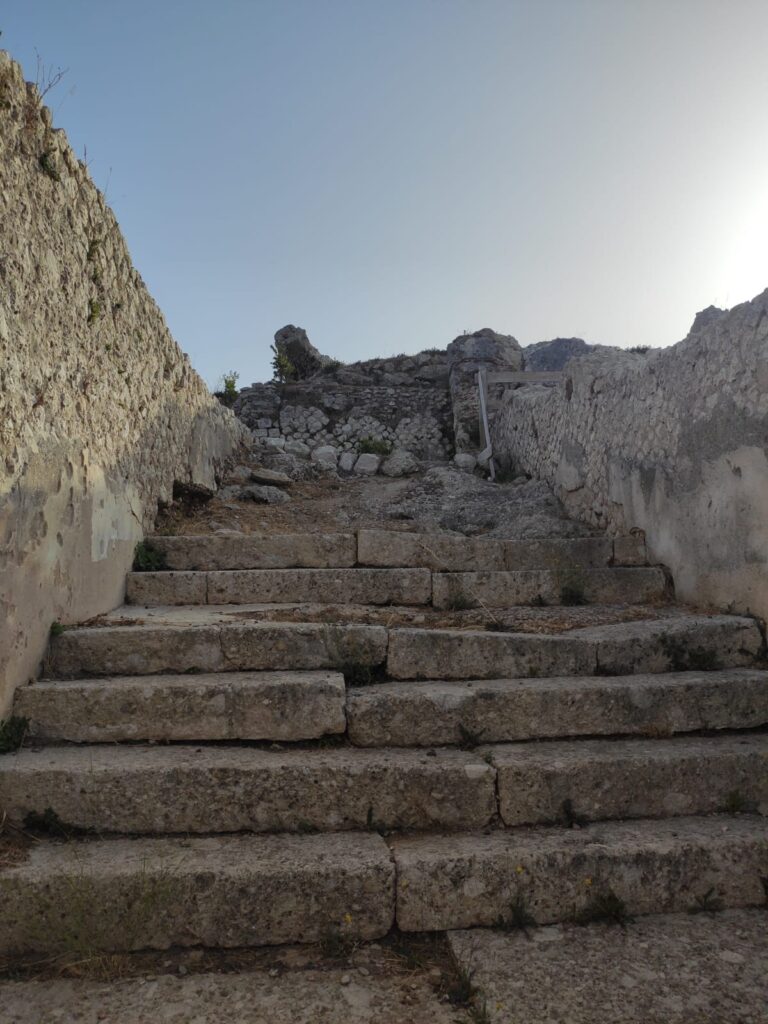
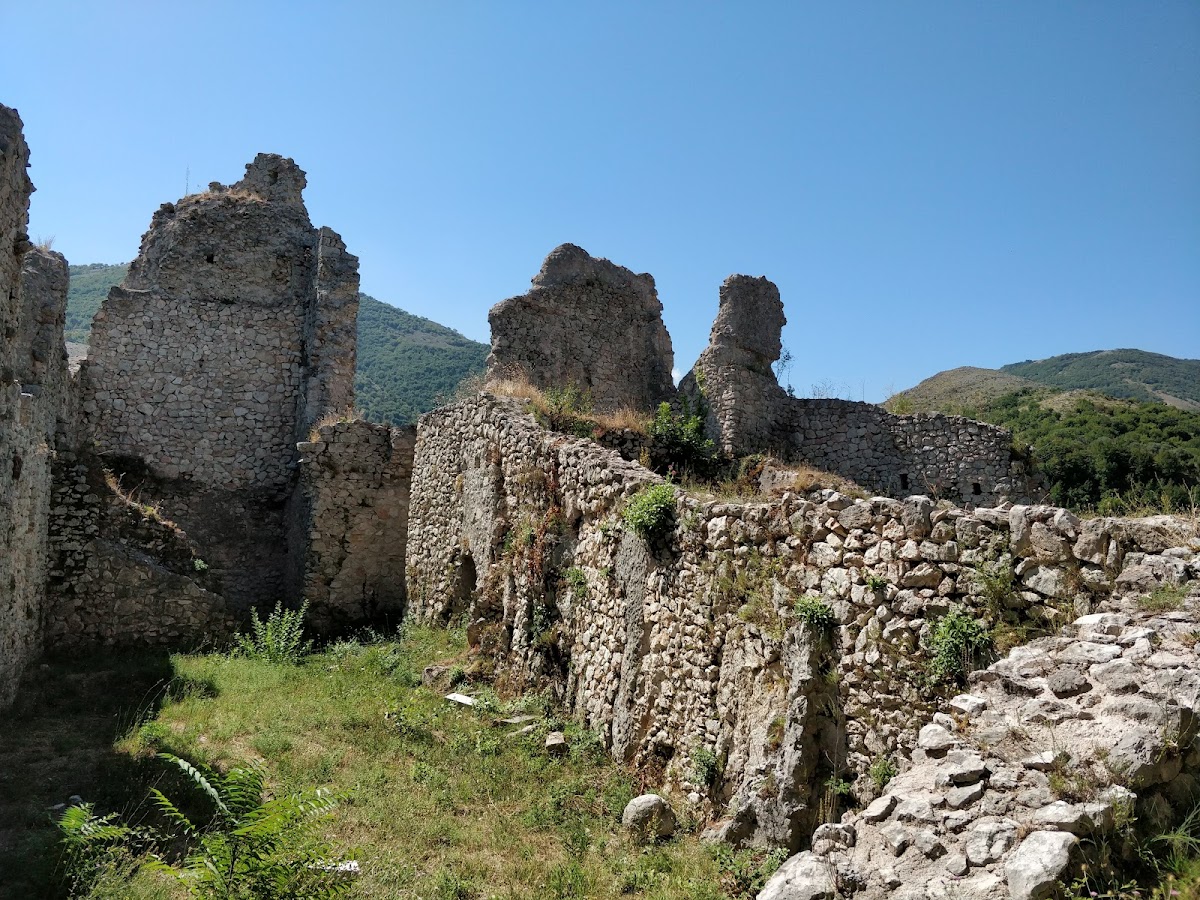
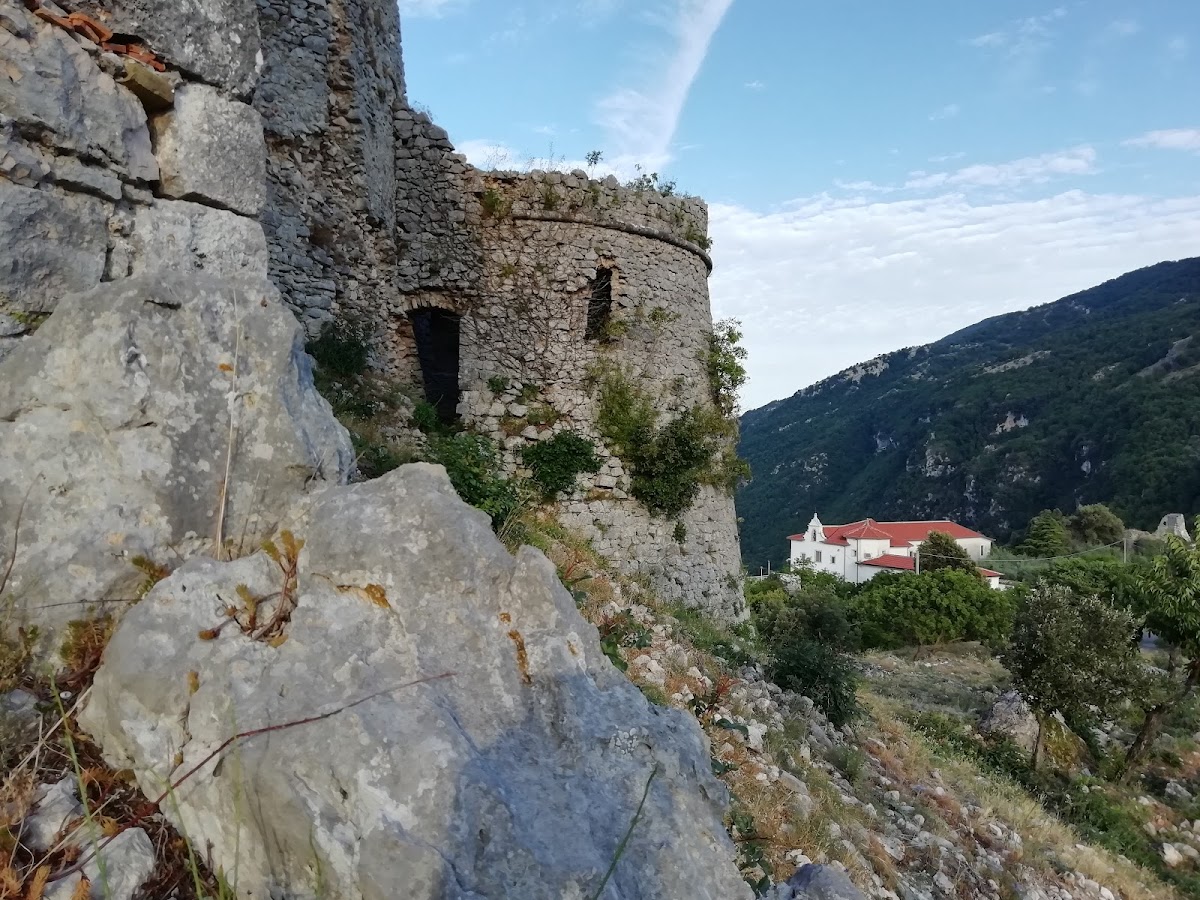
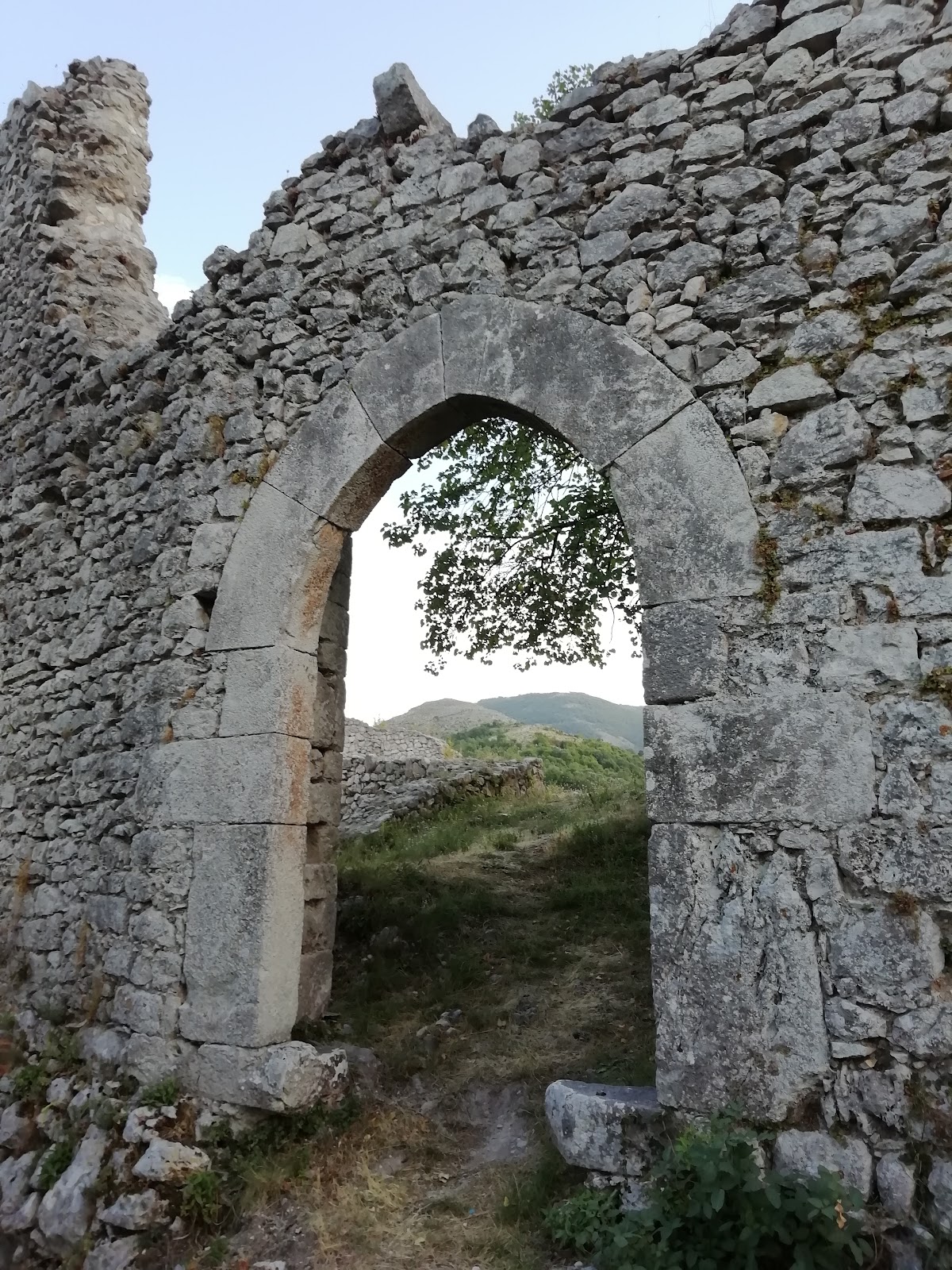
Roccaguglielma occupies the summit of a rocky ridge on Monte Cecubo, approximately 500 metres above sea level. The fortress stands directly above the settlement founded below it, while most of the castle and its fortifications survive in ruined form. The remains include the elevated stronghold, the defended settlement, and a later church built near the former castle chapel.
Fortress and former chapel
The castle crowns the ridge above Esperia Superiore and forms the highest part of the surviving complex. Its walls and defensive structures are largely ruined. Near the fortress, a small church belonging to the Trinitarian Fathers is dedicated to the Holy Virgin. It occupies the site of the castle’s former chapel, preserving the religious use of this part of the stronghold in a later building.
Defensive circuits of the settlement
Outer walls and gates
The settlement below the castle was enclosed by a circuit of walls strengthened with twelve towers. Three gates provided access through this outer defensive line: the Caporave Gate, the Holy Spirit Gate, and the San Boniface Gate.
Inner defensive circuit
A second defensive circuit enclosed the inhabited area within the settlement. Its three entrances were the Portella Gate, the Holy Cross Gate, and the Morrone Gate. Together, the outer walls, towers, and inner circuit structured the settlement beneath the fortress and connected it to the stronghold above.