Château Lagorce: A Former Medieval Castle in Haux, France
Site at a Glance
- Rating
- 4.8
- Popularity
- Low
- Country
- France
- Primary era
- Early Modern
- External website
- Open
- Eras represented
- Medieval, Early Modern
- Civilizations
- French
- Site type
- Domestic
- Remains
- Castle
On this page12 sections
History
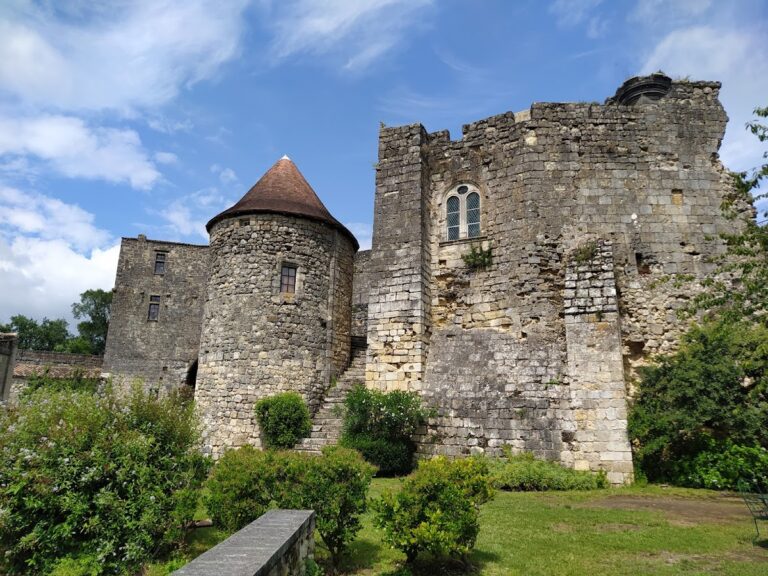
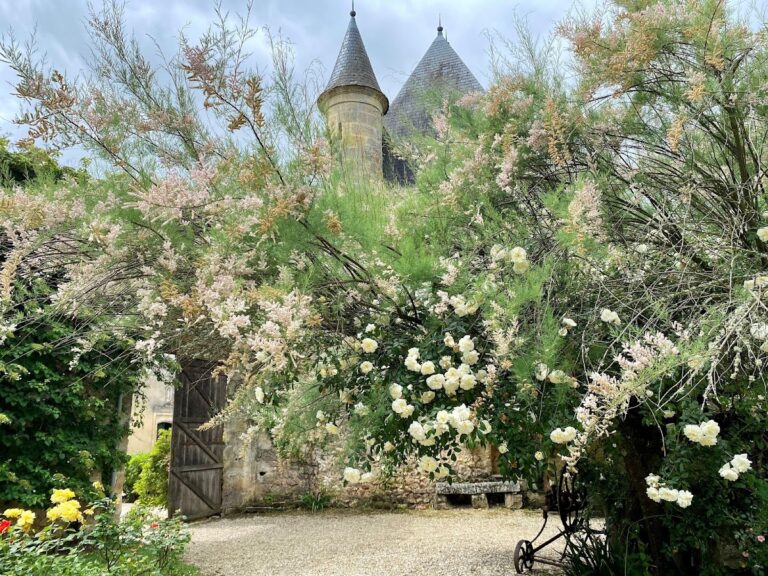
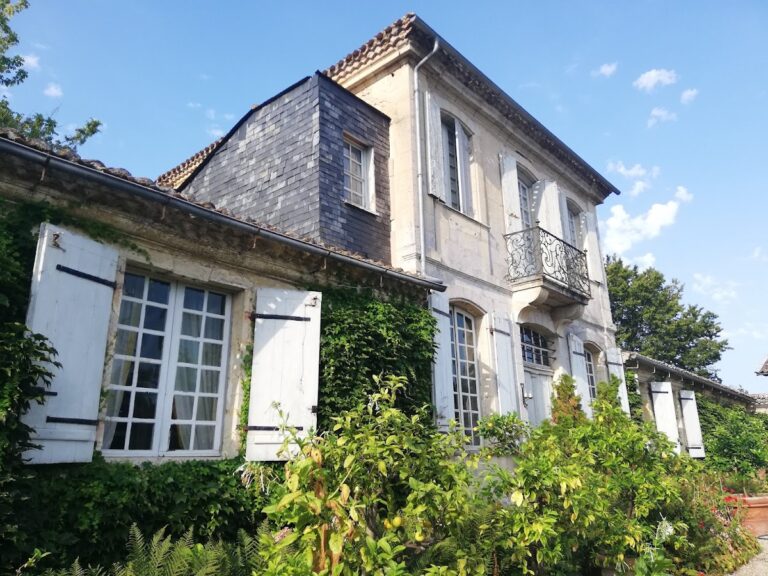
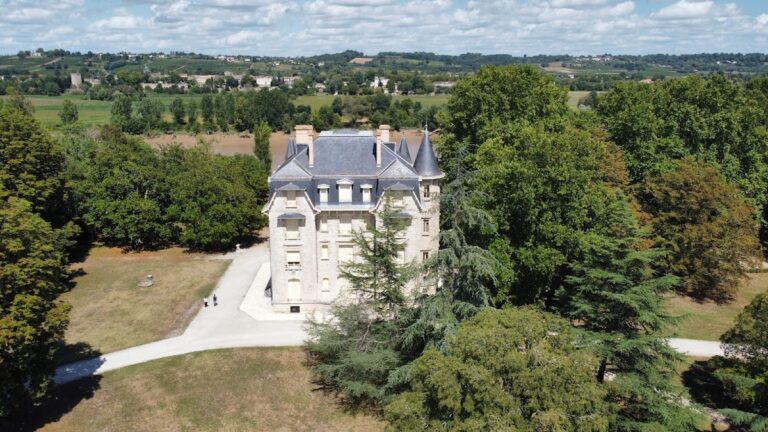
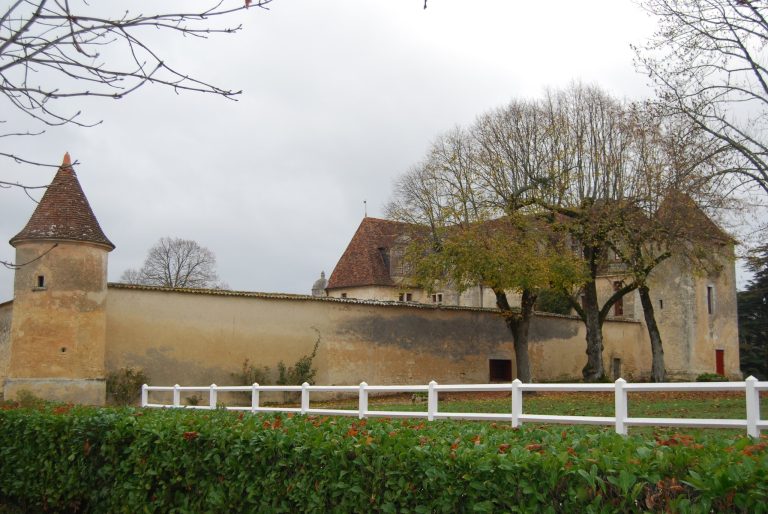
Château Lagorce is a former castle converted into a château in Haux, France. Its defensive role developed during the fourteenth, fifteenth, and sixteenth centuries, when a moat and the thick walls of its oldest tower protected the residence.
Medieval defenses and sixteenth-century damage
An eighteenth-century document records that Lagorce originally had a moat, a ditch usually filled with water to hinder attacks on a fortified building. The residence was partly destroyed during the sixteenth century, although elements of its earlier defensive arrangement survived.
During the fifteenth century, the property changed hands frequently through marriage. Bonnaventure de Faugeres claimed rights to the “Great Gorce” and began legal proceedings against his brother or brother-in-law, Estienne Dumenilh de Faugeres. In June 1599, Lord Dumenilh paid Bonnaventure 16,500 pounds for those rights. Bonnaventure then took the proceeds from rents and agricultural activities and recovered the whole property in 1607.
Seventeenth-century rebuilding
In 1636, Lagorce belonged to Menaud de Montaudon and his wife, Marguerite de Cursol. After settling at the property, they undertook major works. A keystone, the central wedge-shaped stone in an arch or vault, preserves a coat of arms joining the Montaudon and Cursol families and is associated with this period of construction.
Wine production and changing ownership
After the French Revolution, the political and social upheaval that began in 1789 and reshaped property ownership in France, Francois Galatheau sold Lagorce to Hyacinthe Feger in 1793. Feger’s nephew, Pierre, resold the property in 1802 to Elie Faux, a local wine producer, describing it as being in “a very bad state.”
The Faux family carried out important excavation works and planted Barsac and Sauternes vines. In 1858, a tonne of wine from Lagorce reached 900 francs, while the other leading wines of Haux sold for 250 to 600 francs. The property was sold to Jules Beyssac in 1859. After his death in 1895 and his wife’s death in 1905, their children held Lagorce jointly.
Twentieth- and twenty-first-century transformation
Lagorce later passed briefly to the Burette family and then to the Baudier family, who retained it until 2003. The Holmes family acquired the property that year and carried out a complete internal retrofit, a substantial modernization of an existing building’s interior, intended to recreate the building’s appearance from several centuries earlier.
Remains
Château Lagorce preserves elements of a former defensive residence alongside evidence of later rebuilding and interior alteration. The physical features described for the property include its earlier moat, the oldest tower with exceptionally thick walls, a heraldic keystone, and an interior reshaped during the Holmes family’s retrofit.
Defensive features
Moat
The château originally had a moat, a defensive ditch around the residence. Together with the oldest tower’s substantial walls, it helped protect Lagorce during the fourteenth, fifteenth, and sixteenth centuries.
Oldest tower
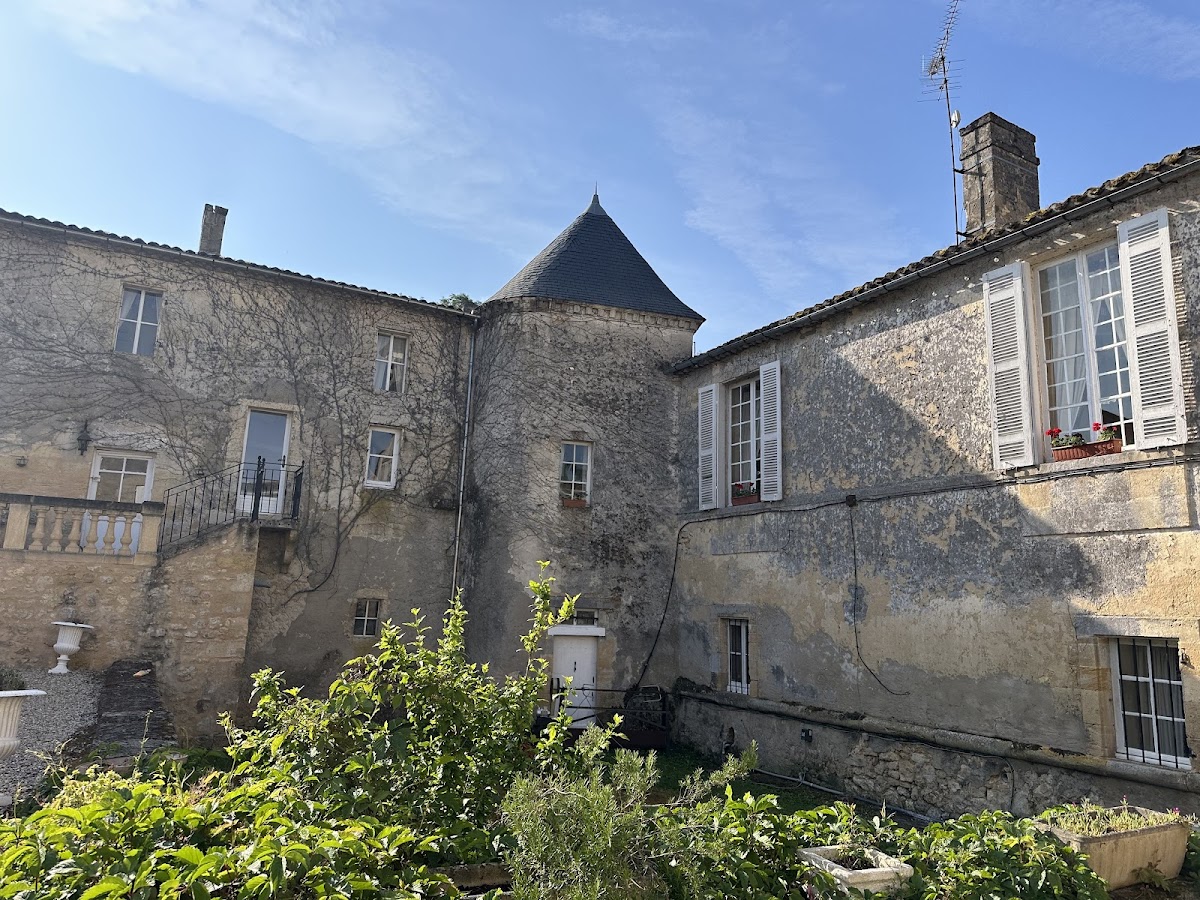
The oldest tower has walls 1.2 metres thick. Its masonry formed part of the residence’s defensive strength during the medieval and early modern periods, before the property was partly destroyed in the sixteenth century.
Seventeenth-century and later fabric
Montaudon-Cursol keystone
A keystone carries a coat of arms uniting the Montaudon and Cursol families. This carved stone is connected with the major works undertaken after Menaud de Montaudon and Marguerite de Cursol settled at Lagorce in the seventeenth century.
Interior retrofit
The Holmes family’s work substantially altered the building’s interior. The retrofit was intended to restore an appearance associated with several centuries earlier while retaining the château as an existing historic structure.