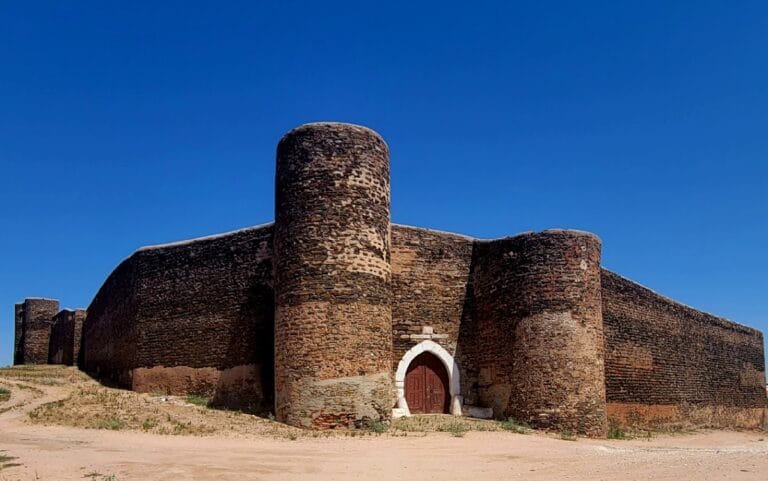
Castle of Cabeço de Vide: A Frontier Fortress in Portugal


Site at a Glance
- Rating
- 4.1
- Popularity
- Low
- Country
- Portugal
- Primary era
- Medieval
- Eras represented
- Medieval
- Civilizations
- Portuguese
- Site type
- Military
- Remains
- Castle
On this page7 sections
History
The Castle of Cabeço de Vide is a fortified hilltop site in Portugal, built or reconstructed as part of the Christian defence of a settlement on the frontier. The area had been occupied since prehistory, especially during the Neolithic period, while occupation at Cabeço de Vide itself is associated with the Roman invasion of the Iberian Peninsula.
Prehistoric and Roman Occupation
The wider region contains abundant archaeological remains and megalithic monuments associated with prehistoric communities, particularly those of the Neolithic period. Later, the Cabeço de Vide area became connected with Roman expansion. A road linked the ancient cities of Lisbon and Mérida, passing near a sulphurous-water spa known as A Sulfúrea. The spa stood beside a small dammed river about one kilometre from the present village. Its foundation date is uncertain, although it is associated with the reign of Caesar Augustus, the first Roman emperor, who ruled from 27 BC to AD 14.
Settlement and the Christian Reconquista
Local tradition places the settlement’s earliest foundation at Pombal. According to this account, a battle left many dead without burial, and the resulting pestilence led survivors to seek healthier air on the hilltop. The village and castle entered their best-known historical phase during the Christian Reconquista, the long expansion of Christian kingdoms across the Iberian Peninsula at the expense of Muslim-ruled territories.
Afonso Henriques, the first king of Portugal and a leading figure in the Christian conquest of Portuguese territory, took the earlier settlement from Muslim forces in 1160. The victory was temporary. In 1190, the Almohad ruler Yaqub al-Mansur led an offensive that retook and destroyed the settlement.
After Portugal permanently recovered the region, the settlement was rebuilt on the summit of the present hill. Its position served strategic purposes connected with frontier defence. A castle and a surrounding walled enclosure were built or reconstructed as part of this renewed settlement, placing the fortified site at the centre of local defence.
Royal Patronage and Later Decline
Cabeço de Vide retained regional importance in the late fifteenth and early sixteenth centuries. In 1498, Queen Leonor founded the Santa Casa de Misericórdia, a Portuguese charitable confraternity traditionally concerned with religious charity, healthcare, and assistance to the poor. In 1512, King Manuel I granted the settlement a new charter, a formal royal document defining its legal rights and administrative privileges. During the sixteenth century, its domains were donated to Diogo de Azambuja.
The settlement suffered severe damage during the Portuguese Restoration War, the seventeenth-century conflict in which Portugal regained and defended its independence from the Spanish Habsburg monarchy. After this destruction, Cabeço de Vide entered a period of decline. Its municipality was abolished in the twentieth century. The settlement was annexed to Alter do Chão on 24 October 1932 and transferred to the municipality of Fronteira on 21 December that year.
The castle is undergoing classification and is also listed as heritage without legal protection. These modern statuses form part of the continuing recognition of the fortified settlement and its historical remains.
Remains
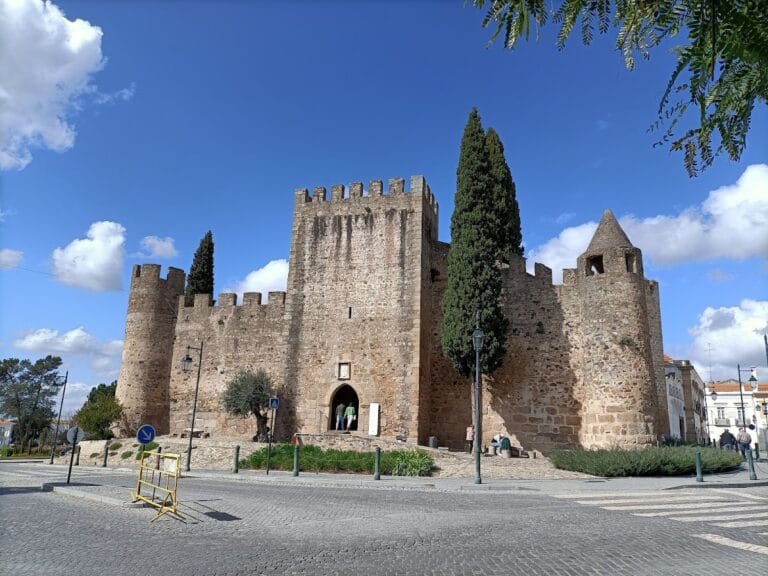
The surviving site lies within the village of Cabeço de Vide and consists of the castle and the walled enclosure that surrounded the settlement. Together, these features occupy the hilltop selected after the settlement’s re-establishment and express its frontier-defence function. The physical remains should therefore be understood as a fortified settlement rather than as an isolated castle building.
Castle and Walled Enclosure
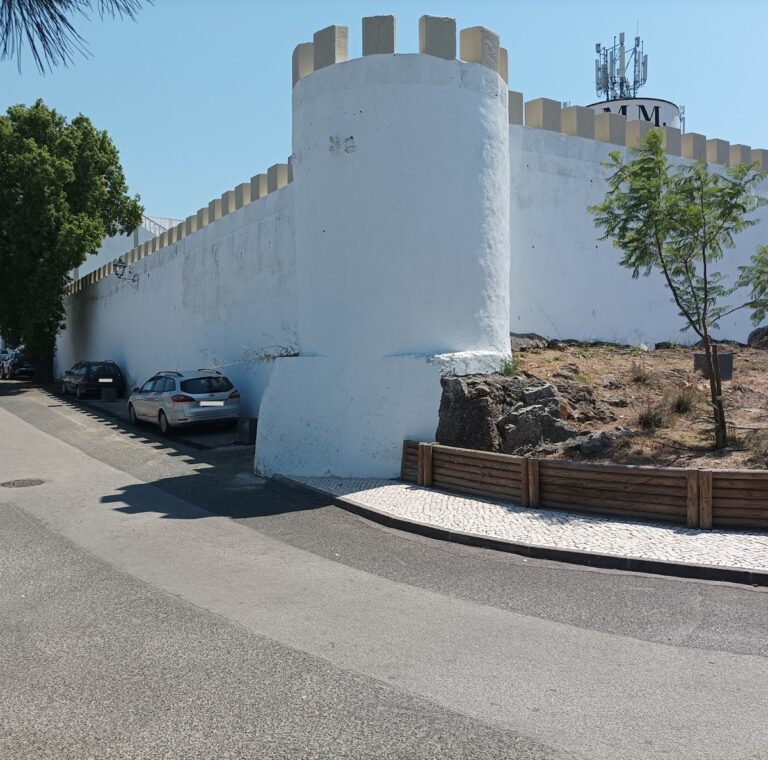
The castle formed the principal defensive element of an enclosure around Cabeço de Vide. The enclosure protected the settlement on the hill and was constructed or reconstructed after Portugal permanently regained the area. Its surviving arrangement preserves the relationship between the central castle and the surrounding fortified boundary, although the available remains are described as a site undergoing classification rather than as a fully restored complex.
A Sulfúrea and the Roman Road
Outside the present village, the Roman-period landscape included A Sulfúrea, a spa associated with sulphurous medicinal waters. It stood beside a small river that had been dammed and near the road connecting ancient Lisbon with Mérida. Located about one kilometre from the village, this spa belongs to the wider archaeological setting of Cabeço de Vide and reflects the area’s connection with Roman movement and settlement.