Lierna Castle: A Medieval Fortification on Lake Como
Site at a Glance
- Rating
- 4.5
- Popularity
- Low
- Country
- Italy
- Primary era
- Medieval
- External website
- Open
- Eras represented
- Classical, Medieval
- Civilizations
- Roman
- Site type
- Military
- Remains
- Castle
On this page7 sections
History
Medieval origins and conflicts
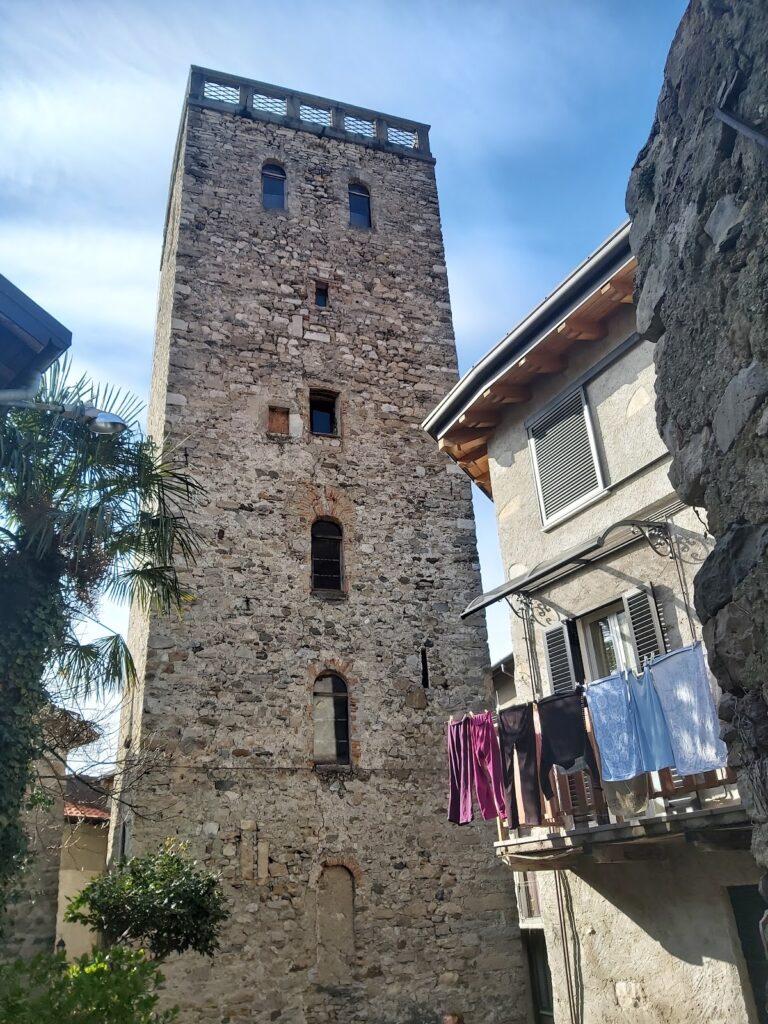
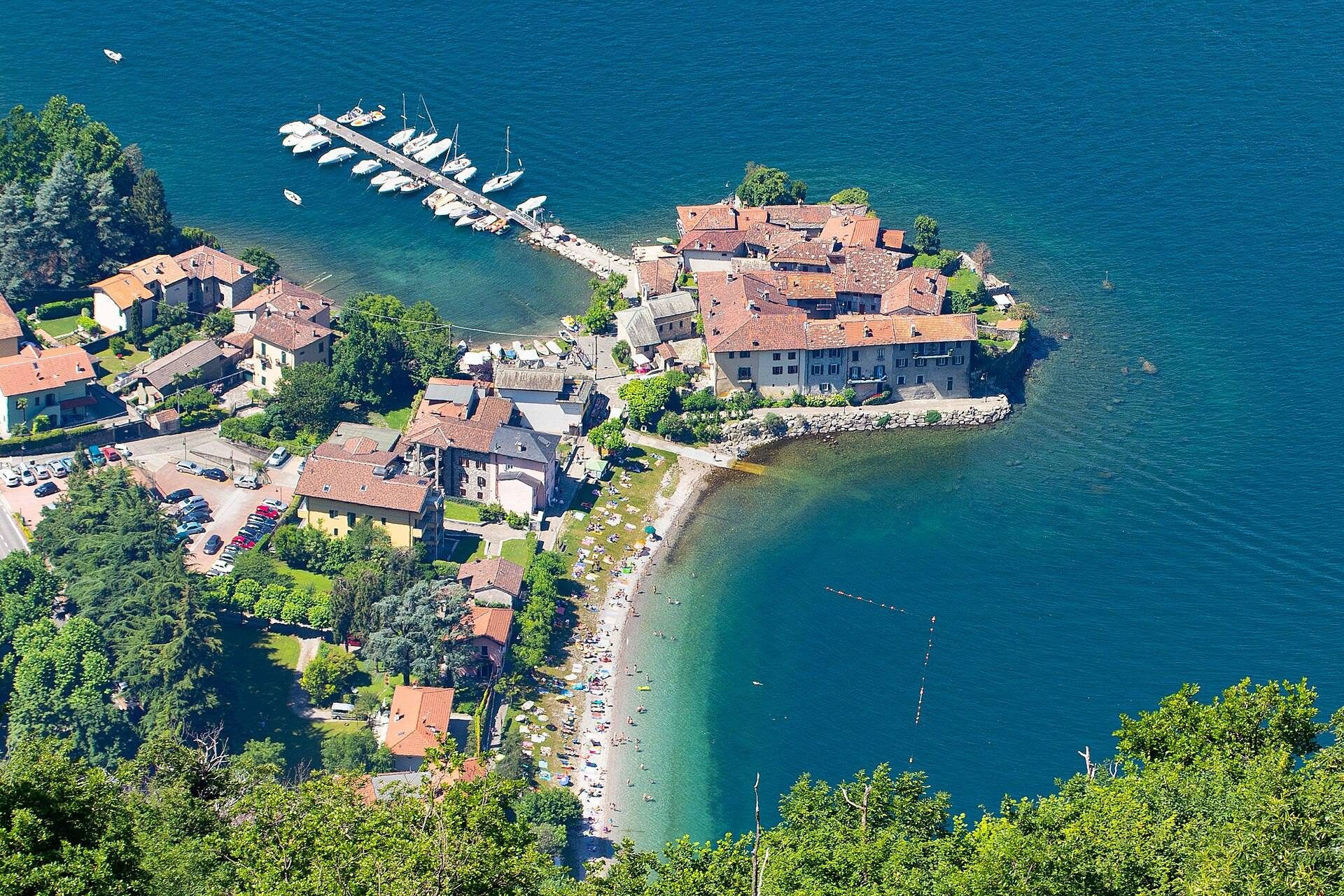
Lierna Castle is a medieval fortification in Italy on the eastern shore of Lake Como. Its principal buildings were constructed in the 10th century in the Romanesque period, a medieval architectural era known for massive masonry, rounded arches, and fortified forms. The castle rose on the remains of earlier Roman structures, reusing a strategically placed peninsula that projects into the lake.
The stronghold was drawn into warfare between Milan and Como, including the conflict of 1124. It is also associated with Theodelinda, queen of the Lombards and queen of Italy from 589 to 616. Theodelinda played an important role in the Christianization of the Lombard kingdom.
Military transformation in the sixteenth century
During the 16th century, Gian Giacomo Medici, known as “Medeghino,” developed Lierna Castle into a military and strategic naval base. Medeghino was an Italian mercenary whose activities gave the castle an important role in operations on Lake Como. In 1532, troops from Graubünden, a region and former political territory in southeastern Switzerland, captured the castle after severe fighting.
Military use ended in the 16th century as the castle declined as a defensive installation. On 22 January 1573, Emmanuel-Philibert, Duke of Savoy, founded the dynastic Order of Saints Maurice and Lazarus in the castle church after Pope Gregory XIII issued the relevant papal bull. The order, associated with the House of Savoy, continues to exist. A bronze bell bearing its emblem remains associated with Lierna Castle.
Residential settlement and later survival
After its military decline, the castle developed into a residential and commercial settlement. The Castello district now occupies the site, with residents living among buildings that incorporate parts of the former stronghold. The castle is privately owned, while it also includes a public museum and areas open to the public. Its condition is described as restored, although some ruins have been incorporated into surrounding houses.
Remains
Peninsula and fortified buildings
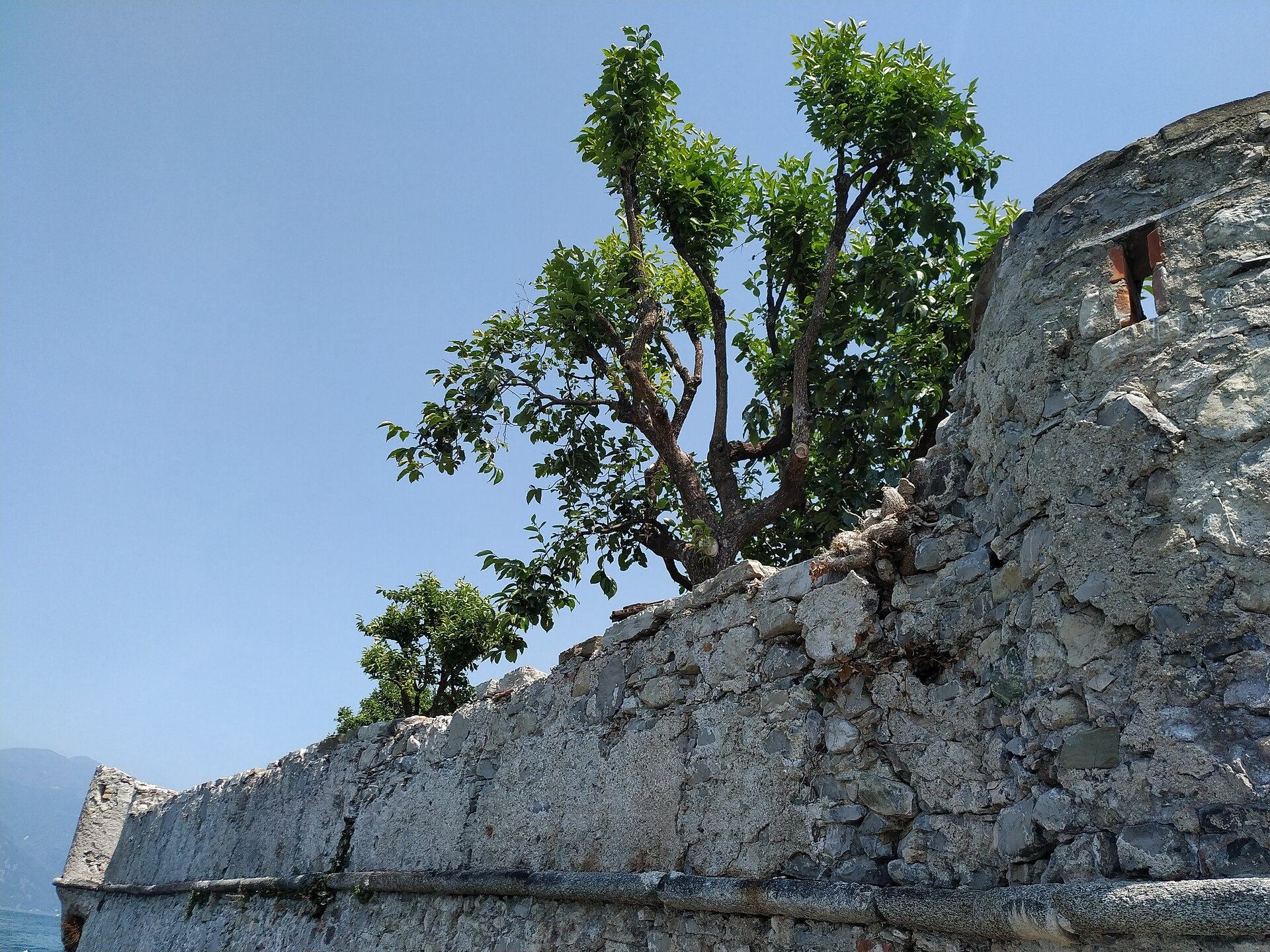
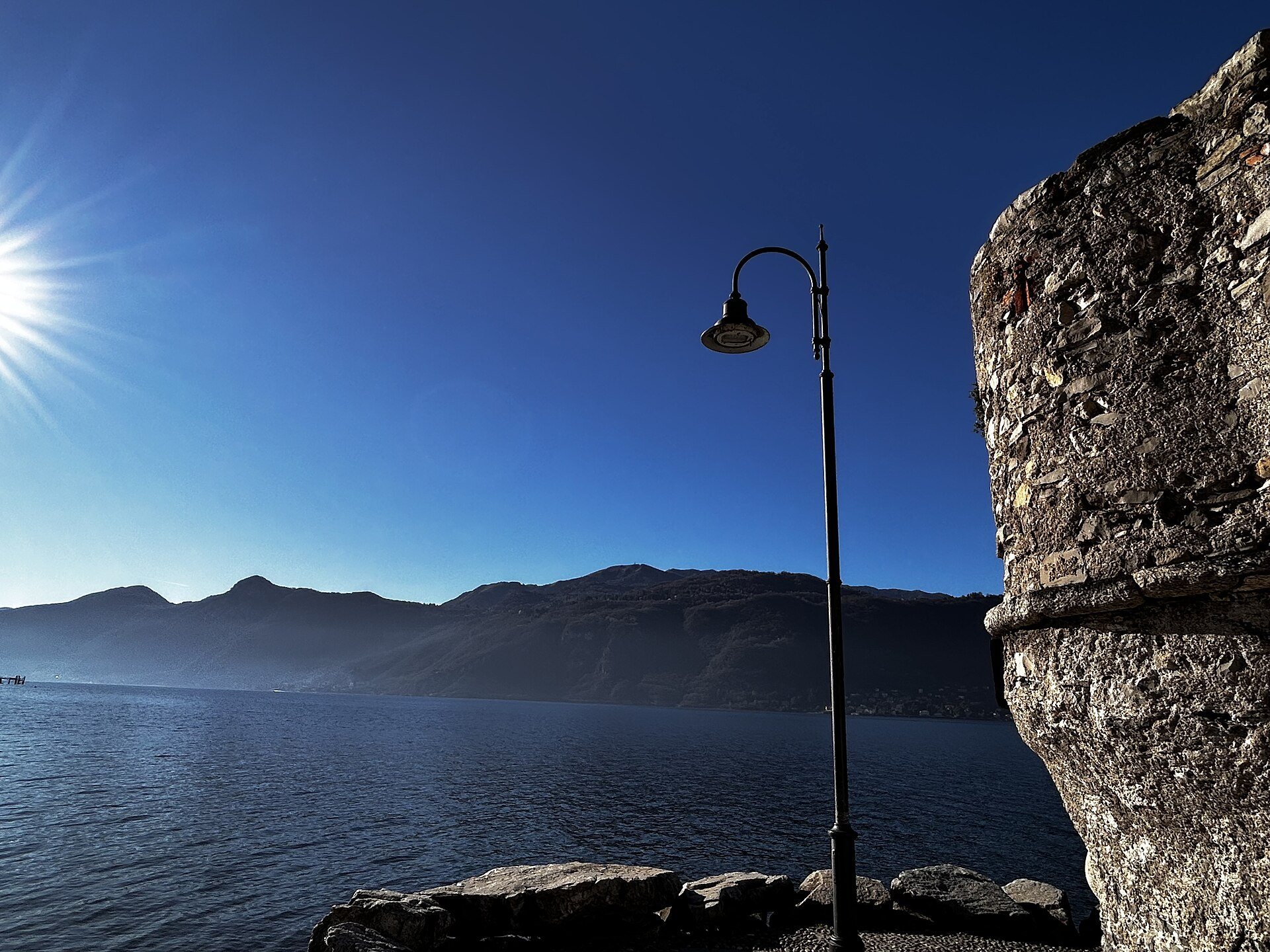
Lierna Castle occupies a peninsula projecting into Lake Como, using the water as a natural defensive advantage. It consists of connected buildings rather than one isolated structure, forming a fortified group around the peninsula. The principal buildings are made of stone and mortar in the Romanesque style and stand on earlier Roman remains. Surviving ruins are interwoven with inhabited houses in the Castello district, preserving the relationship between the former stronghold and the later settlement.
Church of Saints Maurice and Lazarus
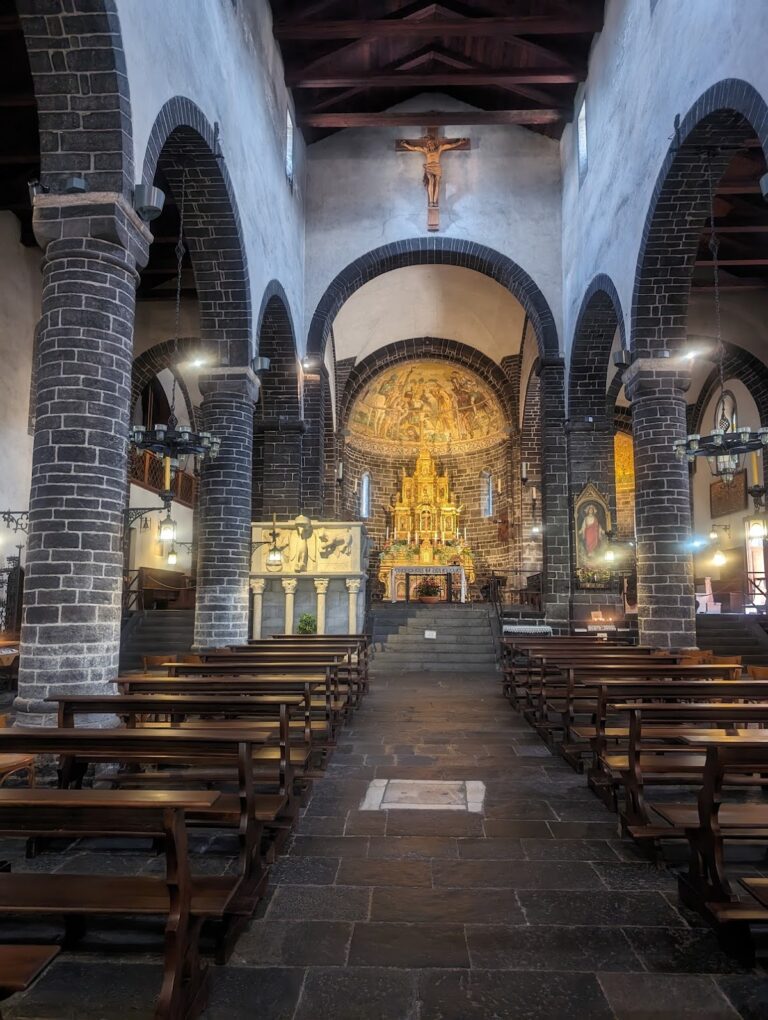
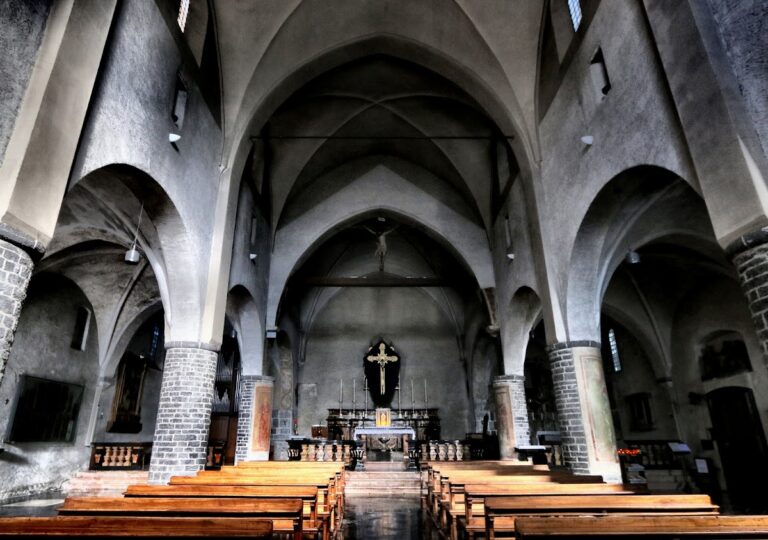
The Church of Saints Maurice and Lazarus forms part of the castle complex. It is identified as an 11th-century church, with origins also associated with the ancient Roman period. Its entrance lies within the castle walls, and the building was arranged so that it could continue serving its religious functions during sieges. Fifteenth-century frescoes survive inside the church.
The church’s apse, the rounded end of a church often enclosing the altar, faces the lake. It also served as a protective bastion, a projecting fortified structure used to help defend a wall or stronghold. This arrangement integrated the church directly into the castle’s defensive system while retaining its religious purpose.