Burg Ringelstein: A Medieval Hilltop Castle in Germany
Site at a Glance
- Rating
- 4.3
- Popularity
- Low
- Country
- Germany
- Primary era
- Medieval
- External website
- Open
- Eras represented
- Medieval
- Civilizations
- Holy Roman Empire
- Site type
- Military
- Remains
- Castle
On this page10 sections
History
Burg Ringelstein is a medieval hilltop castle in Germany, located above the Alme Valley near Büren in North Rhine-Westphalia. Built around 1385 by the noble lords of Büren, it occupied an elevated mountain spur that provided defence and broad visibility across the surrounding territory.
Foundation and lordship
A fortification at the site was mentioned in 1376 as a “new castle above Büren.” In 1383, the Davensberg branch of the noble lords of Büren undertook to build a castle there as a fief, meaning property held from a superior lord in return for service and allegiance. The superior lord in this case was Friedrich III von Saarwerden, Archbishop of Cologne. It remains uncertain whether the earlier castle had been destroyed or had never been completed.
Ringelstein was intended to serve as an outpost in the Alme Valley. Its control was to be shared by the Davensberg branch and the archbishopric of Cologne. In 1394, the Davensberg family pledged its share to Johann von Scharfenberg, who belonged to a branch of the Padberg family. At the same time, the Wewelsburg branch of the lords of Büren pledged its half of the castle and the town of Alme to Hermann von Padberg.
Berthold von Büren redeemed the castle in 1399, the year when it was first recorded under the name Ringelstein. The frequently repeated claim that the castle was built to repel the Padberg family and people known as Bengler is unsupported. The pledging and redemption of Ringelstein and Alme may nevertheless have been connected with that conflict.
Fief, hunting lodge, and court
In 1458, Ringelstein was transferred as a fief to the Landgrave of Hesse. A landgrave was a high-ranking territorial ruler in the Holy Roman Empire, and Hesse was one of its major principalities. Members of the Büren family maintained connections with the Hessian court. Bernd III von Büren served Landgrave Ludwig I from 1430, while his grandsons Bernhard and Johann served the landgrave between 1498 and 1510. In 1519, Johann was appointed councillor for life by Landgrave Philipp I and his mother.
By 1574, an inventory shows that the castle was being used as a hunting lodge by the noble lords who resided in Büren. During the Thirty Years’ War, a European conflict fought from 1618 to 1648 amid political and religious struggles across the Holy Roman Empire, Ringelstein also contained a court of the lordship of Büren, along with prison and torture facilities. The castle became the setting for numerous witch trials. In 1631, 55 people were convicted and executed as witches within only 30 days.
Decline and archaeological work
After 1802, Ringelstein lost its importance and fell into ruin. Extensive archaeological excavations began on the grounds in December 2005. Renovation of the ruins followed from 2006 and continued at least until 2022, including the rebuilding of barrel vaults and sections of masonry.
Remains
Hilltop layout and defensive remains
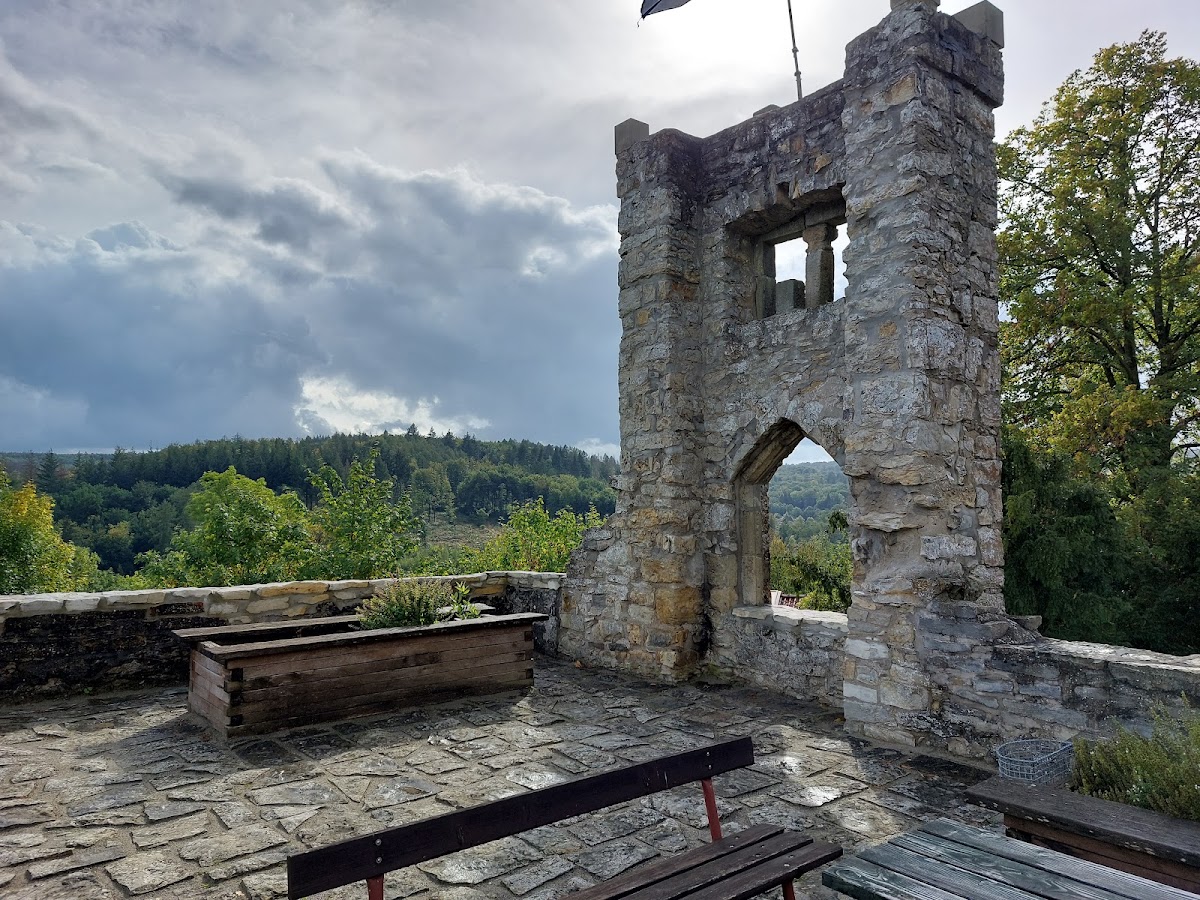
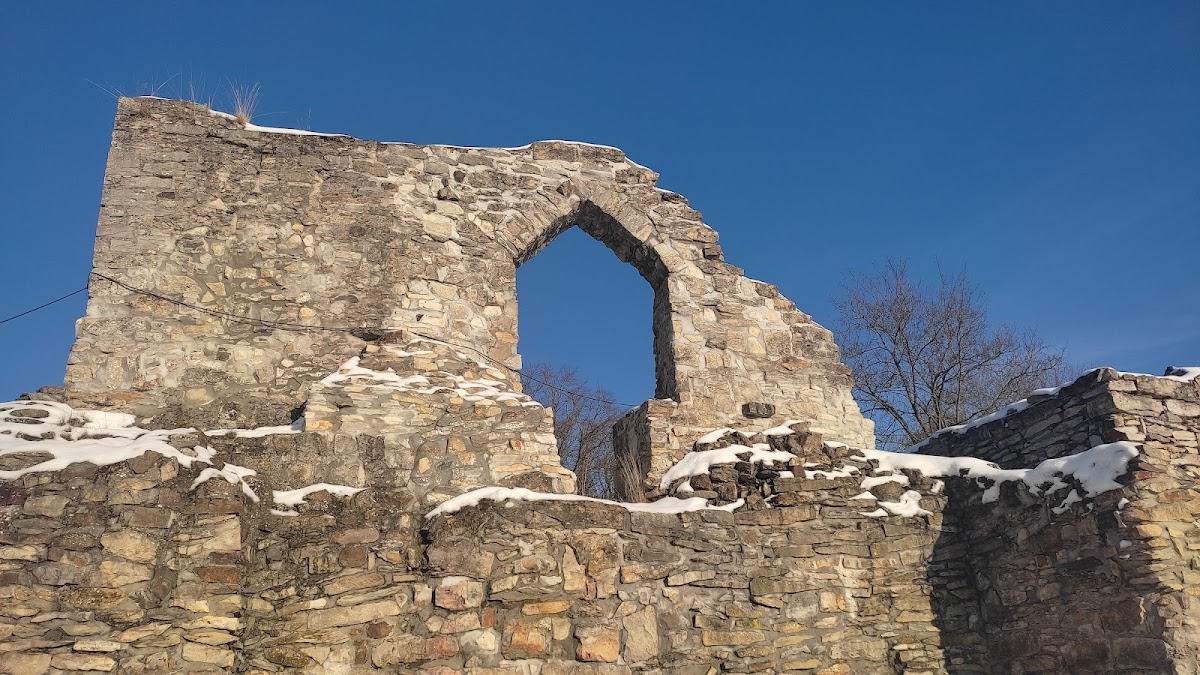
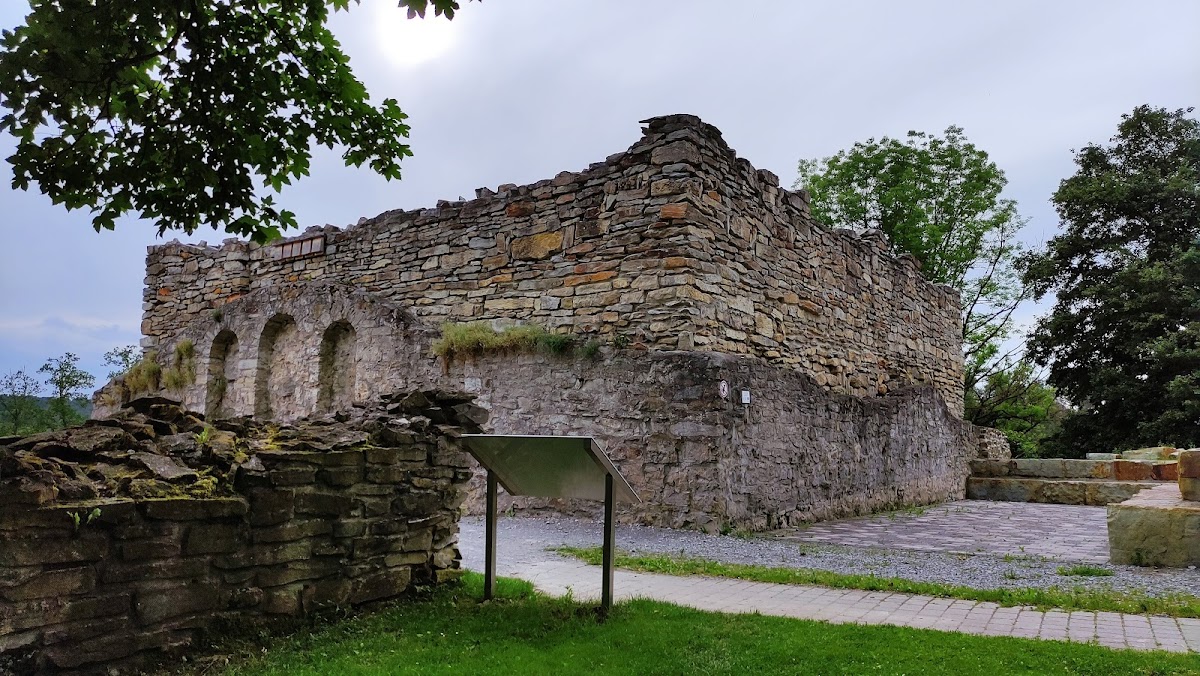
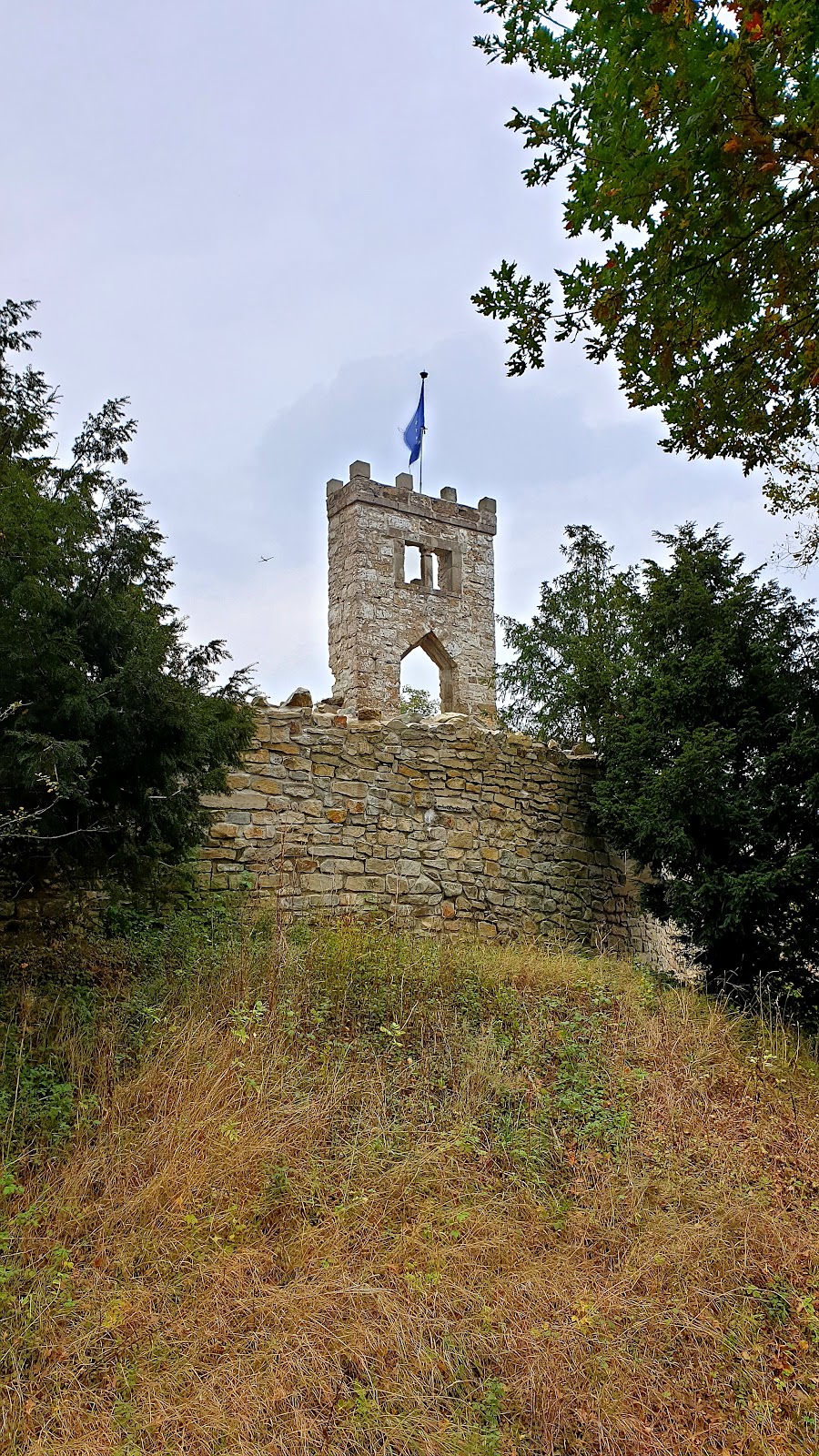
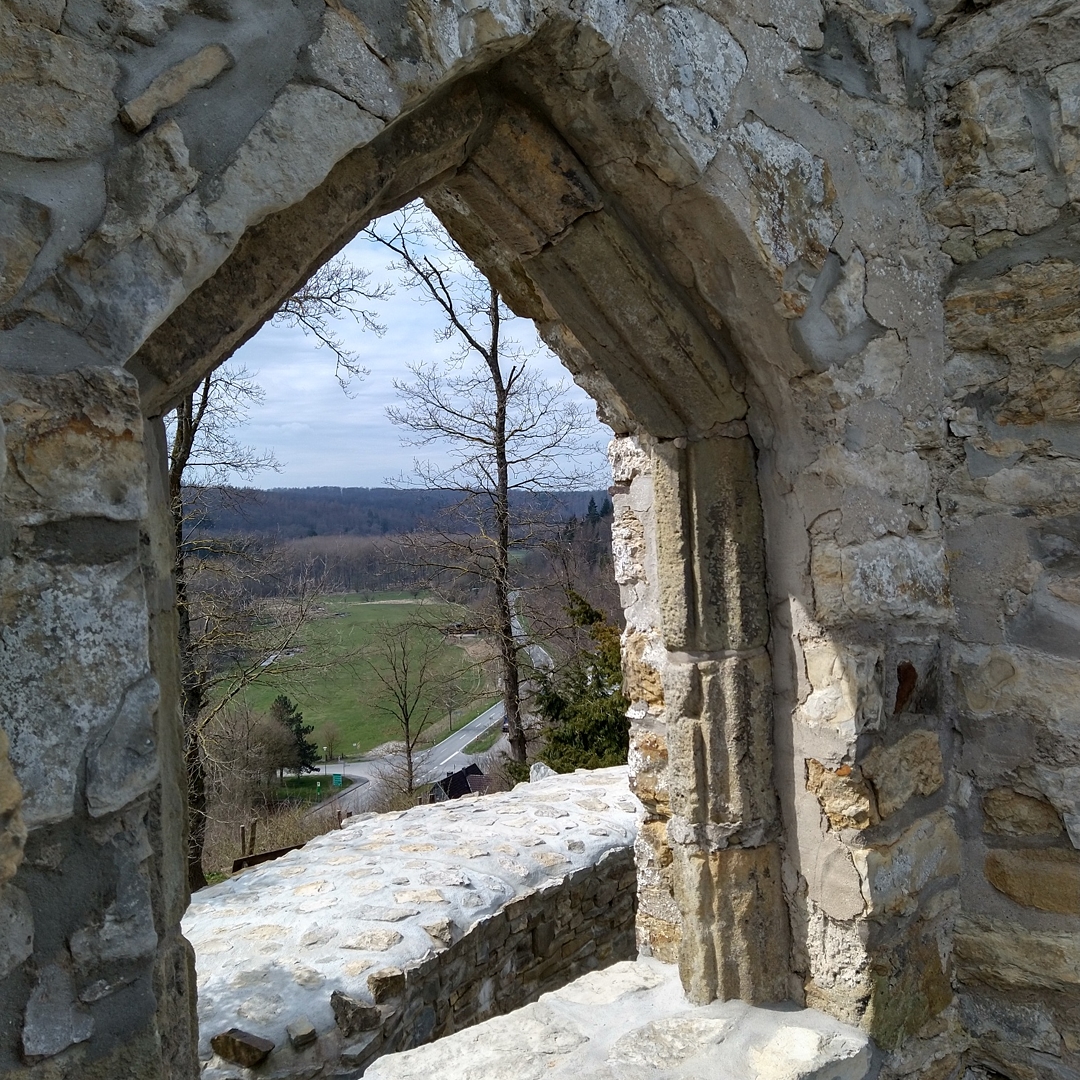
Ringelstein occupies the summit of an exposed mountain spur north of the Alme Valley and east of the Mummental. As a hilltop castle, a fortification built in an elevated position for defence and visibility, it had an unobstructed view in all directions. The surviving remains include sections of masonry and vaulted cellars, while excavation has revealed underground passageways and the remains of a massive defensive tower.
Defensive tower
The defensive tower originally stood approximately 20 metres high. Its surviving remains form part of the castle’s excavated masonry and help indicate the scale of the fortification built around 1385.
Domestic and service spaces
A 1574 inventory provides a picture of the castle’s internal organization. It listed twelve rooms, a kitchen, an egg cellar, a wine cellar, a meat cellar, a brewhouse, and a bakehouse. The household and estate also had a stable for mounted men and a granary. The vaulted cellars and other masonry remain among the principal physical evidence for these arrangements.
Prison and torture facilities
Witches’ cellar
The ruins include a room known as the “witches’ cellar,” or Hexenkeller. It is associated with the castle’s prison and torture facilities and with the witch trials held at Ringelstein during the Thirty Years’ War.