Callian Castle: A Medieval Fortress in France



Site at a Glance
- Rating
- 4.3
- Popularity
- Low
- Country
- France
- Primary era
- Medieval
- Eras represented
- Medieval, Early Modern
- Civilizations
- County of Provence, French
- Site type
- Military
- Remains
- Castle
On this page6 sections
History
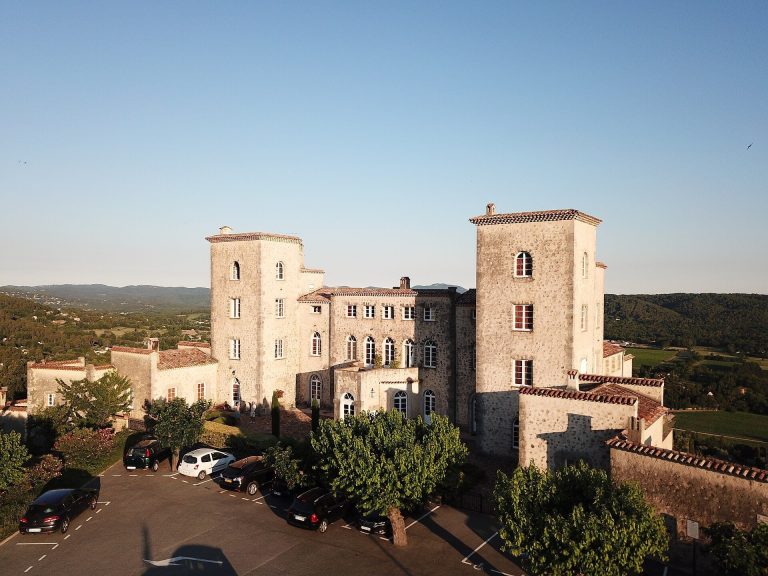
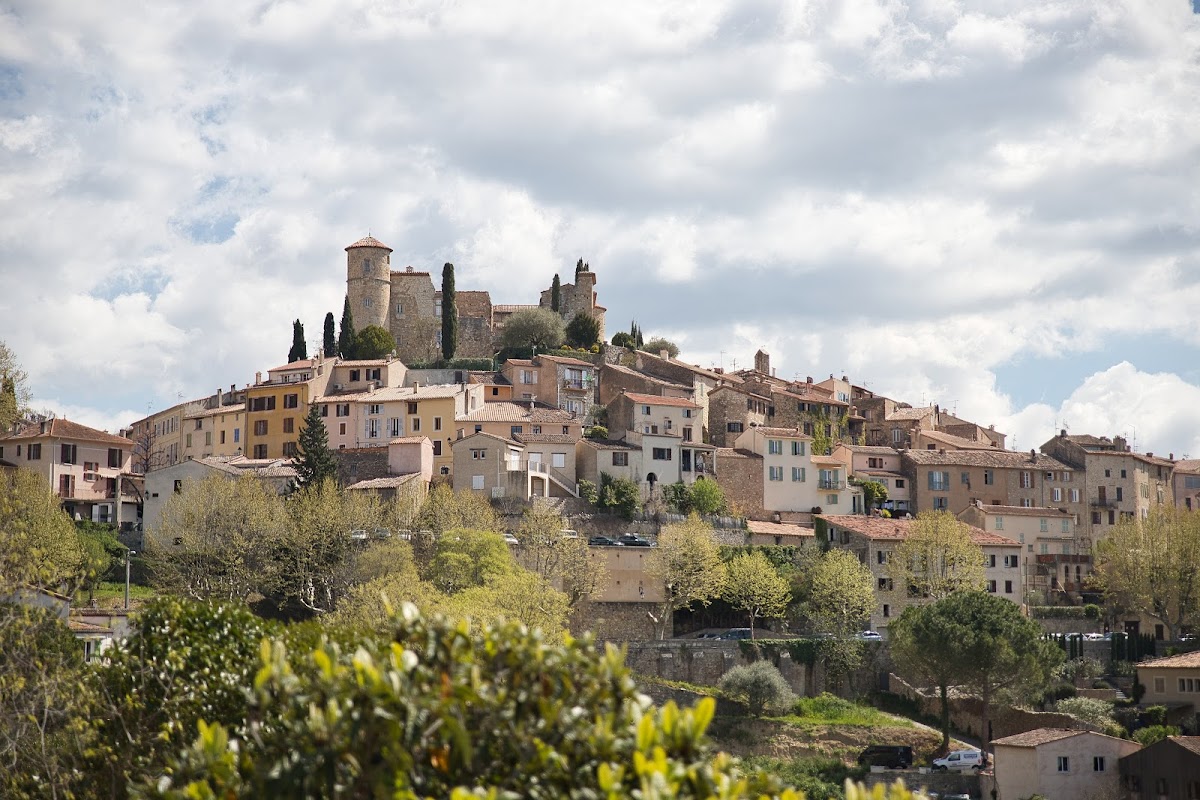
Callian Castle is a medieval fortified castle in France, standing at the summit of the historic village of Callian in Provence. Its construction began in the thirteenth century, and the building combines Gothic forms with Provençal Renaissance elements.
Medieval Lordship and Reconstruction
Callian was recorded as a castrum in 1249. This term referred to a fortified settlement or stronghold that could serve as a center of local lordship and defense. Earlier lords associated with the site included Isnard II d’Agoult in 1213, Raimond de Requiston in 1230, and Giraud II de Villeneuve in 1240.
In 1391, during the War of Succession between the Duras family and the House of Anjou, Raymond de Turenne set fire to the village. The settlement was rebuilt around the feudal castle during the fifteenth century, creating the historic village on its elevated site.
Noble Ownership and Renaissance Change
The Grasse family’s presence in the lands of Callian is recorded from 1374 to 1645. In 1510, Louis Antoine de Grasse gave the castle’s southeast facade a Provençal Renaissance character. This regional form of Renaissance architecture combined Italian-inspired features with local building traditions.
At the end of the sixteenth century, the Rafélis de Broves family acquired part of the lands of Callian. A marriage at the end of the seventeenth century transferred this property to the Lyle Taulane family.
Revolutionary Destruction and Restoration
During the French Revolution, in 1792, Joseph-Ignace de Lyle Taulane was forced to leave the castle. The building was then burned and looted, and it remained in ruins for 170 years.
Henry Brifaut, a resident of Brussels, later purchased the ruined castle and began its restoration. Major renovation work took place from 1966 to 1976, returning the building from its long period of ruin to a restored state.
Remains
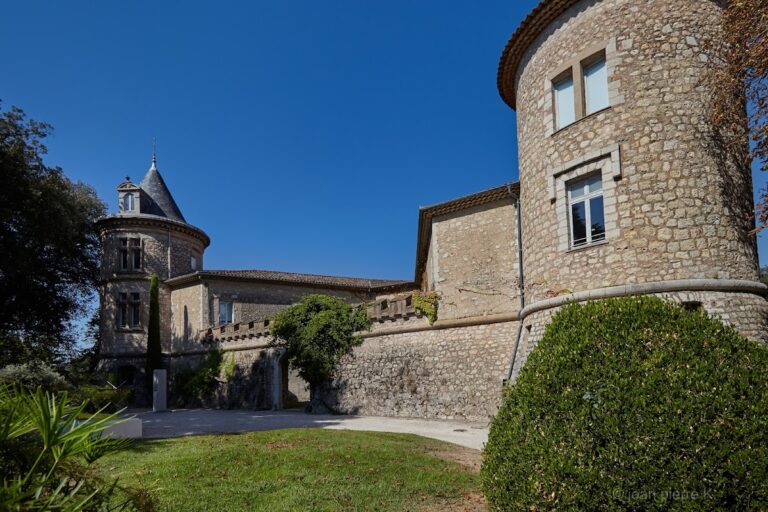
Callian Castle occupies the summit above the historic village and retains the character of a medieval fortified residence. Its architectural form reflects construction begun in the thirteenth century, later remodeling between the fourteenth and seventeenth centuries, and the combination of Gothic and Provençal Renaissance elements.
Castle Building and Facades
The southeast facade received its Provençal Renaissance treatment in 1510 under Louis Antoine de Grasse. Elsewhere, Gothic forms preserve the building’s medieval architectural character, while later alterations reflect the castle’s continued transformation through the seventeenth century.
Fire, looting, and 170 years of ruin altered the physical fabric of the castle before restoration began. The major renovation campaign of 1966 to 1976 restored the privately owned building that survives above Callian’s historic village.