Roch Castle: A Medieval Frontier Castle in Wales
Site at a Glance
- Rating
- 4.9
- Popularity
- Low
- Country
- United Kingdom
- Primary era
- Medieval
- External website
- Open
- Eras represented
- Medieval
- Civilizations
- Norman
- Site type
- Military
- Remains
- Castle
On this page6 sections
History
Norman foundation and the Landsker
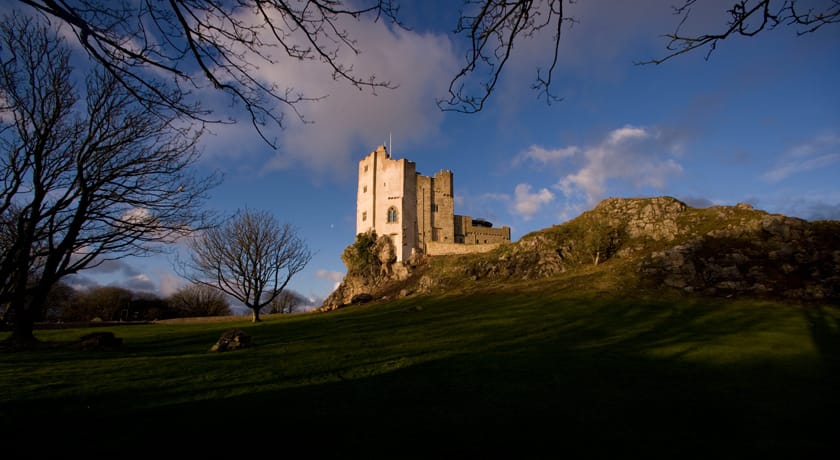
Roch Castle is a 13th-century castle in Wales, United Kingdom, built by the Normans around 1200 near Roch and Haverfordwest in Pembrokeshire. Its founder was Adam de Rupe, a Norman knight active during the period when Norman power and settlement were established in parts of Wales. The castle probably occupied a site that had previously held a wooden structure.
The name Roch is associated with the French word roche, meaning “rock,” and with rupestre, a reference to a plant that grows among rocks. The castle was built at approximately the same time as Pill Priory near Milford Haven. Its position beside the long-standing boundary between the English and Welsh areas of Pembrokeshire suggests that it formed part of the outer defences of Little England, also called the Landsker. This was the historically English-influenced area of southern Pembrokeshire and its traditional cultural and linguistic boundary with the Welsh-speaking districts farther north.
The Walter family and the Civil War
After the de Rupe family died out in the 15th century, Roch Castle eventually passed to the Walter family during the 17th century. Lucy Walter was born at the castle and later became a courtesan of Charles II. She bore him an acknowledged son, James, 1st Duke of Monmouth.
During the English Civil War, the conflict of the 1640s between supporters of Charles I and Parliamentary forces, the Walter family supported the king. Pembrokeshire was initially Royalist, but Parliamentary forces later took control. Roch Castle changed hands twice, and the Walter family fled after its second capture by Parliament’s forces. The castle was burned in 1644.
Roch Castle then remained in a decaying and dormant condition for many years. Its history was later connected with the fate of the Duke of Monmouth. After leading a rebellion against James II, he was captured at the Battle of Sedgemoor and beheaded on 15 July 1685.
Restoration and later use
John Philipps, 1st Viscount St Davids, purchased the decaying castle in 1900 and began its restoration. D. E. Thomas of Haverfordwest designed work that introduced a steel structural frame and new concrete floors. Further restoration followed in 1910 and around 1918 to 1920, with the later work carried out by D. F. Ingleton.
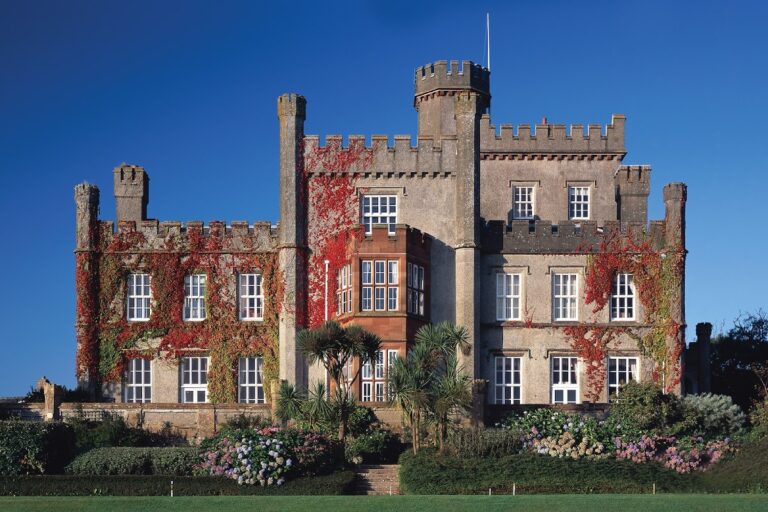
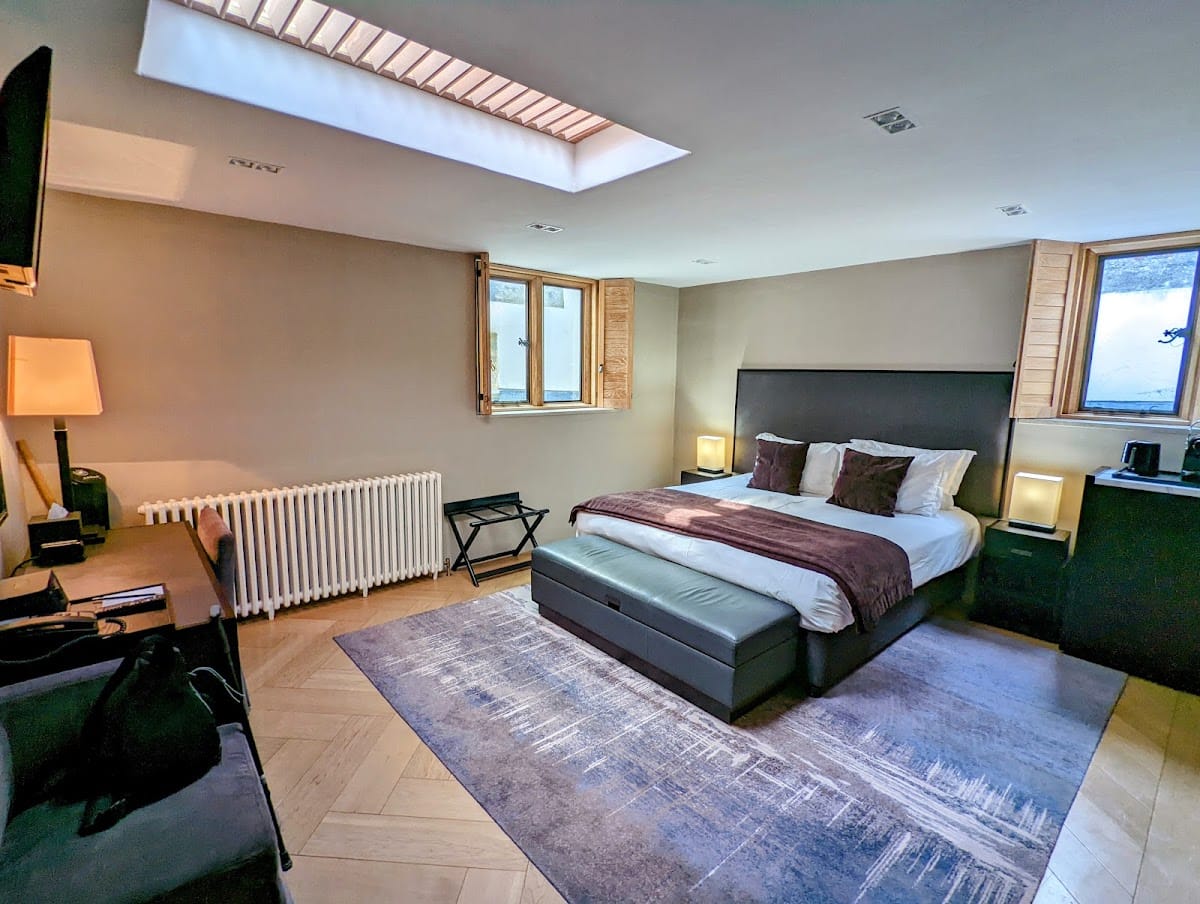
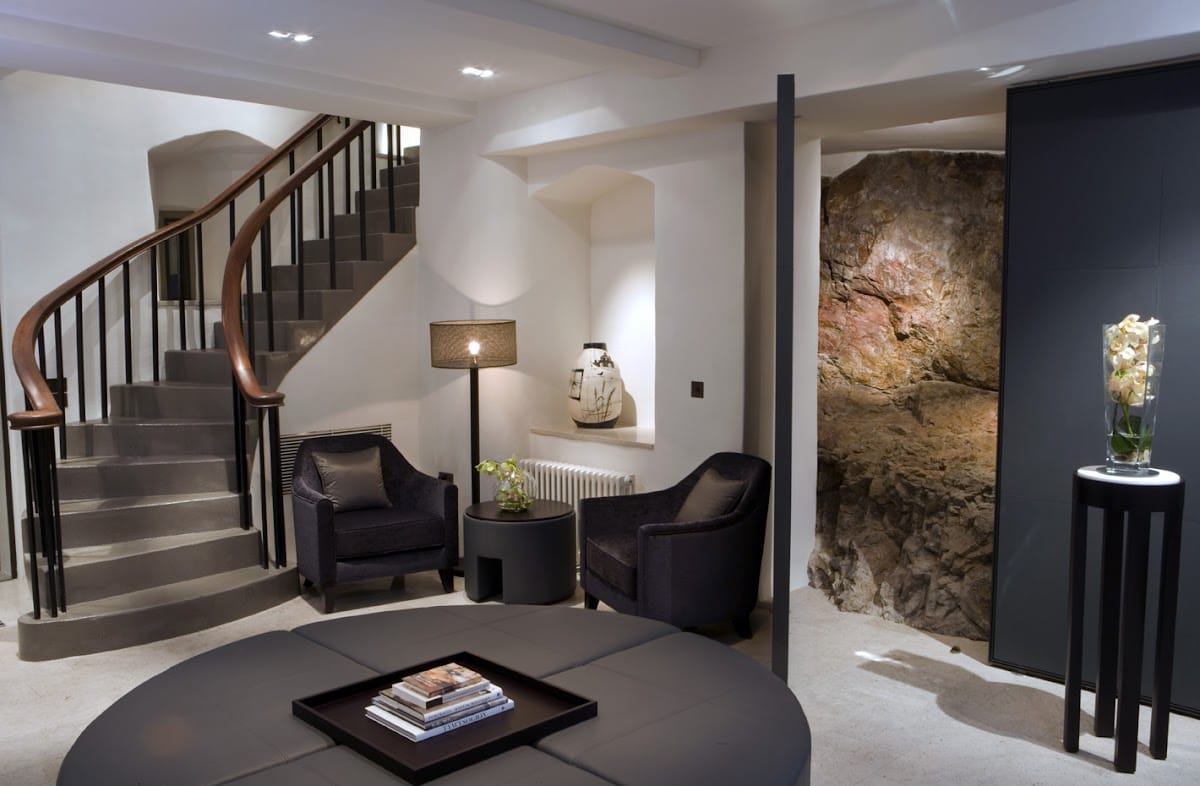
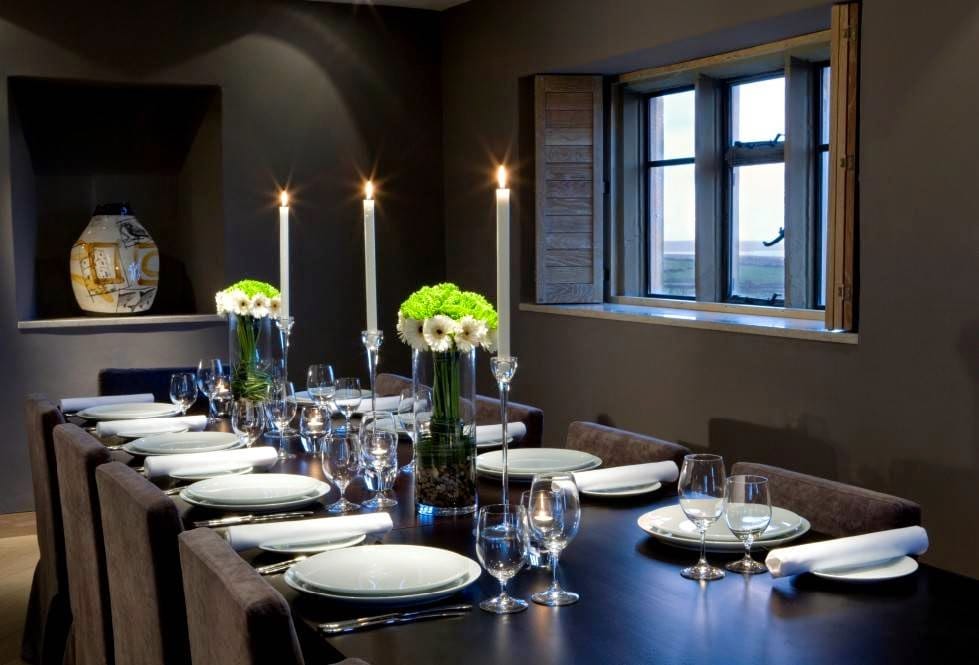
Keith Griffiths purchased Roch Castle in 2008 and restored it for use as a hotel. The project was designed by Griffiths and Acanthus Holden and completed in 2013. Roch Castle is a Grade I listed building, a designation for structures in England or Wales of exceptional architectural or historic interest that receive statutory protection. It remains in private use and is owned by the Griffiths-Roch Foundation.
Remains
Castle structure and restoration
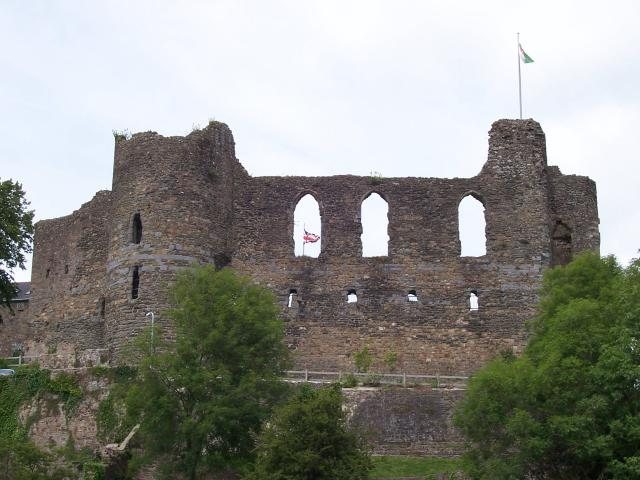
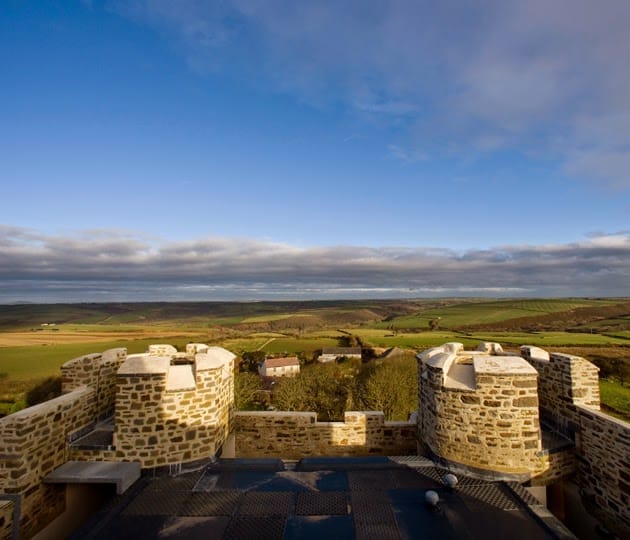
Roch Castle rises to as much as 30 metres, or 98 feet. The medieval building occupies the rocky site associated with its name and probably follows an earlier wooden occupation. Its present structural form also reflects the extensive restoration carried out during the 20th century, especially the steel frame and concrete floors added after John Philipps acquired the castle in 1900.
The 1644 fire left the castle in a decaying condition before the restoration campaigns of 1900, 1910, and around 1918 to 1920. The later project completed in 2013 converted the restored castle into a hotel, giving the surviving medieval structure a new use while retaining its identity as a fortified historic building.